Why Cast Iron Delivers Pizza Perfection
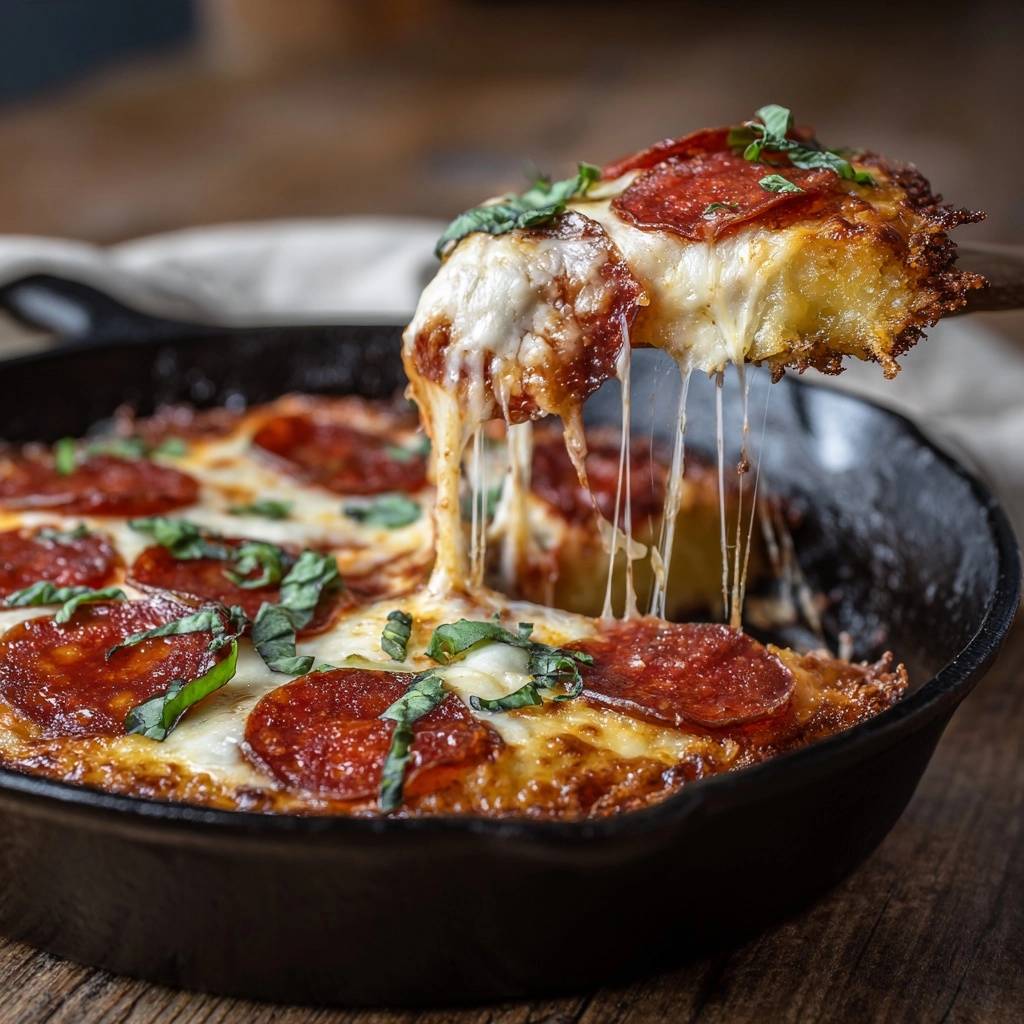
Nothing ruins homemade pizza faster than a soggy, limp crust that turns into a floppy mess under all that cheese. You’ve been there, right? That heartbreaking moment when your skillet pizza hits the table looking more like a pizza soup than a crispy delight. But this cast iron pepperoni pizza flips the script with a stovetop crisp-first method that evaporates moisture before baking, locking in golden crunch without needing a fancy pizza stone.
Here’s why it works every time. Most skillet pizzas fail because folks skip the superhot stovetop sear, leaving dough to steam instead of fry. Therefore, you get unbeatable texture that rivals any pizzeria. In addition, this hybrid approach delivers bubbly cheese and those irresistible fried edges that make jaws drop.
The real secret? Superheat that cast iron skillet for 3-4 minutes over medium-high before adding oil and dough. That instant sear triggers the Maillard reaction right away, banishing sogginess forever. Oh man, the first bite cracks with perfect crispness, and you’ll never go back to oven-only disasters.
Essential Ingredients for Cast Iron Pepperoni Pizza
You start with 1 pound of store-bought pizza dough at room temperature. It stretches evenly without tearing, creating those airy bubbles and a chewy interior. Freshly shredded mozzarella, about 2 cups, melts smoothly since it lacks anti-caking agents that make pre-shredded cheese rubbery.
Pizza sauce, just 1 cup, keeps things balanced so it doesn’t waterlog the crust. Pepperoni slices, 20-30 of them, render their fat during baking for spicy flavor bursts. Finally, a handful of torn fresh basil adds bright, aromatic freshness right at the end.
Olive oil, 2 tablespoons divided, sears the dough and crisps the edges. Use extra-virgin for its fruity notes that shine through. No buttermilk or weird add-ins here; these pantry heroes deliver pro results fast.
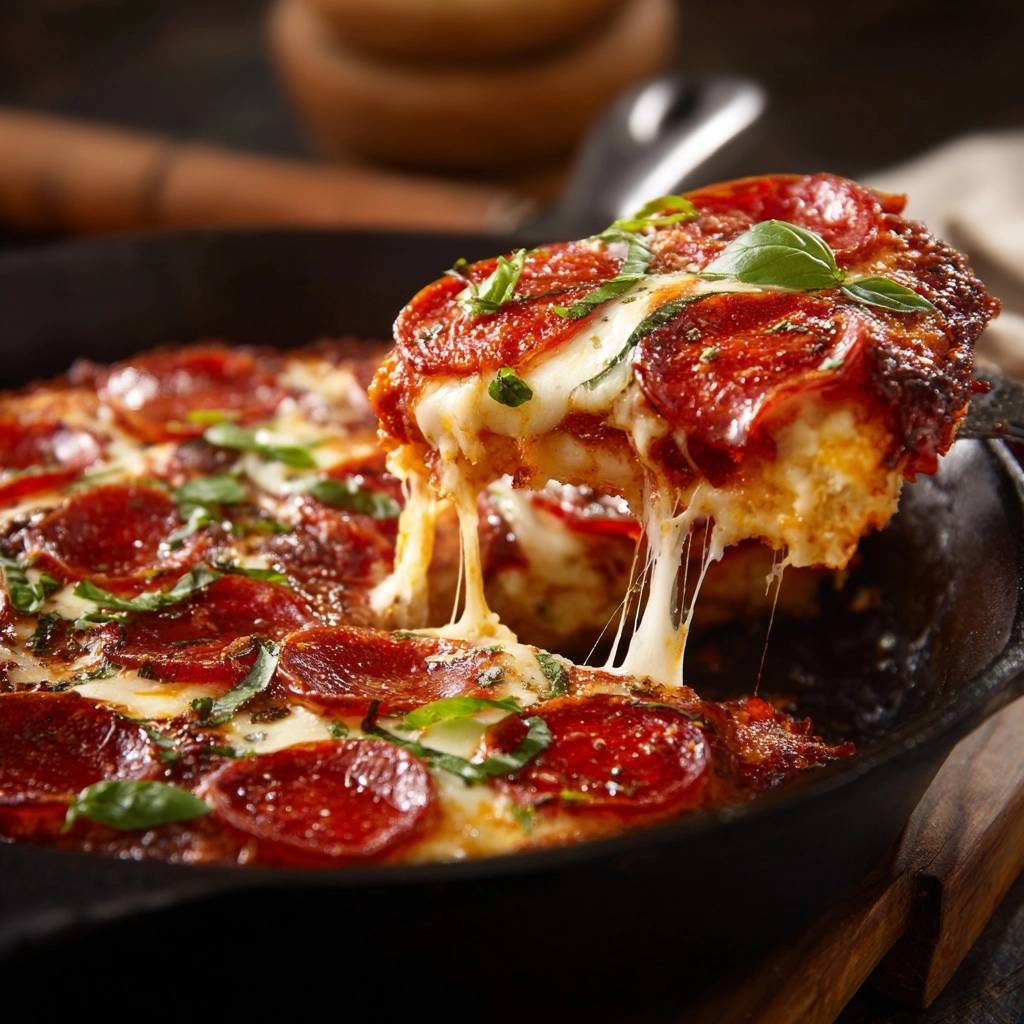
Choosing the Right Pizza Dough
Room-temperature dough is non-negotiable because cold dough fights you, leading to uneven stretching and dense spots. Let it sit out for 30-60 minutes until pliable. For a 10-12 inch skillet, one pound forms the perfect thickness.
Proof it loosely covered to boost airiness. Store-bought works great over homemade if you’re short on time. However, avoid super-thin crust doughs; they burn before the cheese bubbles.
Pepperoni and Cheese Layering Precision
Layer 20-30 pepperoni slices for full coverage without grease overload; pat them dry first to control fat release. Shred your own mozzarella for superior melt and stretch. Pre-shredded has starch that blocks creamy browning.
Add torn basil post-bake only. Heat wilts its oils, killing that punchy aroma. This sequence ensures every bite pops with flavor and crisp.
Equipment: Why Cast Iron Skillet Rules Pizza
Cast iron’s unbeatable heat retention superheats fast, searing the dough instantly for Maillard browning. Stick to 10-12 inches; it fits home ovens perfectly and serves 2-4 hungry folks. Well-seasoned skillets prevent sticking better than nonstick pans.
Preheat delivers that fried edge effect. Carbon steel alternatives lose heat too quick, leading to pale crusts. Therefore, invest in cast iron for lifelong pizza wins. Keep it seasoned with oil after each use.
Stovetop Science: Banishing Soggy Crust Forever
This method superheats the skillet to evaporate dough moisture before toppings hit. No more steaming in the oven; instead, you get deep golden crispness. The no-flip technique browns evenly as edges bubble up.
Science backs it: High stovetop heat triggers rapid Maillard reactions for nutty flavor and firm structure. Oven-only skips this, trapping steam for sogginess. In addition, the hybrid stovetop-oven blast mimics pro pizza ovens at home.
Result? Crunchy bottoms that hold up under bubbly cheese. You’ll smell that toasty aroma in minutes, proving the physics works.
Phase 1: Skillet Preheat and Dough Sear
Preheat your 475°F oven first, then heat the empty 10-12 inch cast iron over medium-high for 3-4 minutes until smoking hot. Add 1 tablespoon olive oil and swirl to coat bottom and sides. This creates an instant sear barrier.
Stretch dough to fit, pressing up the sides for fried edges. Lay it in and cook undisturbed 2-3 minutes. Look for deep gold underneath and bubbling edges; it firms up fast, smelling richly yeasty.
Troubleshoot sticking by ensuring enough oil and heat. Don’t peek early or moisture builds back up.
Stretching Dough for Skillet Fit
Hand-stretch gently from the center outward; skip the rolling pin to preserve air pockets for light texture. Press dough 1 inch up the sides for that craveable crust-within-crust. Thin centers tear easily, so aim for even 1/4-inch thickness.
If it springs back, rest it 5 minutes. This yields perfect skillet shape without deflation.
Phase 2: Saucing, Topping, and Oven Transfer
Spread 1 cup sauce evenly, leaving a 1/2-inch border to avoid boil-over sogginess. Sprinkle 2 cups mozzarella next, then overlap pepperoni slices. Drizzle the last tablespoon oil around edges for extra crunch.
Grab oven mitts and slide the whole skillet onto the top rack. No mess, no flipping. The cheese starts bubbling immediately from residual heat.
Pro tip: Even cheese distribution prevents dry spots. Pepperoni last keeps grease from pooling under sauce.
Layering for Balanced Flavor and Crisp
Sauce first hydrates evenly without sogginess. Cheese melts as a base, then pepperoni renders fat atop for spice. This order balances grease flow and promotes uniform browning.
Basil post-bake preserves its herby pop. Skip early addition or it turns muddy.
Phase 3: Baking and Resting for Slice-Ready Pizza
Bake 12-15 minutes at 475°F until cheese bubbles with browned spots and edges char nicely. Pull it out; the skillet retains heat for perfect finish. Scatter torn basil right away.
Rest 2 minutes in the skillet. Steam escapes, ensuring clean slices that don’t drag cheese. Slice hot and dig in.
Avoiding Common Mistakes in Cast Iron Pepperoni Pizza
Cold skillets cause the top sogginess pitfall; always preheat screaming hot. Over-sauced pies turn watery, so measure that cup precisely. Flipping dough mid-stovetop spells disaster with tears and uneven cook.
Low oven temps yield chewy crusts; crank to 475°F for crisp. Therefore, follow the hybrid method exactly. Pat pepperoni dry to cut grease.
Pro tip: Test doneness by lifting an edge; it should lift clean and golden.
Fixing Dough Sticking Issues
Use exactly 1 tablespoon oil and full preheat; skimping causes grabs. Check seasoning; re-oil lightly if needed. If stuck mid-cook, drizzle hot water around edges to release gently.
Preventing Greasy or Watery Results
Pat pepperoni dry and limit slices if extra oily. Test sauce thickness; it should mound slightly, not runny. Fresh-shredded cheese controls moisture better than packaged.
Flavor Variations on Cast Iron Pepperoni Pizza
Swap pepperoni for crumbled sausage; brown it first to mimic fat render. Try veggie-loaded with bell peppers and onions, patted dry. BBQ sauce twist adds smoky tang without sogginess.
Mix in provolone with mozzarella for sharper melt. Pesto base brings herby brightness. Gluten-free dough works; just stretch carefully for same crisp sear.
Keep the stovetop method intact for all. These tweaks keep it family favorite.
Vegetarian Cast Iron Pizza Twists
Mushrooms sliced thin mimic pepperoni texture; roast first to evaporate water. Layer roasted zucchini and peppers with less cheese. Squeeze veggies pre-topping for dry crispness.
Perfect Pairings for Cast Iron Pepperoni Pizza
Crisp green salads with vinaigrette cut the richness perfectly. Garlic knots add chewy contrast. Antipasti like olives and marinated veggies bring briny pop.
Sparkling water or iced tea refreshes the palate. In summer, pair with cucumber salad. Light sides balance the cheesy indulgence every time.
Make-Ahead Guide for Cast Iron Pepperoni Pizza
Par-sear dough on stovetop, cool, then freeze topped or plain up to a month. Thaw overnight, top, and bake fresh. Prep sauce and shred cheese days ahead in fridge.
Full pizzas freeze post-bake; reheat in 475°F oven 5-7 minutes on a rack for crisp revival. Portion into singles for easy batches. No sogginess if you avoid microwave.
Troubleshooting Cast Iron Pepperoni Pizza Issues
Dough too sticky? Dust hands with flour during stretch, but don’t overdo or it toughens. Cheese not browning? Broil 1-2 minutes at end, watching closely. Crust edges burning? Trim dough thinner up sides next time.
Skillet too small? Scale dough to 3/4 pound for 10-inch. Overly greasy? Fewer pepperoni and blot oil mid-bake. These fixes keep it pro-level.
Heat mismatches? Medium-high stovetop for gas, slightly lower electric.
Skillet Size and Heat Mismatches
For 8-inch, use 3/4 pound dough and reduce bake to 10-12 minutes. 14-inch needs 1.5 pounds; up heat slightly. Adjust flame so oil shimmers, not smokes.
Oven Bake Time Variations
Convection shortens to 10-12 minutes; rotate halfway. High altitude? Add 2-3 minutes and check edges early for doneness.
FAQ
How do I store leftovers of cast iron pepperoni pizza?
Store slices in an airtight container in the fridge for up to 3 days. Reheat directly in a hot cast iron skillet over medium heat for 3-4 minutes to recrisp the bottom, or oven at 400°F for 5 minutes. It freezes well whole or sliced; wrap tightly in foil and plastic, then into a freezer bag for up to 2 months. Thaw overnight and reheat as above; avoid microwaving to prevent sogginess.
Why is my cast iron pepperoni pizza crust soggy?
The most common cause is skipping or rushing the stovetop preheat; without 3-4 minutes of superheating, dough steams instead of sears. Ensure oil coats sides fully and cook undisturbed until deeply golden. Also, too much sauce adds moisture, so stick to 1 cup max with a border. This method evaporates water pre-bake, fixing 90% of soggy fails.
Can I substitute ingredients in cast iron pepperoni pizza?
Yes, use vegan mozzarella for dairy-free; it melts similarly if freshly shredded. Swap pepperoni for turkey pepperoni or plant-based slices, patting dry first. No pizza dough? Try naan or flatbread, but adjust bake to 8-10 minutes. Gluten-free dough works perfectly with the same sear method; just let it warm fully for stretchability.
Why does my dough stick to the cast iron skillet?
Insufficient preheat or oil causes sticking; heat 3-4 minutes until smoking, then swirl 1 full tablespoon to coat evenly, including sides. Well-seasoned skillets release best; if yours is new, season with oil bake first. Mid-cook fix: drizzle a teaspoon hot water around edges to loosen without sogginess.
How do I get extra crispy edges on my cast iron pepperoni pizza?
Drizzle that second tablespoon olive oil precisely around the crust post-topping; it fries during oven time for shatter-crisp results. Press dough higher up sides during stretch for more edge exposure. High 475°F heat and no peeking amplify browning via Maillard reaction.
Can I make cast iron pepperoni pizza without an oven?
Yes, finish fully on stovetop after topping: cover with foil tent, lower to medium, cook 8-10 minutes until cheese melts. For crispier top, uncover last 2 minutes. It won’t bubble as intensely, but the bottom stays legendary crunchy. Great for ovenless setups.
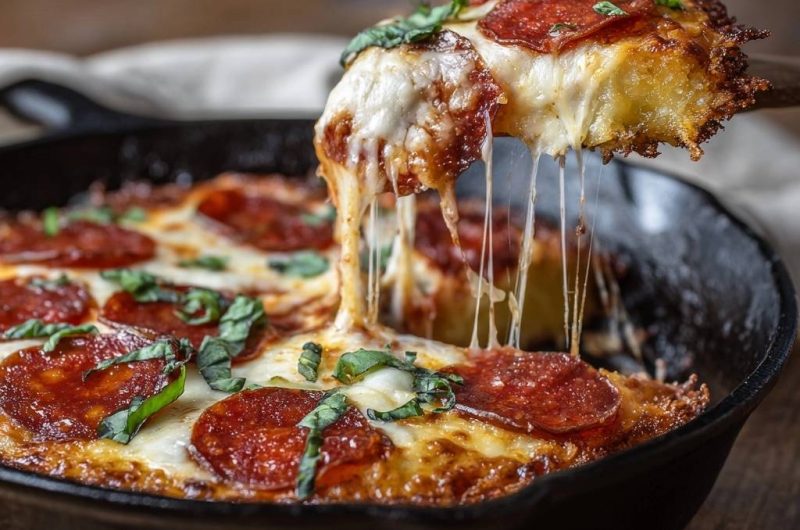
Cast Iron Pepperoni Pizza
Course: Main CourseCuisine: AmericanDifficulty: easy4
servings10
minutes20
minutes30
Minutes450
kcalAmerican
Ingredients
1 pound store-bought pizza dough, at room temperature
2 tablespoons olive oil, divided
1 cup pizza sauce
2 cups shredded mozzarella cheese
20-30 pepperoni slices
Handful fresh basil leaves, torn
Directions
- Preheat oven to 475 degrees F. Place a 10-12 inch cast iron skillet on the stovetop over medium-high heat for 3-4 minutes until very hot. Add 1 tablespoon olive oil and swirl to coat bottom and sides evenly. This superheats the pan for instant crust sear.
- Stretch dough into a circle to fit skillet, pressing it up the sides for that fried edge. Place dough in hot oiled skillet. Cook undisturbed for 2-3 minutes until bottom is deeply golden and crisps up firm, bubbling at edges. No flipping needed, this stovetop blast is the key to banishing sogginess forever by evaporating moisture before baking.
- Spread pizza sauce evenly over crust, leaving a 1/2-inch border. Sprinkle mozzarella all over, then layer pepperoni slices. Drizzle remaining 1 tablespoon olive oil around edges for extra crisp.
- Transfer skillet directly to oven. Bake 12-15 minutes until cheese is bubbly and browned, crust edges extra crunchy.
- Remove from oven, scatter fresh basil on top. Let rest 2 minutes in skillet for perfect slice release. Slice and serve hot.
Notes
- Use store-bought dough at room temperature for easy stretching. Let pizza rest 2 minutes in skillet for perfect slices.