Classic Anise Springerle Cookies
Make classic German springerle cookies with anise, a detailed molded pattern, a dry set surface, and pale tops with lightly golden bottoms.
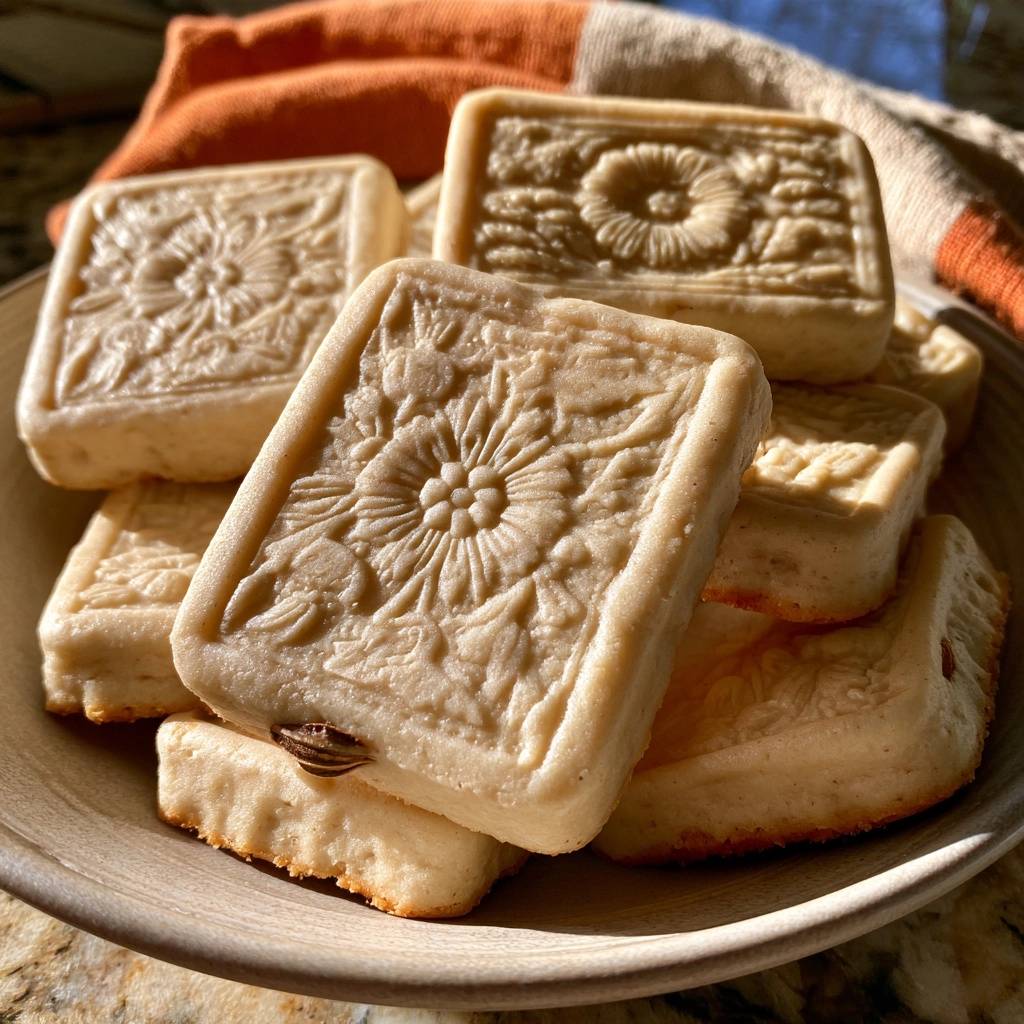
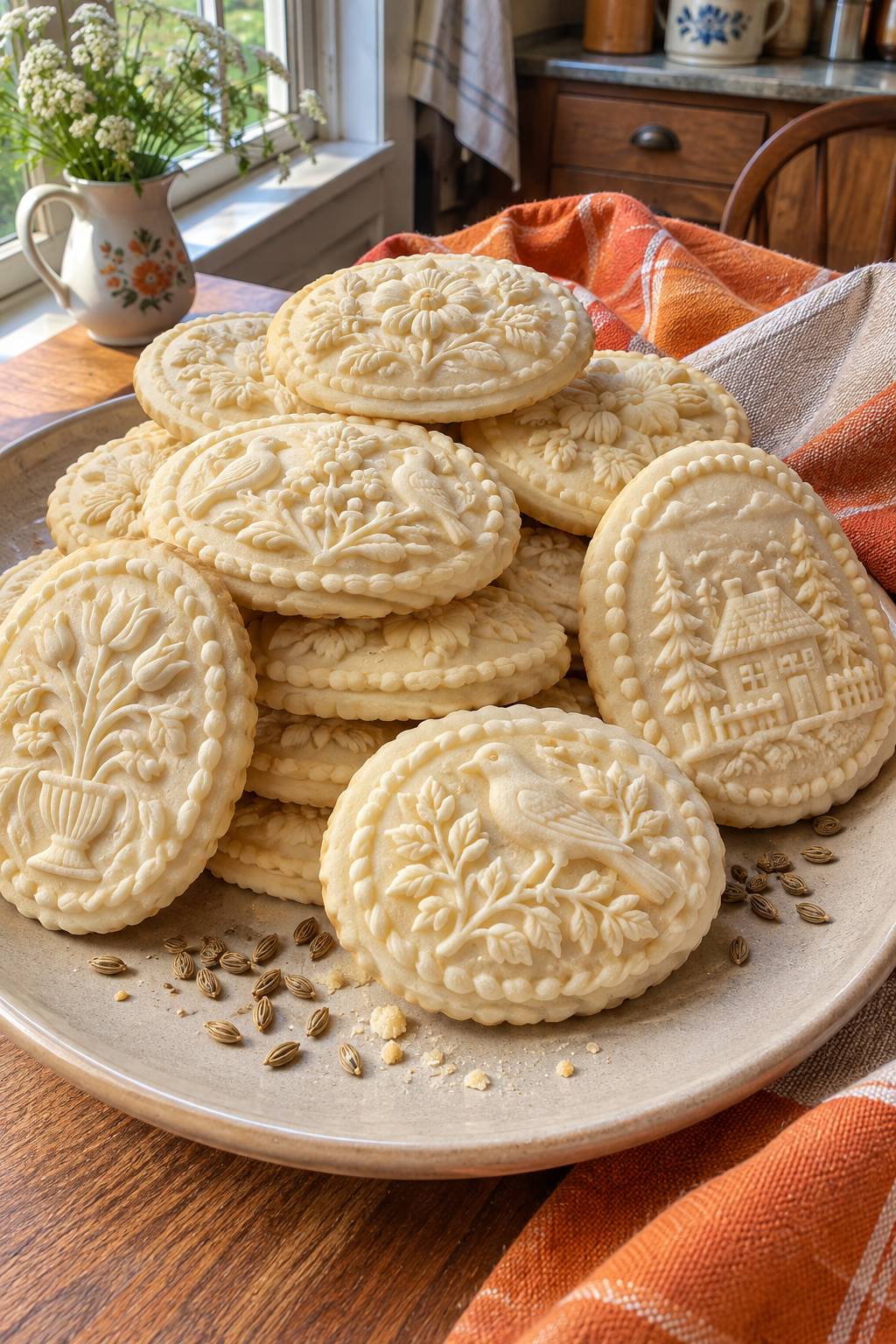
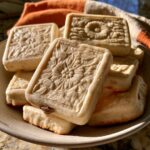
Classic anise springerle cookies are as distinctive in appearance as they are in flavor. Their carved designs come from pressing a springerle mold or engraved rolling pin into a firm dough, then letting the impressions set before baking. Ground anise lends the dough its characteristic aroma, while whole anise seeds scattered on the parchment add a fragrant base.
The process rewards a light touch and a little attention to texture. A stiff, smooth dough helps the pattern hold, and a dry surface helps keep the design clear in the oven. The finished cookies should remain pale on top, with bottoms that are just lightly golden.
Build a smooth, workable dough
Room-temperature eggs blend readily with confectioners’ sugar, helping the mixture become very thick and pale when beaten. That texture matters: it gives the dough structure before the flour goes in. Beat in the ground anise at this stage so its flavor is distributed throughout the mixture rather than concentrated in any one spot.
Whisking the baking powder into the all-purpose flour first spreads it through the dry ingredients. Add that mixture in several additions and keep the mixer on low; this helps bring the dough together without scattering flour or working it more than needed. The dough will be stiff. Brief kneading on a lightly floured surface smooths it enough to roll and stamp, while too much extra flour can make it harder to shape cleanly.
Press a clear pattern into the dough
Work with one portion of dough at a time, keeping the other portion covered by the natural order of the recipe process rather than trying to roll everything at once. Roll the dough to an even thickness so the molded impressions have consistent depth. Uneven dough can leave parts of the design shallow while other areas are pressed too deeply.
Lightly flour the mold or engraved rolling pin before pressing. Use firm, even pressure and lift it without twisting, which helps preserve the carved lines. Dust the mold between impressions and brush flour out of its carved details so buildup does not blur the pattern. Cut around the stamped shapes, then gather and reroll the scraps once; repeated rerolling can make the dough less cooperative.
Let the impressions set before baking
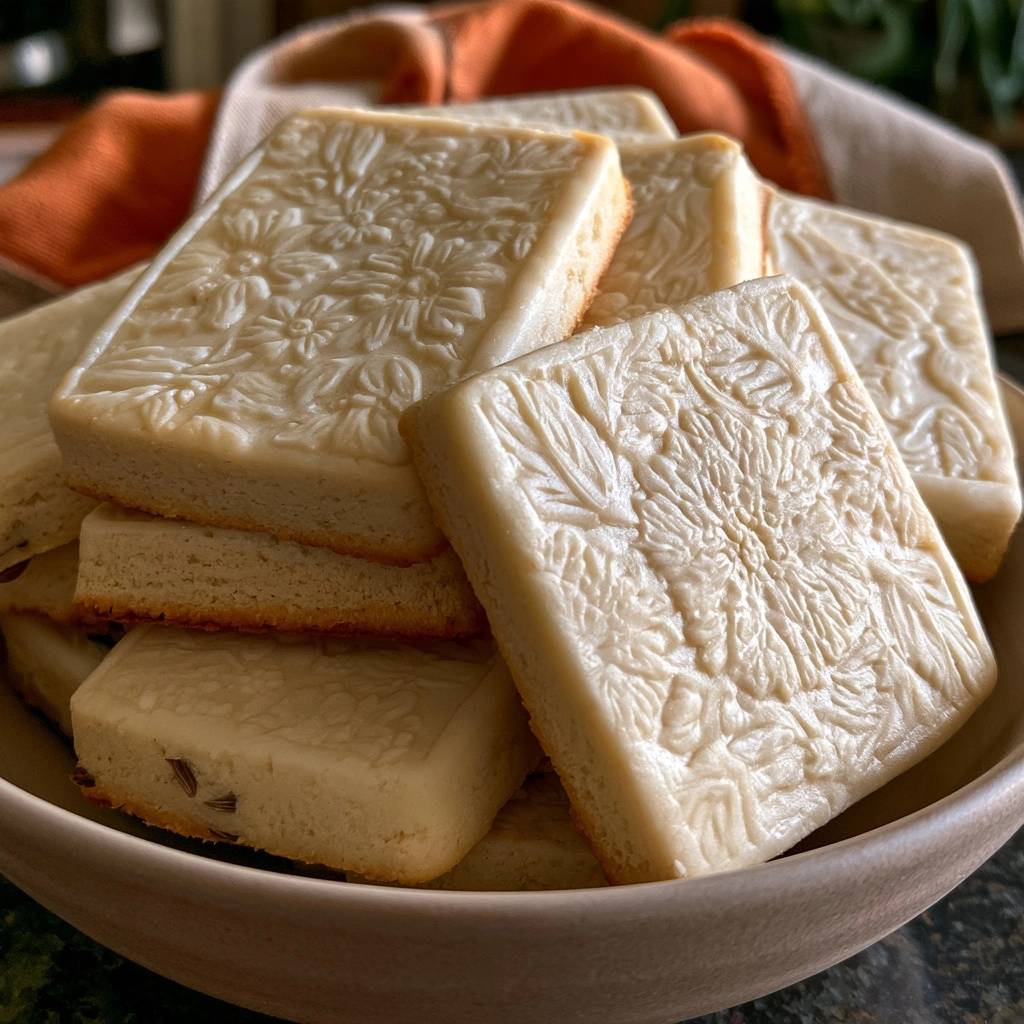
Arrange the shaped cookies on parchment scattered with whole anise seeds, leaving room between them. The uncovered drying stage is essential to the look of springerle: the surfaces should feel dry, and the impressions should look set before the cookies go into the oven. If the pattern still looks soft or the surface feels tacky, it has not reached that point yet.
Bake one sheet at a time so each batch gets the same attention. Keep an eye on the color cues in the recipe card: springerle should stay pale on top, while the bottoms become just lightly golden. Let the cookies rest on their baking sheets before moving them to a rack. They are delicate while warm, and the brief cooling on the sheets helps them firm up for transfer.
What to look for in the finished cookies
A well-pressed springerle has a recognizable design with crisp-looking impressions and a pale top. The whole anise seeds beneath the cookies contribute a gentle anise aroma as the cookies bake. Their flavor pairs with the ground anise in the dough, making the spice present without relying on a crowded mix of ingredients.
If the pattern is faint, check whether the mold was lightly floured and whether its details were brushed clean between impressions. If the cookies spread visually into a less defined design, the surface may not have dried enough before baking. Use the recipe card’s texture cues to guide you; the dough should be stiff before shaping, and the stamped surfaces should be dry before they enter the oven.
Frequently Asked Questions
Why do springerle cookies need to dry before baking?
Drying lets the stamped surfaces and impressions set before the cookies bake. This helps the carved design stay visible. Wait until the surfaces feel dry and the impressions look set, using those cues rather than guessing from appearance alone.
How can I keep the mold pattern from sticking?
Lightly dust the mold with flour between impressions, then brush flour out of the carved details. Press firmly and lift without twisting. Too much flour in the design can interfere with a clean transfer, so use a light coating.
What color should classic springerle cookies be?
The tops should stay pale, and the bottoms should be just lightly golden. Follow the recipe card’s baking guidance and look for those color cues. Let the cookies cool on the baking sheets before transferring them to a rack.
Recipe
Classic Anise Springerle Cookies
These traditional anise cookies are pressed with a springerle mold, dried until their surfaces are set, and baked until pale with lightly golden bottoms.
- Course
- Dessert
- Cuisine
- German
- Difficulty
- Easy
- Servings
- 24 cookies
- Prep time
- 40 mins
- Cook time
- 30 mins
- Total time
- 13 hr 30 mins
- Calories
- 115 kcal
Ingredients
Dough
Baking sheets
Instructions
Using a stand mixer fitted with the whisk attachment or a hand mixer, beat the eggs and confectioners’ sugar on medium-high speed for 8 to 10 minutes, until very thick and pale. Beat in the ground anise.
Whisk the baking powder into the flour. Add the flour mixture to the egg mixture in several additions, mixing on low until a stiff dough forms. Knead briefly on a lightly floured surface until smooth.
Divide the dough in half. Roll one portion at a time about 3/8 inch thick. Lightly flour a springerle mold or engraved rolling pin, press it firmly into the dough without twisting, then cut along the stamped shapes. Gather and reroll the scraps once.
Line two baking sheets with parchment and scatter the whole anise seeds across the paper. Arrange the cookies on the sheets, leaving about 1 inch between them. Leave them uncovered at room temperature for 12 hours, until the surfaces feel dry and the impressions look set.
Heat the oven to 300°F. Bake one sheet at a time for 15 minutes, for 30 minutes total. The cookies should stay pale on top, with bottoms that are just lightly golden.
Let the cookies cool on the baking sheets for 20 minutes, then transfer them to a rack to cool completely.
Notes
- Dust the mold lightly with flour between impressions and brush flour out of its carved details so the pattern transfers cleanly.
Recipe: https://mealsnrecipes.com/classic-anise-springerle-cookies/