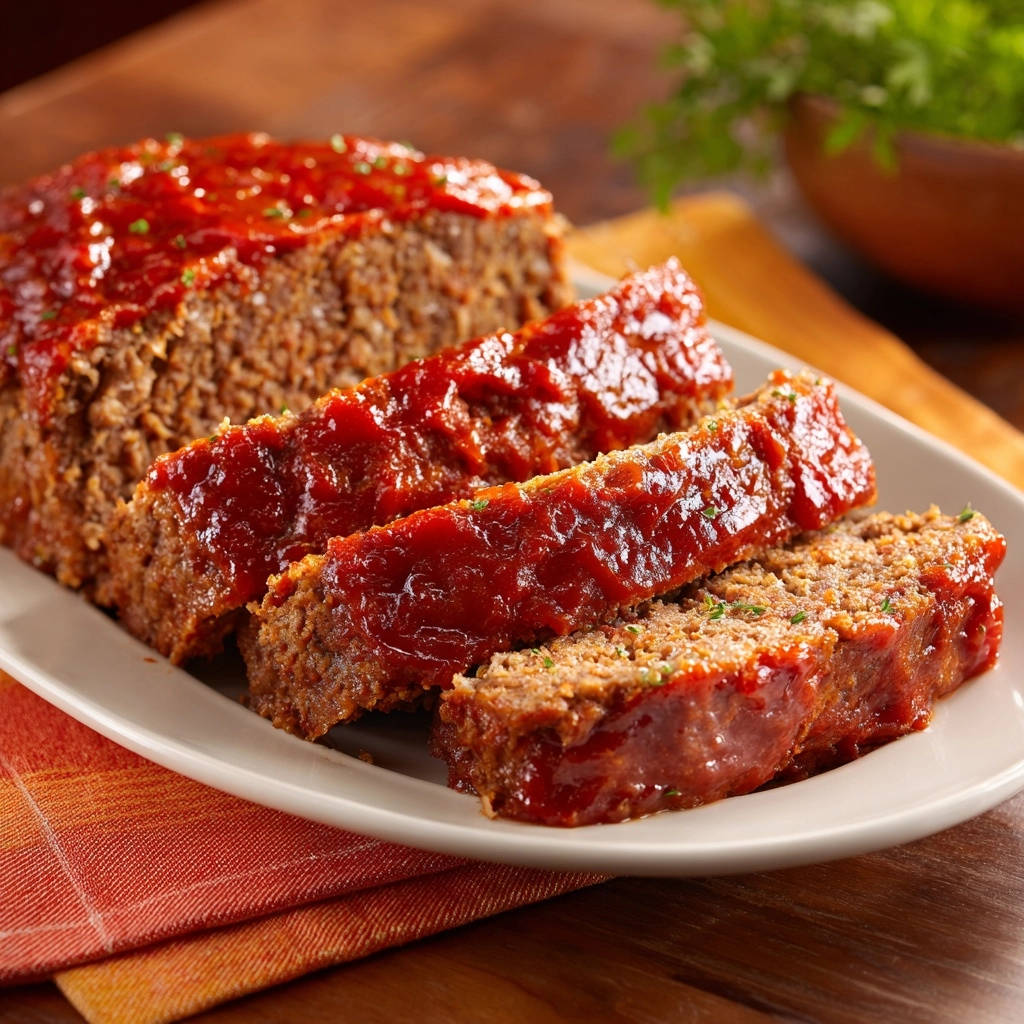
Who else has cut into a homemade meatloaf hoping for that perfectly tender, flavorful slice, only to find it disappointingly dry or crumbly? I’ve certainly been there, wrestling with tough textures and falling-apart loaves. But after years of passionate kitchen experiments, I finally cracked the code to a truly exceptional Classic Comfort Meatloaf that’s always moist, holds its shape beautifully, and delivers on that nostalgic, hearty flavor we all crave.
Beyond Dry & Crumbly: Why This Classic Comfort Meatloaf Shines
The quest for the perfect meatloaf often ends in frustration: dry, crumbly, or lacking in deep flavor. This Classic Comfort Meatloaf recipe is meticulously designed to solve these common pitfalls, guaranteeing a consistently delicious outcome every time you bake it.
Our recipe’s secret lies in a clever technique involving soaked breadcrumbs and milk, which locks in moisture right from the start. This ensures an “always moist” texture that remains juicy even after resting, a true game-changer for homemade meatloaf.
Say goodbye to crumbling slices! This meatloaf consistently holds its shape beautifully, allowing for clean, elegant cuts perfect for dinner or even a next-day sandwich. It’s built for reliability, ensuring your efforts result in perfect portions.
Beyond texture, this recipe boasts a rich, balanced flavor profile that evokes true comfort. The blend of savory ingredients and a tangy-sweet glaze creates a truly irresistible experience, making it a beloved family favorite for good reason.
Essential Tools for Your Classic Comfort Meatloaf Adventure
Mixing & Prep Essentials
Large Mixing Bowl: This provides ample space for comfortably combining all your meatloaf ingredients without any spills or mess, ensuring a thorough mix.
Small Bowls: These are incredibly handy for preparing the crucial breadcrumb and milk soak, as well as whisking together the components for your delectable glaze.
Measuring Cups & Spoons: Accurate measurements are key to consistent results, ensuring your meatloaf has the perfect balance of flavors and textures every time.
Baking & Safety Equipment
Loaf Pan (9×5 inch) or Baking Sheet: A traditional loaf pan gives your meatloaf its classic, uniform shape. Alternatively, a lined baking sheet allows you to form a free-standing loaf with more exposed surface area for extra crispy edges and glaze caramelization.
Instant-Read Meat Thermometer: This tool is absolutely vital for accurately checking the internal temperature. It prevents overcooking, guaranteeing a perfectly juicy meatloaf while ensuring it reaches a safe internal temperature.
Gathering Your Flavor Arsenal: Ingredients for Perfect Meatloaf
The Foundation: Lean Ground Beef (80/20)
For this Classic Comfort Meatloaf, 80/20 lean ground beef is truly the ideal choice. It offers the perfect balance of rich beefy flavor and essential moisture without rendering excessive grease during baking.
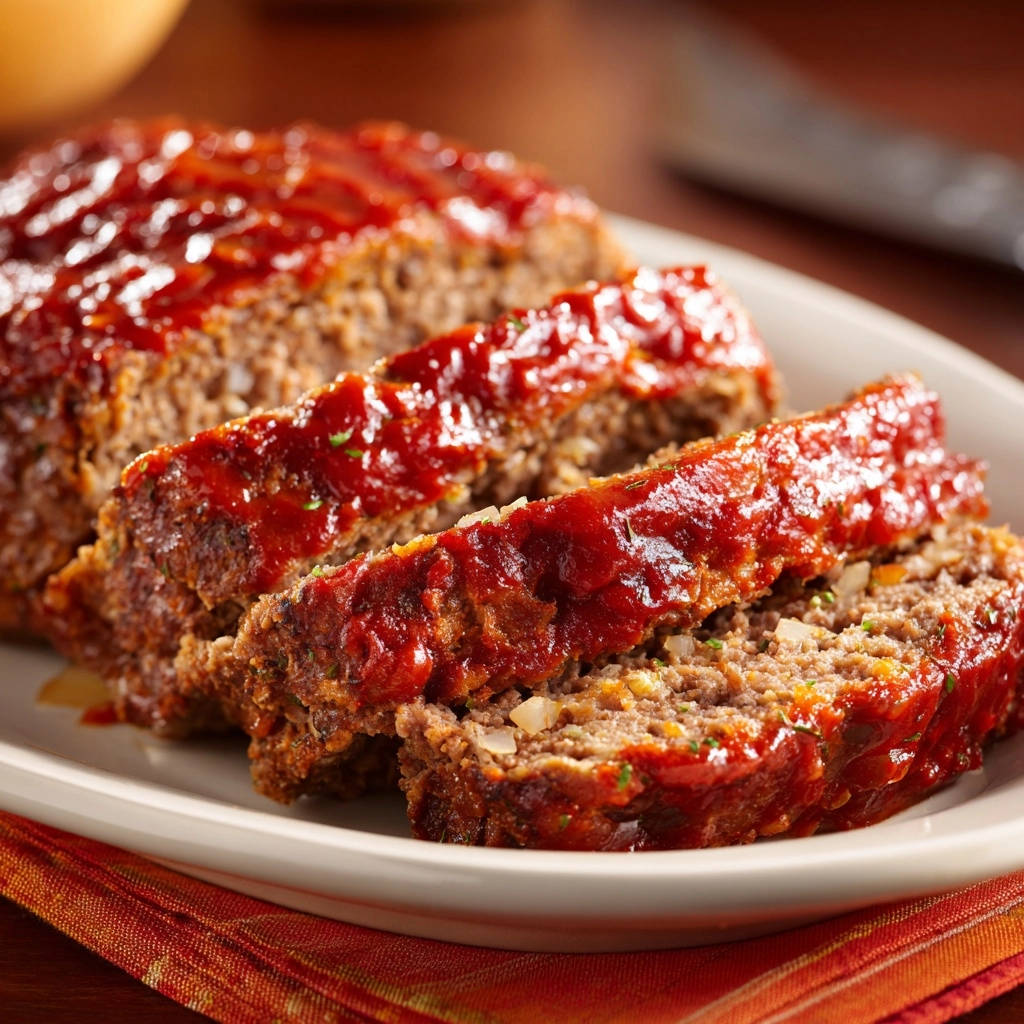
If you opt for leaner meats like 90/10, consider adding a touch more milk or a tablespoon of olive oil to compensate for potential dryness. Always be mindful of the grind for optimal texture.
The Moisture Secret: Breadcrumbs & Milk
The combination of 1 cup plain breadcrumbs and 1/2 cup milk is transformative for this recipe. Allowing the breadcrumbs to soak for 5 minutes is a non-negotiable step that ensures your meatloaf remains incredibly juicy.
This initial hydration prevents the breadcrumbs from absorbing the meat’s natural juices during cooking, making it truly “crucial for a juicy meatloaf” and never dry.
Binding & Savory Depth: Egg & Worcestershire Sauce
One large egg acts as the reliable binder, ensuring all the ingredients in your meatloaf hold together perfectly. It’s key for a loaf that slices beautifully without crumbling.
Two tablespoons of Worcestershire sauce contribute a distinct, complex umami flavor that elevates the overall savory profile. It adds a depth that is essential to a truly comforting meatloaf.
Aromatic Core: Finely Diced Onion & Minced Garlic
A half yellow onion, finely diced, is important for even flavor distribution throughout the loaf. Small pieces integrate seamlessly, avoiding crunchy bits in your tender meatloaf.
Two cloves of minced garlic infuse the entire Classic Comfort Meatloaf with a foundational, aromatic warmth. This classic combination forms the delicious base of our flavor profile.
Essential Seasonings: Salt & Black Pepper
One teaspoon of salt and half a teaspoon of black pepper are foundational for enhancing and balancing every ingredient. These simple seasonings bring out the best in the beef and aromatics.
The Signature Glaze: Sweet, Tangy, & Irresistible
The glaze is a simple yet powerful combination of 1/2 cup ketchup for tang, 2 tablespoons brown sugar for rich sweetness, and 1 teaspoon prepared yellow mustard for a subtle zesty finish.
When applied and baked, this glaze caramelizes beautifully, forming an irresistible, slightly sticky crust that adds another layer of flavor and visual appeal to your meatloaf.
For a vibrant, fresh garnish, a tablespoon of fresh chopped parsley can be sprinkled over the top just before serving. It adds a lovely pop of color and herbaceous note.
Step-by-Step Mastery: Crafting Your Classic Comfort Meatloaf
-
Preheat & Prepare Your Pan:
Begin by preheating your oven to a steady 350 degrees Fahrenheit (175 degrees Celsius).
Next, lightly grease a 9×5 inch loaf pan to prevent sticking. Alternatively, if you prefer a free-standing loaf with more delicious caramelized edges, line a baking sheet with parchment paper.
-
The “Juicy Meatloaf” Soak:
In a small bowl, combine the 1 cup of plain breadcrumbs with 1/2 cup of milk.
Let this crucial mixture sit undisturbed for 5 minutes. This allows the breadcrumbs to fully absorb the milk, guaranteeing that essential moisture is locked in for a truly juicy meatloaf.
-
Combine Non-Meat Ingredients:
Transfer the soaked breadcrumb mixture to a large mixing bowl. Add the large egg, finely diced yellow onion, minced garlic, Worcestershire sauce, salt, and black pepper.
Mix these ingredients thoroughly with a spoon or spatula until they are well combined. This ensures uniform flavor distribution throughout your Classic Comfort Meatloaf.
-
Gently Integrate Ground Beef (Avoid Overmixing!):
Now, add the 2 pounds of ground beef to the bowl with your prepared aromatics and binders.
This is a critical step: using your hands, gently mix the ingredients together until they are just combined. Avoid overmixing, as this develops tough proteins, leading directly to a dry and dense meatloaf.
-
Form Your Loaf:
Carefully transfer the meat mixture into your prepared loaf pan, gently pressing it in evenly. If using a baking sheet, form the mixture into an oblong loaf shape.
Ensure the loaf is uniform in thickness from end to end. This promotes even cooking, preventing one part from being overcooked while another is still underdone.
-
Initial Bake & Glaze Preparation:
Place the meatloaf in the preheated oven and bake for 30 minutes to allow it to begin cooking through.
While the meatloaf bakes, whisk together the ingredients for your signature glaze in a small bowl: ketchup, brown sugar, and prepared yellow mustard. Set it aside.
-
Glaze Application & Final Bake:
After the initial 30 minutes, remove the meatloaf from the oven. Evenly spread the prepared glaze over the entire top surface of the loaf, creating a beautiful coating.
Return the glazed meatloaf to the oven and continue baking for another 25 to 30 minutes. Use an instant-read thermometer to confirm doneness; it should reach an internal temperature of 160 degrees Fahrenheit (71 degrees Celsius).
-
The Essential Resting Period:
Once your Classic Comfort Meatloaf reaches its target temperature, remove it from the oven.
Allow it to rest for a full 10 minutes before you even think about slicing. This essential resting period lets the juices redistribute evenly throughout the loaf, ensuring every slice is wonderfully moist and tender.
-
Garnish, Slice & Serve:
If desired, sprinkle fresh chopped parsley over the top for a bright, vibrant garnish.
Slice your perfectly cooked and rested Classic Comfort Meatloaf into generous portions. Serve immediately to a chorus of appreciative sighs!
Chef’s Corner: Pro Tips for Next-Level Classic Comfort Meatloaf
Never Overmix – A Meatloaf Mantra
Seriously, overmixing is the arch-nemesis of tender meatloaf. Stir just until combined; the less you handle the meat mixture, the more tender your final loaf will be. Your patience will be rewarded with a delightfully moist texture.
Customize Your Aromatics & Veggies
Feel free to experiment with finely diced bell peppers, carrots, or celery for added flavor, nutrients, and texture. Just ensure they are very finely minced, almost pulverized, to cook through adequately and blend smoothly into the loaf.
Glaze Your Way: Taste & Adjust
Our glaze provides a perfectly balanced sweet and tangy profile, but don’t shy away from personalizing it. A dash of hot sauce for a little kick, a spoon of maple syrup for extra sweetness, or a touch of apple cider vinegar for more tang can elevate it further to suit your preference.
The Perfect Pan for Your Preference
A traditional loaf pan creates the classic, uniform shape, perfect for tidy slices. However, a free-form loaf baked on a sheet pan allows for more surface area to develop a deeply caramelized glaze and delicious crispy edges, which some prefer.
The Power of Patience: Don’t Skip the Rest!
The 10-minute resting period is absolutely non-negotiable. It allows the internal juices, which have been driven to the center during baking, to redistribute throughout the loaf. Skipping this step means your juices will run out onto the cutting board, leaving you with a drier meatloaf.
Confirm Doneness with a Thermometer
An instant-read meat thermometer is your ultimate safeguard against overcooked or undercooked meatloaf. Hitting exactly 160°F (71°C) guarantees a safe, perfectly cooked, and incredibly juicy meatloaf without any guesswork or risk of drying it out.
Meatloaf Malfunctions? Quick Fixes & Common Questions
“Why is My Meatloaf Dry?”
The most common culprits for dry meatloaf are overmixing the meat or overcooking it. Our Classic Comfort Meatloaf recipe specifically addresses this with the breadcrumb-milk soak to retain moisture and gentle mixing instructions to prevent toughness. Always use a reliable meat thermometer and pull the meatloaf at 160°F (71°C).
“My Meatloaf Crumbled When I Sliced It!”
This usually indicates insufficient binding or, crucially, not allowing the meatloaf to rest adequately after baking. This recipe uses a large egg and the well-hydrated breadcrumbs for excellent binding, and the mandatory 10-minute rest allows it to set up properly for clean, firm slices.
“How Can I Prevent the Glaze from Running Off?”
Applying the glaze halfway through baking, as precisely directed in this recipe, is key. This timing allows the meatloaf to develop a slight initial crust, providing a much better surface for the glaze to adhere to and beautifully caramelize without simply sliding off.
“Can I Use Different Ground Meats for This Recipe?”
Yes, you can certainly substitute 80/20 ground beef with ground turkey, chicken, or a blend of beef and another meat. Keep in mind that leaner meats might require a touch more moisture, perhaps an extra tablespoon of milk or a drizzle of olive oil, and potentially adjusted cooking times to prevent dryness. Always monitor the internal temperature.
“Is This Classic Comfort Meatloaf Recipe Gluten-Free?”
To easily make this delicious recipe gluten-free, simply substitute the plain breadcrumbs with your favorite certified gluten-free breadcrumbs. The remaining ingredients are naturally gluten-free, making it a straightforward and effective swap for dietary needs.
“Can I Make This Meatloaf Ahead of Time?”
Absolutely! For ultimate convenience, you can prepare the meatloaf mixture and form the loaf ahead of time. Cover it tightly and refrigerate for up to 24 hours before you plan to bake it, ensuring a fresh-tasting meal with minimal last-minute effort.
Beyond the Plate: Creative Ways to Enjoy Your Meatloaf
Classic Sides That Complete the Meal
Pair your moist and flavorful meatloaf with timeless accompaniments for a truly satisfying dinner. Creamy fluffy mashed potatoes are a perfect match, as are steamed green beans, roasted broccoli, or a vibrant garden salad.
Don’t forget some crusty bread to soak up any extra delicious glaze and meatloaf juices! This ensures not a single drop of flavor goes to waste from your Classic Comfort Meatloaf.
The Legendary Meatloaf Sandwich
Leftover meatloaf is a sandwich connoisseur’s dream, arguably even better the next day! Enjoy it cold on hearty rye bread with a slice of sharp cheddar, or warm it gently on a toasted bun with extra glaze, pickles, and perhaps some crispy fried onions for an elevated experience.
Reinventing Leftovers: Meatloaf Reimagined
Transform leftover meatloaf into exciting new culinary adventures. Crumble it into a hearty chili, use it as a flavorful filling for tacos or quesadillas, or even top a baked potato with it for a quick, comforting, and satisfying lunch that feels completely new.
Preserve the Perfection: Storage & Freezing Tips
Refrigerating Your Cooked Meatloaf
Allow any leftover cooked Classic Comfort Meatloaf to cool completely to room temperature before storing. Transfer it to an airtight container and refrigerate for up to 3-4 days, maintaining its delicious flavor and tender texture.
Freezing for Future Feasts
Meatloaf freezes exceptionally well, making it ideal for meal prep! For best results, wrap individual slices or the entire cooled loaf tightly first in plastic wrap, then an additional protective layer of aluminum foil. Label with the date and freeze for up to 3 months.
To reheat from frozen, thaw it thoroughly in the refrigerator overnight. Then, warm gently in the oven (covered with foil) at 300°F (150°C) until heated through, or microwave individual slices for ultimate convenience and speed.
Make-Ahead Prep: Unbaked Option
For ultimate convenience on a busy day, you can prepare the meatloaf mixture and form the loaf ahead of time. Cover it tightly and refrigerate for up to 24 hours before you plan to bake it, ensuring a fresh-tasting meal with minimal last-minute effort.
Ready to Impress? Share Your Classic Comfort Meatloaf Masterpiece!
You now possess all the expert knowledge and proven techniques to create a truly exceptional Classic Comfort Meatloaf that will consistently impress your family and friends. Bid farewell to dry, crumbly attempts and embrace the joy of consistently moist, flavorful, and perfectly sliced meatloaf every single time!
We’d absolutely love to see your culinary creations and hear about your success! Share photos of your delicious meatloaf masterpiece on social media and tag us – let’s celebrate comfort food together.
Craving more heartwarming, family-favorite dishes that deliver on flavor and comfort? Dive into our extensive collection of recipes, including our incredible Hearty Beef Stew, for your next cozy meal inspiration.
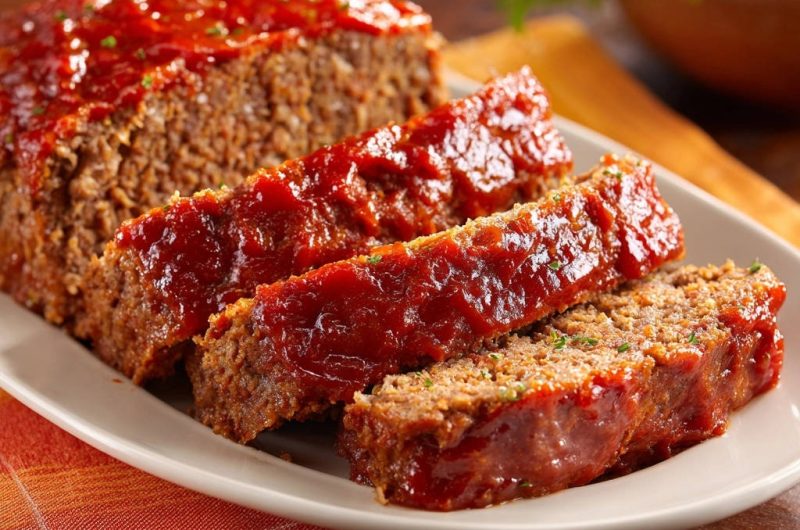
Classic Comfort Meatloaf
Course: Main CourseCuisine: American CuisineDifficulty: easy6
servings15
minutes1
hour75
minutesAmerican Cuisine
Ingredients
2 pounds lean ground beef (80/20 recommended)
1 cup plain breadcrumbs
1/2 cup milk
1 large egg
1/2 yellow onion, finely diced
2 cloves garlic, minced
2 tablespoons Worcestershire sauce
1 teaspoon salt
1/2 teaspoon black pepper
For the Glaze:
1/2 cup ketchup
2 tablespoons brown sugar
1 teaspoon prepared yellow mustard
1 tablespoon fresh parsley, chopped (for garnish, optional)
Directions
- Preheat your oven to 350 degrees Fahrenheit (175 degrees Celsius). Lightly grease a loaf pan or line a baking sheet with parchment paper if forming a free-standing loaf.
- In a small bowl, combine the breadcrumbs and milk. Let this mixture sit for 5 minutes to allow the breadcrumbs to absorb the liquid. This is a crucial step for a juicy meatloaf!
- In a large mixing bowl, combine the soaked breadcrumb mixture, egg, finely diced onion, minced garlic, Worcestershire sauce, salt, and pepper. Mix these ingredients together thoroughly.
- Add the ground beef to the bowl. Here’s the key to preventing a dry and tough meatloaf: gently mix the ingredients with your hands until just combined. Do not overmix! Overworking the meat develops tough proteins and can lead to a dry texture.
- Transfer the meat mixture to your prepared loaf pan, or form it into a loaf shape on the lined baking sheet.
- Bake for 30 minutes. While it bakes, prepare the glaze by whisking together the ketchup, brown sugar, and mustard in a small bowl.
- After 30 minutes, remove the meatloaf from the oven and evenly spread the glaze over the top. Return the meatloaf to the oven and continue baking for another 25 to 30 minutes, or until an internal temperature of 160 degrees Fahrenheit (71 degrees Celsius) is reached.
- Once cooked, remove the meatloaf from the oven and let it rest for 10 minutes before slicing. This allows the juices to redistribute, ensuring every slice is perfectly moist.
- Garnish with fresh chopped parsley if desired, then slice and serve!
Notes
- Let the meatloaf rest for 10 minutes after baking to ensure every slice is perfectly moist.