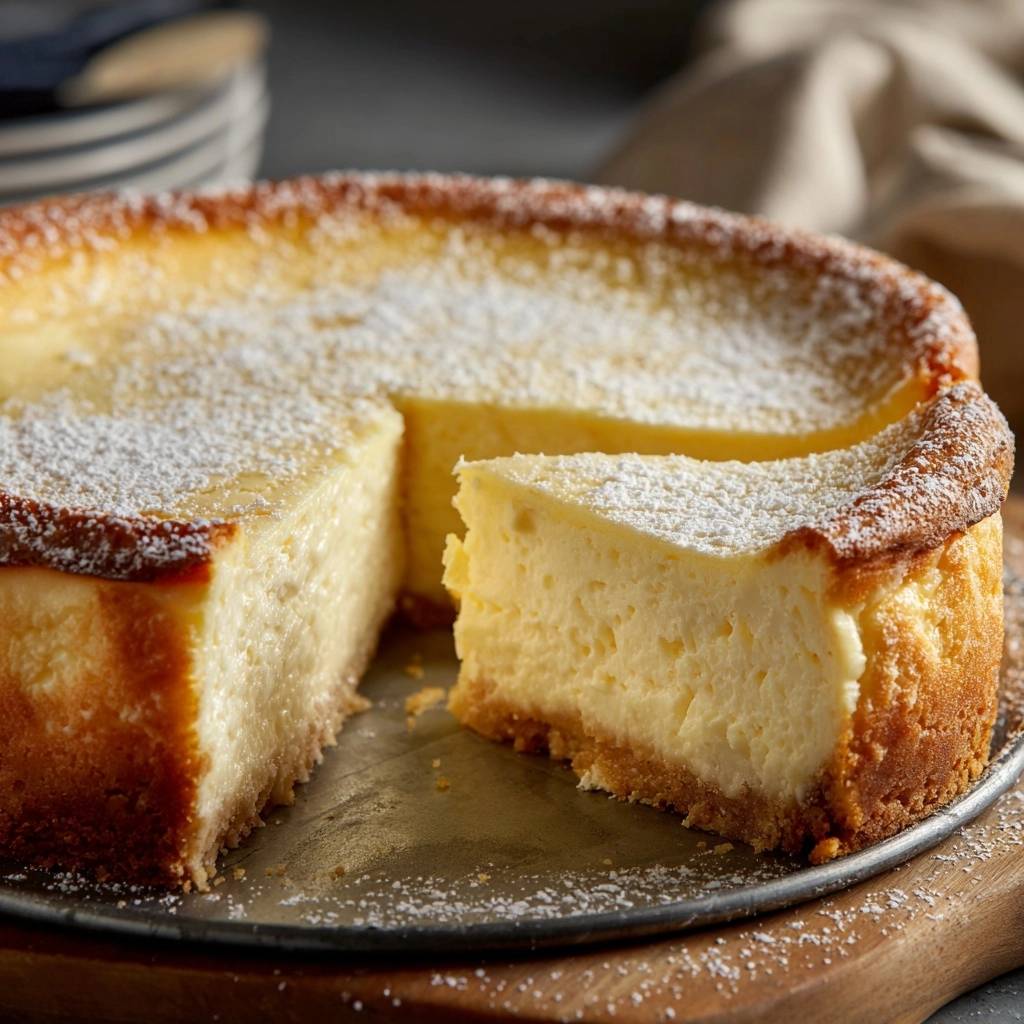
Picture this: you’ve poured your heart into a classic New York cheesecake, only to watch cracks spiderweb across the top as it cools. It happens to everyone at first. But this recipe changes everything with a foolproof water bath and slow cool-down that deliver creamy, crack-free perfection every time.
That’s why this New York-style cheesecake stands out. You get that dense, rich texture without the frustration. No more sunken centers or dry edges.
Here’s the expertise kicker: beat the cream cheese with sugar first on low speed. It creates a smooth base that prevents air bubbles, the main culprit behind those pesky cracks in classic New York cheesecake.
Origins of Classic New York Cheesecake
Junior’s Restaurant Legacy
Junior’s in Brooklyn kicked off the classic New York cheesecake craze back in the 1950s. They built on Lindy’s famous version, which set the standard for that ultra-creamy, towering slice. Unlike lighter European cheesecakes, this one’s dense and indulgent.
Junior’s perfected the balance of cream cheese and a graham cracker crust. Crowds lined up for it. That’s the timeless appeal of classic New York cheesecake.
Evolution from Jewish Delis
Cream cheese hit the scene in 1872, thanks to a New York dairyman. Jewish delis in NYC grabbed it and transformed it into something richer. They added eggs and baked it tall, creating that signature dense texture.
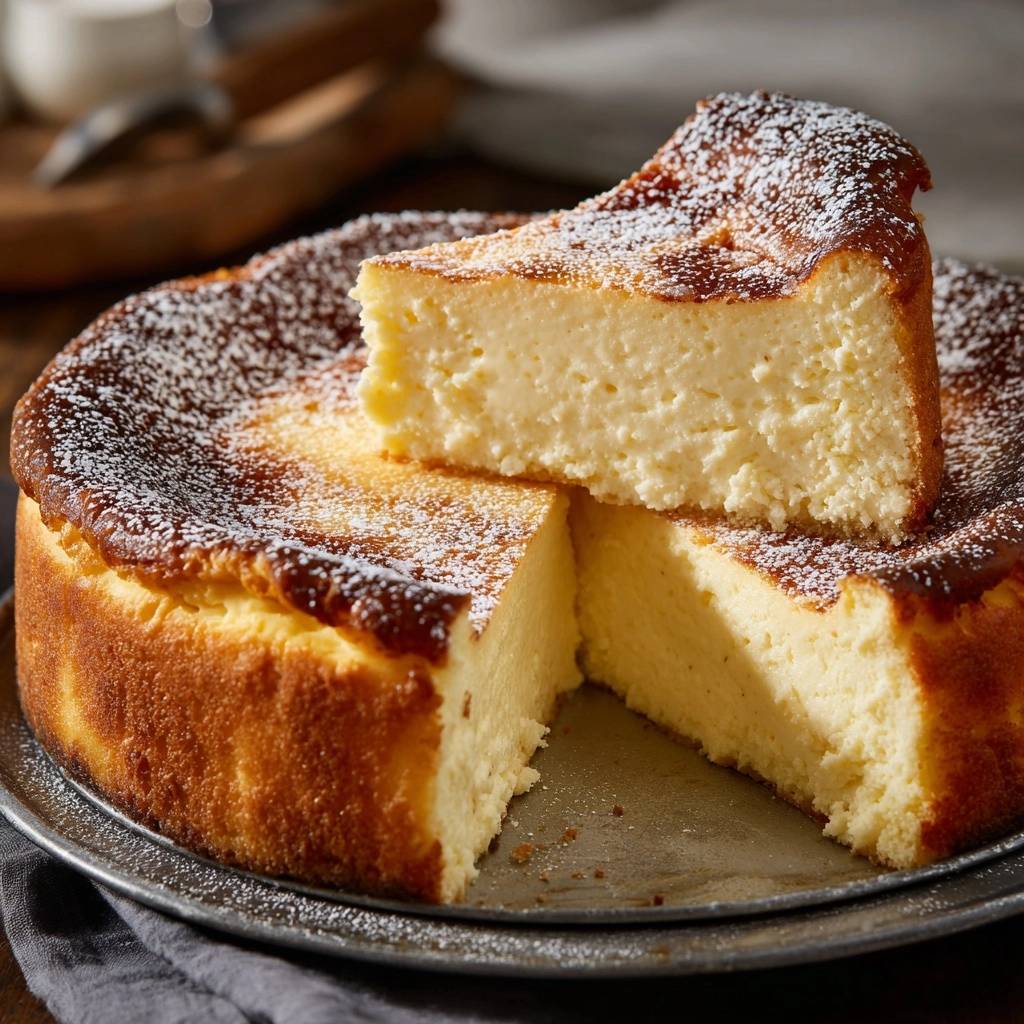
Delis like Lindy’s made classic New York cheesecake a staple. It evolved from simple cheese tarts into the decadent dessert we crave today.
Gathering Ingredients for New York Cheesecake
Graham Cracker Crust Components
You’ll need 2 cups graham cracker crumbs, 1/2 cup melted unsalted butter, and 1/4 cup granulated sugar for the crust. Unsalted butter keeps it from getting soggy; the salt in regular can make it weep.
No graham crackers? Try digestive biscuits, crushed fine. They give a similar sweet crunch. Press it firm for a base that holds up to the filling.
Creamy Filling Breakdown
Grab four 8-ounce packages of softened cream cheese, 1 1/4 cups granulated sugar, 4 large eggs, 1 cup sour cream, 2 teaspoons vanilla extract, and 1/4 cup all-purpose flour. Room-temp cream cheese beats smooth without lumps, so it emulsifies perfectly.
Sour cream adds tang and creaminess; eggs provide structure. The flour stabilizes everything, preventing cracks. Don’t skip it.
Pro tip: pull everything out to room temp an hour ahead. It ensures even mixing and that velvety New York cheesecake texture.
Simple Finishing Touch
Just 2 tablespoons powdered sugar for dusting. It adds a sweet contrast without overwhelming the richness. Sift it on right before serving for even coverage.
Want more? A quick berry coulis works great. But plain keeps it classic.
Essential Tools for Flawless Results
Springform Pan Fundamentals
A 9-inch springform pan is key for classic New York cheesecake pan prep. It releases cleanly, but water can seep in. Wrap it tightly in heavy-duty foil, triple layers if needed.
Test by submerging in water first. No leaks? You’re set. Silicone wraps are a handy alternative.
Water Bath Roasting Setup
Use a large roasting pan. Fill it halfway up the springform sides with hot water, around 180°F if you check with a thermometer. It creates steam for even baking.
Place it on the oven rack carefully to avoid splashes. Safety first: oven mitts on.
Mixing Gear Precision
A stand mixer with paddle attachment beats best. It minimizes air incorporation. Hand mixers work too, but go low speed.
Scrape the bowl often. Smooth batter means no cracks.
Science of Crack-Free Baking
Water Bath Even Heat
The water bath steams the classic New York cheesecake, adding humidity that keeps the top from drying out and cracking. Dry ovens bake unevenly; steam gives gentle, even heat.
After 60 minutes, the edges set firm while the center jiggles like Jell-O in a 2-3 inch circle. That’s your New York cheesecake science cue it’s done. Pull it early, and it won’t firm up right.
Gradual Cooling Mechanism
Turn off the oven, crack the door, and let it cool inside for an hour. This gradual drop avoids thermal shock that causes sinking or cracks. Sour cream and flour help stabilize the structure chemically.
Sudden fridge chills contract the filling too fast. Patience here locks in creaminess.
Building the Graham Cracker Base
Precise Crust Mixing
Mix 2 cups crumbs, 1/2 cup melted butter, and 1/4 cup sugar until it looks like wet sand. Press it firmly into the pan bottom and 1 inch up the sides. It should hold shape when pressed.
Use the bottom of a glass for even packing. Firm crust supports the heavy filling.
Blind Baking Step
Bake at 325°F for 10 minutes. It sets the structure against the filling’s weight. Cool 10 minutes; it’ll firm more.
Don’t overbake, or it burns. Smell for toasty graham notes.
Mastering the Silky Filling
Cream Cheese Beating Technique
Beat softened cream cheese with sugar on low until creamy, about 2 minutes. High speed whips in air, leading to cracks in your classic New York cheesecake filling. Scrape sides well.
It’ll look glossy and smooth. That’s your smooth base.
Egg Incorporation Method
Add eggs one at a time, beating just until blended, maybe 30 seconds each. Overmixing traps air bubbles that puff up then collapse. Low and slow wins.
Batter thickens slightly. Perfect.
Folding in Final Add-Ins
Mix in sour cream, vanilla, and flour on low until combined. Flour thickens without graininess; sour cream cuts richness. Don’t overdo it.
Taste if you dare; it’ll be irresistible raw.
Water Bath Baking Process
Pan Placement and Pouring
Pour filling into the crust. Set the foil-wrapped springform in the roasting pan. Add hot water to halfway up the sides after it’s in the oven to avoid spills.
Water steams gently. No peeking mid-bake.
60-Minute Bake Monitoring
Bake 60 minutes at 325°F. Edges puff and set; center jiggles. Rotate halfway if your oven heats unevenly.
Pro tip: a slight golden hue means it’s ready. Resist opening the door.
Slow Cool-Down and Chilling
Oven Crack-Door Hour
Turn off oven, prop door open with a spoon. Cool inside 1 hour. Gradual temp drop keeps the texture creamy and tall.
You’ll smell vanilla heaven. Patience pays off.
Room Temp to Fridge Transition
Remove from water bath, cool to room temp. Chill 4 hours or overnight. Run a knife around the edge before releasing the springform.
Overnight firms it perfectly for slicing.
Unmolding and Serving Classic New York Cheesecake
Perfect Slice Execution
Release the ring, dust with powdered sugar. Dip knife in hot water for clean slices. Wipe between cuts.
Each bite’s creamy with crunchy crust. Divine.
Storage for Peak Freshness
Cover and fridge up to 5 days. For freezing, wrap slices airtight; lasts 2 months. Thaw in fridge overnight.
Don’t freeze the whole thing; portions thaw better.
Avoiding New York Cheesecake Pitfalls
Overbeating Air Traps
Too much beating incorporates air that expands in the oven then deflates, cracking the top. Stick to low speed, brief mixes. Scrape often for evenness.
Your batter stays dense. No drama.
Water Bath Leaks
Leaks make a soggy crust. Use triple heavy-duty foil layers, folded tight. Submerge-test pre-fill.
If water sneaks in, dry crust in low oven next time.
Rapid Cooling Sinks
Fridge shock contracts the center fast, causing sinks. Always oven-cool first, then room temp. Follow the protocol.
Structure holds firm.
Flavor Twists on New York Cheesecake
Lemon Zest Infusion
Add 1 tablespoon fresh lemon zest to the filling batter. It brightens the richness with citrus pop. Mix it in with the vanilla.
Balances perfectly. Fresh twist.
Chocolate Swirl Layers
Melt 4 ounces dark chocolate, dollop on batter, swirl gently. Bake as usual. Rich pockets surprise each bite.
Don’t over-swirl; keep ribbons.
Pairing Ideas for Cheesecake
Berry Compote Complements
Simmer strawberries or blueberries with a bit of sugar until thick. Tart berries cut the creaminess beautifully. Spoon over slices.
Fresh contrast every time.
Coffee or Tea Matches
Bold roast coffee slices through the richness. Herbal teas like chamomile lighten it up. Perfect duo.
Sip slow, savor deep.
Classic New York Cheesecake FAQ
Why Use Water Bath?
The water bath creates steam for even, gentle heat, preventing the top from drying and cracking. It mimics a convection oven’s humidity. Skip it, and cracks form from uneven baking.
Can I Skip Flour?
No, the 1/4 cup flour stabilizes the proteins, preventing cracks and sinking. Substitute 3 tablespoons cornstarch if needed. It thickens similarly without altering taste.
Freezer-Safe?
Yes, freeze slices wrapped tightly in plastic then foil for up to 2 months. Thaw in the fridge overnight. Whole cake freezes okay but slices portion better.
Gluten-Free Adaptation?
Swap graham crumbs for gluten-free versions and use 1:1 gluten-free flour. Texture stays dense and creamy. Crust might be slightly softer, but it holds up fine.
Why Sour Cream?
Sour cream adds tangy creaminess and helps with structure. It tenderizes the filling. Greek yogurt works as a sub for similar tang with less fat.
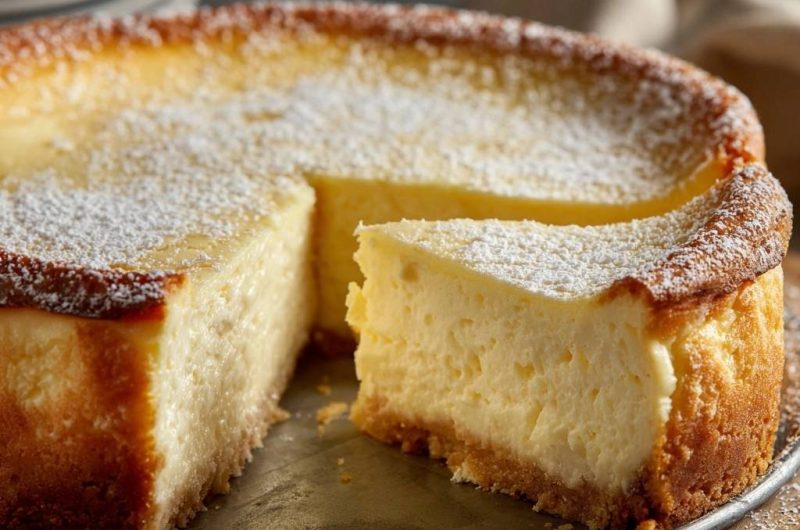
Classic New York Cheesecake
Course: DessertCuisine: AmericanDifficulty: easy12
servings30
minutes1
hour10
minutes360
Minutes450
kcalAmerican
Ingredients
Crust:
2 cups graham cracker crumbs
1/2 cup unsalted butter, melted
1/4 cup granulated sugar
Filling:
4 (8-oz) packages cream cheese, softened
1 1/4 cups granulated sugar
4 large eggs
1 cup sour cream
2 tsp vanilla extract
1/4 cup all-purpose flour
Topping:
2 tbsp powdered sugar, for dusting
Directions
- Preheat oven to 325°F. Wrap a 9-inch springform pan tightly in heavy-duty foil to make it waterproof.
- Mix graham cracker crumbs, melted butter, and sugar. Press firmly into bottom and 1 inch up sides of pan. Bake 10 minutes. Cool 10 minutes.
- Beat cream cheese and sugar until smooth. Add eggs one at a time, beating just until blended (overbeating causes cracks). Mix in sour cream, vanilla, and flour until smooth.
- Pour filling into crust. Place pan in a large roasting pan. Fill roasting pan halfway with hot water (the water bath steams the cheesecake for even, gentle baking that stops cracks from forming). Bake 60 minutes until edges are set but center jiggles slightly.
- Turn off oven. Crack door open and cool cheesecake inside 1 hour (gradual cooling locks in perfect texture, no sinking or cracks). Remove from water bath, cool to room temp, then chill 4 hours or overnight.
- Run knife around edge, release springform. Dust with powdered sugar. Slice and serve. Store covered in fridge up to 5 days.
Notes
- Store covered in fridge up to 5 days. Overbeating eggs can cause cracks, so mix just until blended.