
Ever pull classic peanut butter cookies from the oven only to find sad, flat puddles staring back? You know the drill: they spread too much, lose that thick shape, and end up greasy instead of chewy. This recipe fixes it all with one easy step that takes just 30 minutes of your time.
Here’s why it works so well. Peanut butter’s natural oils melt fast at room temperature, causing the dough to ooze everywhere during baking. But chilling firms those fats right up, so your cookies bake thick, with crispy edges and a soft center that stacks perfectly.
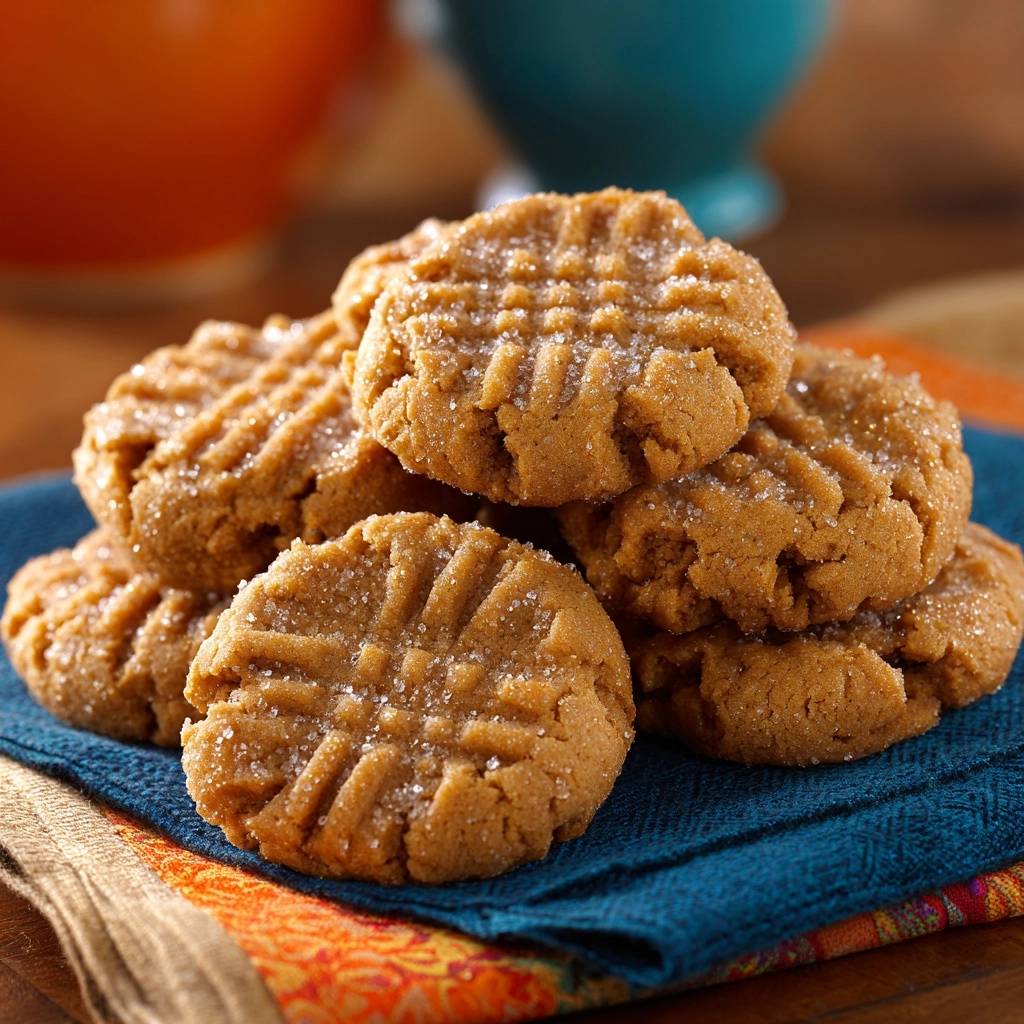
The real secret lies in pressing the ridges before chilling. That fork criss-cross locks in the shape while the dough’s still soft, then the fridge seals the deal. You’ll get no-spread peanut butter cookies every time, no fancy equipment needed.
Why Chilling Transforms Classic Peanut Butter Cookies
Peanut butter fats behave differently than butter in cookies. They have a low melting point, so at room temp, they turn liquid quick and make dough spread wildly. Chilling drops the temp enough to solidify those oils without freezing the whole thing.
Picture this: unchilled cookies flatten to paper-thin disks, greasy and uneven. Chilled ones hold their 2-inch height, baking into perfect peanut butter cookies with even browning. Plus, skipping flour and butter keeps the pure PB chew you crave.
In addition, this no-flour approach means less drying out. The egg and sugar bind everything tight, so you get that classic texture boost from the chill alone.
Peanut Butter Fat Science Explained
Peanut oil melts around 95°F, way lower than butter’s 115°F or so. Your kitchen hits that easy, so dough relaxes and spreads. Fridge at 32-40°F firms it solid in 30 minutes.
Therefore, the dough goes from sticky-soft to firm-but-yieldy. No ice crystals form, unlike freezing, which ruins the smooth chew. Simple kitchen chemistry delivers perfect results.
No-Flour Dough: Crisp Outside, Chewy Core
The egg acts as the glue here, binding peanut butter and sugar without flour’s dryness. Sugar draws moisture to the edges for crispness, while the core stays tender.
Flour-heavy recipes often turn tough or cakey. This skips that, focusing on PB’s natural richness for the chewiest classic peanut butter cookies.
Core Ingredients for Foolproof Peanut Butter Cookies
Start with 1 cup creamy peanut butter; it mixes smooth and chills evenly. Skip chunky for now, as bits disrupt the uniform shape. Natural PB works if stirred well, but stabilized kinds like Jif hold oil better during bake.
Next, 1 cup granulated sugar sweetens and crisps edges via quick caramelization. One large egg binds it all, adding lift without toughness. Finally, 1/4 cup extra sugar for rolling gives that sparkly, crunchy coat.
No buttermilk or fancy add-ins needed. If you’re out of PB, almond butter subs fine, but expect a nuttier twist. Fresh eggs at room temp emulsify best, avoiding lumps.
Choosing the Right Creamy Peanut Butter
Processed PB with stabilizers, like Jif, resists oil separation best. Natural PB separates, so mix thoroughly first or it turns oily post-chill. Both yield great chew, but stabilized wins for ease.
Sugar’s Dual Role in Texture and Coating
Granulated sugar, not brown, creates crackly tops as it melts evenly. Roll balls generously in the 1/4 cup for crunch that contrasts the soft inside. Too little, and edges stay dull.
Step-by-Step: Mixing Classic Peanut Butter Cookie Dough
Grab a medium bowl and your hand mixer. Beat 1 cup peanut butter, 1 cup sugar, and the egg on medium for 2 minutes. It starts crumbly but turns glossy smooth, pulling from the bowl sides.
Room-temp egg helps it emulsify fast. Overmixing makes it tough, so stop when it’s uniform. Sticky? That’s normal; it firms later.
Achieving Smooth, Sticky Dough Base
Mix at medium speed to avoid splashing. After 2 minutes, it’ll look shiny and hold shape when scooped. If lumpy, your PB or egg was cold; beat 30 seconds more.
Shaping and Fork-Pressing Peanut Butter Cookie Balls
Scoop tablespoon-sized balls, about 1 inch across. Roll smooth between palms; they feel tacky but shape easy. Coat thick in the 1/4 cup sugar, shaking off excess.
Space 2 inches apart on parchment-lined sheets. Press gently with a fork twice, criss-cross, to 1/2-inch thick. Ridges form now, before chilling sets them permanent.
Pro tip: lightly flour the fork to prevent sticking. This venting lets steam escape for even chew.
Perfect Ball Size for Even Baking
1-inch balls bake to 2.5-inch cookies, chilling uniformly. Bigger ones spread uneven despite chill. Use a #50 scoop for speed and precision.
Fork Technique for Iconic Ridged Tops
Press straight down with light force; deep squishes make dense cookies. Ridges channel steam, boosting chew. Wipe fork sugar between presses.
Chilling Guide: The Key to No-Spread Peanut Butter Cookies
Loosely cover trays with plastic wrap. Chill exactly 30 minutes on a fridge shelf. Dough firms to touch but dents slightly, perfect for baking.
Don’t skip or shorten; oils need time to solidify. Freezer? No, ice crystals make texture grainy. Multi-tray? Rotate spots for even chill.
Timing and Tray Setup Details
Parchment prevents sticking and easy release. Set timer; 30 minutes max keeps dough scoopable. Stack trays if space tight, but air flow matters.
Baking Classic Peanut Butter Cookies to Golden Perfection
Preheat to 350°F. Bake one tray middle rack, 9-11 minutes. Edges turn golden, centers look set but soft; they’ll firm on cooling.
Cool 5 minutes on sheet to avoid breakage, then rack. Airflow crisps bottoms. Yields about 24 thick no-spread peanut butter cookies.
Pro tip: rotate tray halfway if your oven runs hot. Store airtight up to 5 days; they stay chewy.
Oven Positioning and Rotation Tips
Middle rack ensures even heat; convection? Drop to 325°F and check at 8 minutes. Single tray avoids steam buildup for crisp edges.
Cooling Process for Ultimate Chew
Sheet cooling sets shape without cracking. Rack dries bottoms in 30 minutes, evolving from soft to perfect chew. Don’t rush to airtight.
Science of Crisp Edges and Chewy Centers
Sugar coating triggers Maillard reaction fast at edges for gold crisp. Inside, egg proteins set gently around PB oils for chew.
Chilling slows melt, so heat penetrates evenly. High sugar lowers moisture, boosting browning without burning. Result: texture contrast in every bite.
Avoiding Common Mistakes in Peanut Butter Cookies
Top error: no chill means flat, greasy messes. Overpress flattens pre-bake; use light touch. Hot oven over 350°F dries them hard.
Wrong PB? Oily natural without stirring spreads. Fixes: always chill, press shallow, time precisely. You’ll nail perfect peanut butter cookies.
Fixing Over-Spread or Dense Results
Spread? Chill longer next time, check dough temp below 50°F. Dense? Ease up on fork; bake 1 minute less. Test one cookie first.
Flavor Variations for Classic Peanut Butter Cookies
Stir in 1/4 cup chocolate chips post-mix for melty pockets. Sea salt flakes post-press add savoriness. Honey swirl? Drizzle before chill.
Espresso powder, 1 tsp, deepens flavor without spread. Crunchy PB amps texture. Keep add-ins light to preserve chew.
Simple Add-Ins Without Ruining Texture
Max 1/4 cup; fold after smooth dough stage. Press chips in post-fork for even bake. Coconut sugar swap keeps it classic but softer.
Storage and Make-Ahead Peanut Butter Cookie Strategies
Chill dough balls 3 days fridge, bake fresh. Freeze shaped balls 3 months; add 2 minutes bake time from frozen. Baked cookies room temp airtight 5 days.
Freeze baked up to 2 months; thaw at room temp. Revive crispness with 2 minutes 300°F oven. Pro tip: layer parchment in bags.
Pairing Ideas for Classic Peanut Butter Cookies
Cold milk cuts richness perfect. Hot coffee or tea warms the nutty vibe. Make ice cream sandwiches for decadence.
Slice apples alongside for tart crunch. On cheese boards, they balance sharp cheddar. Protein-packed snack anytime.
Troubleshooting Peanut Butter Cookie Issues
How do I store leftover classic peanut butter cookies?
Keep baked cookies in an airtight container at room temperature for up to 5 days; they’ll stay chewy thanks to the sugar coating. For longer, freeze in a single layer first, then bag up to 2 months. Thaw on counter; re-crisp in 300°F oven 2 minutes if needed. Dough balls freeze best for 3 months, baking straight from freezer with +2 minutes time.
Why did my peanut butter cookies spread flat?
No chill is the usual culprit; peanut oils melt fast without it, turning cookies into puddles. Always fridge 30 minutes post-pressing. Check dough temp under 50°F before baking. If still spreading, your PB was extra oily, or oven too low/hot, so adjust to exact 350°F next batch.
Can I substitute ingredients in this peanut butter cookie recipe?
Swap creamy PB for almond or sunflower butter 1:1, but stir natural well to avoid oil pools. No eggs? Mix 3 tbsp aquafaba or 1 tbsp ground flax + 3 tbsp water. Granulated sugar swap to coconut sugar works, but expect softer centers. Avoid chunky PB here for smooth dough.
Why are my cookies too crumbly or dry?
Old PB loses moisture, or overbaking dries the egg proteins. Use fresh PB, pull at 9 minutes when centers soft. Underbeat dough? It’ll lack binding. Next time, mix exactly 2 minutes till glossy. Store airtight immediately after full cool.
How do I get the perfect chewy texture?
Chill prevents over-spread for even bake, edges crisp via sugar roll, center chewy from soft pull. Cool 5 minutes on sheet first; skipping breaks them and toughens. Don’t overpress fork deeper than 1/2 inch, or steam traps make dense bites.
Why are the tops pale on my peanut butter cookies?
Not enough sugar roll; coat generously for Maillard browning. Oven rack too low blocks heat, so use middle. Low sugar in dough? Measure precisely. Boost with light butter brush pre-bake if needed, but chill first.

Classic Peanut Butter Cookies
Course: DessertCuisine: AmericanDifficulty: easy20
cookies15
minutes10
minutes55
Minutes150
kcalAmerican
Ingredients
1 cup creamy peanut butter
1 cup granulated sugar
1 large egg
1/4 cup granulated sugar (for rolling)
Directions
- In a medium bowl, beat peanut butter, 1 cup sugar, and egg with a hand mixer until smooth and fully combined, about 2 minutes. The dough will be sticky but come together easily.
- Scoop tablespoon-sized balls (about 1 inch diameter) and roll them between your palms to smooth. Roll each ball in the 1/4 cup sugar to coat generously. Place on parchment-lined baking sheets, spacing 2 inches apart.
- Gently press each ball with a fork twice in a criss-cross pattern to flatten slightly and create ridges. This sets the perfect shape before chilling.
- Cover trays loosely with plastic wrap and chill in the fridge for 30 minutes. This is the key fix: chilling solidifies the peanut butter oils, preventing spread during baking for thick, stackable cookies that hold their form.
- Preheat oven to 350 degrees F. Bake one tray at a time for 9 to 11 minutes, until edges are golden and centers are set but still soft. Theyll firm up as they cool.
- Cool on the baking sheet for 5 minutes, then transfer to a wire rack. Store in an airtight container for up to 5 days. Enjoy the perfect chew!
Notes
- Chilling the dough for 30 minutes is the key to preventing spreading and achieving thick, stackable cookies. Store in an airtight container for up to 5 days.