
Ever pulled crispy cheesy potato nests from the oven only to watch them collapse into a soggy mess right before your guests dig in? You know the frustration, those flimsy cups that can’t hold their shape and leave cheese oozing everywhere. But this recipe changes everything with one game-changing move.
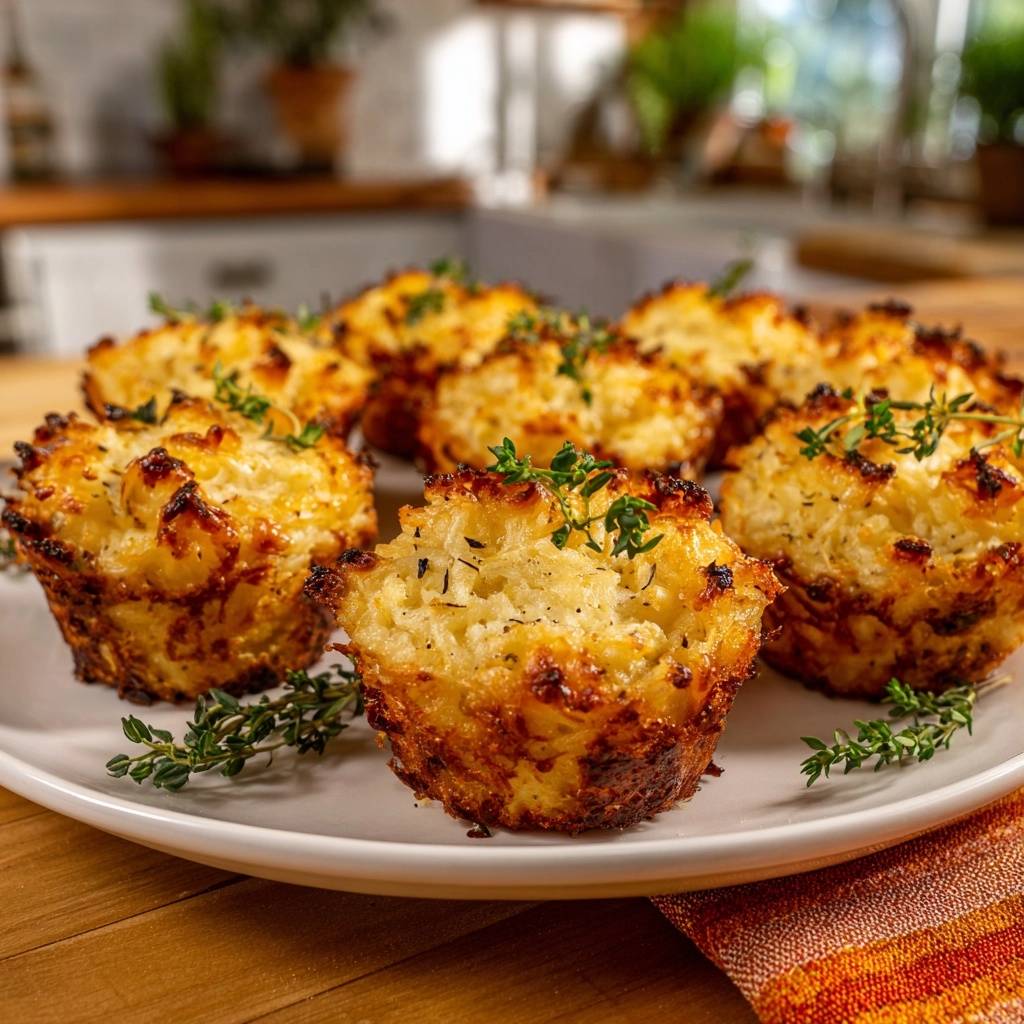
Therefore, you get sturdy, golden potato nests that cradle molten cheddar perfectly. No more mushy disasters at dinner parties. Instead, picture that first bite: crisp, salty edges shattering against gooey, stretchy cheese that pulls apart just right.
Here’s the proof it works. The secret lies in squeezing every last drop of moisture from the shredded potatoes using a kitchen towel. Do that, and your crispy cheesy potato nests stay intact, delivering crunch you can count on every time.
Why Moisture Control Defines Crispy Cheesy Potato Nests
Starch Removal Through Rinsing
Potato starch turns your crispy cheesy potato nests gummy if you skip this step. So, after shredding peeled russets, rinse them under cold water. Swirl for 30 seconds until the water runs clear; this washes away excess starch that causes stickiness.
In addition, russets shine here because they hold low moisture naturally. Compare that to Yukon Golds, which release more water and lead to softer results. You’ll notice the shreds feel lighter and less slimy right away.
The Towel-Twist Squeeze Technique
Now grab a clean kitchen towel or cheesecloth. Dump in the rinsed shreds, gather the edges, and twist over the sink like you’re wringing out a sponge. Keep going until no drips fall; this pressure beats gravity every time and removes hidden moisture.
Half-hearted squeezes spell trouble, so go hard, you’ll extract a full cup of liquid sometimes. Pro tip: use a sharp shredder blade for even pieces that crisp uniformly. Suddenly, your mix feels dry and ready to form perfect nests.
Essential Components for Sturdy Potato Nests
Selecting Russet Potatoes for Texture
Pick 4 medium russets for these crispy cheesy potato nests; their high starch binds everything without sogginess. Low water content means better crispiness too. Peel smoothly to dodge any green tinges that taste bitter.
That yields enough for 8 nests, about 1/2 cup per cup. Avoid Yukon Golds here; they steam more and weaken structure. Fresh ones grate easiest and deliver the best bite.
Cheddar Cheese Quantities and Melt Factors
Divide 1 1/2 cups shredded cheddar: mix 1/2 cup into potatoes for flavor throughout, then top with 1 cup. Sharp cheddar melts slower but packs punch; mild goes gooier faster. Butter adds richness and prevents sticking.
Salt at 1 teaspoon and pepper at 1/2 teaspoon balance it all. Finally, fresh thyme sprigs garnish for an earthy pop that lifts the cheese without overpowering.
Equipment Choices for Perfect Crispy Cheesy Potato Nests
Preheating the Muffin Tin Method
Crank your oven to 425°F and brush a metal muffin tin generously with 2 tablespoons melted butter. Shove it in for 5 minutes; that hot fat creates an instant sear on the potato edges. Silicone tins work too but metal crisps better.
This step stops sticking cold. Use a silicone brush if you hate scrubbing; it spreads evenly without waste.
Shredding and Draining Tools
A box grater or food processor makes uniform shreds key for even baking in crispy cheesy potato nests. Kitchen towels absorb best over cheesecloth, which can tear. An offset spoon pops nests out gently.
Always grab oven mitts for the scorching tin. These picks make the process foolproof and fast.
Science of Crispy Cheesy Potato Nests Crispiness
Maillard Reaction on Potato Edges
At 425°F, the Maillard reaction kicks in on dry potato edges, where amino acids meet sugars for that golden brown. Moisture kills it, so your squeeze ensures deep flavor and crunch. Bake the base 15 minutes until edges crisp up firm.
Without dryness, you’d get pale, limp nests instead. This timing builds structure before cheese goes in.
Cheese Melting Dynamics in Nests
After the base bakes, add cheese and go 8-10 more minutes. Heat emulsifies cheddar fats into bubbles without scorching. Then cool 5 minutes; this sets the potato walls solid.
Skip the rest, and nests flop when you lift them. Perfect for that ideal melt.
Building Crispy Cheesy Potato Nests Step-by-Step
Prep and Drain Shredded Potatoes
Peel and shred 4 russets. Rinse until clear, then towel-squeeze dry; no drips means success. Mix with 1/2 cup cheddar, salt, and pepper; it should feel tacky, not wet.
Pull the hot tin. Divide into 8 cups, pressing 1/4-inch thick up sides and bottom. Firm pressure molds sturdy nests; thin spots collapse later.
Bake Base, Add Cheese, Finish
Bake 15 minutes; look for golden, crispy edges pulling from the tin. Sprinkle 1 cup cheese in centers; it sinks perfectly into the cups. Back in for 8-10 minutes until bubbly and molten.
Cool 5 minutes, then spoon out gently. Garnish with thyme; serve hot for maximum crunch against oozy cheese. Oh man, that contrast hits every time.
Avoiding Pitfalls in Potato Nest Making
Skipping the Squeeze Disaster
Excess moisture means collapsing nests and soggy bottoms; cheese pools out. Always double-squeeze, even if it feels dry. Pack firmer next time too.
Oven Temp and Timing Errors
Low temp leaves nests pale and soft. Overbake cheese, and it toughens. Check at 15 minutes; rotate batches for even heat in full tins.
Flavor Twists on Cheesy Potato Nests
Herb and Spice Nest Variations
Swap thyme for rosemary or parsley on top. Mix in garlic powder or paprika for smoke. For vegan, use nutritional yeast in the base and plant-based cheese; it crisps the same.
Protein Fillings Beyond Cheese
Add bacon bits or fried eggs post-bake. Toss in diced veggies like peppers. Keep fillings light to preserve that crunch-to-soft ratio.
Pairing Sides with Crispy Cheesy Potato Nests
Fresh Salads for Contrast
Arugula with lemon vinaigrette slices through the richness. Or cucumber-tomato salad refreshes. Plan 2 nests per person for 4 servings.
Protein Mains That Complement
Grilled chicken or fish pairs great; roasted veggies keep it veggie-forward. These shine as apps or sides. Reheat in a hot skillet to revive crisp.
Storage Strategies for Potato Nests
Make-Ahead and Reheating Guide
Assemble unfilled nests and fridge up to 1 day; bake fresh. Freeze baked ones up to 1 month in a single layer, then bag. Reheat in a 425°F oven or air fryer 5 minutes for snap-back crunch.
Troubleshooting Crispy Cheesy Potato Nests
Nests Sticking to Tin Fixes
Brush more butter and preheat longer. Pop with a spoon gently. They collapse from moisture, so squeeze harder.
Cheese Not Melting Evenly
Shred fresh; pre-shredded has starch blockers. Rack in middle. Other cheeses like mozzarella blend smooth too.
Scaling for Larger Batches
Double for 16 nests; use two tins and rotate. Freezer-safe up to 1 month. Naturally gluten-free.
FAQ
How do I store leftover crispy cheesy potato nests?
Keep them in an airtight container in the fridge for up to 3 days; the crisp holds decently. For longer, freeze baked nests on a sheet then transfer to a bag for up to 1 month. Reheat at 425°F for 5-7 minutes or air fry at 400°F for 4 minutes to restore crunch; avoid microwaves, they steam and sog.
Why did my potato nests collapse or turn soggy?
Most likely, you didn’t squeeze out enough moisture after rinsing; starch and water make them steamy inside. Twist the towel tighter next time until bone-dry, no drips at all. Also, press firmly 1/4-inch thick up the sides; thin walls cave under cheese weight.
Can I substitute ingredients in crispy cheesy potato nests?
Yes, swap russets for other high-starch potatoes but avoid waxy ones like reds. Use plant-based cheddar for vegan; it melts similarly if shredded fresh. No russets? Try equal sweet potatoes, but squeeze extra as they’re wetter. Skip butter with oil for dairy-free tins.
What’s the best way to reheat crispy cheesy potato nests without losing crunch?
Oven at 425°F on a wire rack for 5-7 minutes works best; it crisps edges again. Air fryer at 400°F for 4 minutes is quicker for small batches. Let them cool fully before storing to prevent steaming in containers.
Can I make crispy cheesy potato nests ahead for a party?
Absolutely, assemble unfilled nests, cover, and fridge up to 24 hours. Bake fresh right before serving. Or fully bake, cool, freeze, and reheat as above; they hold shape great for crowds of 8-16.
Why preheat the muffin tin with butter?
The hot butter sears the potatoes on contact, locking in crisp edges and preventing any stick. Without it, moisture releases and glues them down. Metal tins excel here over silicone for that sizzle effect.

Crispy Cheesy Potato Nests
Course: Side DishCuisine: AmericanDifficulty: easy8
nests20
minutes30
minutes50
Minutes220
kcalAmerican
Ingredients
4 medium russet potatoes, peeled and shredded
1 1/2 cups shredded cheddar cheese, divided
2 tablespoons melted butter
1 teaspoon salt
1/2 teaspoon black pepper
Fresh thyme sprigs for garnish
Directions
- Preheat oven to 425 degrees F. Generously brush a muffin tin with melted butter and place in the oven for 5 minutes to heat up.
- Place shredded potatoes in a clean kitchen towel or cheesecloth. Rinse under cold water until water runs clear to remove excess starch. Gather the towel and squeeze out as much moisture as possible over the sink, twisting tightly until no water drips out. This is the key step that prevents sogginess and ensures crispy, sturdy nests every time.
- In a bowl, mix drained shredded potatoes with 1/2 cup cheddar cheese, salt, and pepper.
- Remove hot muffin tin from oven. Divide potato mixture evenly into 8 cups, pressing firmly up the sides and bottom to form nests about 1/4-inch thick.
- Bake for 15 minutes until edges are golden and crispy.
- Sprinkle remaining 1 cup cheese into the center of each nest. Bake 8-10 more minutes until cheese melts and bubbles.
- Cool in tin for 5 minutes, then gently remove with a spoon. Garnish with fresh thyme sprigs. Serve hot for the perfect crunch-to-cheese ratio.
Notes
- The key step is squeezing out ALL moisture from the shredded potatoes using a kitchen towel – this prevents sogginess and ensures crispy, sturdy nests every time. Russet potatoes work best for texture.