Homemade beignets from cafes often leave you with greasy, heavy bites that disappoint. However, this foolproof method nails crisp exteriors and fluffy centers every time, without a hint of oiliness. You’ll get 24 to 30 golden nuggets ready in 30 minutes active time plus a 1.5-hour rise, turning breakfast or dessert into pure joy.
So why do these work so well? Precise oil temperature at 360 degrees F fries them fast, sealing the outside while steam puffs the inside airy. In addition, proper draining locks in that texture. New Orleans has celebrated beignets since the 1700s, and now you can make cafe-quality at home.
The real secret lies in proofing the yeast until foamy, which kickstarts perfect lift. Therefore, no more flat or soggy results. Get ready to crave these sugared pillows.
Core Ingredients for Fluffy Sugared Beignets
Warm water at 110 degrees F activates the yeast without killing it, while granulated sugar feeds it for strong rise. The egg and whole milk add tenderness, and melted unsalted butter brings richness without weighing down the dough. Therefore, stick to exact measurements to avoid dense bites.
Flour ranges from 3.5 to 4 cups depending on humidity, so you end up with a slightly sticky dough for maximum fluff. Powdered sugar dusts the warm beignets for that signature snowy coat that adheres perfectly. For substitutions, try plant-based milk if needed, but whole milk yields the best results.
Vegetable oil, about 6 cups, handles high heat without smoking. Fresh yeast ensures reliable foam, unlike old packets that fizzle out. These picks make all the difference in light, crisp beignets.
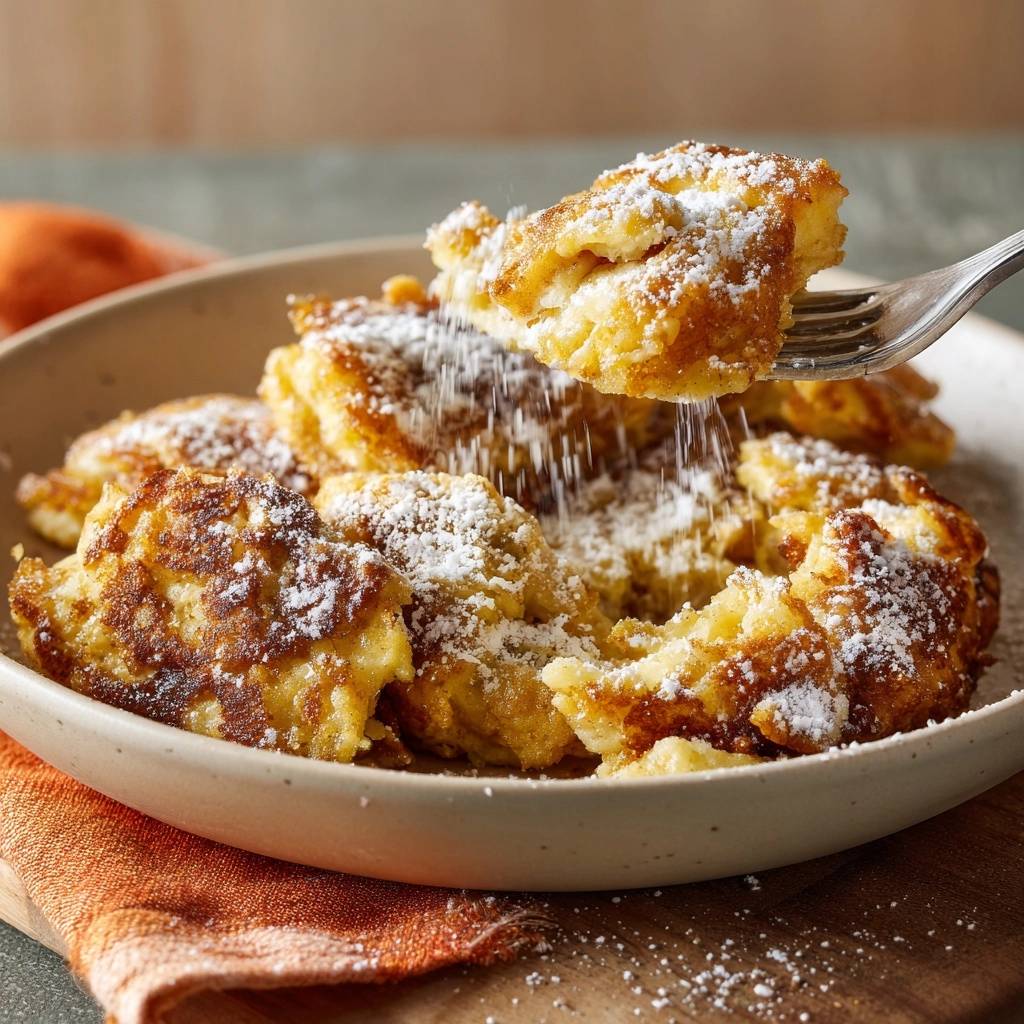
Warm Water and Yeast Activation
Hit exactly 110 degrees F for the sweet spot; too hot kills yeast, too cool slows it. Stir in sugar and yeast, then wait 5 to 10 minutes for foamy bubbles. No foam? Your yeast is dead, so start over with fresh.
This proofing confirms active yeast, promising airy pockets. Therefore, always check before adding other ingredients. Patience here prevents flat dough disasters.
Flour and Dough Hydration Balance
Start with 3 cups flour, adding up to 1 more only as needed for a smooth, slightly sticky ball. Overflouring leads to tough beignets, so err on the sticky side. This balance traps air for fluffiness.
In humid kitchens, you might need less flour. Therefore, knead lightly and trust the tacky feel. It’ll roll out perfectly later.
Science of Yeast Rise in Sugared Beignets
Yeast thrives on sugar and warmth, producing CO2 gas that creates those signature airy pockets. Knead just enough for gluten structure, but limit it to avoid chewiness. The dough doubles in 1 to 1.5 hours in a warm spot, around 75 to 85 degrees F.
Underproofing gives dense results, while overproofing causes collapse when fried. Therefore, poke the dough gently; it should spring back slowly. Room temperature affects timing, so watch volume, not the clock.
Pro tip: Turn on your oven light for a perfect 80-degree proofing box. This consistent warmth speeds reliable rise every time. You’ll smell that yeasty sweetness filling your kitchen.
Gluten Networks for Structure
Knead 4 to 5 minutes max to build elastic gluten networks that hold steam without toughness. Stretch a piece thin for the windowpane test; it should glow without tearing. Stop there for tender bites.
Overkneading tightens gluten too much, turning beignets chewy. Therefore, keep it brief and gentle. Perfect structure means melt-in-your-mouth joy.
Essential Tools for Perfect Beignet Frying
A candy thermometer keeps oil at 360 degrees F precisely, preventing greasy disasters. Use a deep pot or Dutch oven with at least 6 cups oil for even heat and no flipping sogginess. Skip shallow skillets; they cause uneven cooking.
Wire rack over a paper towel-lined baking sheet drains oil fast, while a slotted spoon lifts beignets without breaking. Budget thermometers work fine, but clip-ons beat probe styles for constant reads. These tools guarantee cafe results.
Pro tip: Line your drain setup with extra towels and press gently to blot every drop. Therefore, crisp outsides stay crisp even after cooling slightly.
Candy Thermometer Precision Matters
At 355 to 365 degrees F, the exterior crisps instantly while the inside steams fluffy. Below 350, oil soaks in; above 370, they burn outside while raw inside. Maintain this narrow range between batches.
Visualize it: Right temp fries in 1 to 2 minutes golden. Wrong temp doubles oil absorption. Precision transforms greasy fails into perfection.
Step-by-Step: Proofing Fluffy Sugared Beignets Dough
Stir warm water, sugar, and yeast until dissolved, then let it foam 5 to 10 minutes. Bubbles mean it’s alive and ready. Add beaten egg, milk, melted butter, salt, and 3 cups flour; stir to a shaggy dough.
Knead on a floured surface 4 to 5 minutes, adding flour sparingly for smooth stickiness. Grease a bowl, place dough in, cover with a damp cloth, and set in a warm spot. It’ll double in 1 to 1.5 hours, smelling heavenly sweet.
Don’t skip the damp cloth; it prevents drying skin. Oven with light on creates ideal warmth. Punch down only when doubled for perfect air pockets.
Recognizing Ideal Dough Texture
Look for smooth, elastic dough that pulls into a thin windowpane without tears. It feels slightly tacky, not dry. This signals right hydration for fluff.
If sticky, dust hands with flour during kneading. Therefore, avoid adding more to the board. Test early to nail it.
Step-by-Step: Rolling and Cutting Beignet Squares
Punch down the risen dough and turn onto light flour. Roll to even 1/4-inch thick; thinner crisps more, thicker puffs higher. Cut into 1.5-inch squares with a pizza cutter for uniform frying.
Dust sparingly to prevent sticking, but don’t overflour or dough toughens. Uniform pieces ensure even golden results. Let cut beignets rest 10 minutes if time allows; they relax for easier frying.
Pro tip: Use a bench scraper for clean edges on nuggets. Therefore, they hold shape perfectly in hot oil.
Mastering Oil Temperature for Non-Greasy Beignets
Heat 6 cups vegetable oil to exactly 360 degrees F in your deep pot. Fry 3 to 4 beignets at a time, 1 to 2 minutes per side until deep golden. Even heat seals crisp shells fast, trapping steam inside.
Don’t overcrowd; it drops temp and soaks oil. Flip gently for symmetry. Monitor thermometer constantly, adjusting heat as needed.
The aroma hits sweet and fried perfection mid-fry. Therefore, patience on temp pays off big.
Fry Batch Size and Timing
Small batches keep oil hot, avoiding soggy centers. Fry to deep gold, not pale; flip once midway. Time 1 to 2 minutes total per side.
Larger loads crash temp below 300, causing grease. Therefore, go slow for winners.
Draining and Dusting Sugared Beignets
Lift with slotted spoon to wire rack over towel-lined sheet. Press gently with more towels to blot oil instantly. Let cool slightly so sugar sticks without melting.
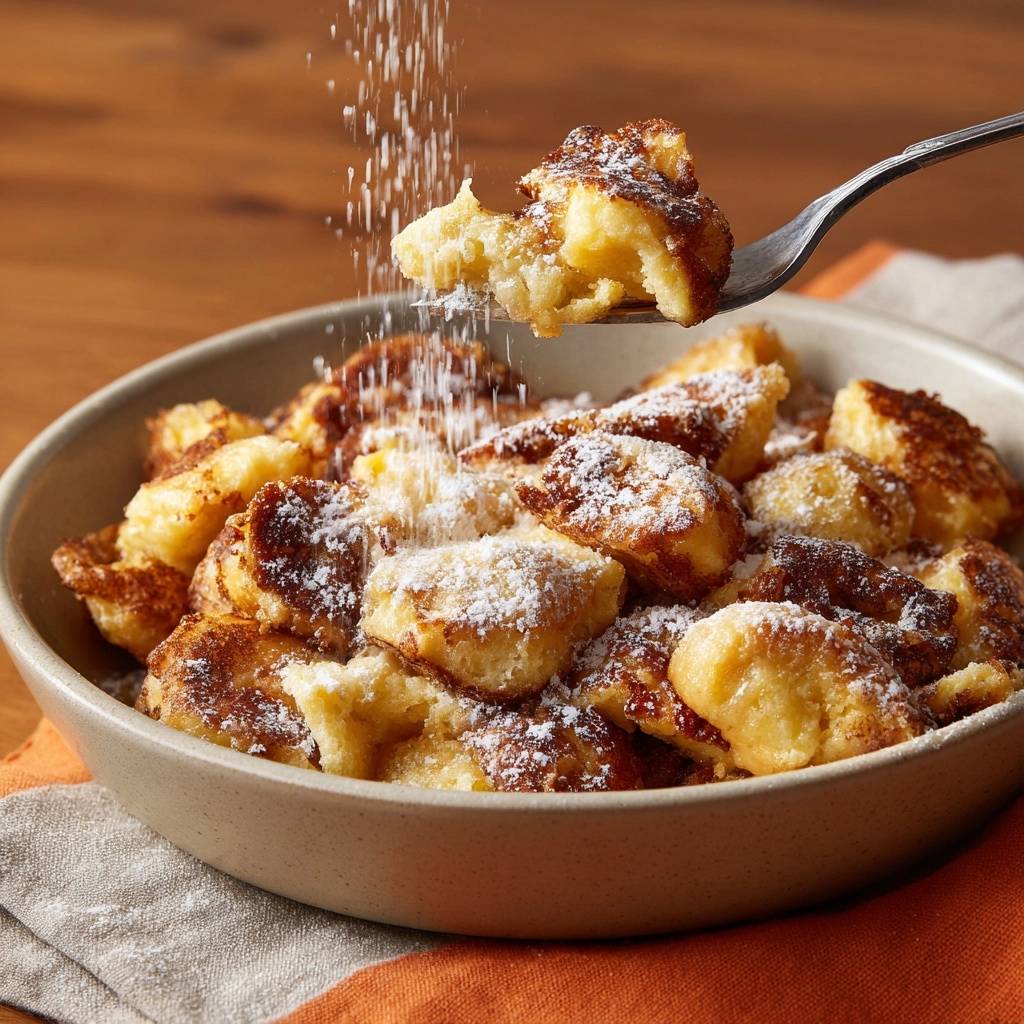
Dust generously with powdered sugar while warm; it melts on lightly for even coat. Serve fresh for that snowy, crisp bite. Reheat leftovers at 350 degrees F for 2 minutes to recrisp.
Pro tip: Shake in a paper bag for fun, even dusting. Therefore, every beignet shines.
Avoiding Common Beignet Texture Pitfalls
Dense beignets? You overkneaded or underproofed; fix with gentle handling and full rise. Greasy ones mean wrong temp or overcrowding, so thermometer up and small batches. Pale color signals low heat; crank it to 360.
Tough texture comes from excess flour; keep dough sticky. For oil reuse, strain and store cooled; use twice max. These tweaks save every batch.
Humidity dries dough fast, so cover while rolling. Therefore, work in a warm kitchen for best lift.
Oil Temperature Fluctuation Fixes
Between batches, temp drops; wait 1 minute to recover to 360. Smoke means too hot, so lower flame. Adjust steadily for consistency.
Clip thermometer away from pot bottom for true reads. Therefore, no guesswork.
History and Origins of Fluffy Sugared Beignets
Beignets trace French roots to Acadians fleeing Canada in the 1700s, landing in New Orleans. They evolved from colonial fritters into sugared squares. Cafe du Monde has served them since 1862, drawing crowds daily.
Mardi Gras celebrates them as a cultural staple, fried fresh with chicory coffee. Today, home cooks adapt the tradition easily. Their simple joy endures.
Originally deeper fried, modern tweaks like precise temp make them lighter. Therefore, anyone can recreate that NOLA magic.
Pairing Ideas for Sugared Beignets
For breakfast, pair with chicory coffee and fresh berries; the tartness cuts sweetness. Add fruit compote for juicy contrast. Herbal teas balance nicely too.
As dessert, dip in chocolate ganache or serve with vanilla ice cream. Keep pairings light to let beignet shine. Non-dairy milks work great alongside.
Pro tip: Berries’ pop enhances the fluffy chew. Therefore, mornings feel festive.
Fluffy Sugared Beignets FAQ
How do I store Fluffy Sugared Beignets and can they be frozen?
Store leftovers in an airtight container up to 1 day at room temp; the sugar softens them slightly. Reheat in a 350 degrees F oven for 2 minutes to recrisp exteriors and revive fluff. Freeze fried beignets up to 1 month in a freezer bag, thaw, and reheat same way; dough freezes better raw for up to 3 months, thaw overnight in fridge before rising.
Why are my beignets greasy and how do I fix it?
Greasy beignets usually mean oil below 350 degrees F, causing slow frying and absorption, or overcrowding that drops temp further. Always use a candy thermometer for 355 to 365 degrees F, fry 3 to 4 max per batch, and drain immediately on wire rack with paper towels, pressing gently. Wait for temp recovery between batches to lock in crisp, oil-free results every time.
Can I make vegan Fluffy Sugared Beignets?
Yes, swap the egg for 3 tablespoons aquafaba (chickpea liquid, whipped slightly), use plant milk like oat or almond instead of whole milk, and vegan butter. Keep yeast proofing the same; the dough rises fine. Fry as directed for identical airy texture, though milk fat adds extra tenderness, so full-fat plant options work best.
Can I bake beignets instead of frying?
No, baking won’t replicate the crisp shell and steam-puffed center; it yields cake-like donuts, not beignets. Frying at precise 360 degrees F creates the essential contrast of crunchy outside and fluffy inside. If avoiding fry, try air frying at 375 degrees F for 5 to 6 minutes, brushing with oil, but expect less authentic results.
What if I don’t have a candy thermometer for frying?
Use the popcorn kernel test: Drop in 3 kernels; they pop at around 360 degrees F when the last one bursts. Or flick a bit of dough in; it sizzles and rises fast at right temp. Still, invest in a cheap clip-on thermometer for reliability, as guessing leads to greasy or burnt batches.
Can I make these gluten-free?
Yes, use a 1:1 gluten-free flour blend with xanthan gum (about 1 teaspoon per 3 cups flour) for structure. Add 1 extra tablespoon milk for hydration, as GF absorbs more. Proof longer, up to 2 hours, and fry at same temp; they’ll puff well but taste slightly different, so blend in 1/2 cup regular flour if possible for chew.
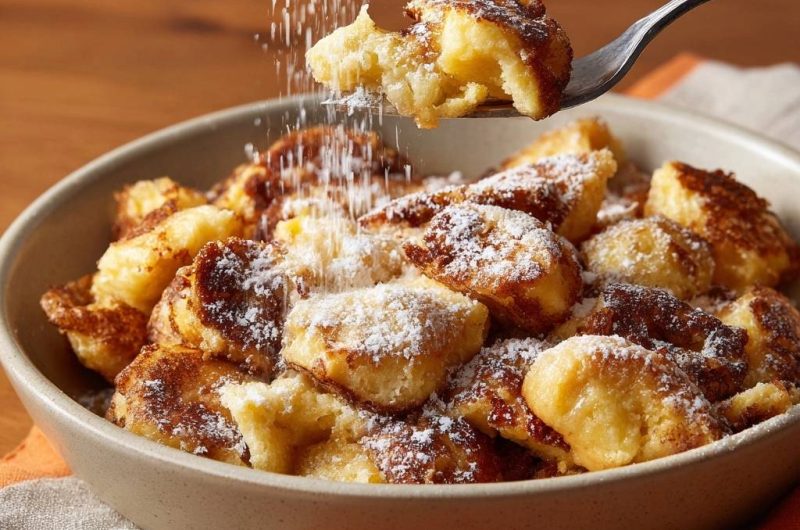
Fluffy Sugared Beignets
Course: DessertCuisine: AmericanDifficulty: easy4
24 beignets30
minutes20
minutes120
MinutesAmerican
Ingredients
3/4 cup warm water (about 110 degrees F)
1/4 cup granulated sugar
1 packet (2 1/4 teaspoons) active dry yeast
1 large egg, beaten
1/2 cup whole milk
3 tablespoons unsalted butter, melted
1/2 teaspoon salt
3 1/2 to 4 cups all-purpose flour
Vegetable oil, for frying (about 6 cups)
2 cups powdered sugar, for dusting
Directions
- In a large bowl, stir warm water, granulated sugar, and yeast until dissolved. Let sit 5 to 10 minutes until foamy.
- Add egg, milk, melted butter, and salt. Mix in 3 cups flour to form a soft dough. Knead on a floured surface 4 to 5 minutes, adding up to 1 more cup flour as needed for a smooth, slightly sticky dough. Do not overknead, or bites will be dense.
- Place dough in a greased bowl, cover with a damp cloth, and let rise in a warm spot 1 to 1 1/2 hours until doubled.
- Punch down dough and turn onto a lightly floured surface. Roll to 1/4-inch thickness. Cut into 1 1/2-inch squares or nuggets with a knife or pizza cutter.
- Heat vegetable oil in a deep pot or Dutch oven to exactly 360 degrees F using a candy thermometer. This precise temperature is the key to no greasy bites, it fries fast without soaking up oil. Maintain heat between 355 and 365 degrees F.
- Fry 3 to 4 beignets at a time (do not overcrowd) for 1 to 2 minutes per side until deep golden brown. The even heat prevents oil absorption for crisp outsides and fluffy insides.
- Remove with a slotted spoon and drain immediately on a wire rack over a baking sheet lined with paper towels. Press gently with more paper towels to blot excess oil, locking in perfect texture. Let cool slightly.
- Dust generously with powdered sugar while warm so it adheres without clumping. Serve right away. Store leftovers in an airtight container up to 1 day, reheat in 350 degrees F oven 2 minutes to recrisp.
Notes
- Maintain oil temperature exactly at 360°F for no greasy bites. Do not overknead dough to keep them fluffy. Dust with powdered sugar while warm.