
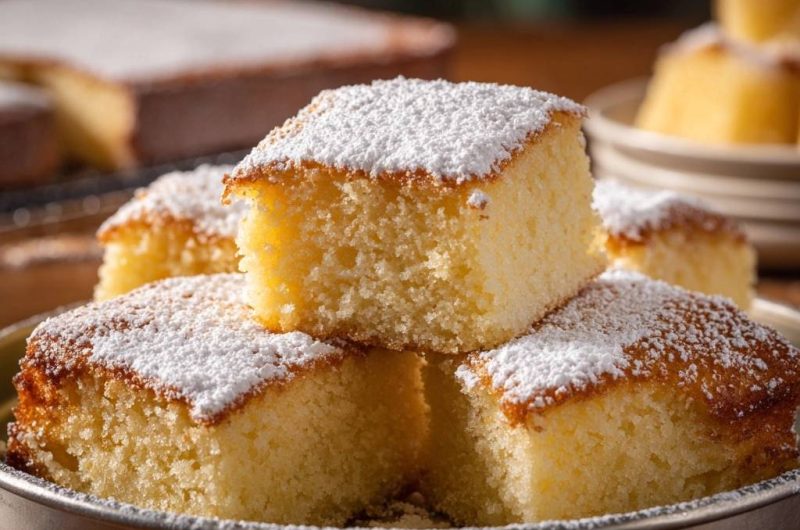
Ever bitten into a vanilla sheet cake that promised fluffiness but delivered a dense brick? This fluffy vanilla sheet cake fixes that frustration with a reliable creaming method that traps air for light, towering results. You get perfect squares ready for parties, no sinking or gumminess in sight.
Therefore, it beats out heavy takeout desserts because you control the freshness and quality right in your kitchen. Plus, it vanishes fast at gatherings, dusted simply with powdered sugar. Imagine slicing into tender, airy perfection that wows everyone.
The secret lies in creaming softened butter and sugar for 5 to 7 minutes until it nearly doubles. That step incorporates maximum air bubbles, which expand in the oven for guaranteed lift. Oh man, the first bite melts in your mouth with that vanilla cloud texture.
Why Room Temperature Ingredients Elevate Fluffy Vanilla Sheet Cake
Softened Butter’s Role in Air Incorporation
Room-temperature butter creams way better than cold sticks because it breaks down evenly with sugar. Cold butter stays lumpy, leading to poor emulsion and flat cakes. However, when softened, it traps air bubbles during beating, creating a pale, fluffy base.
Melted butter won’t work here; it deflates the structure and makes the crumb greasy. Therefore, let your butter sit out for an hour. You’ll see the volume double, promising that fluffy vanilla sheet cake lift every time.
Eggs and Milk at Room Temperature Explained
Warm eggs emulsify smoothly into the batter without curdling, thanks to better fat absorption. Cold eggs cause temperature shocks that break the mixture. In addition, room-temp milk blends evenly, preventing lumps.
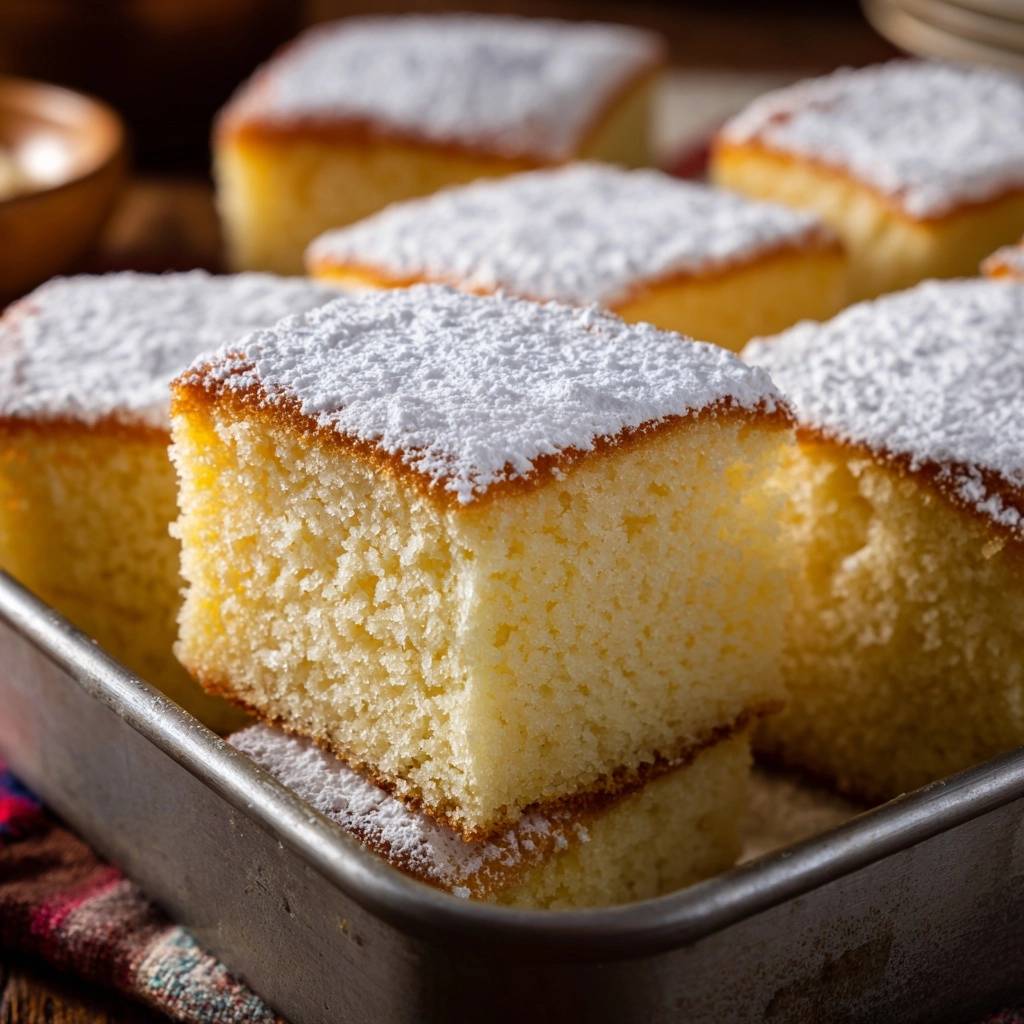
Baking science shows temperature match keeps air stable. So, pull eggs and milk out early. This small step ensures your fluffy vanilla sheet cake rises high and stays tender.
Core Ingredients for Guaranteed Fluffy Vanilla Sheet Cake
Flour, Baking Powder, and Salt Balance
All-purpose flour gives just enough protein for structure without toughness. Cake flour works too but might need a tweak for stability. Meanwhile, 2 1/2 teaspoons baking powder provides steady lift without bitterness.
A pinch of salt, just 1/4 teaspoon, sharpens the vanilla flavor. Therefore, whisk these dry goods first for even distribution. No pockets means uniform rise in your fluffy vanilla sheet cake.
Sugar, Butter, and Vanilla Extract Precision
Granulated sugar’s crystals cut into butter perfectly for air pockets. Use 1 1/2 cups exactly; less means weak structure. Unsalted butter keeps control over saltiness.
Pure vanilla extract adds deep aroma over imitation. If you swap, double it for impact. These ratios lock in flavor while supporting fluffiness.
The Science of Creaming for Fluffy Vanilla Sheet Cake
5-7 Minute Beating Transforms Batter Texture
Beating butter and sugar on medium-high for 5 to 7 minutes suspends tiny air bubbles in fat. The mixture turns pale and nearly doubles, signaling success. Physics here prevents sugar from drawing moisture that densifies gluten.
Use a stand mixer if you can; it holds speed steady. Scrape sides often. You’ll smell sweet vanilla rising, and the batter ribbons off the paddle beautifully.
Folding Technique Preserves Air Bubbles
Folding means low-speed bursts, unlike vigorous mixing that pops air. Add ingredients in short 10-15 second mixes to retain microscopic pockets. Overmixing develops tough gluten, flattening your cake.
Therefore, stop when you see flour streaks vanish. The batter should look thick yet airy. This preserves lift for fluffy vanilla sheet cake magic.
Step-by-Step: Prepping and Creaming Fluffy Vanilla Sheet Cake Batter
Oven Setup and Pan Preparation Essentials
Preheat to 350 degrees F for even heat. Grease your 9×13 pan and line with parchment overhanging sides. This size gives ideal 1-inch thickness for fluff without drying.
Jelly roll pans work if narrower; adjust time down. Parchment ensures clean release every time.
Beating Butter and Sugar to Perfection
Start with softened butter and sugar on medium-high. Beat 5-7 minutes until fluffy and pale. Scrape bowl twice to catch unmixed bits.
If it doesn’t double, your butter was too cold; warm slightly next time. Feel the lightness transform under the beaters.
Incorporating Eggs and Vanilla Seamlessly
Add eggs one by one, beating 30 seconds each. Scrape down well. Beat in vanilla last for even flavor.
Cold eggs? Warm them in hot water first. The batter smooths out glossy and voluminous.
Alternating Dry and Wet for Optimal Fluffy Vanilla Sheet Cake
Whisking Dry Ingredients First
Whisk flour, baking powder, and salt in a bowl. This distributes leavener evenly, avoiding bitter pockets. Sift if lumpy for extra air.
Baking powder activates on mixing, so move quick.
Three-Addition Mixing Method Details
Add dry, then milk, dry, milk, dry on low speed. Mix 10-15 seconds per addition, starting and ending with dry. Batter looks curdled briefly but smooths fast.
Stop at “just combined” with a few lumps; they bake out. It stays thick and airy, ready for the pan.
Baking and Cooling Fluffy Vanilla Sheet Cake Perfectly
Even Spreading and Bake Time Mastery
Smooth batter evenly with an offset spatula. Bake 22-25 minutes; rotate halfway if your oven heats unevenly. Toothpick comes clean from center, top golden.
Overbaking dries edges. Check at 22 minutes for moist crumb perfection.
Wire Rack Cooling and Parchment Lift
Cool in pan on a rack 30 minutes to set structure. Lift out fully cooled. Humidity softens crumb, so slice in dry air.
Pro tip: Cool completely before dusting to avoid melt.
Avoiding Common Mistakes in Fluffy Vanilla Sheet Cake
Overmixing and Deflation Pitfalls
Overmixed batter looks soupy and toughens cake. Stick to short bursts; ribbon stage drops thick from spoon. If dense next time, underbeat less.
Visual cue: batter holds peaks softly. Fixes guarantee fluff.
Temperature and Overbaking Fixes
Cold ingredients deflate air; always room temp. Use an oven thermometer; many run hot. Dry cake? Shorter bake, more milk.
Therefore, test doneness early. Keeps it tender.
Flavor Variations on Fluffy Vanilla Sheet Cake Base
Adding Citrus Zest or Extracts
Grate 1 tablespoon lemon zest into batter for bright pop. Or swap half vanilla for almond extract. Fold gently to keep air.
These boost without weighing down fluffiness. Zest oils release sweet citrus aroma.
Mix-Ins Like Berries or Chocolate Chips
Toss 1 cup frozen berries or chips in 1 tablespoon flour first. Fold last to prevent sinking. Reduce milk by 2 tablespoons.
Berries burst juicy; chips melt pockets of joy.
Perfect Pairings for Fluffy Vanilla Sheet Cake
Fruit Compotes and Whipped Cream Sides
Simmer 2 cups strawberries with 1/4 cup sugar and lemon juice for compote. Whip cream with sugar to soft peaks. Spoon over warm squares.
Seasonal berries shine. Stabilize cream with gelatin for parties.
Coffee, Tea, and Ice Cream Matches
Bold coffee cuts sweetness perfectly. Pair with vanilla bean ice cream that melts creamy. Sparkling cranberry juice refreshes too.
Chamomile tea softens the vanilla notes gently.
Storage and Make-Ahead for Fluffy Vanilla Sheet Cake
Room Temperature and Freezer Guidelines
Store covered at room temp up to 3 days; airtight keeps moist. Freeze whole or slices up to 2 months wrapped tightly. Thaw overnight on counter.
Dust sugar after thawing. No freezer burn this way.
Scaling for Events and Freezing Tips
Double for half-sheet pan; bake 25-28 minutes. Frosting-free base freezes best. Slice before freezing for grab-and-go.
Perfect for potlucks ahead.
Troubleshooting Fluffy Vanilla Sheet Cake Issues
Why Cake Sank or Stayed Dense
Sinking comes from oven peeks letting heat escape or undermixed dries. Whisk thoroughly but gently. At altitude, reduce baking powder slightly.
Level batter flat. Steady oven wins.
Gummy Texture Causes and Cures
Underbaked centers or humidity cause gumminess. Insert toothpick deep midway. Bake longer in moist air.
Cool fully to set.
Cracks or Uneven Rise Solutions
Hot spots crack tops; rotate pan. Level batter well. Glass pans hold heat longer, so metal preferred.
Even rise every time.
Frequently Asked Questions About Fluffy Vanilla Sheet Cake
Can I Use a Different Pan Size?
Yes, 8×8 needs 30-35 minutes at 350F for thicker cake. Half-sheet (13×18) bakes 18-22 minutes thinner. Always toothpick test center. Adjust for even fluffiness.
Gluten-Free Fluffy Vanilla Sheet Cake Possible?
Swap 1:1 gluten-free flour blend; add 1/2 teaspoon xanthan gum if not included. Room-temp ingredients still key. Texture stays tender, rises well.
How to Achieve Extra Fluffiness?
Whip egg whites to soft peaks separately, fold last. Or sub 1/4 cup cake flour. Cream longer if mixer strong. Sky-high results guaranteed.
Does It Freeze with Powdered Sugar?
No, dust after thawing to avoid clumping. Freeze plain slices in bags up to 2 months. Crisp sugar dusting refreshes perfectly.
Vegan Adaptations for This Recipe?
Use plant butter, 4 tablespoons aquafaba per egg, and almond milk. Cream same way. Fluffiness holds with these swaps; vanilla shines.
How Do I Store Leftovers?
Keep covered at room temp for 3 days max. Fridge dries it out, so avoid. Freezes well sliced airtight up to 2 months; thaw on counter.
Why Is My Cake Dense?
Usually undermixed or cold ingredients deflate air. Cream fully 5-7 minutes, use room temp everything. Overmixing toughens too; short low-speed bursts fix it.
Can I Substitute the Whole Milk?
Yes, 2% works fine; buttermilk adds tang but cut baking powder by 1/2 teaspoon. Plant milks ok vegan-style. Keeps batter hydration for fluff.
Fluffy Vanilla Sheet Cake
Course: DessertCuisine: AmericanDifficulty: easy12
squares20
minutes25
minutes45
MinutesAmerican
Ingredients
2 cups all-purpose flour
1 1/2 cups granulated sugar
1/2 cup unsalted butter, softened to room temperature
4 large eggs, room temperature
1 cup whole milk, room temperature
2 1/2 teaspoons baking powder
1 teaspoon vanilla extract
1/4 teaspoon salt
1/4 cup powdered sugar, for dusting
Directions
- Preheat oven to 350 degrees F. Grease a 9×13-inch baking pan and line with parchment paper for easy release.
- In a large bowl, beat softened butter and granulated sugar with an electric mixer on medium-high speed for 5 to 7 minutes until pale, fluffy, and nearly doubled in volume. This critical creaming step incorporates maximum air for guaranteed fluffiness, stopping density before it starts.
- Add eggs one at a time, beating well after each (about 30 seconds) and scraping down the bowl. Beat in vanilla extract.
- In a separate bowl, whisk together flour, baking powder, and salt.
- Add dry ingredients to wet mixture in three additions, alternating with milk (start and end with dry). Mix on low speed just until combined after each addition, about 10 to 15 seconds max. Stop immediately to avoid deflating the batter, locking in that perfect fluffy texture.
- Spread batter evenly into prepared pan. Bake for 22 to 25 minutes, until a toothpick inserted in the center comes out clean and top is lightly golden. Do not overbake.
- Cool completely in pan on a wire rack. Lift out using parchment, cut into 12 squares, and dust generously with powdered sugar. Serve and watch it disappear. Store leftovers covered at room temperature for up to 3 days.
Notes
- Room temperature ingredients are crucial for maximum fluffiness. Do not overmix batter to avoid deflating. Store covered at room temperature for up to 3 days.