I remember the frustration of trying to make beautiful, fresh veggie spring rolls at home, only to have the delicate rice paper wrappers tear or stick before I could even get a good fold. It felt like a culinary puzzle I couldn’t solve!
But I cracked the code to perfectly pliable wrappers, transforming the rolling process into an absolute breeze. This recipe isn’t just about a delicious, vibrant meal; it’s about building confidence and enjoying these Fresh Veggie Spring Rolls with zero fuss, making them an ideal healthy appetizer or light lunch.
Effortless & Flavorful: Why This Recipe is Your New Go-To
This recipe for Fresh Veggie Spring Rolls banishes the common frustration of torn wrappers, promising a smooth, enjoyable preparation every time. It’s the secret sauce (pun intended!) to achieving restaurant-quality rolls right in your kitchen.
You’ll love the vibrant, crisp textures and explosive fresh flavors packed into each bite, complemented by a rich, creamy peanut dipping sauce. With a total time of just 35 minutes, this healthy appetizer or light meal is perfect for warm days, quick lunches, or impressive entertaining.
Gather Your Rainbow: Essential Ingredients for Fresh Rolls
Creating exceptional Fresh Veggie Spring Rolls starts with choosing the best ingredients. Freshness is paramount, ensuring every bite is bursting with flavor and satisfying crunch.
The Wrapper Foundation: Selecting Your Rice Paper
Round rice paper wrappers, typically 8.5-inch diameter, are your canvas. Their quality and proper handling are the absolute keys to achieving that no-tear promise and a beautifully wrapped spring roll.
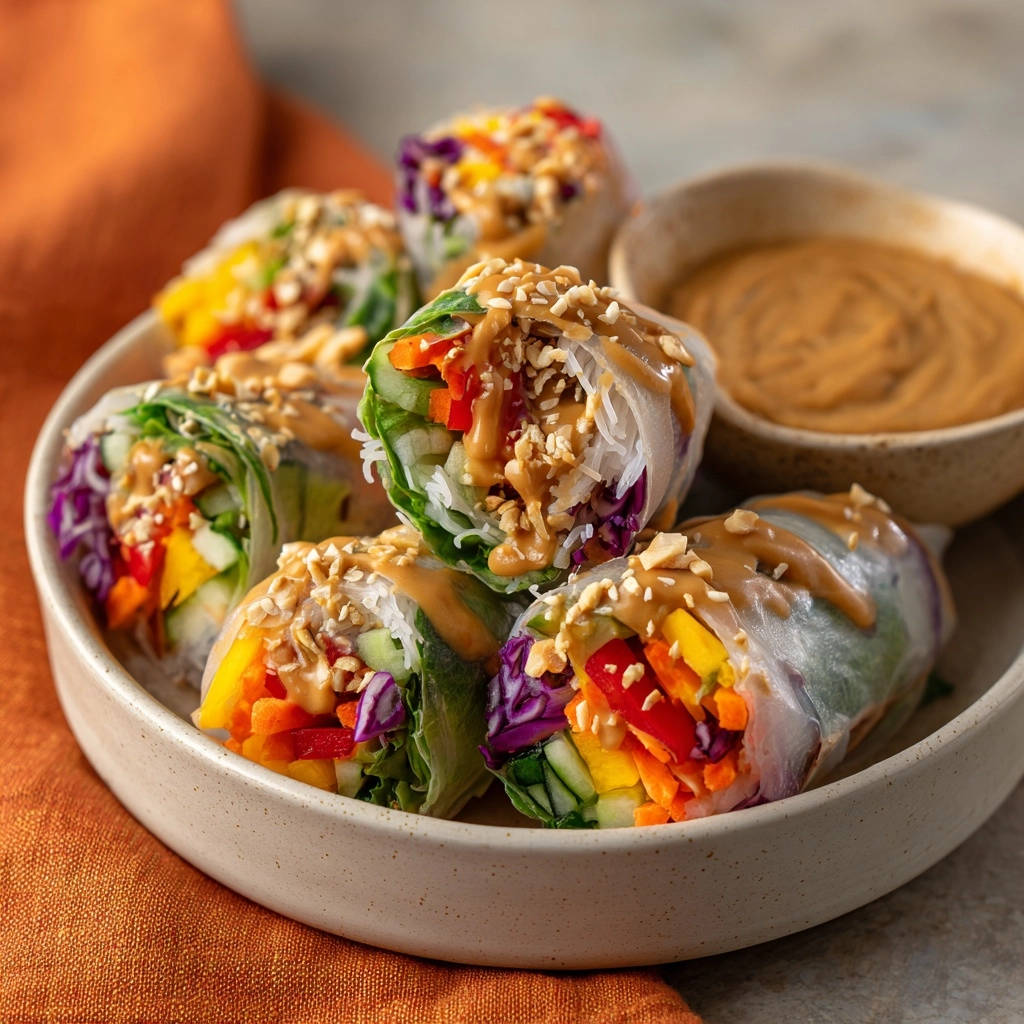
Look for wrappers that are pliable yet sturdy; a good brand makes a noticeable difference in your rolling success.
Noodle Nirvana: Preparing Vermicelli Perfectly
Thin rice vermicelli noodles provide a wonderful textural contrast and satisfying bulk to your Fresh Veggie Spring Rolls. Cook them precisely according to package instructions, then rinse immediately with cold water.
This crucial step halts the cooking process, preventing them from becoming gummy and ensuring they remain distinct and perfectly al dente. Always drain them thoroughly.
Crisp & Colorful Fillings: Your Vibrant Veggie Palette
The beauty of these Fresh Veggie Spring Rolls lies in their colorful, crisp vegetable fillings. Each vegetable adds its unique texture and mild flavor.
Carrot: Adds a sweet crunch and vibrant orange hue.
Cucumber: Delivers refreshing coolness and a satisfying crispness.
Red Bell Pepper: Contributes sweetness and a bold splash of color.
Yellow Bell Pepper: Offers a milder, sweeter note and brightens the overall presentation.
Lettuce Leaves: Form the foundational layer, adding freshness and preventing other ingredients from poking through the wrapper.
Julienning all vegetables into thin, uniform strips is essential. This ensures even distribution in each bite, makes the rolls easier to fold, and creates a pleasant eating experience.
The Star Dipping Sauce: Crafting Creamy Peanut Perfection
The creamy peanut dipping sauce elevates these Fresh Veggie Spring Rolls from simple to spectacular. It’s a harmonious blend of sweet, savory, and tangy notes that truly ties everything together.
You’ll combine creamy peanut butter, savory soy sauce, bright lime juice, and a touch of sweetness from honey or maple syrup, all thinned with warm water. Crushed peanuts are stirred in for texture, while toasted sesame seeds serve as a fragrant garnish.
Beyond the Basics: Essential Tools for Seamless Rolling
While minimal, having the right setup can make all the difference in crafting beautiful Fresh Veggie Spring Rolls. These tools streamline the process and boost your confidence.
Setting Up Your Efficient Spring Roll Station
A well-organized workspace is your best friend when rolling spring rolls. You’ll need a shallow dish or pie plate wide enough for your rice paper wrappers.
For assembly, a clean, ever-so-slightly damp cutting board or flat work surface is ideal. This slight dampness prevents the softening wrapper from sticking without making it overly wet, which could lead to tearing.
Precision Prep for Perfect Fillings
Achieving consistently thin, uniform julienned vegetables is crucial for aesthetic appeal and ease of rolling. A sharp chef’s knife is perfectly adequate for this task with a steady hand.
Alternatively, a mandoline slicer with a julienne attachment can make quick work of carrots and cucumbers, ensuring every strip is perfectly even.
Your Path to Fresh Veggie Spring Rolls Perfection: A Detailed Guide
Mastering these Fresh Veggie Spring Rolls is all about technique, especially our signature “no-tear” wrapper method. Follow these steps carefully for consistently perfect results.
For even more robust wrapping, explore these ahi tuna fresh spring rolls.
Prepping Your Fresh Ingredients
Start by cooking your rice vermicelli noodles according to their package directions. Immediately rinse them under cold water to stop the cooking and prevent stickiness, then drain thoroughly and set aside.
Next, meticulously julienne your carrot, cucumber, red bell pepper, and yellow bell pepper into thin, uniform strips. Prepare your lettuce leaves by tearing larger ones into more manageable pieces.
Organize all your prepared fillings neatly on a clean workspace. This “mise en place” makes the assembly process incredibly smooth and efficient.
Whipping Up the Irresistible Peanut Sauce
In a small mixing bowl, combine the creamy peanut butter, soy sauce, fresh lime juice, and honey or maple syrup. Whisk these ingredients together until they form a smooth, luscious paste.
Gradually add the 1/4 cup of warm water, whisking constantly, until the sauce reaches a creamy, pourable consistency. If it’s too thick, add more warm water, a tablespoon at a time, until it’s just right.
Finally, stir in 1 tablespoon of crushed peanuts for added texture and nutty flavor. Set your glorious dipping sauce aside, ready for serving.
The Golden Rule: Mastering the Wrapper Dip (The Secret to No Tearing!)
This is the most critical step for no-tear Fresh Veggie Spring Rolls. Fill a shallow dish or pie plate with about 1 inch of truly warm, but never hot, water.
Submerge one rice paper wrapper into the warm water for precisely 5 to 10 seconds. When you remove it, the wrapper should still feel slightly firm, not completely floppy. It will continue to soften on your work surface, achieving the perfect pliability without becoming fragile.
This controlled, quick dip is the secret weapon, preventing the wrapper from over-soaking, which is the primary culprit behind tearing and stickiness.
Assembling Your Vibrant Rolls with Confidence
Gently transfer the slightly softened wrapper from the water bath to your clean, ever-so-slightly damp cutting board or work surface. The dampness helps prevent sticking but avoid excess water.
Arrange a piece of lettuce in the center of the bottom third of the wrapper. Follow with a small handful of the prepared rice noodles, then a few strips of each julienned vegetable (carrot, cucumber, red and yellow bell pepper).
The absolute most important tip here: Do not overfill! Overfilling creates too much tension on the delicate wrapper, making it prone to tearing and a struggle to roll. Less is truly more for perfect Fresh Veggie Spring Rolls.
The Gentle Art of Folding
With your fillings neatly arranged, gently fold the bottom edge of the wrapper up and over the ingredients. Pull it snugly but with extreme gentleness to enclose the filling.
Next, fold in the left and right sides of the wrapper towards the center. These side flaps secure the ends and prevent fillings from escaping as you roll, creating a neat parcel.
Rolling for a Neat, Compact Finish
Starting from the bottom, where you made your first fold, begin rolling the wrapper tightly but carefully upwards. Maintain gentle, consistent pressure throughout the roll.
This steady hand ensures everything stays snug inside without stretching or tearing the delicate rice paper. You’re aiming for a compact, cylindrical Fresh Veggie Spring Roll that holds its shape beautifully.
The Grand Finale: Serving Your Fresh Creations
Place each perfectly rolled spring roll seam-side down on your serving platter. Repeat the process with the remaining wrappers and fillings, ensuring each one is a vibrant testament to your newfound skill.
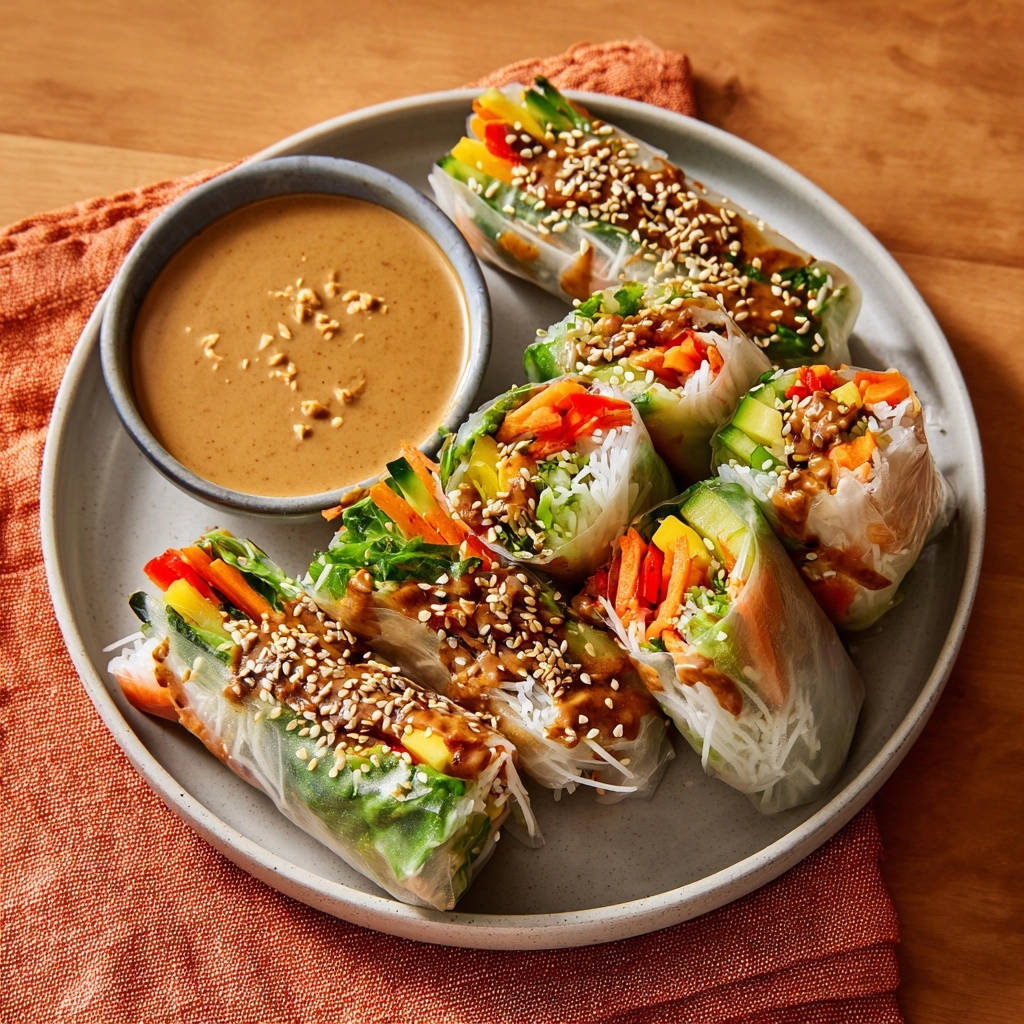
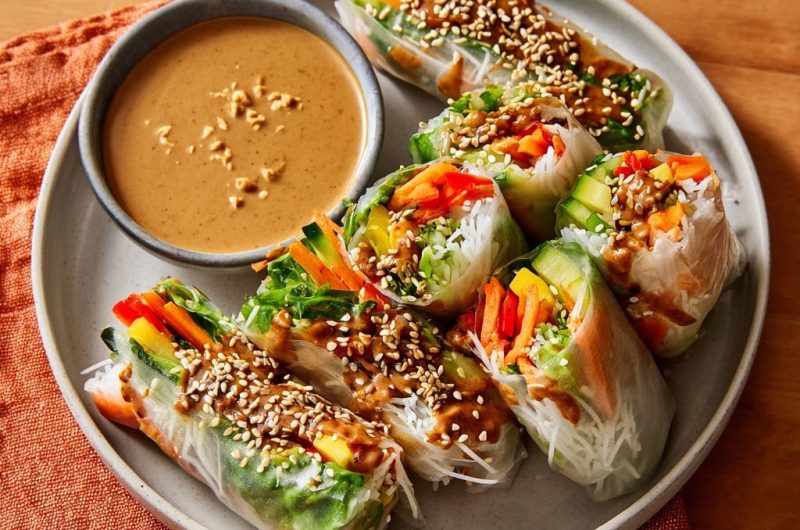
For an elegant presentation, you can slice each Fresh Veggie Spring Roll in half diagonally, revealing the colorful fillings within. Drizzle them generously with the prepared creamy peanut dipping sauce, and finish with a sprinkle of the remaining crushed peanuts and toasted sesame seeds.
Serve immediately to enjoy the freshest flavors and textures. For another delightful fresh meal, consider making a vibrant easy Vietnamese noodle salad as a complement.
Chef’s Secrets: Elevate Your Spring Roll Game
Moving beyond the basic steps allows you to consistently create outstanding Fresh Veggie Spring Rolls. These expert tips will help you refine your technique and customize your culinary creations.
The Art of Not Overfilling Your Rolls
Overfilling is the nemesis of a perfect spring roll. It’s crucial to accurately judge the amount of filling, ensuring it’s enough to satisfy but not so much that it strains the wrapper.
A good rule of thumb is to imagine the final rolled size and ensure the ingredients fit comfortably within that space. This prevents unsightly tearing and ensures a manageable, appealing roll that holds together.
Preventing Sticky Situations: Wrapper Handling
Rice paper wrappers, once softened, can be notoriously clingy. To avoid frustration, keep your work surface subtly damp, not wet, to prevent them from sticking and tearing when you try to lift them.
Once assembled, place finished Fresh Veggie Spring Rolls on a platter with a small space between them. If stacking, consider a piece of parchment paper or a damp paper towel in between to prevent them from fusing together.
Ingredient Customization for Endless Variety
While delicious as is, Fresh Veggie Spring Rolls are incredibly versatile. Feel free to add cooked shrimp for a seafood twist, or marinated baked tofu for extra protein.
For a similar satisfying crunch, explore this cheeseburger pasta salad.
Fresh herbs like mint, basil, or cilantro woven into the fillings add an incredible aromatic lift. Experiment with other shredded vegetables such as purple cabbage, bean sprouts, or thinly sliced avocado for personalized flavor and texture.
Boosting Your Peanut Sauce Flavor
The peanut sauce is a star in its own right and can be easily customized to your preference. For a kick of heat, stir in a touch of Sriracha or a pinch of red pepper flakes.
Grated fresh ginger or garlic can add an aromatic depth that is truly captivating. For extra brightness, a squeeze of additional lime juice can make the flavors pop even more.
Troubleshooting Common Spring Roll Challenges
Even with the best instructions, minor hiccups can occur. Here’s how to quickly resolve common issues when making Fresh Veggie Spring Rolls.
My Wrappers Keep Tearing! What Am I Doing Wrong?
The most common culprits for tearing wrappers are over-soaking them, overfilling the roll, or an improperly prepared work surface. Revisit the “Mastering the Wrapper Dip” step.
Ensure your water is warm, not hot, and stick to the 5-10 second dip. Also, remember to not overfill, and ensure your work surface is slightly damp, preventing both sticking and excessive friction.
My Rolls Aren’t Tight Enough and Fall Apart!
If your Fresh Veggie Spring Rolls are loose, it’s usually a matter of inconsistent tension during folding and rolling. Practice applying a consistent, gentle tension.
Pull the wrapper snugly over the fillings when folding the bottom edge up, and maintain that gentle pressure as you roll. Avoid excessive force, which could lead to tearing, but don’t be afraid to keep things compact.
The Peanut Sauce is Too Thick or Too Thin!
Achieving the perfect sauce consistency is simple. If your peanut sauce is too thick, gradually whisk in an additional tablespoon of warm water at a time until it reaches your desired pourable texture.
Conversely, if it’s too thin, you can thicken it by whisking in a little extra peanut butter, half a tablespoon at a time. A small amount of cornstarch slurry (cornstarch mixed with cold water) can also work in a pinch if gently heated to activate.
Making Ahead, Storage & Serving Suggestions
Thoughtful planning ensures your Fresh Veggie Spring Rolls are enjoyed at their peak freshness and convenience.
Can I Make Fresh Veggie Spring Rolls Ahead of Time?
While the taste is best immediately after assembly, you can certainly prep elements ahead. The wrappers can dry out or harden, and the fresh vegetables can “sweat” if left rolled for too long, especially with high-water content ingredients.
The best strategy is to prepare all your fillings and the peanut dipping sauce entirely in advance. Store them separately in airtight containers in the refrigerator. Then, assemble the Fresh Veggie Spring Rolls just 1-2 hours before serving for optimal freshness and texture.
Best Storage Practices for Leftovers
If you have leftover Fresh Veggie Spring Rolls, prompt and proper storage is key to maintaining their integrity. The most effective method is to wrap each individual roll tightly in plastic wrap.
Alternatively, you can arrange them on a platter, cover them with a slightly damp paper towel, and then seal the entire platter tightly with plastic wrap. This helps prevent the wrappers from drying out. Store in the refrigerator for up to one day.
Perfect Pairings & Beautiful Presentation
Fresh Veggie Spring Rolls are wonderfully refreshing on their own, but they also pair beautifully with light, crisp beverages like iced green tea or sparkling water with lime. For a heartier meal, serve them alongside a bowl of creamy homemade hummus and pita for a Mediterranean fusion or with a simple grilled protein.
Complementary Dishes
To round out your meal, consider these dishes that pair well with fresh spring rolls.
- For a refreshing and light option, try this Crisp Asian Chicken Salad, which offers a delightful crunch.
For an inviting presentation, arrange the sliced rolls artfully on a large platter, fanning them out to display their colorful interiors. Serve the peanut dipping sauce in a separate, small bowl in the center of the platter, perhaps garnished with extra crushed peanuts or a fresh herb sprig.
Your Burning Questions Answered (FAQs)
Are rice paper wrappers gluten-free?
Yes, traditional rice paper wrappers, typically made from rice flour, water, and salt, are naturally gluten-free. Always check the ingredient label, however, as some brands might include tapioca starch or other additives that could affect dietary restrictions.
Can I add protein to these Fresh Veggie Spring Rolls?
Absolutely! Cooked and cooled shrimp, thinly sliced cooked chicken, or marinated and pan-fried tofu or tempeh are excellent additions. Ensure any protein is fully cooked and cooled before adding it to the rolls.
How can I make the peanut sauce spicier or milder?
To make the peanut sauce spicier, add a dash of Sriracha, a pinch of red pepper flakes, or finely minced fresh chili. For a milder sauce, simply reduce or omit any spicy ingredients. You can also increase the honey slightly for more sweetness to balance heat.
What other vegetables work well as fillings?
Many other vegetables can be used! Consider thinly sliced avocado for creaminess, shredded purple cabbage for extra crunch and color, bean sprouts, or even thinly sliced mango for a sweet and tangy twist. The key is to keep them thinly sliced or julienned for easy rolling.
Is there a vegan substitute for honey in the dipping sauce?
Yes, absolutely. The recipe already suggests maple syrup as a perfect vegan substitute for honey, offering a similar sweetness and consistency without animal products.
Your Next Culinary Adventure Awaits!
Now that you’ve mastered the art of the no-tear wrapper, you’re ready to create beautiful, vibrant Fresh Veggie Spring Rolls with confidence. This recipe is more than just a dish; it’s an enjoyable experience, from the colorful prep to the final, delicious bite.
Don’t hesitate to make these your go-to for a healthy, satisfying meal or a show-stopping appetizer. I encourage you to share your creations, experiment with your favorite fillings, and delight in the freshness. Tag us in your spring roll journey, and explore our other light and fresh recipes on the site!
Spring Rolls
Course: AppetizerCuisine: AsianDifficulty: easy4
servings30
minutes5
minutes350
kcal35
minutesTired of torn wrappers? This recipe cracks the code to making beautiful, fresh spring rolls with perfectly pliable rice paper. Enjoy vibrant, delicious rolls with zero fuss, complete with a creamy homemade peanut dipping sauce.
Ingredients
8-10 sheets of round rice paper wrappers (8.5 inch diameter)
1 cup thin rice vermicelli noodles, cooked according to package directions and cooled
1 small carrot, julienned
1/2 cucumber, julienned
1/2 red bell pepper, julienned
1/2 yellow bell pepper, julienned
4-6 large lettuce leaves, torn into smaller pieces if very large
1/2 cup creamy peanut butter
2 tablespoons soy sauce
1 tablespoon lime juice
1 tablespoon honey or maple syrup
1/4 cup warm water (for sauce, plus extra for dipping wrappers)
2 tablespoons crushed peanuts (for sauce and garnish)
1 tablespoon toasted sesame seeds (for garnish)
Directions
- Prepare Your Fillings: Cook rice vermicelli noodles according to package instructions. Rinse with cold water immediately after cooking to stop the cooking process and prevent sticking. Drain well and set aside. Julienne the carrot, cucumber, red bell pepper, and yellow bell pepper into thin, uniform strips. Prepare your lettuce leaves. Have all your fillings organized and ready on a clean workspace.
- Make the Peanut Dipping Sauce: In a small bowl, whisk together the peanut butter, soy sauce, lime juice, honey or maple syrup, and 1/4 cup warm water until smooth and creamy. If the sauce is too thick, add more warm water, one tablespoon at a time, until you reach your desired consistency. Stir in 1 tablespoon of crushed peanuts. Set aside.
- Master the Wrapper Dip (The Secret to No Tearing!): Fill a shallow dish or pie plate with about 1 inch of warm (not hot!) water. Place one rice paper wrapper into the warm water for just 5-10 seconds. It should still feel a little firm, not completely soft and floppy, when you remove it. It will continue to soften as you work. This quick dip prevents over-soaking, which is the main cause of tearing.
- Assemble Your Rolls: Carefully transfer the slightly softened wrapper to a clean, ever so slightly damp cutting board or work surface. Too dry, and it might stick; too wet, and it might tear.
- Arrange your fillings in the center of the bottom third of the wrapper, leaving space on the sides. Start with a piece of lettuce, then add a small handful of rice noodles, and a few strips of each vegetable (carrot, cucumber, red bell pepper, yellow bell pepper). Do not overfill! Overfilling puts too much tension on the wrapper and leads to tearing.
- Fold the bottom edge of the wrapper up over the fillings, pulling it snugly but gently. Then, fold in the left and right sides of the wrapper towards the center.
- Starting from the bottom, roll the wrapper tightly but carefully upwards, forming a neat, compact roll. Work with gentle pressure to keep everything snug without stretching or tearing the delicate wrapper.
- Place the finished spring roll seam-side down on a serving platter. Repeat with the remaining wrappers and fillings.
- To Serve: Slice each spring roll in half diagonally, if desired. Drizzle generously with the prepared peanut dipping sauce and sprinkle with the remaining crushed peanuts and toasted sesame seeds. Enjoy immediately!
Notes
- The key to perfect spring rolls is a quick dip for the wrappers (5-10 seconds) to prevent over-soaking and tearing.