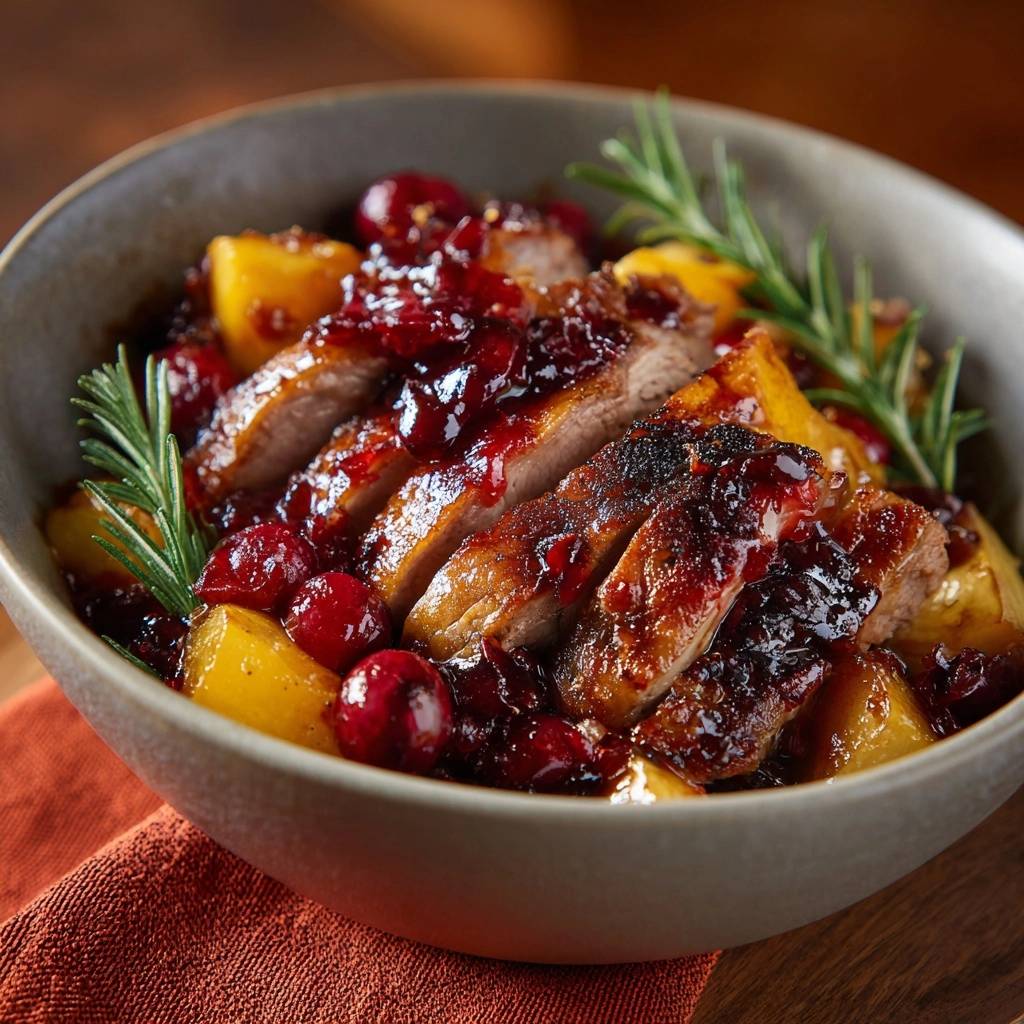
Tired of duck breast coming out tough and dry every time you try it? This glazed duck breast with cherry pineapple compote changes everything. You’ll get crispy skin and juicy, pink-centered slices using a simple sear-and-rest method. Dinner hits gourmet levels fast, without the fuss.
Most home cooks rush the fat rendering, leading to chewy results. However, starting in a cold pan on low-medium heat melts that fat slowly. Therefore, the skin crisps perfectly while the meat stays tender.
The secret lies in spooning off excess fat as it pools. This prevents steaming and builds intense flavor. Plus, the sweet-tart cherry pineapple compote cuts through the richness beautifully. You’re in for a treat.
Why Glazed Duck Breast Succeeds
Duck breast boasts rich, savory flavor and that irresistible crispy skin potential. Yet, it often fails at home due to overcooking. This recipe’s foolproof technique renders fat evenly, locking in juices for tender bites.
In addition, the cherry pineapple compote brings bright acidity and sweetness. It balances the duck’s fattiness perfectly. You also get lean protein packed with nutrients, plus antioxidants from the fruits.
Fresh cherries and pineapple add vibrant color and pop. Therefore, this dish elevates weeknight meals to restaurant quality. It’s worth every minute.
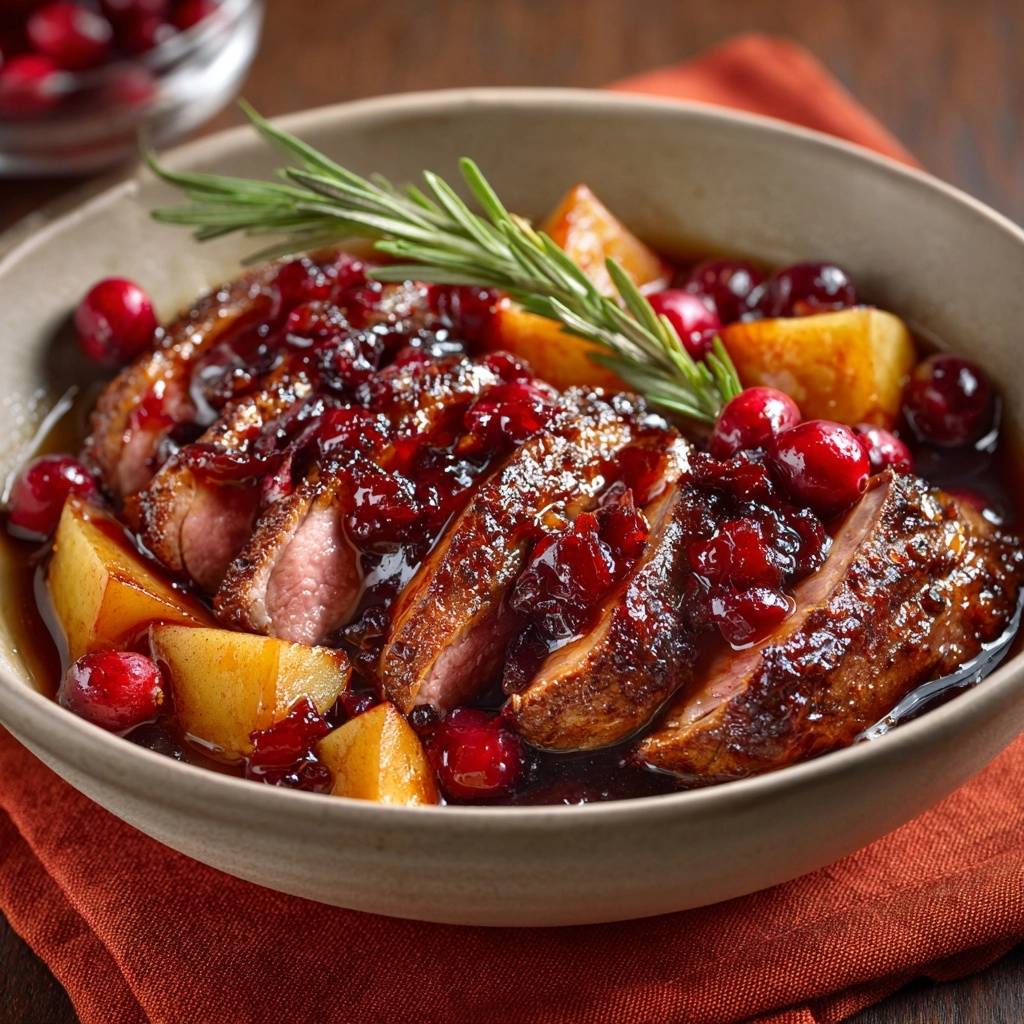
Rich Duck Fat Rendering Basics
Skin-on duck breasts render superior fat compared to chicken. That thick layer melts gradually, basting the meat naturally. In fact, it keeps everything moist without added oils.
Chicken skin crisps quicker but lacks this depth. Duck’s fat creates a flavorful base for the compote too. You’ll love the results.
Cherry Pineapple Compote Balance
Cherries deliver tartness, while pineapple adds tropical sweetness. Together, they contrast duck’s savoriness brilliantly. The combo softens into a glossy sauce that clings to each slice.
Grab fresh cherries in summer for peak flavor. Canned pineapple works year-round if drained well. It’s a match made in heaven.
Key Ingredients for Duck Breast and Compote
Start with 2 skin-on duck breasts; the fat layer ensures juiciness. Pat them dry for crisp skin. Next, 2 cups pitted and halved fresh cherries release juices for the compote base.
Then, 2 cups pineapple chunks (fresh or drained canned) bring sweetness without overpowering. Two rosemary sprigs infuse piney aroma. Add salt, black pepper, 1 tablespoon olive oil if needed, and optional 1 tablespoon honey for shine.
Fresh rosemary beats dried for bold flavor. Pit cherries by hand or use a tool to avoid mush. No cherries? Frozen work thawed. These picks guarantee balance and ease.
Selecting Skin-On Duck Breasts
Choose skin-on duck with even fat layers, about 6-8 ounces each. Find them at butchers or specialty markets. Fresh feels firm; frozen thaws overnight in the fridge.
Avoid skinless; you need that fat for rendering. Check for plump, pink meat underneath.
Prepping Cherries and Pineapple
Pit cherries by pressing with a straw or knife over a bowl to catch juices. Halve for even cooking. Cut pineapple into 1-inch chunks; drain canned well to prevent watery compote.
This keeps textures intact and flavors concentrated.
Science of Crispy Duck Skin Rendering
The cold-pan method starts fat melting gradually at low heat. This avoids splatter and builds even crispness via the Maillard reaction. Hot pans cause rubbery skin instead.
Aim for 130F internal for medium-rare; carryover cooking finishes it. Meanwhile, fruit pectin in the compote thickens naturally into a glaze. Therefore, every element shines.
Pro tip: Save rendered fat for roasting veggies later. It adds unbeatable flavor.
Fat Rendering Temperature Control
Keep heat low-medium, around 300-325F. Spoon fat every 2-3 minutes into a bowl. This maintains crispness and prevents pooling.
Reuse that fat for potatoes or greens. It stores in the fridge for weeks.
Resting Juices Redistribution
Resting 5-10 minutes under foil lets juices redistribute evenly. Carryover heat raises temp 5-10F more. Skip it, and slices dry out fast.
Always slice against the grain post-rest for tenderness.
Equipment Choices for Perfect Results
Grab a heavy skillet for steady heat. An instant-read thermometer ensures precision. Tongs flip safely; no oil starts the render clean.
A cherry pitter speeds prep. Budget stainless works, but cast iron excels. These tools make success foolproof.
Best Skillets for Cold-Pan Start
Cast iron retains heat best for even rendering; 10-12 inches fits 2 breasts. Stainless needs more watching to avoid sticking. Both outperform nonstick here.
Preheat nothing; cold start is key.
Thermometer Accuracy Essentials
Use instant-read for quick checks; insert into thickest part. Target 130F for medium-rare, 140F medium. Calibrate in boiling water if needed.
Digital beats probe for speed.
Phase 1: Precise Duck Breast Prep
Pat duck dry thoroughly; moisture steams skin. Score skin in crosshatch without cutting meat. Season generously with salt and pepper on both sides.
This setup renders fat evenly and seasons deeply. Let it sit 10 minutes if time allows. Now you’re ready to cook.
Scoring Skin Crosshatch Pattern
Hold skin taut; score shallow lines 1/2-inch apart diagonally both ways. Use a sharp knife at 45-degree angle. This maximizes fat escape for ultimate crisp.
Don’t pierce meat or juices leak.
Phase 2: Cold-Pan Skin Crisp Mastery
Place duck skin-down in cold skillet. Heat to low-medium; cook 12-15 minutes. Spoon off fat as it renders; skin turns deep golden.
You’ll hear gentle sizzling and smell rich aroma. This builds flavor without burning. Patience pays off big.
Spooning Excess Fat Technique
Spoon every 2-3 minutes into a heatproof bowl. Tilt pan safely away from you. Collects 1/4 cup or more for later use.
Never pour down drain; it solidifies.
Phase 3: Quick Meat-Side Sear and Rest
Flip duck; sear meat-side 3-4 minutes to 130F. Remove, tent with foil, rest 5-10 minutes. Juices settle for perfect slices.
Slice thinly against grain. Pro tip: Resting prevents dryness every time.
Internal Temperature Targets
Medium-rare: 130F; medium: 140F. Probe center, avoiding bone. Rest brings it to 135F/145F safely.
Undercook slightly; it carries over.
Phase 4: Cherry Pineapple Compote Build
In same skillet, add olive oil if dry. Toss in cherries, pineapple, rosemary. Cook medium 5 minutes until fruit softens and juices flow.
Stir in honey; simmer 3 minutes to thicken. Discard stems. Spoon warm over sliced duck; garnish with rosemary.
Fruit Softening and Juice Release
Stir gently with wooden spoon. Rosemary infuses in 5 minutes; remove before serving. Fruits glisten and sauce coats a spoon when ready.
Smells amazing as it bubbles.
Avoiding Duck Breast Pitfalls
Hot-pan starts make rubbery skin; always go cold. Skipping rest dries slices. Overcooking compote turns it mushy; watch the clock.
Therefore, use a thermometer and timer. Checklist: score deep, spoon fat, rest fully. You’ll nail it.
Overcooking Prevention Checks
Set timer for 12 minutes skin-side; check color. Alarm at 130F meat-side. Compote off heat at spoon-coating stage.
Visuals trump guesswork.
Flavor Twists on Cherry Pineapple Compote
Swap cherries for berries, pineapple for mango. Try thyme over rosemary. Add grated ginger for zing.
No honey? Maple syrup shines. Scale up double for crowds; use bigger pan. Keeps it fresh and fun.
Seasonal Fruit Substitutions
Summer peaches match acidity; winter cranberries add tart pop. Always pick juicy, ripe fruits. Drain extras well.
Keeps balance perfect.
Pairing Sides with Glazed Duck Breast
Pair with peppery arugula salad or quinoa for earthiness. Roasted root veggies add comfort. Sparkling cranberry juice refreshes alongside.
Plate slices fanned with compote drizzled. Looks stunning, tastes better.
Complementary Textures and Acids
Crunchy greens cut richness; citrus vinaigrette echoes compote. Creamy polenta soothes. Balance keeps every bite exciting.
Mix crisp and soft for joy.
Glazed Duck Breast FAQ
Can I Use Frozen Duck Breasts?
Thaw fully in fridge overnight, then pat extra dry. This removes excess moisture for crisp skin. Cook immediately; refreezing toughens meat.
How to Tell Compote is Thickened?
It coats the back of a spoon and holds shape briefly. Simmer exactly 3 minutes after honey; stir to prevent sticking. Too thin? Cook 1 minute more.
Medium vs Medium-Rare Doneness?
Medium-rare at 130F stays pink and juicy; medium 140F firms slightly. Both safe if rested. Personal taste rules; rarer suits fattier duck.
Scaling for More Servings?
Double ingredients for 4; use 12-inch skillet. Skin-side time stays 12-15 minutes, but spoon fat more. Compote thickens faster in crowds.
Storing Leftovers Properly?
Store sliced duck and compote separately airtight in fridge up to 3 days. Reheat gently in skillet over low to crisp skin; microwave sogs it. Don’t freeze; fat separates oddly.
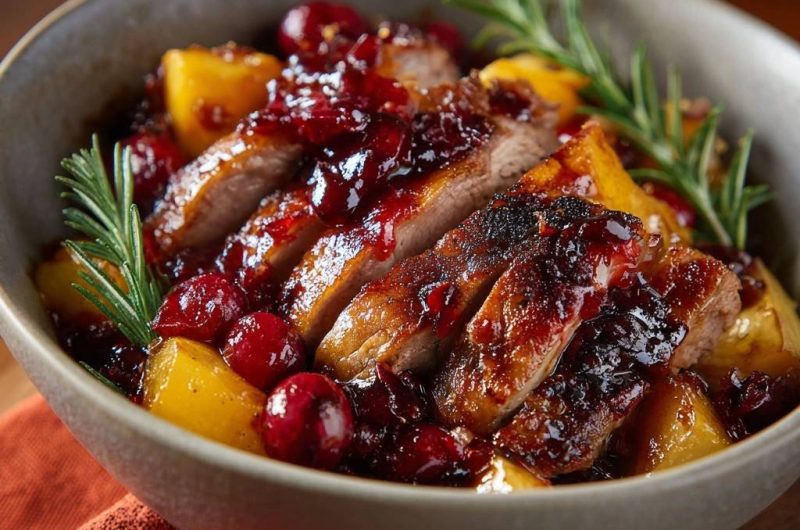
Glazed Duck Breast with Cherry Pineapple Compote
Course: Main CourseCuisine: AmericanDifficulty: easy2
servings15
minutes25
minutes40
MinutesAmerican
Ingredients
2 duck breasts (skin-on)
2 cups fresh cherries, pitted and halved
2 cups pineapple chunks (fresh or canned, drained)
2 sprigs fresh rosemary, plus extra for garnish
1 tablespoon olive oil
Salt and black pepper to taste
1 tablespoon honey (optional, for glaze shine)
Directions
- Pat duck breasts dry with paper towels. Score skin in a crosshatch pattern without cutting into meat. Season both sides generously with salt and pepper. This prep ensures even fat rendering and prevents dryness.
- Place duck breasts skin-side down in a cold skillet (no oil needed yet). Set heat to low-medium. Cook 12-15 minutes until skin is golden and fat renders fully, spooning off excess fat into a bowl as it pools. This slow cold-pan start is the key trick: it crisps skin evenly without overcooking meat, guaranteeing juicy results.
- Flip duck and cook meat-side down 3-4 minutes more until internal temp hits 130F for medium-rare (use thermometer). Remove from pan, tent with foil, and rest 5-10 minutes. Resting redistributes juices, solving the
Notes
- Use a meat thermometer for perfect doneness (130F for medium-rare). Spoon off excess fat during rendering for best results. Resting is key to juicy duck!