Glazed German Lebkuchen with Candied Orange Peel
Learn how honey, almond flour, and orange zest come together in these spiced German lebkuchen, finished with a thin orange glaze for a bright, cozy finish.
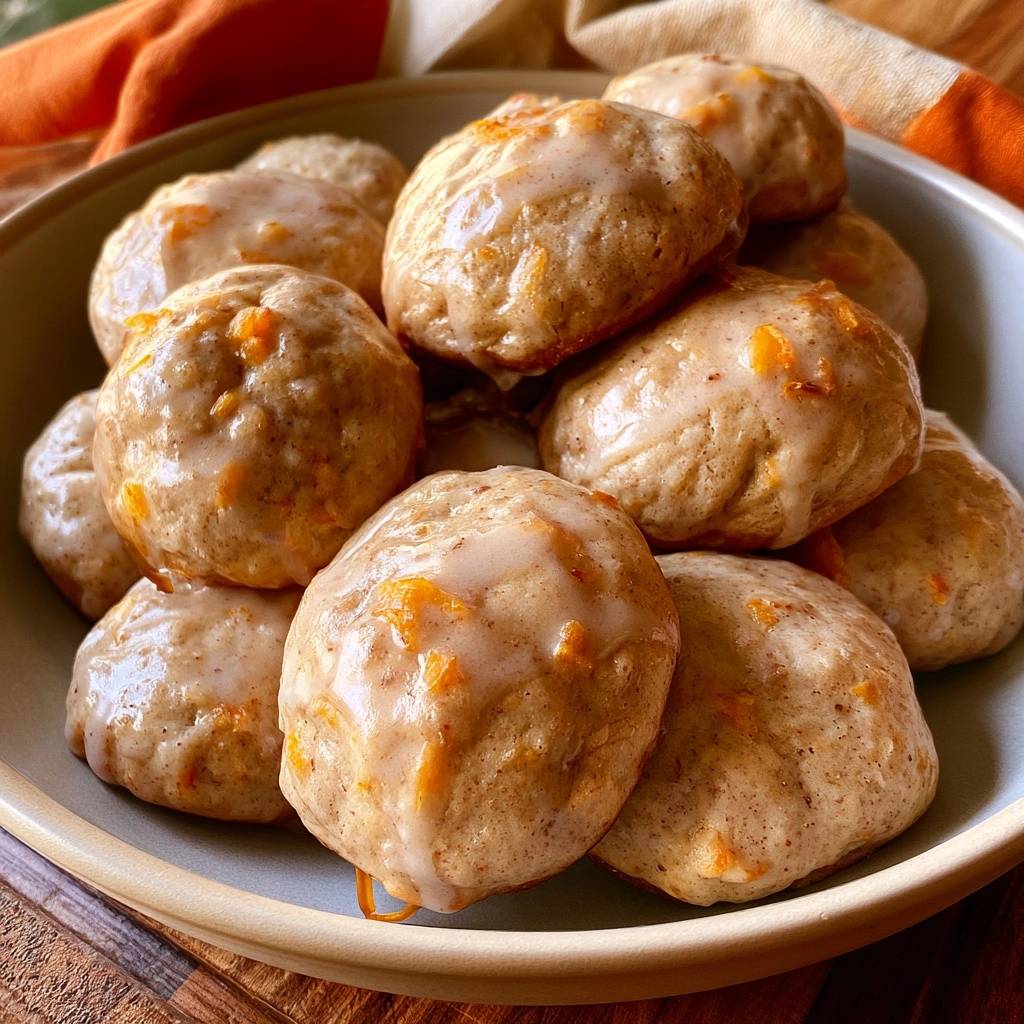
Lebkuchen is one of those German spice cookies that makes your kitchen smell like the holidays long before anything reaches the table. This version relies on honey and light brown sugar for sweetness, so the flavor is deep and mellow rather than sharp. Almond flour gives the cookies a tender, slightly dense crumb that feels rich without being heavy, and a warm blend of cinnamon, ginger, cloves, and nutmeg fills in the background.
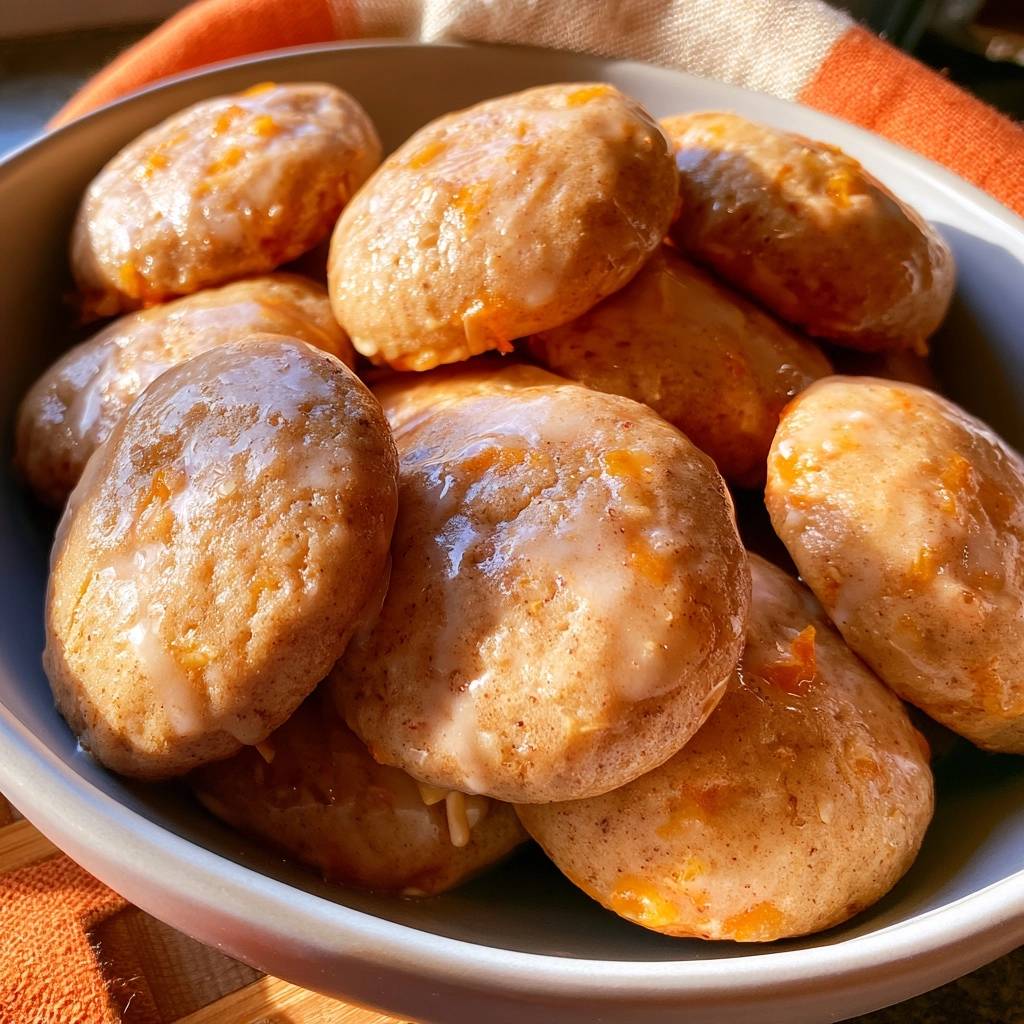
What sets this recipe apart is the candied orange peel and the thin orange glaze. Fresh orange zest brightens the dough from the inside, while the glaze adds a clean, sweet finish that keeps every bite interesting. If you are building a dessert lineup alongside high-protein meals, these cookies fit well because they are satisfying without relying on heavy frosting or fillings.
Why Honey and Brown Sugar Work Together
Honey does most of the heavy lifting here. It adds a floral sweetness and keeps the cookies soft, while brown sugar contributes molasses notes that round out the spices. Warm the two gently and stir until they are completely smooth, watching the pan so the mixture never gets too hot.
Let the honey mixture cool before you combine it with the eggs and orange zest. You want the dough to come together smoothly and stay easy to handle, and a warm base can make the eggs look scrambled and uneven once they meet the rest of the ingredients.
Getting the Right Texture From the Flours
Almond flour and all-purpose flour play different roles. Almond flour gives the cookies their tender, slightly chewy character, and all-purpose flour gives the dough enough structure to hold its shape in the oven. Whisk the dry ingredients thoroughly so the spices and leavener are evenly spread before anything else goes in.
The dough will feel soft and a little sticky, and that is normal. Resist the urge to add extra flour just to make it easier to handle. Instead, dampen your hands lightly when you shape each round. This keeps the dough manageable and gives you smoother, more even cookies. Once the honey mixture goes in, stop stirring as soon as no streaks remain so the texture stays tender.
Choosing and Chopping Candied Orange Peel
Candied orange peel is the signature touch in this recipe. Chop it finely so the pieces spread through the dough instead of clumping into chewy pockets, and so each cookie gets a little bit of citrus. Look for peel that feels moist and pliable rather than hard or dried out, since stiff pieces are harder to chop evenly.
Fold the peel in at the very end, after the dough is already mixed. This keeps the pieces distributed and prevents them from being smashed or streaked through the batter. Your reward is a cookie with bright, tangy bursts of orange in every bite.
Baking, Cooling, and Glazing Without Mistakes
Watch the bottoms more than the tops. These cookies are ready when the centers feel set and the bottoms turn a light golden. Overbaking can dry them out, so pull them as soon as they look done. Let them rest on the baking sheet briefly so they firm up enough to move, then finish cooling on a wire rack.
Glaze only after the cookies are fully cool. A warm cookie will soak up the glaze and turn sticky instead of setting into a thin, glossy layer. Brush on a light coat rather than a thick one. The glaze should complement the spice and citrus without overwhelming them.
Frequently Asked Questions
Why does the dough need to chill before shaping?
Chilling gives the soft, sticky dough time to firm up so it is much easier to shape into rounds. It also helps the cookies hold their form in the oven instead of spreading too far. Follow the chilling time on the recipe card, and keep the dough covered so the surface does not dry out.
How do I know when the lebkuchen are done baking?
Look for set centers and lightly golden bottoms. The tops may stay pale, which is normal for this style of cookie. Pull them from the oven at that point rather than waiting for deep color, since overbaking can make them dry. Let them cool on the sheet briefly before moving them.
Why does my glaze look too thin or runny?
A thin glaze is the goal here, so it should be fluid enough to brush on lightly. If it seems too runny, the cookies may still be warm, or the mixture may need a little more powdered sugar. Brush gently in a single layer and let the glaze set fully before serving.
Recipe
Glazed German Lebkuchen with Candied Orange Peel
These honey-sweetened German spice cookies combine almond flour, orange zest, and candied orange peel, then get a thin orange glaze.
- Course
- Dessert
- Cuisine
- German
- Difficulty
- Easy
- Servings
- 30 cookies
- Prep time
- 20 mins
- Cook time
- 14 mins
- Total time
- 1 hr 29 mins
- Calories
- 100 kcal
Ingredients
Cookies
Orange glaze
Instructions
Warm the honey and brown sugar in a small saucepan over medium-low heat, stirring, for 2 minutes until smooth. Remove from the heat and let cool for 10 minutes.
Whisk the eggs and orange zest into the cooled honey mixture. In a large bowl, whisk together the almond flour, all-purpose flour, baking soda, cinnamon, ginger, cloves, nutmeg, and salt. Stir in the honey mixture just until combined, then fold in the candied orange peel. Cover and chill the dough for 30 minutes.
Heat the oven to 350°F and line two baking sheets with parchment paper. Scoop the dough into 1 1/2-tablespoon portions, shape into rounds with lightly damp hands, and place them 2 inches apart.
Bake for 12 minutes, until the cookies are set and lightly golden on the bottom. Cool on the baking sheets for 5 minutes, then transfer to a wire rack and cool for 5 minutes.
Whisk the powdered sugar and orange juice until smooth. Brush a thin layer over the cookies and let the glaze set for 5 minutes.
Notes
- Chop the candied orange peel finely so it distributes evenly through the dough.
Recipe: https://mealsnrecipes.com/glazed-german-lebkuchen-with-candied-orange-peel/