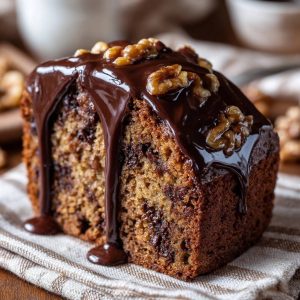

Imagine walking into a high-end bakery just as the oven door swings open, releasing a cloud of sweet, zesty citrus steam. That bright, punchy aroma of fresh oranges combined with buttery, toasted sugar is exactly what you get with these Glazed Orange Streusel Muffins. Most home bakers struggle with muffins that turn out like heavy, flavorless bricks, but that ends today.
The secret to a truly professional crumb isn’t just about the ingredients; it’s about the “Non-Dense Muffin Trick.” By mastering the relationship between temperature and technique, you can create a muffin that is incredibly light yet sturdy enough to hold a mountain of crunchy streusel. We’re going to focus on the chemistry of the rise to ensure your kitchen produces results that rival any professional pastry chef.
I’ve found that the real magic happens when you respect the delicate nature of the flour. The secret is a specific folding technique combined with a high-heat oven start. This method forces the batter upward rapidly, creating those iconic, sky-high domed tops while keeping the interior soft and airy. Let’s dive into how you can achieve this perfect citrus balance in your own kitchen.
Essential Components for Glazed Orange Streusel Muffins
Every ingredient in this recipe serves a structural or chemical purpose. We use all-purpose flour because it provides the necessary protein to support the heavy streusel topping. While cake flour might seem like it would make a lighter muffin, it often lacks the “bones” to keep the muffin from collapsing under the weight of the sugar and butter clumps.
The lift comes from a dual-action leavening system of baking powder and baking soda. The baking soda specifically reacts with the acidity in the sour cream and orange juice, creating immediate carbon dioxide bubbles. This reaction is why you’ll see the batter start to look slightly aerated even before it hits the oven. For the best flavor, always use fresh orange zest; the volatile oils in the skin provide a depth that bottled extracts simply cannot replicate.
Fat is the final piece of the moisture puzzle. We use a combination of melted butter for that classic flavor and sour cream for a rich, tender crumb. The high fat content in the sour cream coats the flour proteins, preventing them from bonding too tightly and becoming tough. This ensures your muffins stay moist for days rather than drying out by the next morning.

The Role of Room Temperature Dairy
Temperature is the most overlooked factor in baking success. When you use room temperature eggs and sour cream, they emulsify perfectly with the melted butter. If you use cold ingredients, the melted butter will seize and create tiny clumps of fat, leading to an uneven, greasy texture in the finished muffin.
If you’re in a rush, you can quickly warm cold eggs by placing them in a bowl of warm water for five minutes. Similarly, you can zap your sour cream in the microwave for just 5 to 10 seconds to take the chill off. This small step ensures a smooth, homogenous batter that rises evenly.
Selecting the Right Oranges for Zest
Not all oranges are created equal when it comes to baking. Navel oranges are fantastic because they are easy to zest and provide a very consistent, sweet juice. However, if you want a more floral note, Valencia oranges are a great choice. Avoid using the white pith under the skin, as it is incredibly bitter and will ruin the delicate sweetness of the muffin.
The Science of the High-Heat Start
If you want those “skyscraper” muffin tops, you have to change how you use your oven. We start the baking process at 425°F. This intense initial heat creates what bakers call “Oven Spring.” The high temperature causes the liquid in the batter to turn into steam almost instantly, pushing the batter upward before the crust has a chance to set.
Once the muffins have achieved that initial lift, we drop the temperature to 375°F. This allows the interior to cook through thoroughly without burning the exterior or the sugary streusel. If you bake at a consistent low temperature, the leavening agents will exhaust themselves before the structure is strong enough to hold the height, resulting in flat, sad-looking tops.
Step-by-Step: Mixing for Maximum Aeration
The way you combine your ingredients determines the final texture of your muffin. We use the “folding” method rather than stirring or whisking. Folding involves using a spatula to cut through the center of the batter, scraping the bottom, and lifting it over the top. This gentle motion incorporates the flour without over-developing the gluten.
You want your batter to look thick and noticeably lumpy. If you mix until the batter is perfectly smooth, you’ve gone too far. A smooth batter means the gluten has been worked into a tight web, which will trap air too effectively and result in a rubbery, tough muffin. Stop the moment you see the last streak of white flour disappear.
Preparing the Citrus-Infused Wet Base
Start by whisking your melted butter, eggs, sour cream, and orange juice until the mixture is completely smooth. In this recipe, we keep the sugar in the dry bowl. This is a strategic move; the sugar crystals act as physical barriers between the flour particles, making it even harder for gluten to form when the wet ingredients are added.
The Gentle Fold: Avoiding the Over-Mixing Trap
Try to limit yourself to about 12 to 15 folds total. If you over-mix, you’ll notice “tunneling” in your finished muffins—those long, vertical holes that run through the center. These tunnels are a classic sign that the batter was overworked. Keep it messy, keep it lumpy, and your muffins will be incredibly tender.
Crafting the Perfect Streusel Texture
The streusel is all about the butter temperature. You must use cold, cubed butter to get those distinct, crunchy clumps. If the butter is too soft, it will mix with the flour and sugar to form a paste, which will simply melt into the muffin during the high-heat phase of baking.
Use your fingertips or a pastry cutter to work the butter into the dry ingredients until it looks like wet sand with some pea-sized chunks. These larger chunks are what create the “crunch” factor. The ratio of flour to sugar here is specifically designed to stay crisp even after the muffins have cooled.
Baking and Cooling for Structural Integrity
Bake your muffins for 18 to 22 minutes, but start checking them at the 18-minute mark. Because of the sour cream, these muffins are very moist, so a toothpick should come out with just a few moist crumbs attached. If the toothpick is wet, they need another two minutes.
Timing the cooling process is just as important as the baking. Let the muffins sit in the hot tin for exactly five minutes. This allows the structure to firm up so they don’t fall apart when you lift them. However, if you leave them in the tin any longer, the residual heat will cause steam to build up at the bottom, making the muffins soggy.
Achieving an Opaque Orange Juice Glaze
A great glaze should be thick, white, and opaque, not a watery translucent film. The key is to sift your powdered sugar first to remove any lumps. Add the orange juice one teaspoon at a time until the glaze falls off your whisk in a thick “ribbon” that holds its shape for a second before disappearing into the bowl.
Apply the glaze while the muffins are still slightly warm. This allows the glaze to flow slightly and “set” onto the streusel without melting completely. Immediately top with fresh orange zest while the glaze is wet so the zest sticks. This adds a beautiful pop of color and an extra hit of fresh citrus aroma.
Troubleshooting Common Muffin Failures
If your muffins didn’t rise, the most likely culprit is old baking powder or an oven that wasn’t fully preheated. Always check your leavening agents by dropping a pinch of baking powder into hot water; if it doesn’t fizz violently, toss it. Also, ensure you aren’t opening the oven door during the first 10 minutes of baking, as this lets out the crucial heat needed for the rise.
If your streusel fell off, your clumps were likely too small or the batter was too dry. Make sure you fill the muffin cups nearly to the top so the streusel has a wide surface to sit on. If you experience a bitter aftertaste, you likely zested too deep into the orange. Only take the very top layer of bright orange skin, leaving the white pith behind.
Storage and Moisture Retention Strategies
These muffins stay fresh at room temperature for about two to three days if kept in an airtight container. The sugar in the glaze actually helps lock in moisture, acting as a natural preservative. If you find the streusel has softened, you can revive the crunch by popping the muffin into a toaster oven for two minutes.
For longer storage, these muffins freeze beautifully. Wrap them individually in plastic wrap and place them in a freezer bag for up to three months. To reheat, let them thaw at room temperature or microwave them for 20 seconds. Just keep in mind that the glaze may become a bit more absorbed into the muffin after freezing.
Expert Tips for Citrus Baking Success
Properly measuring your flour is the biggest favor you can do for your baking. Instead of scooping the measuring cup directly into the flour bag, which packs it down, use a spoon to fluff the flour and fill the cup, then level it off with a knife. This prevents you from accidentally adding too much flour and creating a dry muffin.
To really intensify the orange flavor, try rubbing the orange zest into the granulated sugar with your fingertips before you start mixing. This releases the essential oils directly into the sugar, ensuring the citrus flavor is distributed throughout every single bite. It’s a small step that makes a massive difference in the final taste.
Finally, always sift your powdered sugar for the glaze. Even small lumps can ruin the smooth, professional look of your drizzle. Using a cookie scoop to portion the batter into the tin also ensures that every muffin is the same size, which means they will all finish baking at exactly the same time.
How do I store these muffins so they don’t get soggy?
The best way to store these is in an airtight container at room temperature. However, to prevent the tops from getting sticky or soggy, place a paper towel at the bottom of the container and another one on top of the muffins. The paper towels will absorb any excess moisture that escapes as the muffins sit. They will stay fresh for up to 3 days this way.
Why are my muffins tough and full of holes?
Toughness and “tunneling” (large holes) are almost always caused by over-mixing the batter. When you stir the flour into the wet ingredients too vigorously, you develop gluten. For a tender muffin, you want as little gluten development as possible. Use a spatula to gently fold the ingredients together and stop as soon as you no longer see dry flour.
Can I use bottled orange juice instead of fresh?
You can use bottled orange juice in a pinch, but the flavor won’t be as vibrant. Freshly squeezed juice has a higher acidity and more nuanced flavor which helps the muffins rise and provides that “bright” taste. If you use bottled juice, make sure it is 100% juice with no added sugar, or the muffins may turn out too sweet and brown too quickly.
Can I make these muffins gluten-free?
Yes, you can substitute the all-purpose flour with a high-quality 1:1 gluten-free flour blend. Look for a blend that contains xanthan gum, as this helps provide the structure that gluten usually provides. Note that gluten-free batters often need to “rest” for about 10 minutes before baking to allow the rice flour to hydrate, which prevents a gritty texture.
What if I don’t have sour cream?
Full-fat Greek yogurt is an excellent 1:1 substitute for sour cream in this recipe. It provides the same acidity and moisture levels. If you don’t have yogurt either, you can use whole milk mixed with a teaspoon of lemon juice, though the muffins will be slightly less rich and the batter will be thinner.
Why did my streusel melt into the muffin?
This usually happens if the butter in the streusel was too warm or if the oven wasn’t hot enough when the muffins went in. The butter needs to be cold so it holds its shape long enough for the flour and sugar to crisp up. Also, ensure you are using the high-heat start (425°F) to set the topping quickly before the butter has a chance to liquefy completely.

Glazed Orange Streusel Muffins
Course: BreakfastCuisine: AmericanDifficulty: easy12
muffins15
minutes20
minutes35
MinutesAmerican
Ingredients
For the Muffins:
2 cups all-purpose flour
1 cup granulated sugar
2 teaspoons baking powder
1/2 teaspoon baking soda
1/2 teaspoon salt
1/2 cup unsalted butter, melted and cooled
2 large eggs, room temperature
1/2 cup sour cream or Greek yogurt, room temperature (for moisture and lift)
1/4 cup fresh orange juice
2 tablespoons orange zest
1 teaspoon vanilla extract
For the Streusel:
3/4 cup all-purpose flour
1/2 cup granulated sugar
5 tablespoons cold unsalted butter, cubed
1/4 teaspoon salt
For the Glaze:
1 cup powdered sugar, sifted
1.5 to 2 tablespoons fresh orange juice
Extra orange zest for garnish
Directions
- Preheat your oven to 425°F (218°C). Line a standard 12-cup muffin tin with paper liners. Starting at this high temperature creates a burst of steam that lifts the muffin batter rapidly, creating the tall domes seen in the image.
- In a large bowl, whisk together the flour, sugar, baking powder, baking soda, and salt. In a separate medium bowl, whisk the melted butter, eggs, sour cream, orange juice, orange zest, and vanilla until smooth.
- To solve the density problem, pour the wet ingredients into the dry ingredients. Use a rubber spatula to gently fold the mixture together. Stop the moment the last streak of flour disappears. The batter should be thick and lumpy; over-mixing at this stage is what causes “brick-like” muffins.
- Prepare the streusel by combining the flour, sugar, and salt. Use a pastry cutter or your fingers to work the cold butter into the dry ingredients until you have large, distinct clumps.
- Divide the batter evenly among the 12 muffin cups, filling them nearly to the top. Generously pile the streusel clumps onto each muffin.
- Place the tin in the oven and immediately reduce the heat to 375°F (190°C). Bake for 18 to 22 minutes, or until the tops are golden and a toothpick comes out clean. Let the muffins cool in the pan for 5 minutes before moving to a wire rack.
- Whisk the powdered sugar and orange juice together until you have a thick, opaque white icing that holds its shape. Once the muffins are slightly warm but not hot, drizzle the glaze generously over the streusel. Immediately top with fresh orange zest so it sticks to the wet glaze. Allow the glaze to set before serving.
Notes
- To ensure a high dome, start the oven at 425°F and reduce to 375°F immediately after placing the muffins inside. Always use room temperature dairy and eggs to prevent the batter from seizing and becoming dense.