Why Glazed Square Donuts Transform Home Baking
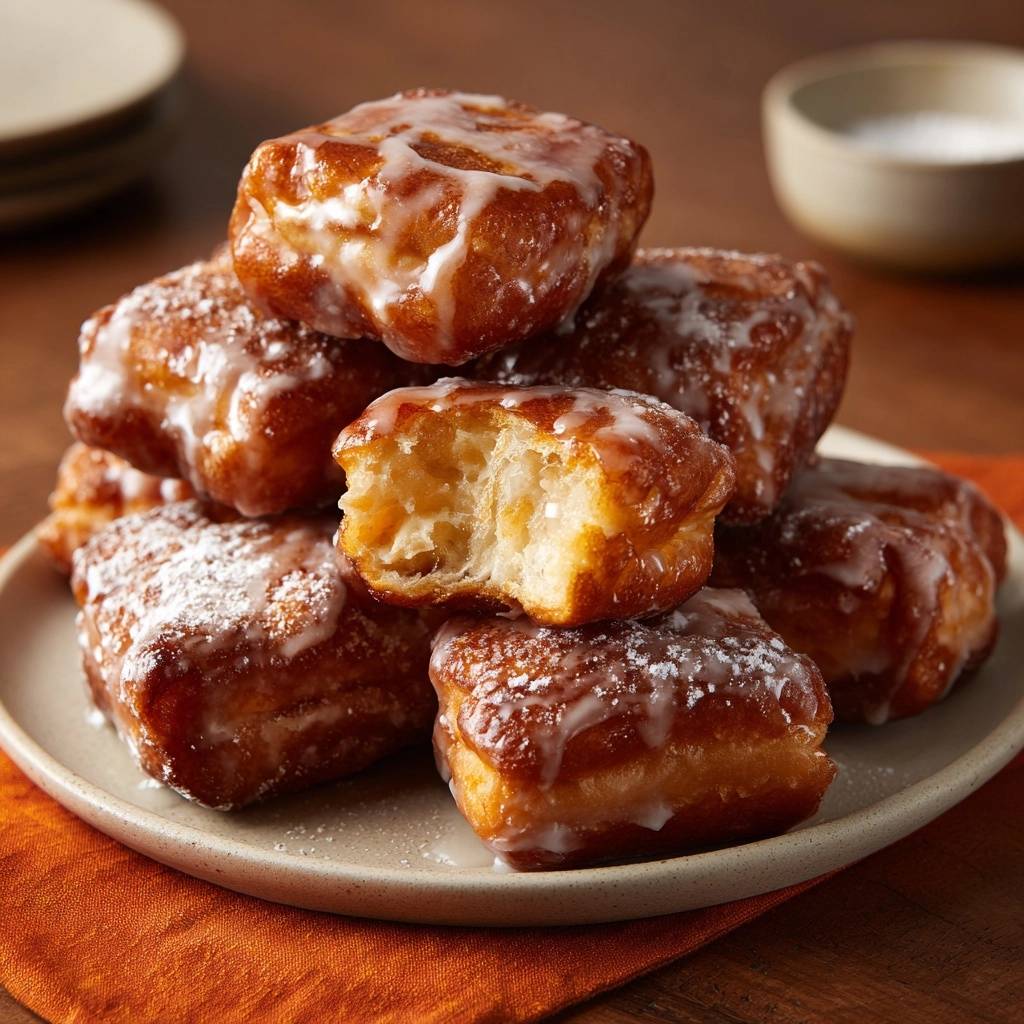
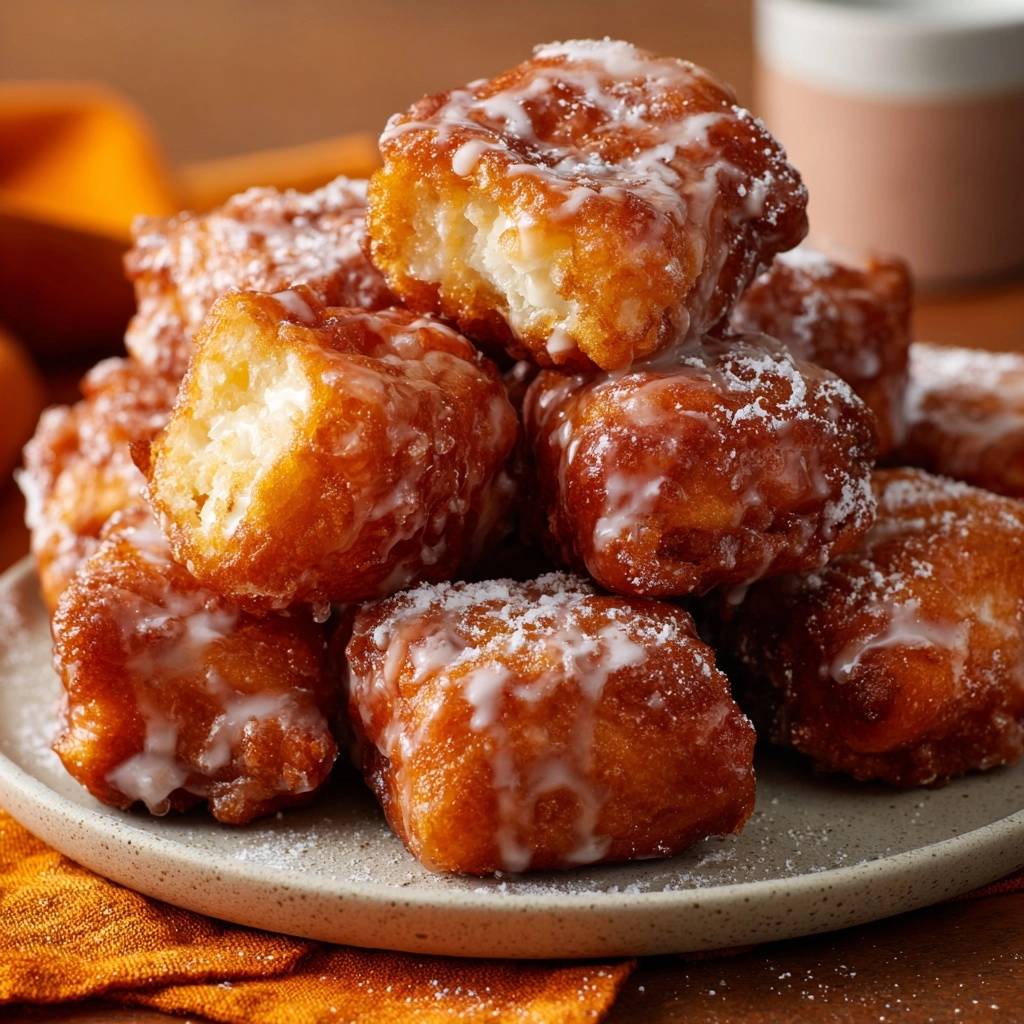
Homemade donuts usually end up dense and chewy, right? You fry them full of hope, but they sink like bricks. These glazed square donuts fix that fast with a double leavening trick using yeast and baking powder together. They come out crispy outside, fluffy inside every time.
So why do squares beat rounds? They fry evenly without flipping drama, and portions stay neat. No more uneven edges or wasted dough. Plus, that square glazed donuts recipe delivers bakery quality at home, saving you cash and hassle.
Here’s the expertise kicker: the baking powder kicks in during frying for instant steam pockets. That locks in airiness even if your yeast acts up. Oh man, the first bite melts with perfect lightness, no chew whatsoever.
Dough Ingredients for Airy Glazed Square Donuts
Start with 2 1/4 teaspoons active dry yeast, one full packet. It builds deep flavor and a slow rise. Pair it with 1 teaspoon baking powder for that quick lift in hot oil, preventing dense centers.
Warm milk, about 3/4 cup at 110F, tenderizes the crumb without toughening it. Softened butter, 1/4 cup, adds richness but stays light since you knead minimally. Two large eggs give structure and moisture for fluff.
Granulated sugar, 1/4 cup, feeds the yeast and sweetens gently. Salt, 1 teaspoon, balances flavors. You’ll need 3 1/2 cups all-purpose flour, plus extra for dusting to avoid sticking without overflouring the dough.
| Ingredient | Amount |
|---|---|
| Active dry yeast | 2 1/4 tsp (1 packet) |
| Warm water | 1/4 cup (110F) |
| Warm milk | 3/4 cup |
| Granulated sugar | 1/4 cup |
| Salt | 1 tsp |
| Unsalted butter, softened | 1/4 cup |
| Large eggs | 2 |
| Baking powder | 1 tsp |
| All-purpose flour | 3 1/2 cups + extra |
| Vegetable oil | 6 cups for frying |
Yeast and Baking Powder Duo Explained
Yeast ferments slowly, producing CO2 for flavor and rise over an hour. Baking powder reacts fast in heat, releasing gas bubbles. Together, they create reliable lift in glazed square donuts.
During frying, that combo forms steam pockets for fluffiness. Single leavening fails here: yeast alone risks density if weak, baking powder alone lacks flavor. This duo guarantees airy results.
Glaze Components for Perfect Coating
Two cups powdered sugar forms the base for smooth glaze. Add 1/4 cup milk gradually; too much makes it runny, so whisk to ribbon consistency. Pure vanilla extract, 1 teaspoon, boosts flavor without overpowering.
Dip warm donuts for shiny glaze, or dust with extra powdered sugar for crisp contrast. For thicker glaze, cut milk to 3 tablespoons and add more sugar bit by bit.
Science of Double Leavening in Glazed Square Donuts
Yeast breaks down sugars into CO2 gas and alcohol during rising, building structure and taste. Baking powder, with its acid-base reaction, waits for 350F oil to activate. There, it explodes into steam pockets, expanding the dough from inside.
Traditional round donuts often rely on yeast only, leading to heavy centers if proofing falters. Squares fry uniformly since all sides hit oil evenly, maximizing those bubbles. In addition, the shape cuts cleanly, reducing dough stress.
Picture tiny gas bubbles trapped in gluten walls. Hot oil triggers them all at once, puffing squares to golden perfection. That’s why this method beats single-leaven failures every time.
Steam Pockets During Frying Dynamics
At 350F, baking powder releases CO2 instantly, turning to steam in the oil. This lifts the centers unlike round donuts, where edges cook first and trap density. Squares ensure even pocket formation.
Therefore, you get non-dense glazed square donuts with consistent fluff. Keep oil steady to avoid greasy results.
Essential Tools for Glazed Square Donuts Success
A deep pot holds 6 cups oil stably for even heat. Pizza cutter slices clean 2-inch squares, preventing ragged edges that flip poorly. Parchment paper lines trays so rising dough won’t stick.
Thermometer is non-negotiable for 350F precision; guesswork leads to soggy fails. In addition, paper towels or a wire rack drain excess oil fast, keeping crispness. Affordable digital thermometers work best for beginners.
Pro tip: Use a slotted spoon for safe batch frying. These tools stop common pitfalls like uneven cooking in glazed square donuts.
Thermometer Precision for Fry Control
Oil below 350F soaks in, making donuts greasy; above burns outsides raw inside. Digital thermometers read faster than analog, clipping right on the pot. Therefore, they prevent greasy or raw centers in square glazed donuts.
Check between batches to maintain temp. It’s the difference between pro results and takeout-level flops.
Phase 1: Activating Yeast Base for Glazed Square Donuts
Dissolve 2 1/4 teaspoons yeast in 1/4 cup 110F water. Let it sit 5 minutes; foam proves it’s alive. No foam? Yeast is dead, grab fresh.
Stir in 3/4 cup warm milk, 1/4 cup sugar, 1 teaspoon salt, 1/4 cup softened butter, 2 eggs, and 1 teaspoon baking powder. Smell that sweet, yeasty aroma starting? You’re on track.
Phase 2: Mixing and Kneading Light Dough
Gradually add 3 1/2 cups flour, mixing to a soft dough. Turn onto floured surface and knead gently 3-4 minutes until smooth, still slightly sticky. Overknead toughens it, so stop early for fluffier glazed square donuts.
The dough transforms from shaggy to silky fast. That stickiness traps air better during rising. Pro tip: Wet hands prevent sticking without extra flour.
Phase 3: Controlled Rising for Puffy Squares
Grease a bowl, place dough inside, cover, and let rise 1 hour in a warm spot until doubled. Oven with light on works perfectly. Punch down gently to release gas.
Roll to 1/2-inch thick, cut 2-inch squares with pizza cutter. Cover loosely on parchment and proof 30 minutes until puffy. They’ll smell bready and feel light.
Phase 4: Frying Glazed Square Donuts Golden
Heat 6 cups vegetable oil to 350F in a deep pot. Fry squares 1-2 minutes per side in batches until golden. The double leaven activates here, puffing them with steam.
Maintain temp between batches; flip once for even crisp. Drain on paper towels. Safety first: never leave hot oil unattended.
Phase 5: Applying Signature Glaze Finish
Whisk 2 cups powdered sugar, 1/4 cup milk, and 1 teaspoon vanilla until smooth. Dip warm donuts halfway or dust with powdered sugar. Glaze sets shiny as they cool on a rack.
Store in airtight container up to 2 days. Reheat at 350F oven for 2 minutes to refresh crisp. Pro tip: Glaze while warm for best stick.
Avoiding Pitfalls in Glazed Square Donuts
Ovkneading makes chewy donuts; stick to 3-4 minutes max. Cold oil below 350F turns them greasy, so use that thermometer. Overproofed squares collapse in oil, deflating your fluff.
Finicky yeast? Test with foam first, and buy fresh packets. For squares, cut evenly to avoid flip issues. Checklist: temp steady, batches small, drain well.
Therefore, follow these, and you’ll nail non-dense glazed square donuts. Common fixes keep it foolproof.
Overkneading and Density Fixes
Tough dough feels elastic, not soft. If overkneaded, toss and restart; rescues toughen it more. Prevent by timing 3-4 minutes and keeping it sticky.
In square glazed donuts, this preserves steam pockets for light texture.
Flavor Twists on Glazed Square Donuts
Mix 1 teaspoon cinnamon into dough for warm spice. Swap glaze for chocolate: melt 1 cup chips with 1/4 cup milk. Dust with matcha powder for earthy pop.
Add lemon zest to glaze for citrus brightness. For vegan, use almond milk and flax eggs, keeping double leaven intact. These tweaks amp flavor without losing fluff.
Pairing Glazed Square Donuts with Beverages
Black coffee cuts the sweetness perfectly. Green tea offers herbal contrast to glaze. Hot chocolate doubles down on indulgence.
Berry smoothies refresh after richer bites. Squares stack neat on platters for sharing. In winter, try spiced chai; summer calls for iced lemon tea.
Glazed Square Donuts Troubleshooting Guide
How do I store glazed square donuts and can they freeze?
Store in an airtight container at room temp up to 2 days; glaze softens slightly but stays tasty. Refrigerate for 4 days max, though crispness fades. Reheat in 350F oven 2 minutes to crisp up.
Freeze unglazed donuts in freezer bags up to 1 month. Thaw, reheat, then glaze. Avoid freezing glazed ones; sugar weeps and gets soggy.
Why are my glazed square donuts dense?
Density hits from single leavening or overkneading. Double up yeast and baking powder exactly, and knead just 3-4 minutes. Weak yeast skips foam test, so replace it.
Underproofing also packs it tight; ensure doubling visually before cutting.
Can I substitute ingredients in glazed square donuts?
No yeast? Bread flour works but adjust to 3 1/4 cups for less gluten chew. Gluten-free all-purpose blend swaps 1:1, add 1/2 teaspoon xanthan gum for structure.
Milk alternatives like oat or almond fine; keep warm. No butter? Coconut oil, softened, adds similar richness.
Why are my donuts greasy after frying?
Oil below 350F absorbs into dough. Heat precisely and fry quick 1-2 minutes per side. Drain well on paper towels, then cool rack.
Too many batches drop temp; pause to reheat between.
Why did my glaze turn out runny on square donuts?
Excess milk thins it; start with 3 tablespoons and add drops. Whisk vigorously for smooth emulsion. If runny, stir in more powdered sugar 1/4 cup at a time.
Dip warm donuts; cool ones slide off.
How do I fix flat glazed square donuts?
Overproofing deflates them in oil; limit second rise to 30 minutes until puffy, not doubled. Uneven oil temp also flattens. Roll exactly 1/2-inch thick for balance.
Squares help by frying evenly, so cut straight.
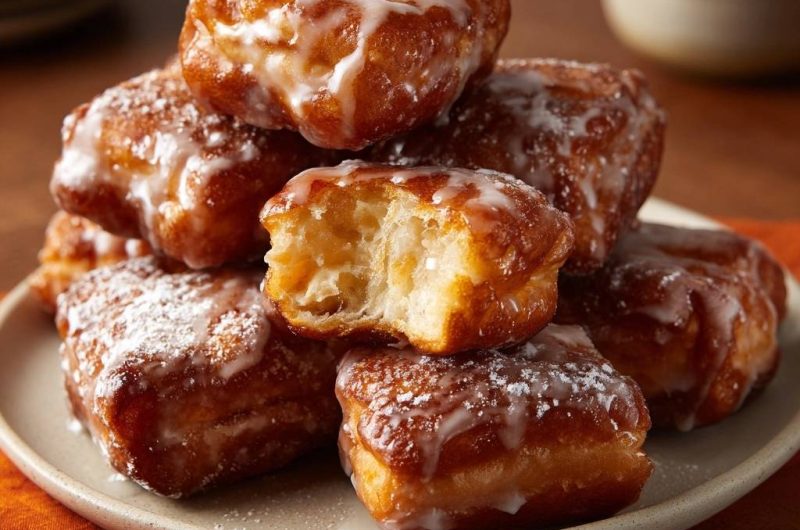
Glazed Square Donuts
Course: DessertCuisine: AmericanDifficulty: easy4
20 donuts30
minutes20
minutes120
Minutes250
kcalAmerican
Ingredients
Dough:
2 1/4 teaspoons active dry yeast (1 packet)
1/4 cup warm water (110F)
3/4 cup warm milk
1/4 cup granulated sugar
1 teaspoon salt
1/4 cup unsalted butter, softened
2 large eggs
1 teaspoon baking powder
3 1/2 cups all-purpose flour (plus extra for dusting)
Vegetable oil for frying (about 6 cups)
Glaze:
2 cups powdered sugar
1/4 cup milk
1 teaspoon vanilla extract
Powdered sugar for dusting
Directions
- Activate yeast: In a large bowl, dissolve yeast in warm water. Let sit 5 minutes until foamy.
- Make dough: Stir in warm milk, sugar, salt, butter, eggs, and baking powder. Gradually add flour, mixing until a soft dough forms. Knead gently on floured surface 3-4 minutes until smooth but still slightly sticky. Do not overknead.
- First rise: Place dough in greased bowl, cover, and let rise in warm spot 1 hour until doubled.
- Shape: Punch down dough, roll to 1/2-inch thick on floured surface. Cut into 2-inch squares with knife or pizza cutter. Place on parchment-lined tray, cover loosely, and let rise 30 minutes until puffy.
- Heat oil: In deep pot or fryer, heat oil to 350F (use thermometer for precision).
- Fry: Fry squares 1-2 minutes per side until golden. Work in batches, maintaining oil temp. Drain on paper towels.
- The Non-Dense Donut Trick Highlight: This combo of yeast (for flavor and rise) + baking powder (for instant lift during frying) creates steam pockets that guarantee fluffy, non-dense centers. No more flat or heavy donuts, even if your yeast is finicky.
- Glaze: Whisk powdered sugar, milk, and vanilla until smooth. Dip warm donuts halfway in glaze or dust with powdered sugar. Cool slightly and serve.
- Store in airtight container up to 2 days. Reheat in 350F oven 2 minutes for crisp refresh.
Notes
- The Non-Dense Donut Trick: Combo of yeast (for flavor and rise) + baking powder (for instant lift during frying) creates steam pockets for fluffy centers. Store in airtight container up to 2 days. Reheat in 350F oven for 2 minutes for crisp refresh.