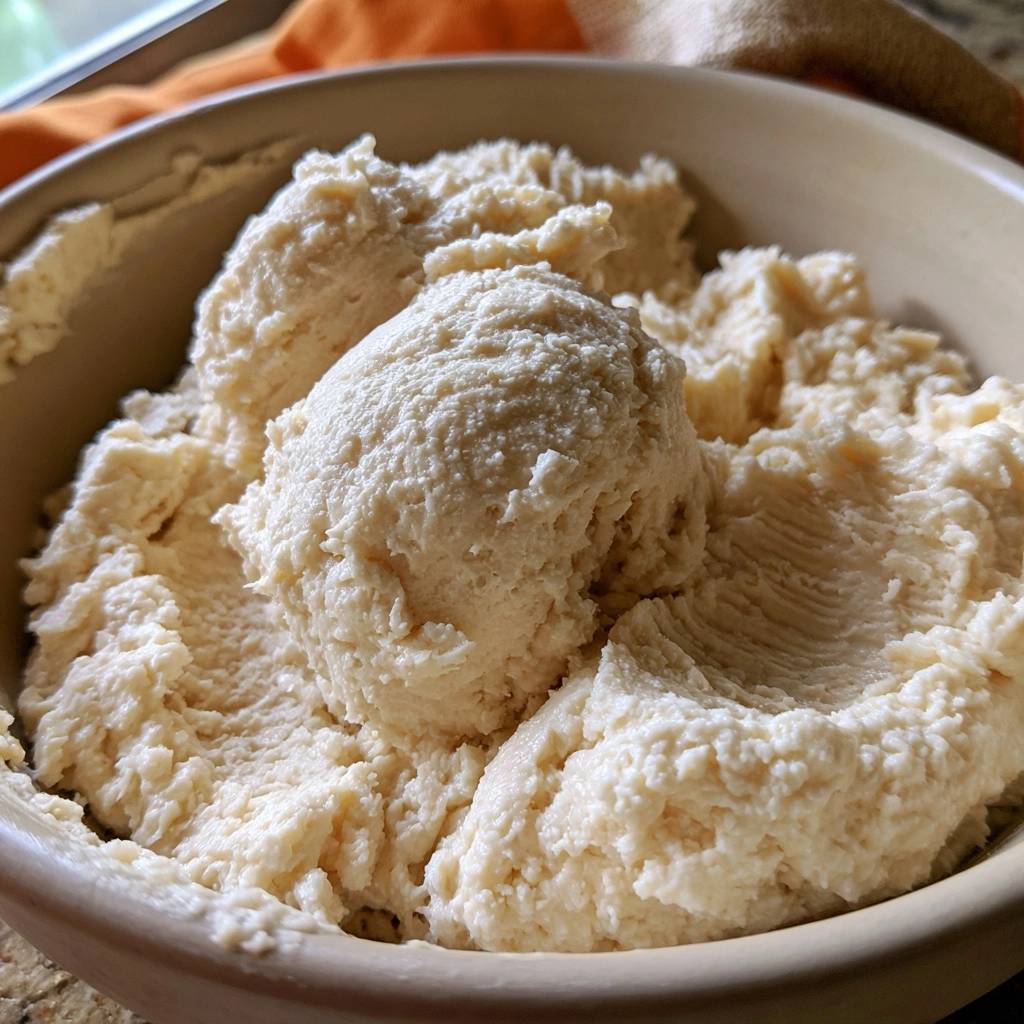
This high-protein cottage cheese cookie dough has the familiar appeal of a sweet, chocolate-chip-studded treat, with a soft texture made for eating by the spoonful. Blending the cottage cheese until smooth helps it disappear into the dough, while vanilla protein powder and almond flour give the mixture its body.
A brief chill helps the dough thicken before serving. Since protein powders absorb liquid differently, you can adjust the almond flour gradually to reach a texture you like.
Why blend the cottage cheese first
Cottage cheese gives this no-bake dough its creamy base, but curds can leave the finished mixture uneven. Blend it until completely smooth, pausing to scrape down the sides as needed. Taking care at this stage makes it easier to stir in the remaining ingredients without pockets of cottage cheese.
Once smooth, transfer the cottage cheese to a bowl before mixing in the vanilla protein powder, maple syrup, vanilla bean powder, and fine salt. Stir until the mixture is smooth before adding the almond flour. This order helps the flavorings and protein powder combine evenly.
Adjust the dough to your preferred thickness
Blanched almond flour thickens the mixture and gives it a scoopable consistency. Protein powders vary in how much liquid they absorb, so the dough may feel softer or firmer depending on the one you use. Stir in the almond flour gradually, adding more only if the mixture still feels too soft.
Aim for a thick dough that holds together on a spoon. Adding extra almond flour all at once can make it firmer than you want, so pause to check the texture as you mix. Fold in the mini semisweet chocolate chips after the dough has thickened.
Chill for a spoonable finish
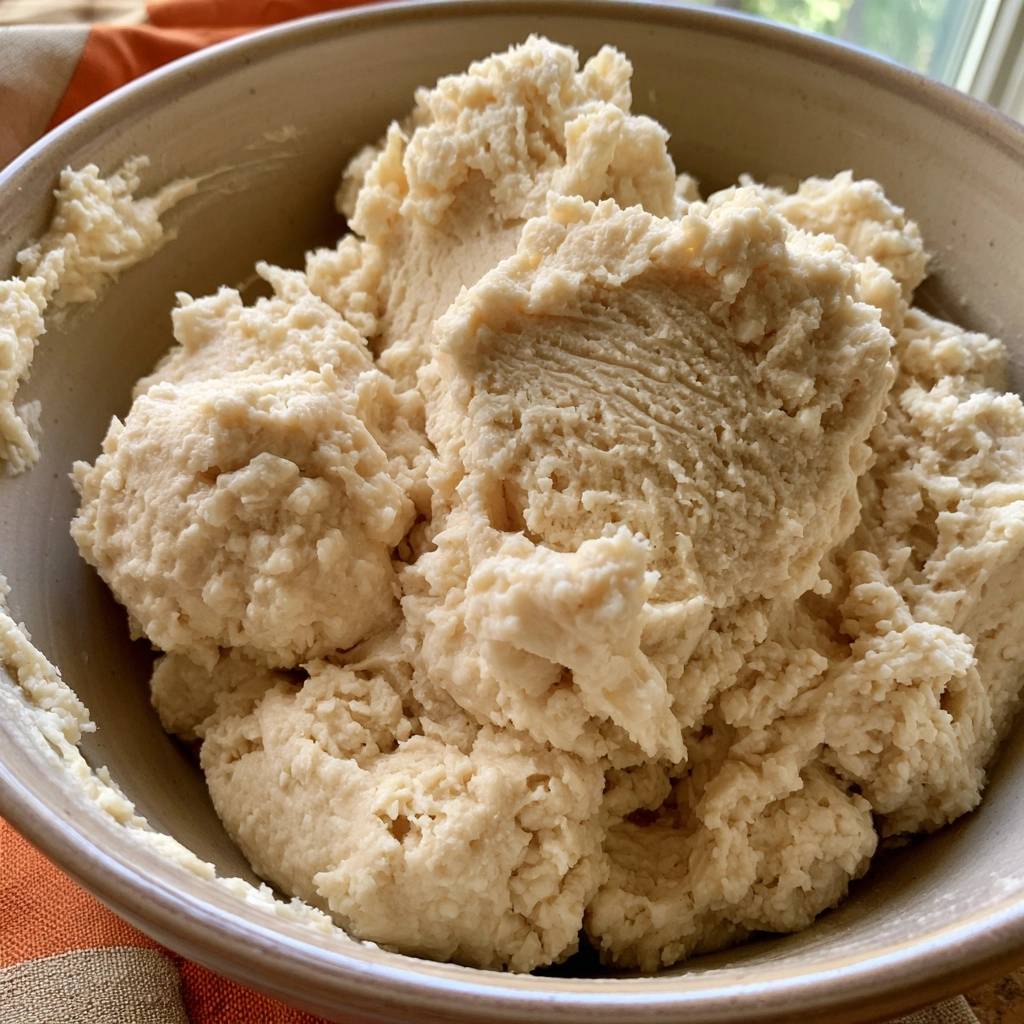
Refrigerating the covered dough gives it time to firm up into a thicker, spoonable texture. Serve it cold by the spoonful. If it seems softer before chilling, avoid judging the final consistency too soon; the recipe is designed to thicken in the refrigerator.
The vanilla bean powder complements the vanilla protein powder, while maple syrup adds sweetness. Fine salt helps round out those flavors, and mini chocolate chips distribute chocolate throughout the dough without overwhelming each bite.
Frequently Asked Questions
Why is my cottage cheese cookie dough too soft?
Protein powders absorb different amounts of liquid, so a softer dough can depend on the powder you use. Stir in the extra almond flour gradually until the mixture reaches a thick, scoopable consistency, then chill it as directed.
Do I need to blend the cottage cheese?
Yes. Blend it until completely smooth, scraping down the sides of the blender as needed. This helps prevent curds in the finished dough and makes it easier to stir in the protein powder and other ingredients evenly.
When should I add the chocolate chips?
Fold the mini semisweet chocolate chips into the dough after the almond flour is mixed in and the texture is thick and scoopable. This keeps the chips distributed through the dough without getting in the way of adjusting its thickness.
High-Protein Cottage Cheese Cookie Dough
Course: Snack, DessertCuisine: AmericanDifficulty: Easy4
servings10
minutes350
kcal30
minutesThis no-bake cookie dough combines blended cottage cheese, vanilla protein powder, almond flour, maple syrup, and mini chocolate chips. Chill it briefly for a thicker, spoonable texture.
Ingredients
1 cup 2% cottage cheese
1/2 cup vanilla protein powder
1 cup blanched almond flour, plus up to 2 tbsp as needed
2 tbsp pure maple syrup
1/4 tsp vanilla bean powder
1/4 tsp fine salt
1/4 cup mini semisweet chocolate chips
Directions
- Blend the cottage cheese until completely smooth, scraping down the sides of the blender as needed.
- Transfer the cottage cheese to a bowl. Stir in the protein powder, maple syrup, vanilla bean powder, and salt until smooth.
- Stir in the almond flour until the mixture is thick and scoopable. If it feels too soft, mix in more almond flour 1 tablespoon at a time. Fold in the chocolate chips.
- Cover and refrigerate for 20 minutes, then serve cold by the spoonful.
Notes
- Protein powders vary in how much liquid they absorb, so add the extra almond flour gradually until the dough reaches your preferred thickness.