Why Yogurt Transforms Grilled Chicken
Picture this: you’ve fired up the grill, excited for juicy chicken, but it comes off tough and dry. Happens to everyone. However, this yogurt marinade changes everything. It tenderizes the meat gently, so you get that perfect bite every time.
Why does it work so well? Yogurt’s lactic acid breaks down proteins without turning the chicken mushy, unlike harsher vinegars. In addition, it clings better than oil alone, locking in flavors and moisture. You’ll never go back to bland grilling.
Here’s the pro tip that seals it: pound the breasts to an even half-inch thick first. That ensures uniform cooking, no dry edges. Oh man, the first time I tried this after a BBQ flop, it was game-changing, charred outside and so tender inside.
Key Ingredients for Juicy Grilled Chicken
You need four boneless skinless chicken breasts, about one-and-a-half pounds. They cook evenly when pounded. Fresh parsley adds brightness, half a cup chopped and divided. Use it fresh because dried loses punch, even at a two-to-one ratio.
Greek yogurt is the star, one cup plain and divided. It tenderizes via enzymes and coats perfectly. Spices like a teaspoon each of salt, pepper, garlic powder, and paprika build layers. Salt brines while grilling, pepper pops, and paprika gives smoky color, especially indoors.
Olive oil, two tablespoons, handles high heat without smoking out. Therefore, grab full-fat Greek yogurt for best moisture lock. It coagulates on the grill, sealing juices in.
Greek Yogurt: Marinade and Sauce Base
Go for thick, high-protein Greek yogurt over regular. Full-fat retains more moisture than low-fat. At grill temps, its proteins coagulate fast, trapping juices inside. In addition, it makes the sauce creamy without extra work.
Spices That Build Bold Flavor Layers
Salt seasons and draws out moisture for brining. Pepper adds heat but volatilizes, so don’t skimp. Paprika colors the char and mimics smoke. Together, they layer flavor deeply into the meat.
Science of Yogurt Marinade Tenderizing
Yogurt’s bacteria create lactic acid at a pH of four to five. This erodes muscle fibers slowly over one to twenty-four hours. Unlike kiwi or pineapple enzymes, which mush everything up fast, yogurt tenderizes just right.
After marinating, a thin layer promotes the Maillard reaction for those craveable grill marks. Resting lets juices redistribute as proteins relax. Therefore, you get succulence, not dryness.
Protein Breakdown Without Over-Tenderizing
Strong acids like vinegar act too quick and make meat mealy. Yogurt’s mild pH works slow, perfect for half-inch breasts in one hour. For thicker cuts, go overnight, but cap at twenty-four hours max.
Pounding Technique for Even Grilling
Start by placing chicken between plastic wrap. Pound gently with a rolling pin or mallet to half-inch thickness. This uniformity hits 165 degrees everywhere without overcooking edges.
The yogurt-salt mix brines as it tenderizes. Therefore, cover and chill for at least one hour. Pro tip: if frozen, thaw directly in the marinade for extra juiciness.
Avoid mess by pressing evenly from center out. You’ll see it transform from uneven lumps to perfect cutlets, ready for flavor infusion.
Grilling Phases for Charred Juicy Results
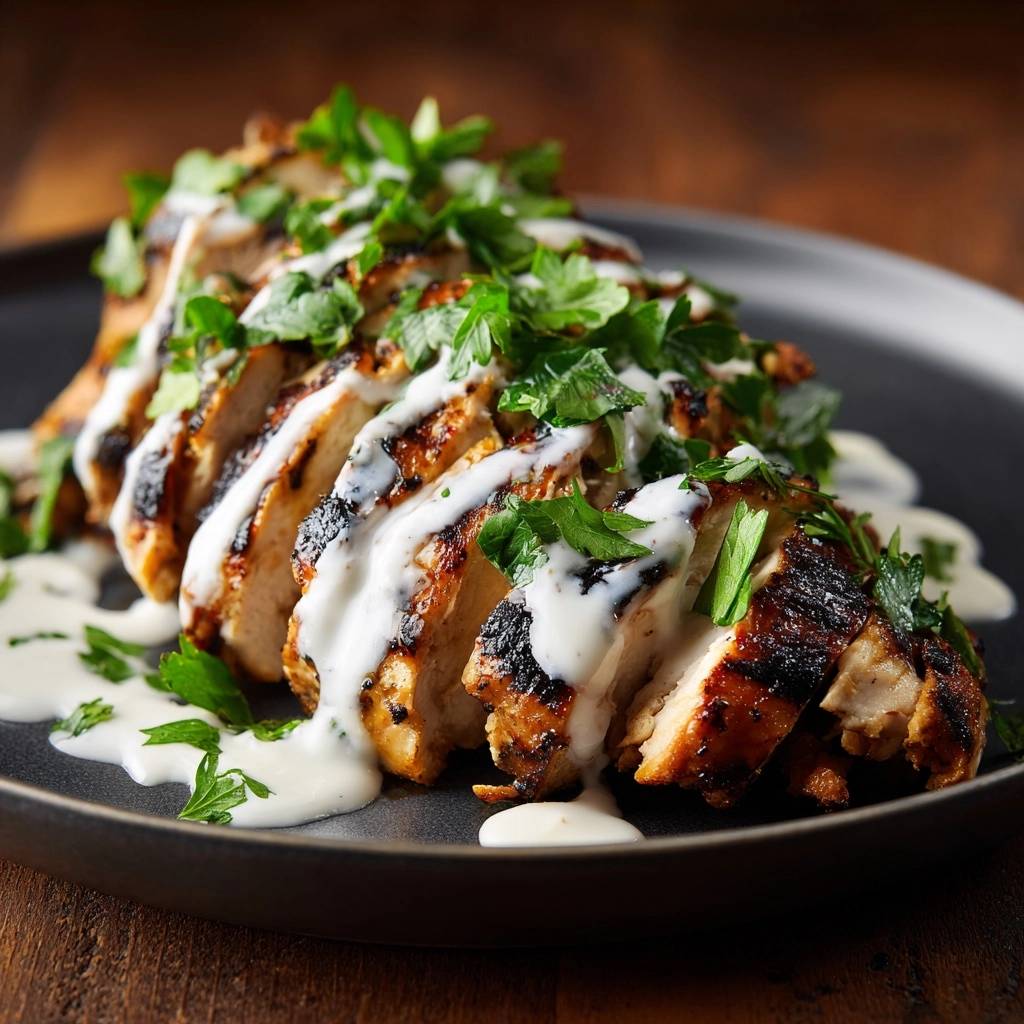
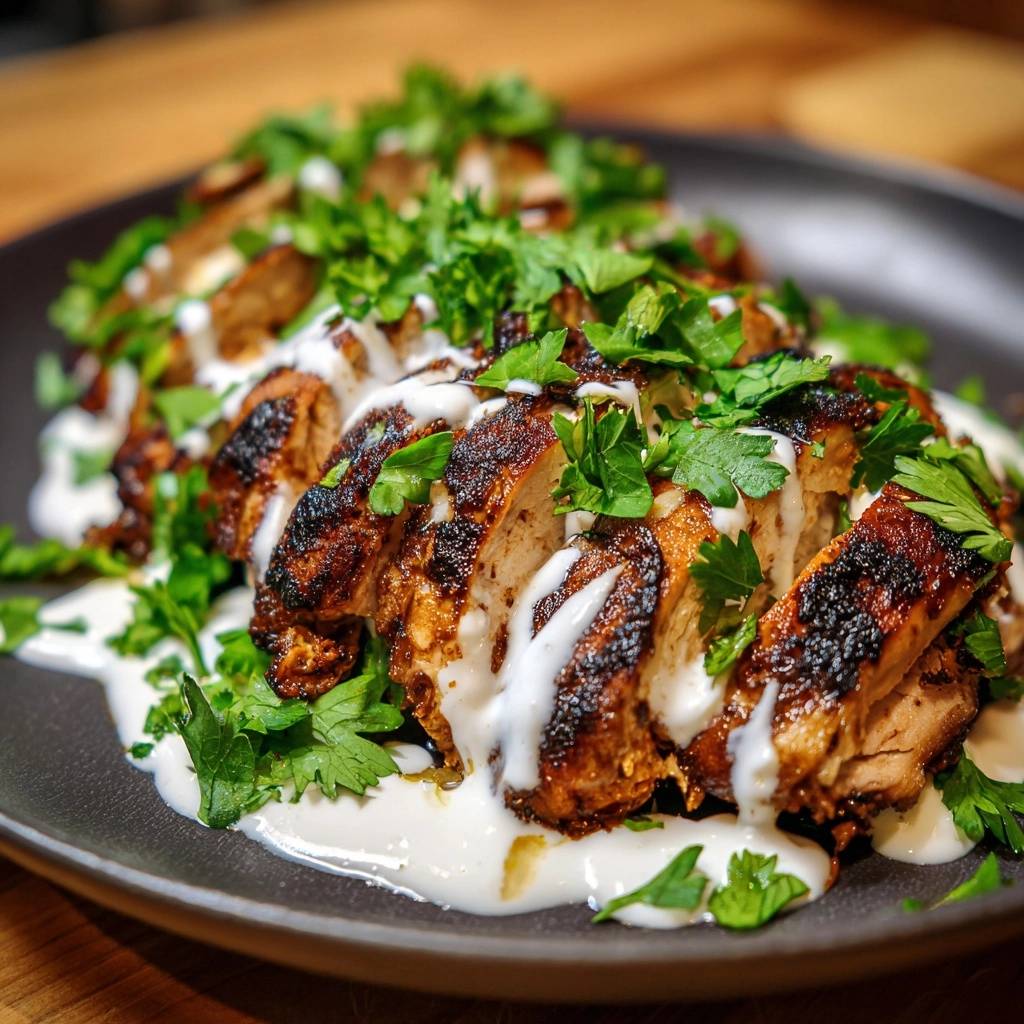
Preheat your grill pan or outdoor grill to medium-high, around 400 degrees. Wipe off excess marinade, leaving just a thin coat to baste without steaming. Grill five to six minutes per side until charred marks appear.
Flip once for crosshatch beauty. Clear juices and firm feel mean it’s done, no thermometer needed. In addition, rest tented in foil for five minutes, juices flow back in.
Medium-High Heat Mastery
400 degrees browns the exterior via Maillard while the center safely reaches 165. Oil indoor pans lightly; outdoors, use direct heat. Therefore, you get char without charring.
Resting to Lock in Juiciness
Carryover cooking raises temp five to ten degrees post-grill. Foil traps steam for self-basting. Slice after, and watch juices stay put.
Whipping Herby Yogurt Sauce Quickly
Stir remaining quarter-cup yogurt with quarter-cup parsley and a salt pinch. Room-temp yogurt blends smooth. Drizzle over sliced chicken for cool contrast to hot meat.
Too thick? Thin with a squeeze of lemon. It’s fresh, herby, and cuts the richness perfectly. Serve right away for best texture.
Avoiding Dry Grilled Chicken Pitfalls
Top mistake: uneven thickness leads to dry spots. Pound first. Over-marinating past twenty-four hours mushes it, so time it right.
Heavy marinade causes flare-ups and steaming, not searing. Wipe well. No rest means juice loss, so always tent five minutes.
Marinade Excess and Flare-Ups
Thick globs burn and spark fires. Thin layer crisps the surface like skin on skinless breasts. Pat dry for safety and sear.
Flavor Twists on Yogurt-Marinated Chicken
Swap paprika for cumin or za’atar for Mediterranean vibes. Add lemon zest to sauce for tang. Try cilantro or dill instead of parsley.
Spice it with a cayenne pinch. Use thighs for more fat and juice, or tofu for veggie option. Keeps it fresh for weeks.
Perfect Pairings for Grilled Chicken
Pair with crisp cucumber-tomato salad. Quinoa tabbouleh adds chew. Grilled zucchini soaks up sauce nicely.
Build meal prep bowls with farro and feta. Iced tea refreshes alongside. It’s versatile for any night.
Storage and Reheating Juicy Leftovers
Store in airtight container up to four days in fridge. Freeze raw marinated chicken one month; thaw overnight. Cooked freezes okay two months, but sauce separately.
Reheat in 300-degree oven covered to keep moist. Skip microwave, it toughens. Stir sauce with a splash of milk if it separates.
Troubleshooting Juicy Grilled Chicken Issues
Chicken tough? Marinate longer or pound thinner next time. Yogurt needs time to work its tenderizing magic.
FAQ
How do I store leftovers of Juicy Grilled Chicken with Yogurt Sauce?
Keep cooked chicken in an airtight container in the fridge for up to four days. It stays juicy if you don’t slice until serving. Freeze raw marinated breasts up to one month or cooked up to two months; thaw in fridge overnight and reheat gently at 300 degrees Fahrenheit covered with foil to prevent drying. Store sauce separately as it may separate; whisk with a bit of milk to revive creaminess. Avoid stacking slices tightly to maintain texture.
Why is my grilled chicken tough and dry?
The main culprits are uneven thickness or skipping the marinade. Always pound to half-inch evenness so it cooks uniformly without overdone edges. Marinate at least one hour; yogurt’s lactic acid tenderizes by breaking down proteins gently. If you grilled too long, use the touch test next time: firm but springy means 165 degrees inside. Resting five minutes tented redistributes juices, fixing up to ten percent loss from cutting too soon.
Can I substitute ingredients in the yogurt marinade?
No Greek yogurt? Regular plain yogurt works but thin it less; coconut yogurt subs for dairy-free with similar tang and thickness. Skip garlic powder for two minced fresh cloves, but powder infuses evenly. No fresh parsley? Use one tablespoon dried, but fresh chops brighter flavor. Paprika out? Cumin adds earthiness without smoke. These keep the tenderizing power intact while tweaking taste.
Why won’t my chicken get good grill marks?
Clean hot grates are key; residue blocks contact. Preheat fully to 400 degrees for sear. Wipe excess marinade to avoid steaming, leaving thin layer for basting. Flip once after five minutes for crosshatch; press gently with spatula for even char. Indoor pan? Oil lightly first. Patience here gives that smoky look and Maillard flavor.
Is the yogurt sauce watery, and how do I fix it?
Room-temp yogurt whips smoother; cold can separate. Strain through cheesecloth if too thin, or chill ten minutes to thicken. Stir vigorously with parsley and salt; add lemon zest for stability without watering down. Full-fat Greek holds best. Make ahead and it firms up nicely in fridge.
Can I marinate longer than one hour?
Yes, overnight maximizes juiciness as acids work deeper. Cap at twenty-four hours though; beyond that, proteins break down too much, turning mushy. Thicker cuts benefit most from extended time. Always fridge it covered to stay safe.

Juicy Grilled Chicken with Yogurt Sauce
Course: Main CourseCuisine: AmericanDifficulty: easy4
servings15
minutes15
minutes60
MinutesAmerican
Ingredients
4 boneless skinless chicken breasts (about 1.5 lbs)
1 cup plain Greek yogurt (divided)
2 tablespoons olive oil
1 teaspoon salt
1 teaspoon black pepper
1 teaspoon garlic powder
1 teaspoon paprika
1/2 cup fresh parsley, finely chopped (divided)
Directions
- Make the marinade: In a bowl, mix 3/4 cup yogurt, olive oil, salt, pepper, garlic powder, paprika, and 1/4 cup chopped parsley. This yogurt base is the game-changer, it breaks down proteins to prevent dryness while infusing flavor.
- Pound chicken breasts to even 1/2-inch thickness for uniform cooking. Add to marinade, coat well, cover, and refrigerate 1 hour (or overnight for max juiciness).
- Preheat grill pan or outdoor grill to medium-high (about 400F). Wipe excess marinade off chicken (leave a thin layer for moisture lock-in), then grill 5-6 minutes per side until charred marks form and internal temp hits 165F. Rest 5 minutes tented with foil, juices redistribute for ultimate tenderness.
- Whip sauce: Stir remaining 1/4 cup yogurt with 1/4 cup parsley and pinch of salt. Drizzle over sliced chicken. Serve hot.
- No more dry chicken disasters, guaranteed!
Notes
- Pound chicken to even thickness for uniform cooking. Marinate overnight for maximum juiciness. No thermometer needed if you grill until charred marks form and juices run clear.