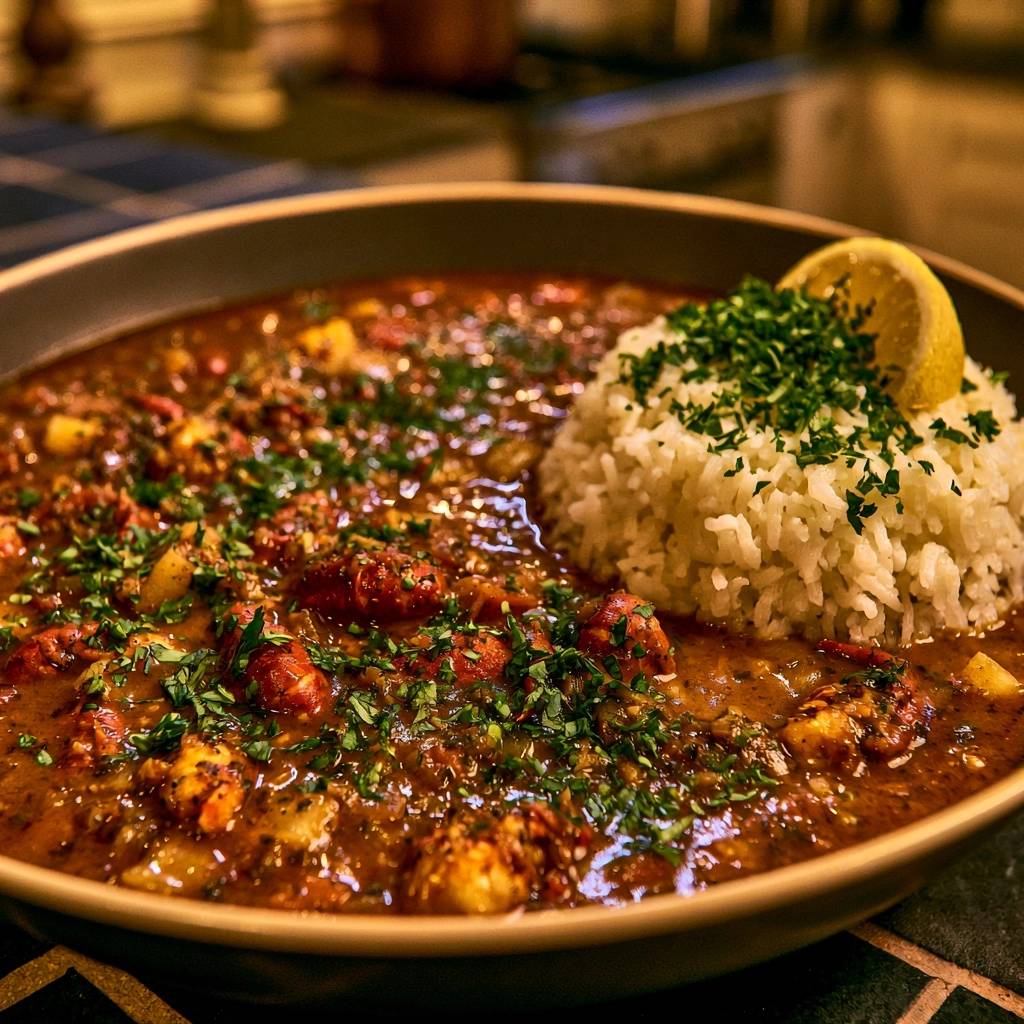
In the heart of Acadiana, etouffee isn’t just a meal; it’s a cultural cornerstone that defines the comfort of South Louisiana. The word literally translates to “smothered,” describing the traditional technique of simmering succulent seafood in a rich, buttery gravy. While many stews rely on heavy liquids, a true etouffee is all about the balance between a deep, nutty roux and the delicate sweetness of crawfish tails.
However, even the most flavorful sauce can be ruined by a common kitchen failure: structural collapse. You’ve likely experienced it before—a beautiful gravy poured over rice, only for the grains to turn into a mushy, indistinct paste within minutes. This masterclass focuses on the engineering of texture, ensuring your rice stays firm and individual while the etouffee remains glossy and bold.
The secret to a professional-grade etouffee lies in the moisture management of your rice. By aggressively rinsing away surface starches and utilizing a precise resting period, you create a foundation that stands up to the heavy sauce. I’ve found that skipping the rinse is the number one reason home cooks end up with a soggy mess, so don’t cut corners on the prep.
The Foundation: Selecting Quality Crawfish and Aromatics
Your etouffee is only as good as the crawfish you drop into the pot. If you can get your hands on fresh Louisiana crawfish tails, you’re already ahead of the game. These often come with a yellowish substance known as “crawfish fat” (the hepatopancreas), which is absolute liquid gold. That fat carries the concentrated essence of the bayou and provides a depth of flavor that frozen, imported tails simply cannot match.
If you’re using frozen tails, make sure they are fully thawed and drained, but keep any juices that come out of the bag. These juices act as a natural flavor intensifier for your stock. Once your seafood is ready, you must prep the “Holy Trinity” of Cajun cooking: onions, celery, and green bell pepper. In this kitchen, we stick to the classic 2:1:1 ratio—two parts onion to one part each of celery and pepper—to ensure the sweetness of the onion balances the earthy notes of the greens.
Essential Pantry Staples for a Rich Gravy
While water is an option, a high-quality seafood stock is what separates a good etouffee from a legendary one. Look for a stock that feels slightly tacky or gelatinous when cold; this indicates a high protein content that will give your sauce a luxurious mouthfeel. If you can’t find a great store-bought version, a quick simmer of shrimp shells or fish bones will do wonders.
You also need to be picky about your butter and seasoning. I always recommend unsalted butter because Cajun spice blends are notoriously salt-heavy. Using unsalted butter gives you total control over the sodium levels, allowing you to layer the spices without making the dish inedible. Remember, you can always add salt at the end, but you can’t take it out once it’s in the roux.
The Science of the Dark Roux
Making a roux is a lesson in patience and chemistry. As you whisk the flour into the melted butter, you’re triggering the Maillard reaction, toastiness that evolves from a pale blonde to a deep, dark penny color. This isn’t just for looks; the darker the roux, the more intense and nutty the flavor becomes. However, keep in mind that as a roux darkens, its thickening power actually decreases, which is why we use a full half-cup of flour.
Be extremely careful during this stage. Cajun cooks often call a hot roux “Cajun napalm” because it sticks to the skin and burns intensely. You must whisk constantly. If you see black specks appearing in your flour, it means the roux has scorched. Unfortunately, there’s no way to save a burnt roux; the bitterness will permeate the entire dish, so it’s better to start over if the heat gets away from you.
Temperature Control and Whisking Techniques
Heat management is the most critical part of the roux process. I highly suggest using a heavy-bottomed cast-iron Dutch oven. Cast iron retains heat beautifully and prevents the hot spots that lead to scorching. If the roux seems to be darkening too quickly, don’t be afraid to lift the pot off the burner for a few seconds while continuing to whisk.
You’re looking for a specific visual cue: the roux should look smooth and glossy, like melted chocolate. Just before it reaches that perfect dark penny shade, it will start to smell like toasted popcorn. That’s your signal that the flour is fully cooked and ready for the vegetables. Have your chopped Trinity standing by, because you’ll need to add them immediately to drop the temperature of the oil.
The Anti-Soggy Rice Method: Engineering Texture
To solve the mushy rice problem, we have to look at the starch. Long-grain white rice is covered in amylopectin, a sticky starch that causes grains to clump together. By rinsing the rice in a fine-mesh strainer until the water runs crystal clear, you remove this excess starch. This ensures that each grain remains separate and firm, providing the “structural integrity” needed to hold up under a heavy ladle of gravy.
The cooking method is just as important as the rinse. Once the rice finishes simmering, the most vital step is the 10-minute rest. Keep the lid on! This allows the moisture to redistribute evenly through the grains. If you fluff the rice too early, you’ll break the grains and release internal starches, leading right back to the sogginess we’re trying to avoid.
Why Long-Grain White Rice is Non-Negotiable
You might be tempted to use jasmine or basmati, but traditional long-grain white rice is the best choice here. It has a lower starch content than short-grain varieties, which means it doesn’t get creamy or sticky. In an etouffee, the rice isn’t supposed to be a star on its own; it’s a vessel. It needs to be neutral and sturdy so it can soak up the sauce without losing its bite.
Step-by-Step: Smothering the Holy Trinity
When you drop your cold, chopped vegetables into that shimmering dark roux, you’ll hear a loud hiss. This is a good thing! The moisture from the onions and peppers effectively “quenches” the roux, stopping the cooking process so the flour doesn’t burn. As you sauté the Trinity, the vegetables will soften and release their sugars, mingling with the toasted flour to create a savory paste.
Cook the vegetables until the onions are translucent and the bell peppers have lost their crunch. This usually takes about 5 to 8 minutes. You aren’t looking to brown the vegetables themselves; you want them to melt into the roux so they eventually become part of the sauce’s texture rather than standing out as chunky bits.
Building the Flavor Base with Aromatics
Garlic goes in last because it burns much faster than the other vegetables. You only need about 60 seconds of heat to release its aroma. Once the garlic is fragrant, it’s time to layer in the heat. The combination of Cajun seasoning, cayenne, and Worcestershire sauce creates a complex spice profile. You’re aiming for a “back-of-the-throat” warmth that builds slowly, rather than an aggressive spice that numbs the tongue.
Achieving the Perfect Glossy Sauce Consistency
Adding the seafood stock is a delicate process. If you dump it all in at once, you’ll end up with flour lumps that are impossible to whisk out. Instead, pour in about half a cup at a time, whisking vigorously until the liquid is fully incorporated into the roux. It will look like a thick paste at first, but it will eventually smooth out into a glossy, pourable gravy.
The goal is a “nappe” consistency, which is a fancy way of saying the sauce should be thick enough to coat the back of a spoon. If you pull your finger across the coated spoon, the line should stay clean. If the sauce feels too thin, let it simmer uncovered for a few extra minutes. If it’s too thick, use that reserved half-cup of stock to thin it out until it reaches that perfect, silky sheen.
Integrating the Crawfish Without Overcooking
Timing is everything when it comes to the seafood. Most crawfish tails you buy are already pre-cooked, so you aren’t actually “cooking” them in the sauce. You’re simply warming them through. If you let the etouffee boil once the crawfish are added, the meat will shrink and become rubbery, losing that buttery tenderness that makes the dish special.
Fold the tails and their juices into the sauce gently. Let them simmer on low heat for no more than five minutes. You’ll see the tails plump up slightly as they absorb a bit of the gravy. As soon as they are hot all the way through, kill the heat. The carryover heat in the heavy pot will keep everything at the perfect temperature until you’re ready to plate.
Plating for Visual Impact and Texture
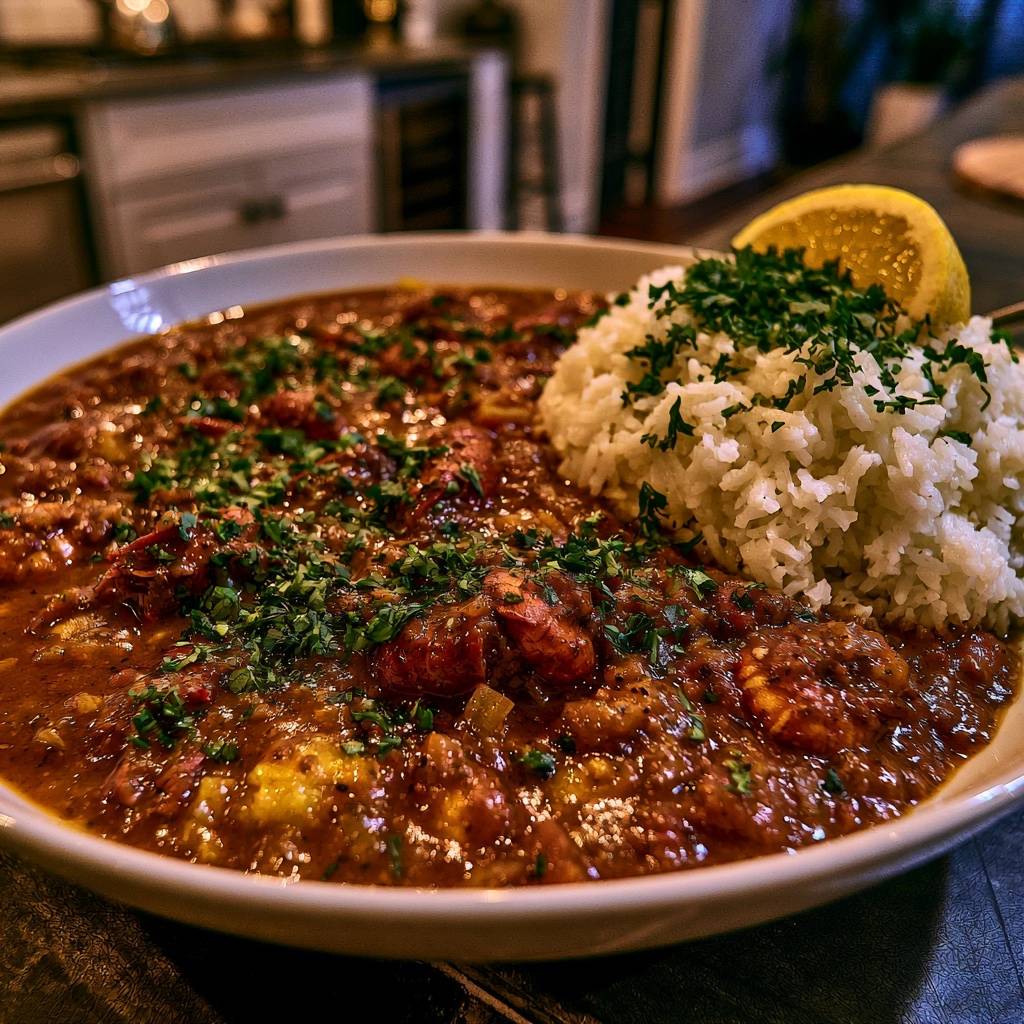
For a professional look, use the “Ramekin Method.” Pack your steamed rice tightly into a small bowl or ramekin, then flip it over into the center of a shallow rimmed bowl. This creates a clean, firm mound that won’t collapse. By ladling the etouffee around the base of the rice rather than over the top, you allow the diner to control how much sauce they get in each bite, preserving the texture of the rice grains.
Don’t be shy with the garnish. A heavy dusting of fresh parsley adds a bright, grassy note that cuts through the richness of the butter. A fresh lemon wedge on the side is also essential. A quick squeeze of acid right before eating wakes up all the heavy flavors and makes the crawfish taste even fresher. It’s the final touch that brings the whole plate into balance.
Troubleshooting Common Etouffee Errors
If you notice oil separating from your sauce, your roux has “broken.” This usually happens if the heat was too high when adding the stock. You can often fix this by whisking in a tablespoon of warm stock very quickly to re-emulsify the fats. If the dish is too salty, try adding a splash more stock or a pinch of sugar to balance it out, but be careful not to make it sweet.
If your rice still feels a bit crunchy after the resting period, you can sprinkle a tablespoon of water over the top, cover it tightly, and microwave it for 60 seconds. The steam will finish the cooking process without making the grains mushy. However, if you followed the rinsing and resting steps, your rice should be perfectly tender yet firm.
Make-Ahead Strategies and Storage Logistics
Like many stews, etouffee often tastes better the next day. The spices have more time to meld, and the sauce develops a deeper complexity. If you’re making this ahead of time, cool the sauce quickly by placing the pot in an ice bath before moving it to the fridge. This prevents the crawfish from sitting in the “danger zone” temperature for too long.
The most important rule for leftovers is to store the rice and the etouffee in separate airtight containers. If you store them together, the rice will act like a sponge and soak up every drop of that delicious gravy, leaving you with a dry, gummy mess the next day. Kept separate, both will stay fresh in the refrigerator for up to three days.
Reheating Without Breaking the Sauce
Avoid the microwave when reheating the etouffee sauce. The intense, uneven heat can cause the butter to separate from the flour, leaving you with a greasy puddle. Instead, place the sauce in a small saucepan over low heat. Add a splash of seafood stock or water to loosen it up, and stir gently until it’s steaming. Reheat the rice separately with a damp paper towel over the top to keep it moist.
Expert Tips for Authentic Cajun Flavor
First, always use a heavy wooden spoon when making your roux. It allows you to scrape the bottom of the pot more effectively than a whisk, ensuring no flour gets stuck in the corners and burns. Second, never use the pre-minced garlic that comes in a jar. That garlic is stored in citric acid, which adds a sour note that clashes with the rich, savory flavors of the etouffee.
Third, stick to the Trinity ratio. It might seem like a lot of onion, but it provides the essential moisture and sweetness the sauce needs. Fourth, don’t put a lid on the sauce while it’s simmering. You want a bit of evaporation to concentrate the flavors and thicken the gravy naturally. Finally, while parsley is traditional, some families swear by a handful of chopped green onions at the very end for a sharper, fresh bite.
Frequently Asked Questions
Can I use shrimp instead of crawfish?
Yes, shrimp is a very common substitute for crawfish. However, since shrimp are usually sold raw, you’ll need to simmer them in the sauce for about 2 to 3 minutes longer than you would for pre-cooked crawfish tails. Look for the shrimp to turn pink and opaque, then remove from the heat immediately to prevent them from becoming tough.
What if I can’t find seafood stock?
If seafood stock isn’t available, you can use bottled clam juice diluted with a little water, or even a light chicken stock. If you use chicken stock, try to find a low-sodium version so it doesn’t compete with the flavor of the crawfish. Another great trick is to use a teaspoon of dashi powder mixed with water for a quick, umami-rich alternative.
How do I fix a roux that smells burnt?
There is no way to fix a burnt roux. If it smells like scorched hair or has black specks, the flavor is ruined. The bitterness will overwhelm the delicate crawfish and the sweetness of the vegetables. It’s frustrating, but the best move is to throw it out, wash the pot thoroughly, and start over. A good roux takes time, but it’s the soul of the dish.
Is this dish spicy?
Cajun food is often misunderstood as being “blow-your-head-off” hot, but etouffee is actually quite mild. It is highly seasoned, meaning it has a lot of flavor from the aromatics and spices, but the actual heat level is low. The cayenne provides a gentle warmth. If you prefer a spicier dish, you can always add more cayenne or a few dashes of your favorite hot sauce at the table.
Can I make this gluten-free?
You can make a gluten-free roux using a high-quality gluten-free all-purpose flour blend or even sweet rice flour. Keep in mind that gluten-free flours sometimes brown faster or slower than wheat flour, so you’ll need to watch the color very closely. The texture might be slightly different, but the flavor will still be excellent as long as you achieve that dark toasted stage.
Cajun Crawfish Etouffee
Course: Main CourseCuisine: AmericanDifficulty: easy4
servings15
minutes45
minutes60
Minutes485
kcalAmerican
Ingredients
1 pound crawfish tails (with fat/juices if possible)
1/2 cup unsalted butter
1/2 cup all-purpose flour
1 cup chopped yellow onion
1/2 cup chopped green bell pepper
1/2 cup chopped celery
3 cloves garlic, minced
3 cups seafood stock (divided)
1 tablespoon Cajun seasoning
1 teaspoon Worcestershire sauce
1/2 teaspoon salt
1/2 teaspoon cayenne pepper
2 cups long-grain white rice
3 cups water
1 cup chopped fresh parsley
1 lemon, sliced into wedges
Directions
- To solve the soggy rice problem, rinse your rice in cold water until the water runs completely clear to remove excess surface starch. Combine the rinsed rice with 3 cups of water in a pot. Bring to a boil, then reduce to the lowest simmer and cover tightly. Do not lift the lid for 18 minutes. Once done, remove from heat and let it sit covered for 10 minutes before fluffing with a fork. This creates the structural integrity needed to hold the sauce.
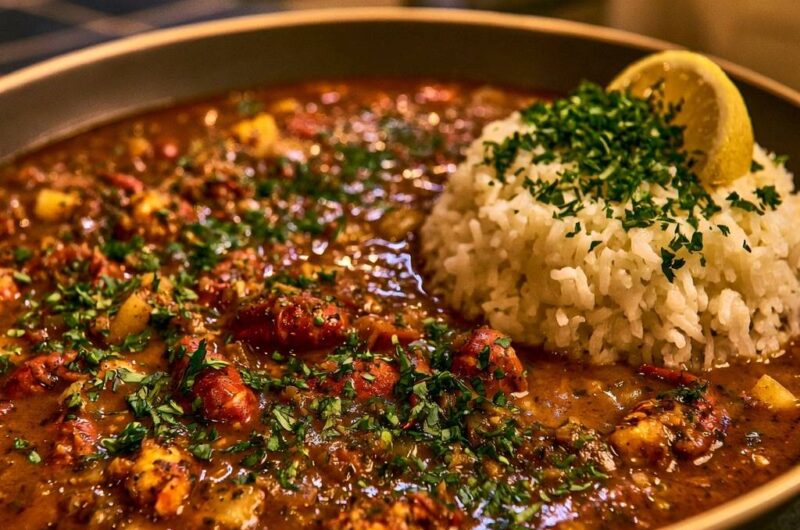
- In a large heavy skillet or Dutch oven, melt the butter over medium heat. Sprinkle in the flour and whisk constantly for about 15 to 20 minutes to create a dark roux. To match the deep, rich color in the image, the roux must reach the color of a dark penny or milk chocolate.
- Add the onion, bell pepper, and celery to the roux. Saute for 5-8 minutes until the vegetables are soft and the onions are translucent. Stir in the minced garlic and cook for 1 minute until fragrant.
- Slowly whisk in 2.5 cups of the seafood stock to ensure no lumps form. Add the Cajun seasoning, Worcestershire sauce, salt, and cayenne pepper.
- Bring the mixture to a gentle simmer. Reduce heat to low and cook for 20 minutes, allowing the sauce to thicken. If the sauce becomes too thick, add the remaining 1/2 cup of stock to reach the glossy, pourable consistency shown in the image.
- Fold in the crawfish tails and any accumulated juices. Simmer for an additional 5 minutes. Do not overcook the crawfish or they will become rubbery.
- To serve, pack the steamed rice into a small bowl or ramekin and invert it into a shallow bowl to create a firm mound. Ladle the etouffee generously around the base of the rice.
- Garnish heavily with fresh parsley over both the sauce and the rice mound, and top with a lemon wedge as pictured.
Notes
- To achieve the best flavor, use crawfish tails that include the fat and juices. The key to the dish is the dark roux; whisk constantly to prevent burning until it reaches the color of a dark penny.