We have all been there. You pull a batch of savory muffins out of the oven, expecting a fluffy, golden treat, only to find the bottom is a greasy, translucent mess. This happens because the rendered fat from the sausage and the oils from the melting cheese have nowhere to go but down. Instead of a light crumb, you end up with a heavy, oil-soaked base that feels more like a kitchen accident than a gourmet breakfast.
The secret to a perfect savory muffin lies in fat management and structural integrity. By using a specific layering technique and a rigorous degreasing process, you can create a muffin that stays airy from top to bottom. This recipe isn’t just about mixing ingredients; it’s about controlling moisture and steam to ensure every bite has that signature bakery-style lift.
I’ve found that the absolute key to success is the “Double-Layer Press.” Most people just drain their meat in a colander, but that leaves hidden pockets of grease. You must physically press the cooked sausage between heavy-duty paper towels to remove the latent fat. This single step ensures your muffin batter stays hydrated by the milk and butter, not weighed down by heavy animal lard.
The Science of Structural Integrity in Savory Muffins
Savory muffins face a unique chemical challenge compared to their blueberry or chocolate chip cousins. When you add heavy inclusions like ground meat and high-fat cheese, you are essentially adding “dead weight” to the delicate flour structure. If the batter isn’t strong enough, the muffins will collapse or become dense and rubbery.
The interaction between the flour proteins and the added fats is critical. In this recipe, we use a higher baking powder ratio to provide an aggressive initial lift. This creates a network of air pockets that set quickly in a hot oven. Therefore, the fat from the cheese can coat the crumb for flavor without soaking into the actual cell structure of the bread.
Baking at 400°F is a deliberate choice for structural success. This high heat triggers an immediate “oven spring,” which is the rapid expansion of gases in the batter. By setting the outer crust quickly, we create a sturdy frame that can support the weight of the sausage crumbles as they bake, preventing them from sinking to the bottom.
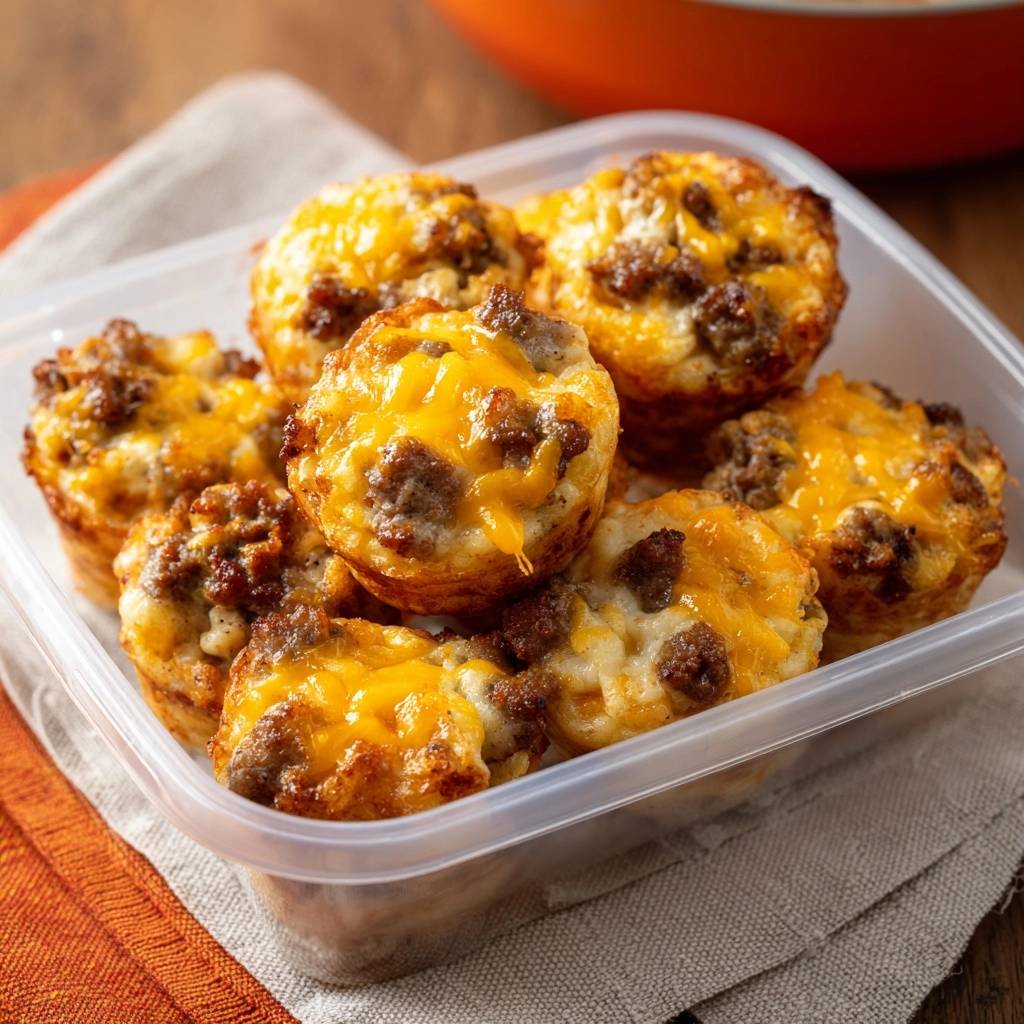
Essential Components for Cheesy Sausage Breakfast Muffins
Quality ingredients are the foundation of a muffin that tastes as good as it looks. I always recommend using sharp cheddar cheese because it has a lower moisture content and a more intense flavor profile than mild cheddar. This means you get a bigger flavor punch without adding unnecessary liquid that could compromise the muffin’s texture.
Whole milk is another non-negotiable component for the best results. The fat in whole milk provides a tenderizing effect on the flour’s gluten, resulting in a soft, pillowy interior. If you use skim or low-fat milk, the muffins can often turn out tough or dry because they lack the necessary lipids to coat the flour particles.
Don’t underestimate the power of dry seasonings like garlic powder and black pepper. While the sausage provides the bulk of the salt, these spices cut through the richness of the dairy and meat. They add a savory depth that makes the muffins taste like a complete, seasoned meal rather than just plain bread with meat inside.
Selecting and Preparing the Protein Base
When choosing your sausage, look for high-quality bulk breakfast sausage rather than links. Bulk sausage allows for smaller, more uniform crumbles, which distribute more evenly throughout the batter. If you only have links, make sure to remove the casings entirely before browning to ensure the meat can be properly rendered.
The “Anti-Soggy” secret truly begins at the stove. You want to cook the sausage until it is slightly past the point of being “just done.” Developing a little bit of a crispy, brown crust on the meat adds a textural contrast that survives the baking process. This extra browning also means more fat has been rendered out of the meat and into the pan, where it can be discarded.
The Flour and Leavening Ratio
All-purpose flour provides the perfect amount of protein to give these muffins a sturdy “backbone.” While cake flour would be too weak and bread flour too chewy, all-purpose hits the sweet spot. It allows the muffin to rise tall while still maintaining a tender, easy-to-bite crumb that doesn’t crumble into dust.
You might notice this recipe calls for a full tablespoon of baking powder. This is significantly more than a standard sweet muffin recipe. Because we are folding in heavy cheese and dense meat, the batter needs that extra chemical leavening power to fight gravity. Without it, your muffins will be flat, dense discs instead of tall, domed beauties.
The Anti-Soggy Technique: Pre-Searing and Degreasing
This is the most important part of the entire process. Once your sausage is browned and crispy, move it to a plate lined with at least two layers of thick paper towels. Take another paper towel and press down firmly on the meat. You will be surprised at how much orange grease is absorbed even after the meat looks “dry.”
Removing this excess grease is the only way to prevent the dreaded “oil pool” at the bottom of your muffin tin. If that grease stays on the meat, it will liquefy in the oven and seep into the surrounding batter. This prevents the batter from cooking properly, leading to a gummy, unappealing texture that no amount of baking can fix.
Think of this step as “pre-treating” your inclusions. By the time the sausage enters the bowl, it should be crumbly and relatively dry to the touch. This ensures that the only fats in your muffin are the controlled amounts of butter and milk, which are already emulsified into the batter for a perfect bake.
Step-by-Step: Mixing for a Tender Crumb
When you combine your wet and dry ingredients, the goal is to work as quickly and gently as possible. I always use a large rubber spatula and a folding motion rather than a whisk. You want to stop mixing the very second you no longer see streaks of dry flour. If the batter looks a little lumpy, you are doing it exactly right.
Overmixing is the enemy of a tender muffin. When you stir flour and liquid together, you develop gluten. While gluten is great for chewy pizza dough, it makes muffins tough and rubbery. By keeping the batter lumpy, you ensure the gluten remains underdeveloped, which results in a delicate, melt-in-your-mouth texture.
Once the base batter is ready, gently fold in the first half of your cheese and sausage. Do not beat them in. Use three or four wide folds to distribute the inclusions. This keeps the air bubbles you’ve created intact, which is vital for that light, airy interior we are aiming for.
Strategic Layering for Maximum Steam Release
The way you fill your muffin tin matters just as much as the ingredients themselves. By dividing the sausage and cheese, you are creating a “venting system” for the muffin. The inclusions mixed inside provide flavor in every bite, but the inclusions on top serve a structural purpose.
When you place the remaining sausage and cheese on the surface, you create small gaps where steam can escape. In a traditional muffin, steam often gets trapped under the “dome,” which can lead to a soggy center. With the meat and cheese on top, the steam moves around these solid pieces, allowing the center to dry out and cook through perfectly.
Make sure to give the top toppings a very light press with your fingertips. You don’t want to bury them in the batter, but you want them to “anchor” so they don’t fall off as the muffin rises. This creates a beautiful, craggy, golden-brown crust that provides a satisfying crunch against the soft interior.
Baking and the Critical Five-Minute Rest
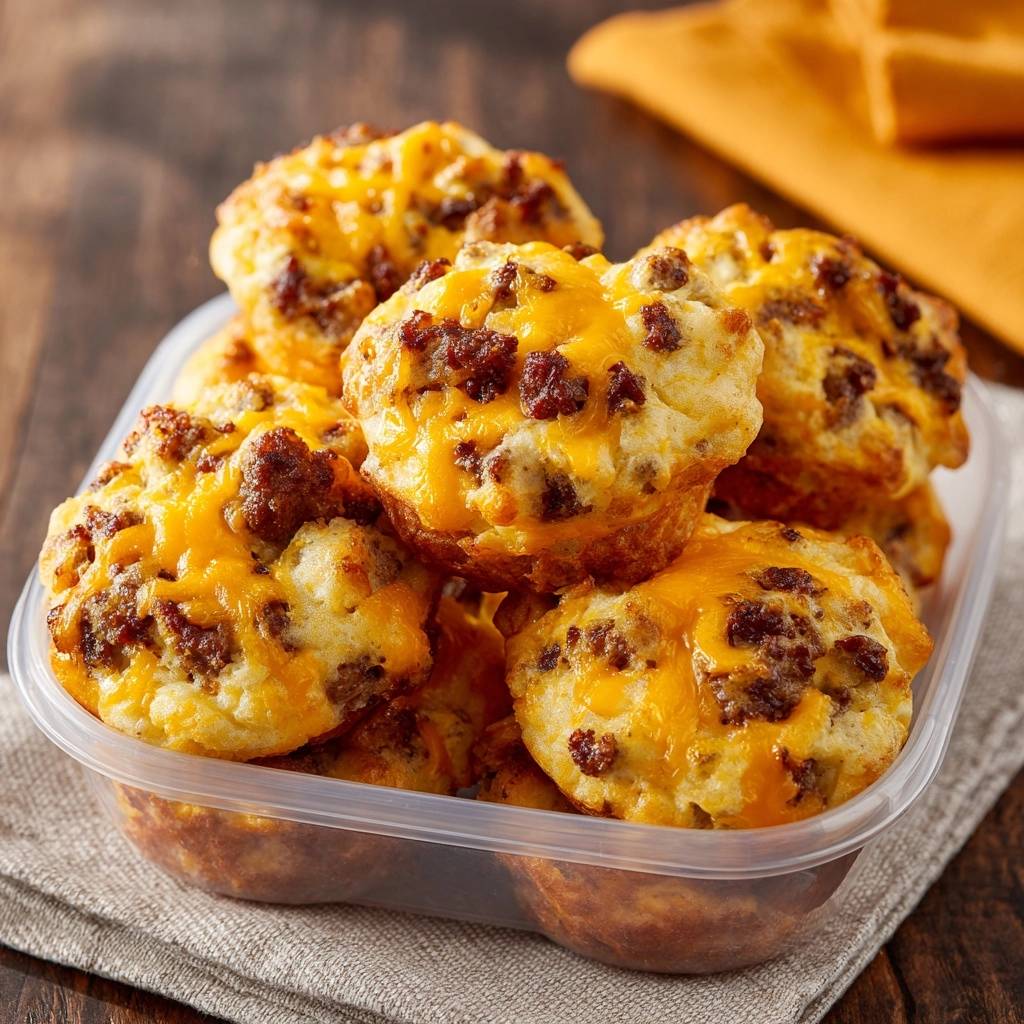
As the muffins bake, you will smell the garlic and toasted cheese filling your kitchen. Watch for the edges to turn a deep golden brown. The cheese on top should be bubbly and slightly crisp. This “frizzled cheese” effect adds a massive amount of savory flavor that you just can’t get if the cheese is buried inside.
When the timer goes off, resist the urge to eat them immediately. The muffins need to sit in the hot tin for exactly five minutes. During this time, the internal structure is still “setting.” If you try to remove them too early, the steam hasn’t finished redistributing, and the muffins might tear or collapse.
After five minutes, move them to a wire cooling rack. This is essential because it allows air to circulate under the muffins. If you leave them in the tin for too long, the residual heat will create condensation on the bottom of the muffins, which will make them—you guessed it—soggy. The wire rack ensures they stay crisp and dry.
Troubleshooting Common Savory Muffin Failures
If your muffins come out dry, you likely overbaked them or over-measured your flour. Always spoon your flour into the measuring cup rather than scooping it directly from the bag, which packs it down. A dry muffin is usually the result of too much starch and not enough moisture to balance it out.
Flat muffins are almost always caused by old leavening agents. Baking powder loses its potency after about six months. To test yours, drop a teaspoon into a bit of hot water; if it doesn’t bubble vigorously, throw it away. Without that chemical reaction, the heavy sausage will simply weigh the batter down.
If they are still greasy despite your best efforts, check your cheese. Some “off-brand” cheeses have a very high oil content. Additionally, ensure you are draining the sausage on paper towels, not just a metal strainer. The physical absorption of the paper is what makes the “Anti-Soggy” method work.
Flavor Variations and Ingredient Swaps
While the classic sausage and cheddar combo is hard to beat, you can easily customize this base. If you want a leaner option, ground turkey sausage works beautifully. However, since turkey is leaner, you may need to add a teaspoon of smoked paprika or fennel seed to mimic the robust flavor of traditional pork-based breakfast sausage.
For those who like a bit of heat, swap the sharp cheddar for Pepper Jack cheese. You can also fold in some diced canned green chiles (just make sure to pat them dry first!). The acidity of the chiles cuts through the richness of the eggs and butter, providing a bright, southwestern flair to your morning.
If you want to add vegetables, finely chopped spinach or sautéed bell peppers are great additions. The key is to ensure any vegetable you add is as dry as possible. Squeeze the liquid out of cooked spinach or sauté peppers until their moisture has evaporated to maintain the integrity of the muffin base.
Make-Ahead Strategy and Freezing Guide
These muffins are the ultimate meal-prep hero. Once they have cooled completely on the wire rack, place them in a single layer inside a gallon-sized freezer bag. They will stay fresh in the refrigerator for up to four days, making them perfect for a quick grab-and-go breakfast during the work week.
For long-term storage, these muffins freeze exceptionally well. I recommend “flash freezing” them first by placing them on a baking sheet in the freezer for an hour. Once they are firm, transfer them to a freezer-safe bag. This prevents them from sticking together, so you can pull out just one at a time.
To reheat, the microwave is the fastest method. Wrap a single muffin in a damp paper towel and heat for 45 to 60 seconds. The damp towel creates a small steam chamber that keeps the bread soft while the cheese remelts. For a “just-baked” texture, use a toaster oven at 350°F for about 8 minutes.
Optimal Pairings for a Balanced Morning Meal
Because these muffins are quite rich and savory, they pair best with something bright and acidic. A simple fruit salad with citrus segments or a handful of fresh berries provides a refreshing contrast. The natural sugars in the fruit help balance the saltiness of the sausage and cheddar.
If you are serving these for a weekend brunch, a light arugula salad with a lemon vinaigrette is a sophisticated touch. The peppery greens cut right through the buttery crumb of the muffin. It turns a simple handheld snack into a well-rounded, cafe-style plate.
For beverages, a strong black coffee or a bold English Breakfast tea is ideal. The tannins in the tea and the acidity in the coffee act as a palate cleanser. If you prefer juice, a tart cranberry or grapefruit juice works much better than a sugary orange juice, which can feel too heavy alongside the savory muffins.
Expert Tips for High-Altitude Baking
If you are baking at 5,000 feet or higher, you may need to make minor adjustments. High altitude means lower air pressure, which causes leavening to rise faster and more aggressively. This can lead to muffins that “explode” over the sides of the tin and then collapse in the center.
To fix this, try increasing your oven temperature to 415°F to set the structure even faster. You should also decrease the baking powder by about 1/4 teaspoon and add an extra tablespoon of milk. These small tweaks provide more moisture and a slightly stronger structure to handle the rapid rise of the high-altitude environment.
Frequently Asked Questions
Can I use pre-shredded cheese for this recipe?
While you can use it in a pinch, I highly recommend grating your own cheese from a block. Pre-shredded cheese is coated in potato starch or cellulose to prevent clumping in the bag. This coating can prevent the cheese from melting smoothly and can sometimes add a gritty texture to your muffins. Freshly grated cheese melts into the batter much better, contributing to a superior “Anti-Soggy” result.
How do I prevent the muffins from sticking to the liners?
Savory muffins are notorious for sticking to paper liners because the cheese acts like a glue as it melts. The best way to prevent this is to skip the liners entirely and grease the muffin tin generously with softened butter or a high-quality non-stick spray. If you must use liners, look for “parchment” style liners, which have a naturally non-stick surface that releases much easier than standard paper.
Can I substitute the butter with oil?
You can substitute the 1/4 cup of melted butter with 1/4 cup of vegetable or canola oil. However, keep in mind that butter provides a distinct flavor and a specific “shortening” effect that contributes to a tender, flaky crumb. Oil will make the muffins slightly more moist and springy, but you will lose that classic buttery breakfast taste. If you use oil, ensure it is a neutral-flavored one so it doesn’t overpower the sausage.
What is the best way to reheat frozen muffins?
For the best texture, let the muffin thaw in the fridge overnight and then pop it into a 350°F oven or toaster oven for 5-8 minutes. This crisps up the cheese on top again. If you are in a rush, the microwave works well; just wrap the frozen muffin in a damp paper towel and heat on high for about 60-90 seconds. The damp towel is the secret to keeping the edges from getting hard and chewy in the microwave.
How long do these stay fresh in the refrigerator?
These muffins will stay fresh and delicious for 3 to 4 days when stored in an airtight container in the refrigerator. Because they contain meat and dairy, they should not be left out on the counter for more than two hours. If you notice any “sweating” inside the container, tuck a small piece of paper towel inside to absorb the moisture and keep the muffins from getting soft.
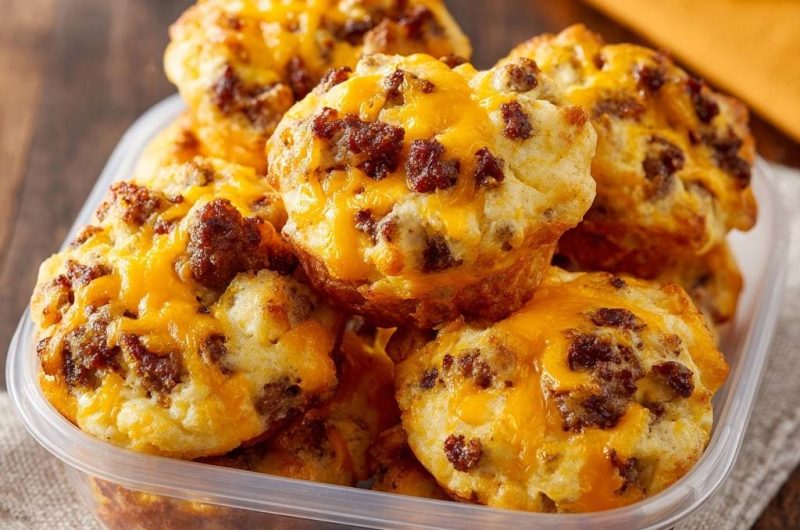
Cheesy Sausage Breakfast Muffins
Course: BreakfastCuisine: AmericanDifficulty: easy12
muffins15
minutes20
minutes35
Minutes245
kcalAmerican
Ingredients
1 pound ground breakfast sausage
2 cups all-purpose flour
1 tablespoon baking powder
1/2 teaspoon salt
1/4 teaspoon black pepper
1/2 teaspoon garlic powder
2 cups shredded sharp cheddar cheese (divided)
2 large eggs
1 cup whole milk
1/4 cup melted butter (slightly cooled)
Directions
- Preheat your oven to 400°F (200°C). Generously grease a 12-cup muffin tin with butter or non-stick spray.
- To solve the soggy bottom issue, start by browning the sausage in a skillet over medium-high heat until fully cooked and slightly crispy. Drain the cooked sausage thoroughly on a plate lined with double-layered paper towels. Press down firmly on the meat with additional paper towels to remove every drop of excess grease. This is the most important step to prevent a mushy muffin.
- In a large bowl, whisk together the flour, baking powder, salt, pepper, and garlic powder.
- In a separate bowl, beat the eggs, then whisk in the milk and melted butter.
- Gently fold the wet ingredients into the dry ingredients until just combined. Do not overmix; the batter should be slightly lumpy to ensure the muffins stay tender.
- Fold 1 cup of the shredded cheese and 1/2 of the drained sausage crumbles into the batter.
- Divide the batter evenly among the 12 muffin cups.
- To achieve the visual result of a loaded, golden crust, top each muffin with the remaining 1 cup of cheese and the remaining sausage crumbles. Press the toppings lightly into the surface of the batter so they adhere during the rise. This allows steam to escape from the center rather than getting trapped under the meat, ensuring a fluffy interior.
- Bake for 18 to 20 minutes, or until the cheese on top is bubbly and golden brown and a toothpick inserted into the center comes out clean.
- Let the muffins cool in the pan for 5 minutes before transferring to a wire rack. This brief rest allows the structure to set so they stay light and airy.
Notes
- The key to preventing a soggy bottom is to thoroughly drain the cooked sausage on paper towels and press out all excess grease before adding it to the batter.