If you have ever tucked into a bowl of polenta only to find it gritty, bland, or reminiscent of wet sand, you aren’t alone. Most home cooks struggle with this Italian staple because they treat it like a quick-fix side dish rather than a slow-cooked labor of love. When done correctly, polenta should be a luxurious, velvet-smooth experience that flows across the plate like a thick sauce.
The secret to achieving that elusive restaurant-quality texture lies in the hydration ratio and the patience of a slow simmer. While many recipes suggest a 4:1 ratio of liquid to cornmeal, that often results in a stiff, grainy mass that sets too quickly. By moving to a 5:1 ratio, you give the cornmeal the room it needs to fully expand and soften, ensuring every single bite is perfectly tender.
I’ve found that the real trick to a lump-free finish is the “rain” technique during the first few minutes of cooking. If you dump the cornmeal in all at once, the outer starches hydrate instantly and trap dry flour inside, creating stubborn clumps. Instead, you must whisk constantly while letting the grains fall in a thin, steady stream to ensure each one is individually coated in liquid.
The Physics of Smooth Creamy Buttered Polenta
Cooking polenta is essentially a lesson in starch gelatinization. As the cornmeal heats up in the liquid, the starch granules absorb water and swell until they eventually burst, releasing their thickening power into the pot. This process takes time because the outer hull of coarse cornmeal is quite tough and resistant to moisture.
Therefore, a high liquid-to-grain ratio is non-negotiable if you want a silky mouthfeel. Without enough water and milk, the starches can’t fully break down, leaving you with that unpleasant “bite” or crunch. The heat must be kept low so the liquid doesn’t evaporate before the cornmeal has a chance to soften completely.
Why the 5:1 Liquid Ratio Works
Standard recipes often fail because they don’t account for the evaporation that happens during a 45-minute simmer. A 4:1 ratio might look okay at the 20-minute mark, but by the time the grains are actually cooked, the mixture becomes a thick, unmanageable paste. The 5:1 ratio provides a safety net, allowing for a longer cook time that results in a much more refined texture.
Essential Components for a Silky Finish
Quality ingredients are the backbone of this dish since there are so few of them. You want to look for coarse ground yellow cornmeal, often labeled specifically as “polenta” in the grocery store. Avoid the “instant” or “quick-cooking” varieties, as these are pre-steamed and dried, which robs them of their natural corn flavor and creamy potential.
Selecting the Right Cornmeal Grind
Stone-ground cornmeal is the gold standard because it retains the germ and the hull, offering a deeper flavor profile. While fine cornmeal cooks faster, it lacks the structural integrity needed for a long, slow simmer. Coarse grind provides enough body to hold up to the butter and cheese without turning into a bowl of mush.
The Role of Dairy and Fats
Using a combination of water and whole milk is a game-changer for both color and flavor. The water allows the cornmeal to hydrate efficiently, while the fats in the whole milk provide a rich, ivory color and a rounded sweetness. I always use unsalted butter so I can control the seasoning precisely with kosher salt, which dissolves more evenly than table salt.
Step-by-Step: Hydrating Creamy Buttered Polenta
The process of making perfect polenta is divided into three distinct phases. Firstly, you have the incorporation, where you establish the foundation of the texture. Secondly, the long simmer breaks down the grains. Finally, the emulsion finish adds the gloss and richness that makes the dish feel truly special.
Phase 1: The “Rain” Technique
Once your water, milk, and salt reach a gentle boil, turn the heat down to low. This is the most critical moment for preventing lumps. Hold your whisk in one hand and the cornmeal in the other, then slowly “rain” the grains into the pot while whisking in a vigorous circular motion.
You should see the grains suspend themselves in the liquid rather than sinking to the bottom. Continue whisking for about 3 minutes. You’ll notice the mixture start to thicken slightly and the aroma of toasted corn will begin to fill your kitchen. This constant agitation prevents the grains from sticking together in the early stages.
Phase 2: The Low and Slow Simmer
Cover the pot with a tight-fitting lid and set your heat to the lowest possible setting. You aren’t looking for a rolling boil here; a very lazy bubble is all you need. Every 10 minutes, you must uncover the pot and give it a thorough whisk, making sure to scrape the corners and the bottom of the pan.
As the 45-minute mark approaches, the polenta will transform from a watery porridge into a thick, pourable custard. If you notice it getting too stiff or sticking to the bottom before the 40-minute mark, don’t panic. Simply whisk in an extra half-cup of warm milk to loosen it back up and continue cooking until the grains are tender.
Phase 3: Finishing with Butter and Parmesan
Once the polenta is completely smooth, remove the pot from the heat. This is where the magic happens. Add four tablespoons of butter and the freshly grated Parmesan cheese. Whisk vigorously until the fats emulsify into the cornmeal, creating a glossy, shimmering finish that looks absolutely beautiful.
The residual heat is enough to melt the cheese without making it stringy or oily. You’ll see the color brighten and the texture become even more supple. At this point, the polenta should be thick enough to hold a shape but loose enough to pool slightly when spooned into a bowl.
Troubleshooting Common Polenta Texture Issues
If your polenta feels like wet sand, it simply hasn’t cooked long enough or needs more liquid. Add a splash of warm water and keep simmering. If you find a scorched layer on the bottom of your pot, do not scrape it! Carefully pour the good polenta into a new pot and continue; scraping the burnt bits will ruin the flavor of the entire batch.
Stiffening is another common issue, especially if the polenta sits for a few minutes before serving. Polenta is like a sponge; it continues to absorb moisture even after it’s off the stove. Always have a little extra warm milk or water on standby to whisk in right before you plate it up.
Flavor Variations and Herb Infusions
While the butter and Parmesan version is a classic, you can easily pivot the flavor profile. Try steeping a few sprigs of fresh thyme or rosemary in the milk before adding the cornmeal for an earthy, herbal note. For a more decadent finish, swap the Parmesan for a dollop of mascarpone or goat cheese.
Roasted garlic is another fantastic addition. Mash a few cloves of soft, roasted garlic into a paste and whisk it in during the final phase. It adds a mellow, caramelized sweetness that pairs beautifully with the corn flavor without being overpowering.
What to Serve with Creamy Buttered Polenta
Think of this polenta as a “sauce sponge.” It is the perfect bed for anything with a rich gravy or juice. Braised beef short ribs or a slow-cooked lamb ragu are natural partners, as the creamy cornmeal cuts through the richness of the meat. The polenta soaks up the braising liquid, making every bite flavorful.
For a vegetarian option, balsamic-glazed mushrooms or roasted root vegetables work wonders. The acidity of the balsamic vinegar provides a sharp contrast to the buttery polenta. You can also serve it simply with a ladle of marinara sauce and an extra sprinkle of cheese for a comforting, meatless meal.
Make-Ahead Strategies and Storage
Polenta firms up significantly as it cools, eventually turning into a solid block. If you have leftovers, pour them into a square baking dish and let them set in the fridge. The next day, you can slice the chilled polenta into triangles or fries and sear them in a pan with a little oil until they are crispy on the outside and creamy inside.
To reheat polenta and keep it creamy, place it in a saucepan with a generous splash of milk or water. Use a whisk to break up the cold block over medium-low heat. It will take a few minutes of stirring, but the polenta will eventually relax back into its original silky state.
Expert Tips for the Perfect Presentation
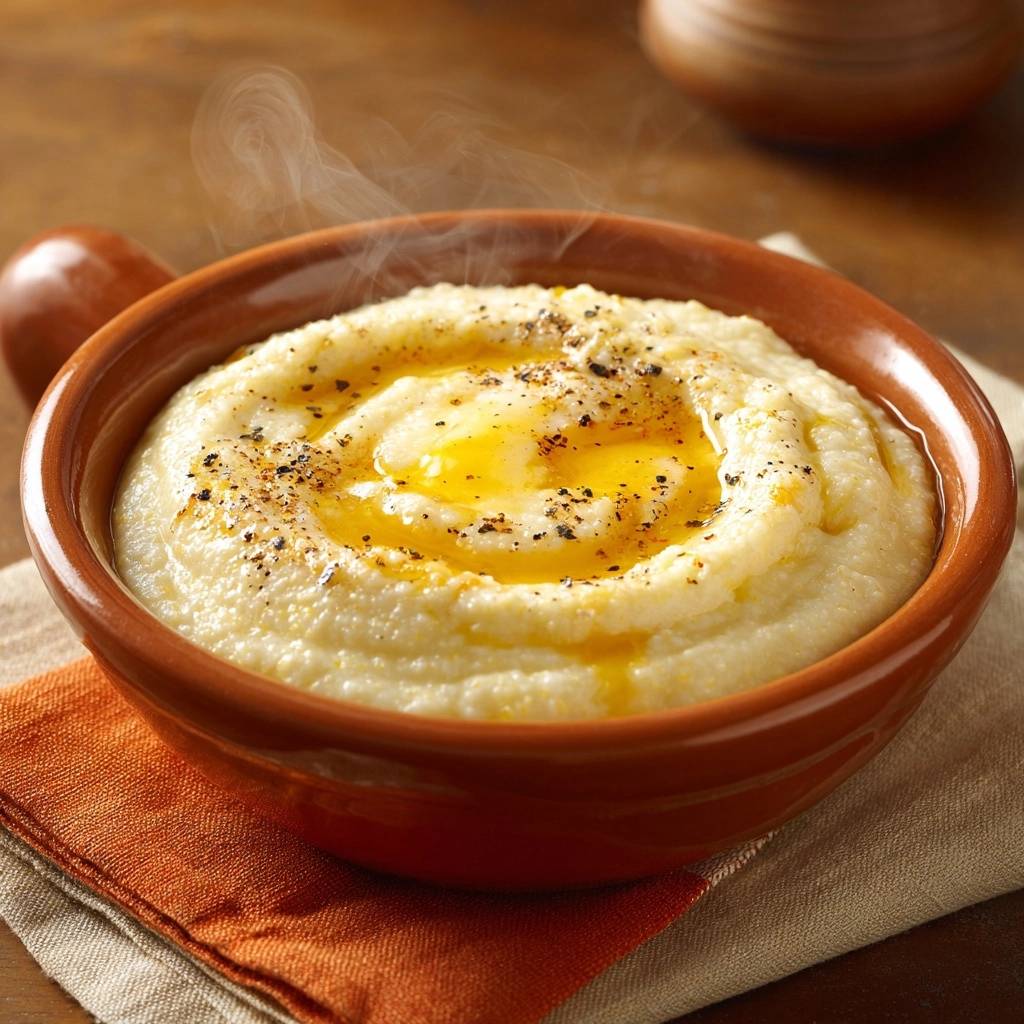
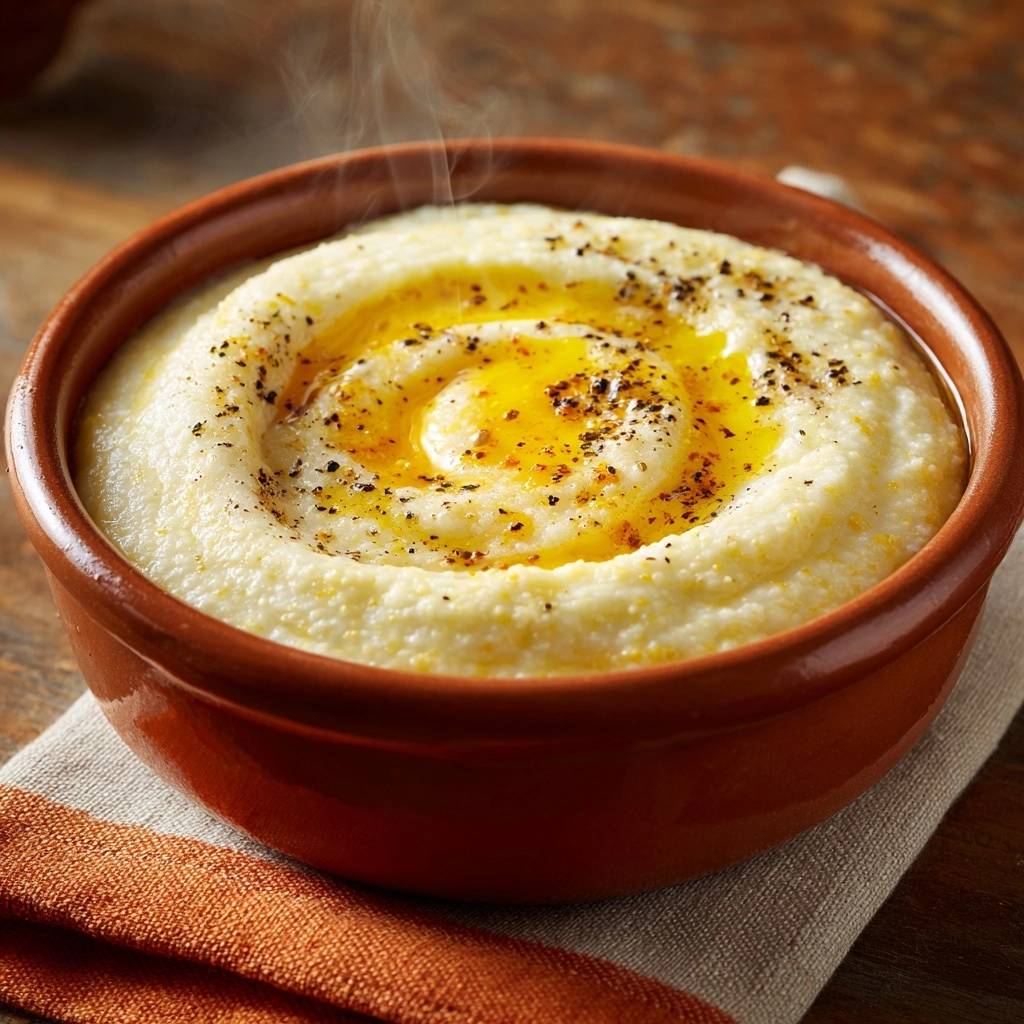
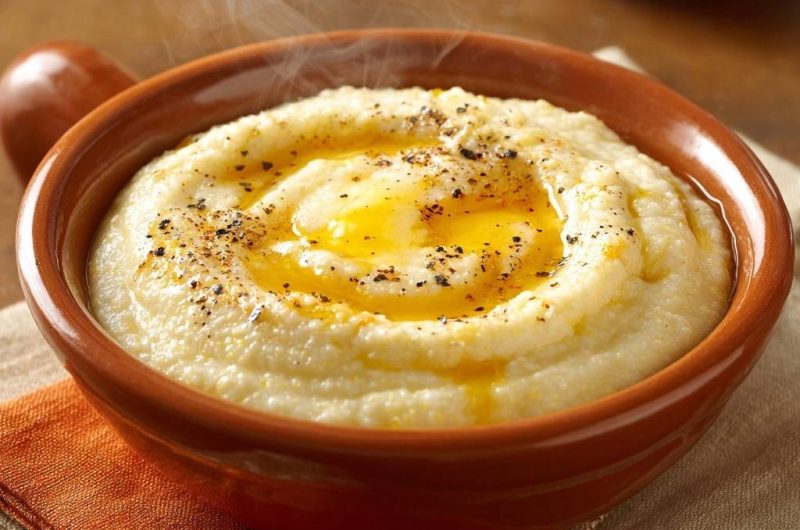
Presentation is all about the finishing touches. When you transfer the polenta to a serving bowl, use the back of a large spoon to create a deep swirl or “well” in the center. Melt your remaining two tablespoons of butter and pour it right into that well so it pools beautifully.
Finally, don’t be shy with the black pepper. A generous dusting of freshly cracked pepper provides a sharp, spicy contrast to the rich dairy and adds a professional look to the dish. Serve it immediately while it’s still steaming hot for the best experience.
Frequently Asked Questions
Can I use chicken stock instead of water?
Yes, using chicken or vegetable stock is a great way to add more depth of flavor. However, be mindful of the salt content in the stock. If you use a salty broth, you should reduce the amount of kosher salt you add at the beginning to avoid an oversalted finished dish.
Why is my polenta still crunchy after 30 minutes?
Crunchy polenta usually means the grains haven’t hydrated fully. This happens if the heat was too high and the liquid evaporated too fast, or if you used a very coarse grind. Add another half-cup of warm liquid, cover the pot, and keep simmering for another 10 to 15 minutes until the grit disappears.
Can I make this in a slow cooker?
You can, but you lose the benefit of the periodic whisking which helps develop the creamy texture. If you use a slow cooker, you’ll still need to whisk vigorously at the beginning and end. It’s a good “set it and forget it” method, but the stovetop version usually yields a smoother result due to the manual agitation.
Is there a substitute for Parmesan?
Pecorino Romano is a great substitute if you want a saltier, tangier kick. For a dairy-free alternative, you can use nutritional yeast to get that savory, “noochy” flavor, though you will miss out on the specific creamy melt that real cheese provides.
How do I prevent a skin from forming on top?
If you aren’t serving the polenta immediately, press a piece of parchment paper or plastic wrap directly onto the surface of the polenta. This prevents air from reaching the top, which is what causes that tough, chewy skin to form as it cools.
Creamy Buttered Polenta
Course: Side DishCuisine: ItalianDifficulty: easy4
servings5
minutes45
minutes50
Minutes310
kcalItalian
Ingredients
1 cup coarse ground yellow cornmeal (polenta)
3 cups water
2 cups whole milk (for added creaminess and color)
1 ½ teaspoons kosher salt
6 tablespoons unsalted butter (4 for the recipe, 2 for the topping)
1/2 teaspoon freshly cracked black pepper
1/2 cup freshly grated Parmesan cheese
Directions
- In a heavy-bottomed saucepan or Dutch oven, combine the water, milk, and salt. Bring to a gentle boil over medium-high heat.
- To prevent lumps, reduce the heat to low. While whisking the liquid constantly in a circular motion, slowly rain the cornmeal into the pot in a very thin, steady stream. This ensures every grain is hydrated individually.
- Continue whisking vigorously for 2 to 3 minutes as the mixture begins to thicken and the cornmeal is suspended in the liquid.
- Turn the heat to the lowest possible setting and cover the pot with a tight-fitting lid.
- Cook for 40 to 45 minutes. Every 10 minutes, uncover and whisk the polenta thoroughly, scraping the bottom and corners of the pan to prevent sticking. If the polenta becomes too stiff before the grains are tender, whisk in an additional 1/2 cup of warm water or milk.
- The polenta is done when the texture is completely smooth and creamy, with no remaining “bite” or grittiness.
- Remove from heat. Stir in 4 tablespoons of butter and the grated Parmesan cheese. Whisk until the cheese is melted and the polenta looks glossy.
- Transfer to a warm serving bowl. Use the back of a spoon to create a deep swirl or well in the center. Melt the remaining 2 tablespoons of butter and pour it directly into the well.
- Finish with a generous dusting of freshly cracked black pepper over the top to match the visual presentation. Serve immediately while steaming hot.
Notes
- If the polenta becomes too stiff before the grains are tender, whisk in an additional 1/2 cup of warm water or milk. Use a heavy bottomed saucepan to prevent scorching.