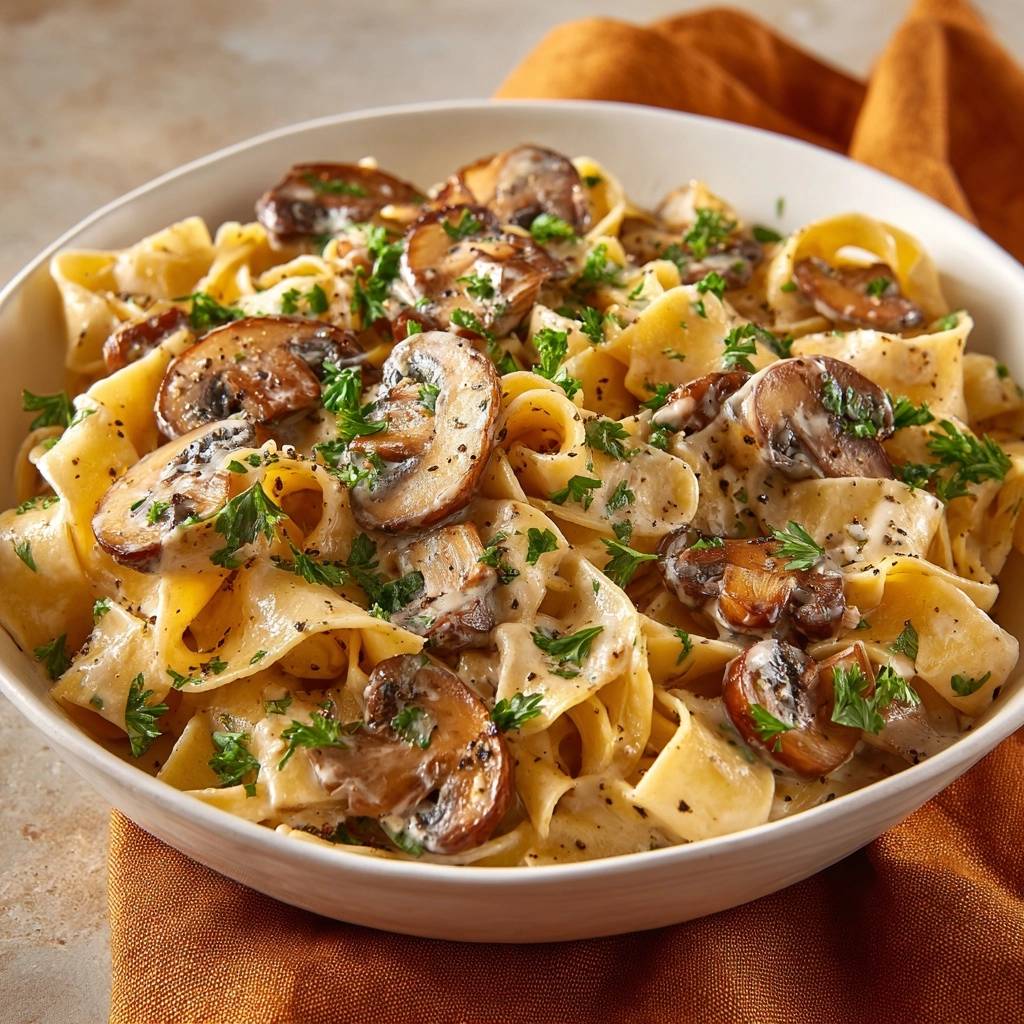
We have all been there. You crave a decadent, restaurant-style mushroom pasta, but you end up with a puddle of grey, watery liquid at the bottom of your bowl. It is frustrating because those wide, silky ribbons of pappardelle deserve a sauce that actually clings to them. When done right, this dish offers a deep, earthy umami flavor and a texture so velvety it feels like a warm hug on a plate.
The secret to avoiding that soupy disaster isn’t more flour or a longer simmer. It actually starts with how you treat the mushrooms before a single drop of oil hits the pan. Most home cooks crowd the pan and add salt immediately, which causes the mushrooms to steam in their own juices rather than sear. This recipe changes that by focusing on moisture control and proper emulsification.
I’ve found that the absolute key to success is the “dry sear” method. By browning the mushrooms in a hot, dry skillet first, you evaporate their high water content and concentrate their natural sugars. This creates a concentrated flavor base that won’t dilute your heavy cream later. Once you master this one simple technique, your cream sauces will stay thick, glossy, and perfectly rich every single time.
The Science of the Dry Mushroom Sear
Mushrooms are essentially biological sponges, consisting of nearly 90% water. Therefore, if you add butter or oil to the pan immediately, the mushrooms soak up that fat and then release their internal liquid, effectively boiling themselves. This results in a rubbery texture and a diluted sauce that lacks any real depth of flavor.
By using a dry pan, you trigger the Maillard reaction much faster. This chemical reaction between amino acids and reducing sugars is what creates that beautiful golden-brown crust and savory aroma. Without the interference of added fats or early salting, the moisture evaporates cleanly, leaving behind a dense, meaty mushroom that provides a sturdy contrast to the soft pasta.
Furthermore, this method ensures that the mushrooms stay firm. When they finally meet the heavy cream, they won’t turn into mush. Instead, they act as little flavor bombs that hold their shape, providing a satisfying bite that mimics the texture of a well-cooked protein. It is a total game-changer for vegetarian cooking.
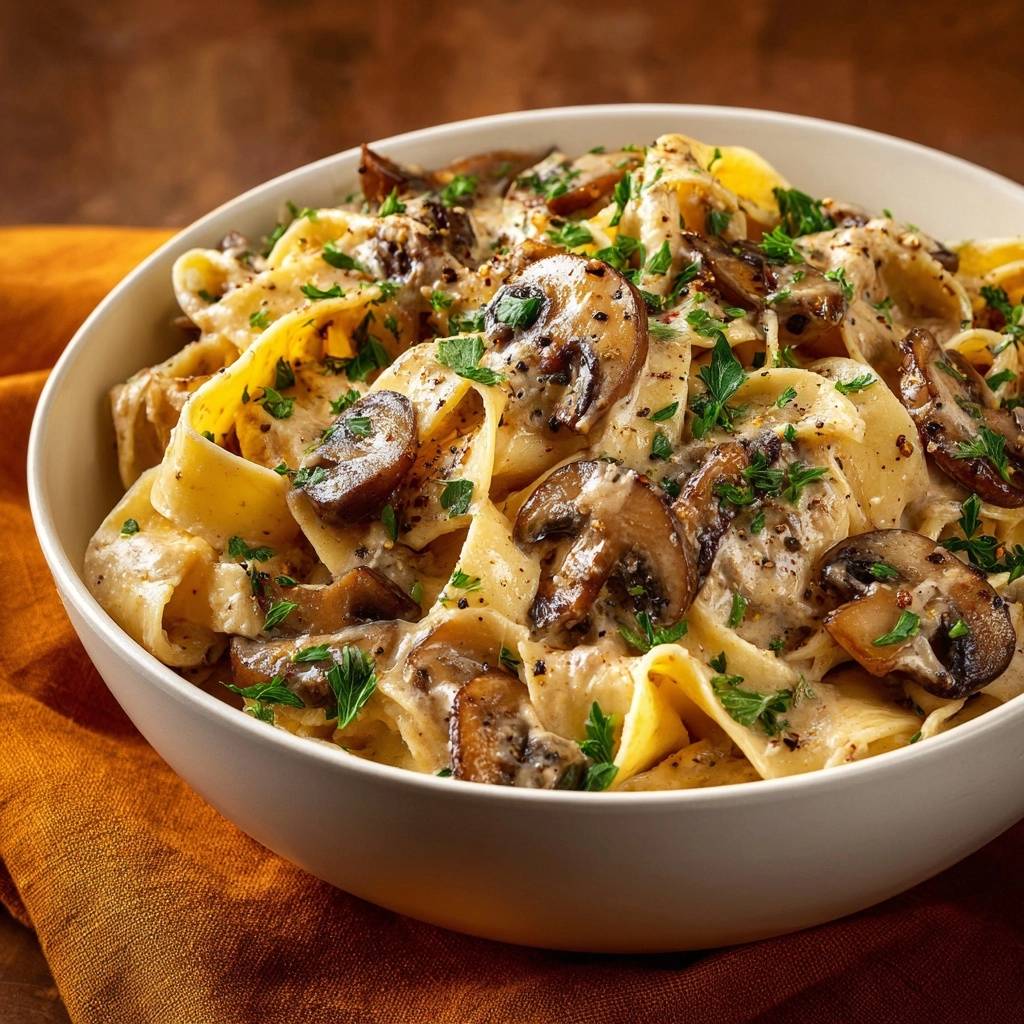
Why Cremini Mushrooms Outperform White Buttons
While white button mushrooms are easy to find, they often lack the punch needed for a heavy cream sauce. Cremini mushrooms, also known as baby bellas, are actually just a more mature version of the white button. Because they are older, they have a lower moisture content and a much more developed, earthy flavor profile.
This density is vital when you are working with a rich sauce. Creminis hold their structural integrity against the weight of the pappardelle and the thick cream. If you want an even deeper woodsy flavor, you can mix in some shiitakes, but for a reliable, everyday luxury, the cremini is your best friend in the kitchen.
Essential Components for a Velvety Cream Sauce
Quality ingredients are the backbone of a simple pasta dish. Since there are only a few elements here, each one has to work hard. I always recommend using unsalted butter so you can control the seasoning yourself. This allows you to salt the pasta water heavily—which is your only chance to season the noodles themselves—without making the final dish a salt lick.
Heavy cream is another non-negotiable item. Do not try to swap this for whole milk or half-and-half, as they lack the fat content required to thicken properly without a roux. The high fat in heavy cream creates a stable emulsion that coats the back of a spoon beautifully. Additionally, use freshly grated Parmesan cheese. The pre-shredded stuff in the plastic tub is coated in potato starch to prevent clumping, which will make your sauce grainy rather than smooth.
Selecting the Right Pappardelle Pasta
Pappardelle is a wide, flat egg noodle that originated in Tuscany. Its broad surface area is specifically designed to carry heavy, chunky sauces. While spaghetti or linguine would simply get lost under the weight of the mushrooms and cream, pappardelle acts like a canvas, catching every bit of garlic and cheese in its folds.
Look for a brand that has a slightly rough texture on the surface. This “bronze-cut” finish helps the sauce grip the noodle. If you can find fresh pappardelle in the refrigerated section, it cooks in minutes and offers a tender, melt-in-your-mouth quality that takes this dish to the next level of indulgence.
The Role of Starchy Pasta Water
Never dump all your pasta water down the drain! That cloudy, salty liquid is often called “liquid gold” by chefs for a reason. As the pasta cooks, it releases starch into the water. When you add a splash of this water to your sauce at the end, the starch acts as a natural binder.
This liquid helps the fats in the cream and the proteins in the cheese marry together. It creates a glossy, silk-like finish that ensures the sauce stays on the pasta instead of sliding off to the bottom of the plate. It is the difference between a “broken” oily sauce and a professional, emulsified coating.
Step-by-Step: Preparing Creamy Garlic Mushroom Pappardelle
Cooking this dish is a fast-paced process, so make sure you have your garlic minced and your mushrooms sliced before you turn on the stove. You want to be ready to move once that cream starts simmering. Timing is everything when you are aiming for that perfect al dente bite.
Phase 1: Achieving the Golden Dry Sear
Start by heating your widest skillet over medium-high heat. You want plenty of surface area so the mushrooms aren’t piled on top of each other. Drop the sliced creminis into the hot, dry pan. You should hear a loud sizzle immediately. If you don’t, the pan isn’t hot enough yet.
Now, here is the hardest part: leave them alone. Do not stir, do not shake the pan, and definitely do not add salt. Let them sit for about 4 minutes. You will see steam rising—that is the moisture leaving the building. Once they are deeply browned on one side, toss them. They should look shrunken, dark, and intensely aromatic.
Phase 2: Infusing Aromatics and Reducing Cream
Once the mushrooms are seared, drop in your butter and olive oil. The mushrooms will greedily soak up that fat, which is exactly what we want now that the water is gone. Add your minced garlic and stir constantly for about 60 seconds. Garlic burns quickly, so as soon as you smell that heavenly scent, it is time to move on.
Pour in the heavy cream and lower the heat to a gentle simmer. You aren’t looking for a rolling boil here, just small bubbles around the edges. Let it reduce for a few minutes until it reaches the “nappe” stage. This means if you dip a spoon in and run your finger across the back, the line stays clean and the sauce doesn’t run.
Phase 3: The Emulsification and Final Toss
Transfer your hot, drained pappardelle directly into the skillet. Do not rinse the pasta! The residual heat and starch on the noodles are vital. Sprinkle the Parmesan over the top and start tossing vigorously with tongs. This movement is what creates the emulsion.
If the sauce looks too thick or “tight,” add your reserved pasta water one tablespoon at a time. Watch as the sauce transforms from a heavy liquid into a shimmering, translucent glaze that hugs every curve of the noodle. Fold in your fresh parsley at the very last second to keep the color vibrant and the flavor bright.
Troubleshooting Common Mushroom Pasta Mistakes
If your sauce breaks and looks oily, it usually means the heat was too high when you added the cheese or the cream. To fix a broken sauce, remove it from the heat and whisk in a teaspoon of very hot pasta water. The extra starch can often pull the emulsion back together.
Another common pitfall is burnt garlic. If your garlic turns dark brown or black, it will taste bitter and ruin the entire batch. If this happens during the sauté phase, it is honestly better to wipe the pan and start the garlic step over. Your taste buds will thank you later.
Lastly, if the dish tastes “flat” despite all the cream and cheese, you likely under-salted the pasta water. The noodles need to be seasoned from the inside out. However, you can brighten the final dish with a tiny squeeze of lemon juice or an extra pinch of cracked black pepper to cut through the richness of the dairy.
Flavor Variations and Ingredient Swaps
While this recipe is a classic, you can easily customize it. If you want a more woodsy, autumnal vibe, add a teaspoon of chopped fresh thyme or sage when you sauté the garlic. These herbs pair beautifully with the earthiness of the mushrooms and the sweetness of the cream.
For those who want a bit of acidity, a splash of balsamic vinegar added right after the mushrooms are seared provides a lovely tang. If you need more protein, sliced seared chicken breast or even a handful of crispy chickpeas can be tossed in at the end. Just remember to keep the sauce-to-pasta ratio balanced so it stays creamy.
Optimal Pairings for Rich Creamy Pasta
Because this dish is quite heavy and rich, you want to pair it with something that offers a sharp contrast. A simple arugula salad with a lemon-shallot vinaigrette is perfect. The peppery bite of the greens and the acidity of the dressing cleanse your palate between bites of the buttery pasta.
I also love serving this with a thick slice of toasted sourdough. You will definitely want something to mop up every last drop of that garlic cream sauce. If you want more vegetables, roasted broccoli or sautéed radicchio provide a nice bitterness that balances the decadence of the heavy cream.
Expert Tips for Success
First, never wash your mushrooms under a running faucet. Since they are porous, they will soak up that water like a sponge, making it impossible to get a good sear. Instead, wipe them down with a damp paper towel to remove any dirt.
Second, always cook your pasta for 1 or 2 minutes less than the box instructions. The noodles will continue to cook in the skillet as they soak up the cream sauce. If you start with fully soft noodles, they will turn to mush by the time you finish tossing them with the cheese.
Third, pay attention to the temperature of your cream. If you pour ice-cold cream into a scorching hot pan, it can sometimes curdle or separate. I like to set the cream out on the counter for 15 minutes before cooking to take the chill off, ensuring a much smoother reduction.
Storage and Reheating for Best Texture
Cream-based pastas are notoriously tricky to reheat because the fat tends to separate from the liquid, leaving you with oily noodles. If you have leftovers, store them in an airtight container in the fridge for up to three days. I do not recommend freezing this dish, as the cream will lose its silky texture once thawed.
To reheat, avoid the microwave if possible. Instead, place the pasta in a small skillet over low heat. Add a splash of milk or a tiny bit of water to help loosen the sauce. Stir gently and constantly as it warms up. This “re-emulsifies” the sauce, bringing back that glossy, restaurant-quality finish without making it greasy.
Frequently Asked Questions
Can I use a different type of pasta if I can’t find pappardelle?
Yes, you can substitute pappardelle with other wide, flat noodles like fettuccine or tagliatelle. These shapes still provide enough surface area to hold the heavy cream and mushrooms. Avoid thin shapes like angel hair, as they will clump together under the weight of the sauce.
Why is my mushroom sauce still watery even after simmering?
This usually happens if the mushrooms weren’t seared long enough to evaporate their internal moisture or if the cream wasn’t reduced sufficiently. Make sure the cream coats the back of a spoon before adding the pasta. If it is still thin, let it simmer for another 2 minutes, but remember that adding the Parmesan and pasta water at the end will also help thicken it significantly.
Can I make this recipe dairy-free?
You can, but the texture will change. You would need to use a high-quality cashew cream or a full-fat coconut milk (though coconut will change the flavor profile). For the Parmesan, use a nutritional yeast-based alternative. However, the “dry sear” method for the mushrooms remains exactly the same and is even more important for building flavor in dairy-free versions.
What is the best way to mince garlic for this sauce?
For a smooth sauce, I recommend using a microplane or mincing the garlic very finely with a knife. You want the garlic to almost melt into the butter and cream. Large chunks of garlic might not cook through in the short sauté time and can leave you with a harsh, raw bite in an otherwise mellow sauce.
Can I add other vegetables to this dish?
Absolutely. Baby spinach is a great addition; just toss it in during the last minute of simmering the cream so it wilts. Sautéed leeks or shallots also work beautifully alongside the mushrooms. Just be careful not to overcrowd the pan during the initial searing phase, or you will lose that golden crust on the mushrooms.
Is it okay to use dried mushrooms?
You can use dried porcini mushrooms to add an extra layer of flavor. Rehydrate them in warm water, squeeze them dry, and chop them up. You can then add the strained mushroom soaking liquid to the cream sauce for an even more intense umami punch. Just make sure you still use fresh creminis for the bulk of the dish to get that meaty texture.
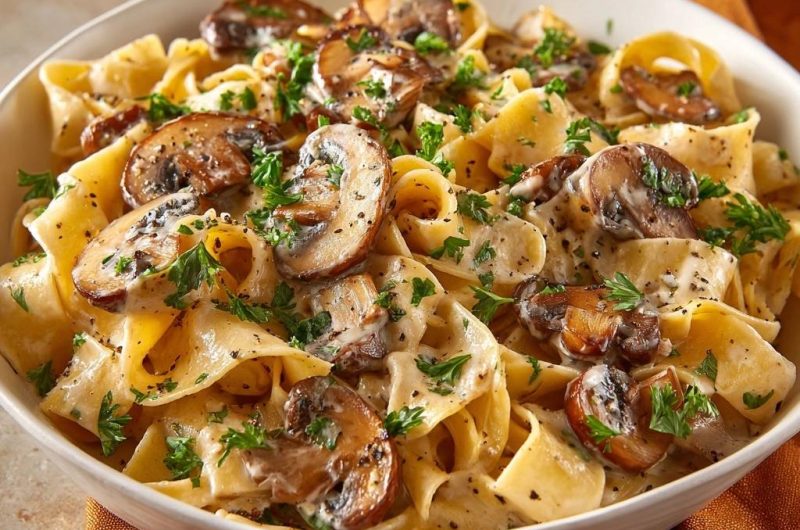
Creamy Garlic Mushroom Pappardelle
Course: Main CourseCuisine: Italian-AmericanDifficulty: easy4
servings10
minutes15
minutes25
Minutes510
kcalItalian-American
Ingredients
1 pound pappardelle pasta
1 pound cremini (baby bella) mushrooms, sliced 1/4 inch thick
3 tablespoons unsalted butter
1 tablespoon olive oil
4 cloves garlic, minced
1 1/4 cups heavy cream
1/2 cup freshly grated Parmesan cheese
1/2 cup reserved pasta water
1/4 cup fresh parsley, roughly chopped
1 teaspoon cracked black pepper
1/2 teaspoon sea salt (plus more for pasta water)
Directions
- Bring a large pot of heavily salted water to a boil. Cook the pappardelle until just al dente (usually 1-2 minutes less than package directions).
- While the water boils, place a large, wide skillet over medium-high heat. Add the sliced mushrooms to the dry pan in a single layer. Do not add oil or butter yet. Let them sit undisturbed for 3-4 minutes until they release their liquid and develop a deep golden-brown crust.
- Once the mushrooms are browned and the moisture has evaporated, add the butter and olive oil to the pan. Toss the mushrooms to coat, then add the minced garlic. Sauté for 1-2 minutes until the garlic is fragrant and golden, but not burnt.
- Reduce the heat to medium-low. Pour in the heavy cream and add the cracked black pepper. Simmer gently for 3 to 5 minutes, stirring occasionally, until the cream reduces slightly and begins to coat the back of a spoon.
- Before draining the pasta, scoop out a half cup of the starchy cooking water. Drain the pasta.
- Add the hot pappardelle directly into the skillet with the cream and mushrooms. Sprinkle the Parmesan cheese over the top.
- Toss vigorously with tongs. If the sauce becomes too thick, add the reserved pasta water one tablespoon at a time. The starch in the water will emulsify with the fats, creating a glossy, silk-like coating that sticks to the wide noodles.
- Season with sea salt to taste. Fold in the fresh parsley and serve immediately while the sauce is at its peak consistency.
Notes
- The dry sear method is essential to prevent a watery sauce. Always reserve pasta water to help emulsify the sauce and achieve a glossy finish.