Do you remember the crinkle of the plastic wrapper and that first, soft bite of a lunchbox oatmeal cream pie? It’s a core childhood memory for many of us, but the store-bought version often leaves something to be desired. While those nostalgic treats are iconic, they can be overly sweet and sometimes have a strange, waxy aftertaste that lingers on the roof of your mouth.
Making these at home allows you to control the quality of the ingredients, but it comes with a notorious challenge. Most homemade versions turn into a mushy, structural mess within hours of assembly because the moisture from the cream migrates into the cookie. This recipe solves that problem entirely with a specific cooling and setting stage that ensures your sandwiches stay chewy and firm.
The secret to a professional-grade cream pie lies in creating a moisture barrier before the filling ever touches the oat base. By using a “cold-set” method in the refrigerator, you solidify the fats and starches on the surface of the cookie. This simple step prevents the filling from soaking into the crumb, keeping that perfect contrast between the spiced cookie and the airy center for days.
The Anatomy of a Perfect Oatmeal Sandwich Cookie
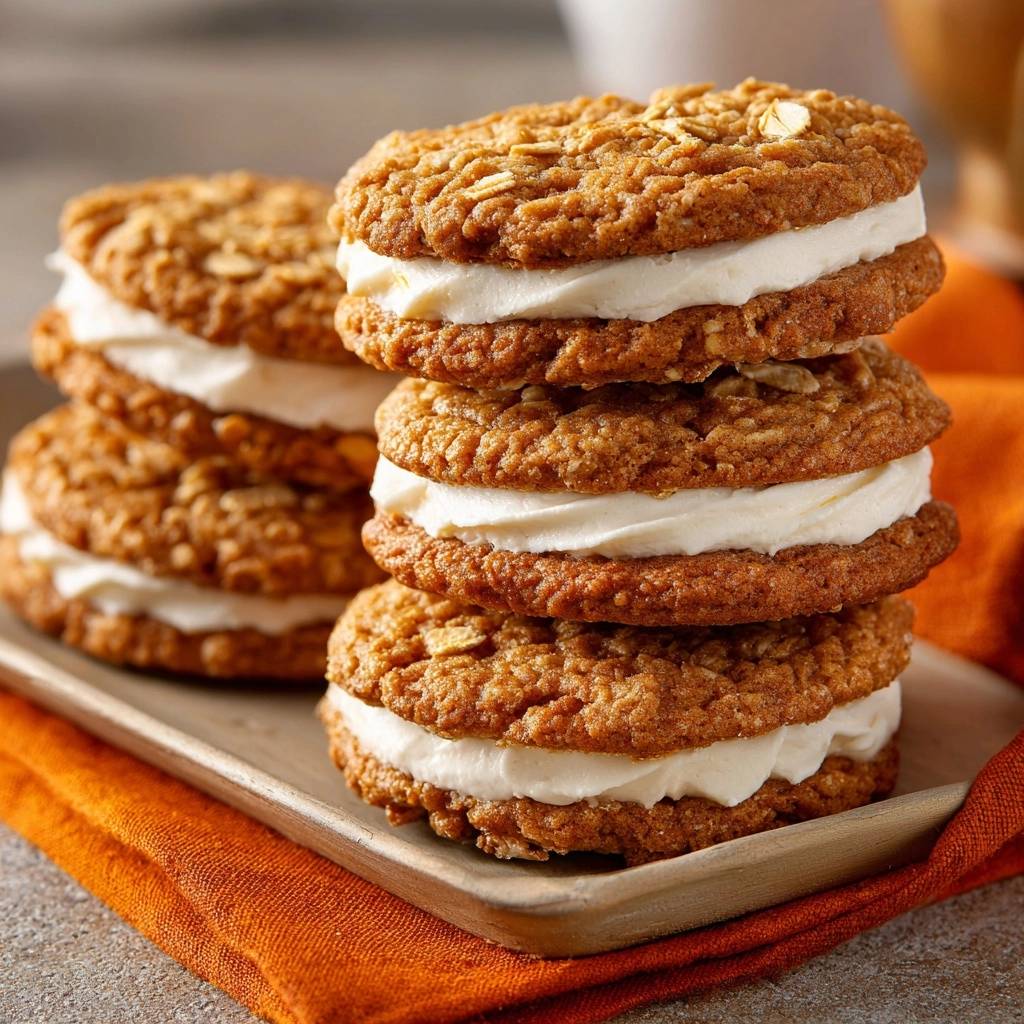
A perfect oatmeal cream pie is a study in texture and balanced sweetness. You want a cookie that is soft enough to bite through without the filling squirting out the sides, yet sturdy enough to hold its shape. The base should have a deep, caramelized flavor that feels sophisticated rather than just sugary.
We achieve this depth by using a high ratio of dark brown sugar and a touch of molasses. These ingredients provide a damp, chewy crumb and a hint of spice that cuts through the richness of the marshmallow center. When you take a bite, you should experience the rustic grain of the oats followed by the cloud-like give of the cream.
Essential Pantry Staples for Homemade Oatmeal Cream Pies
Quality ingredients make a massive difference when you’re recreating a classic. I always recommend using unsalted butter so you can precisely control the salt content in the dough. Since we add a half-teaspoon of salt to the dry ingredients, using salted butter could make the final sandwich taste unpleasantly savory.
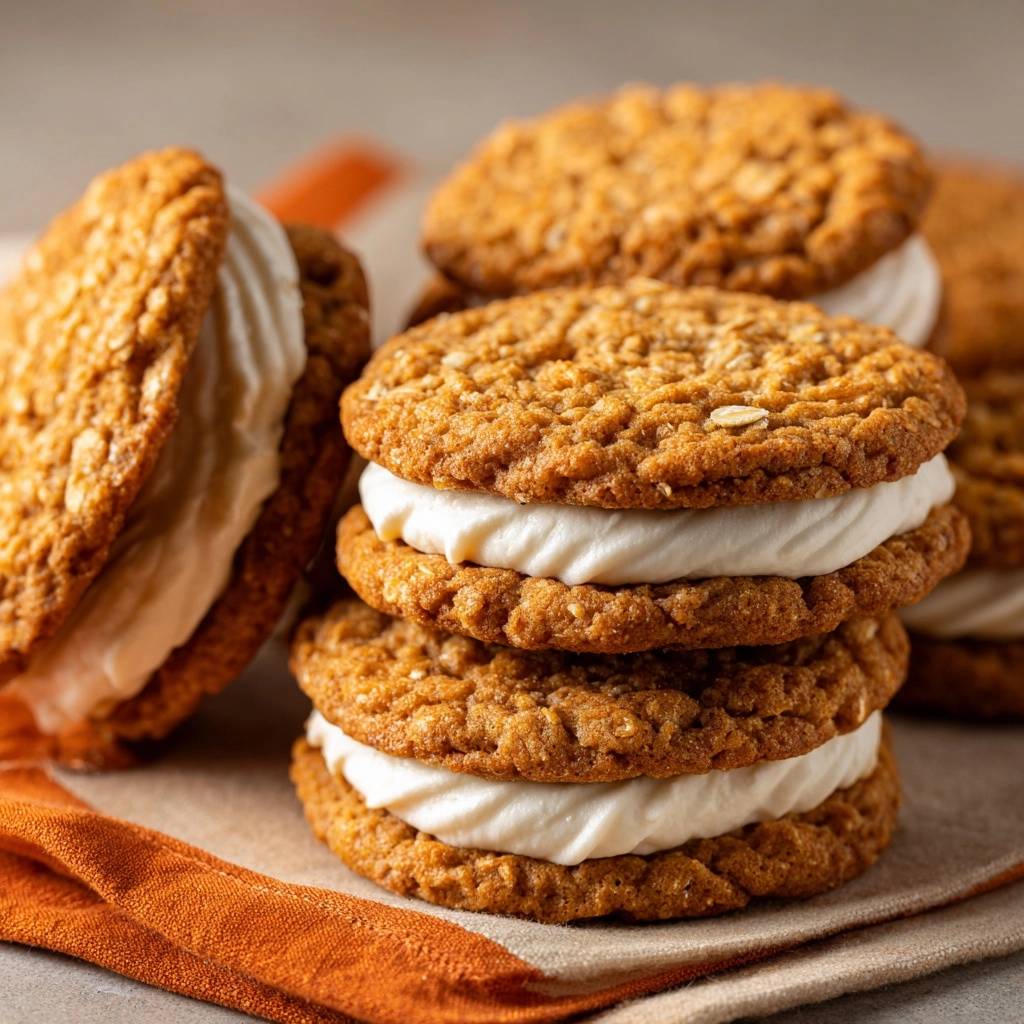
Dark brown sugar is another non-negotiable staple for this recipe. It contains more molasses than light brown sugar, which contributes to the soft, bendable texture we’re looking for. If you only have light brown sugar, you can use it, but your cookies might be slightly crispier and lighter in color.
That single tablespoon of molasses is the real “pantry hero” here. It provides that specific, slightly smoky undertone that defines the nostalgic flavor of the original snack. Without it, the cookies just taste like standard oatmeal rounds rather than authentic cream pie components.
Quick-Cooking vs. Rolled Oats: Why We Use Both
Texture is everything in this recipe, which is why we use two types of oats. Quick-cooking oats are the workhorse of the dough because they break down slightly during the mixing process. This creates a uniform, tight crumb that holds the sandwich together without being overly chunky.
However, we also use a small amount of whole rolled oats to sprinkle on top before baking. This adds a rustic, artisanal look and a bit of “tooth” to the exterior. Whatever you do, avoid steel-cut oats for this recipe, as they won’t soften in the oven and will feel like small pebbles in your cookies.
The Role of Marshmallow Fluff in Filling Stability
A standard American buttercream is often too heavy and greasy for an oatmeal cream pie. By folding in marshmallow fluff, you create a filling that is incredibly light, airy, and—most importantly—stable. The fluff acts as a stabilizer that keeps the cream from collapsing under the weight of the top cookie.
The Science of the Moisture Barrier
Sugar is hygroscopic, which means it naturally attracts and holds water molecules from its environment. In a sandwich cookie, the high sugar content in the filling wants to pull moisture out of the cookie and into the cream. This process, known as moisture migration, is what usually leads to a soggy, falling-apart mess.
Our “cold-set” method interrupts this process by using temperature to our advantage. When you chill the cookies for 15 minutes before filling, the butter within the cookie crumb solidifies. This creates a physical barrier of cold fat that slows down the absorption of moisture from the marshmallow cream.
Furthermore, the starch in the oats helps to lock in the cookie’s internal structure during this chilling phase. By the time you pipe the filling, the cookie surface is firm and sealed. This ensures that even after 24 hours in the fridge, the cookie remains chewy and the filling stays distinct and fluffy.
Step-by-Step: Crafting the Spiced Oat Base
Start by creaming your softened butter with the sugars for at least 3 to 5 minutes. You’re looking for the mixture to turn pale yellow and look noticeably aerated. This step incorporates tiny air bubbles that help the cookies rise and stay soft rather than becoming dense discs.
When you add the dry ingredients, switch to a low speed or use a spatula to fold them in by hand. You want to mix just until the white streaks of flour disappear. Overworking the dough at this stage develops too much gluten, which will turn your soft cookies into tough, bread-like rounds.
Precision Baking for the Ideal Chewy Texture
Preheat your oven to 350 degrees F and ensure your racks are in the center position. When you scoop the dough, try to keep the balls uniform so they bake at the same rate. Gently flattening the tops helps them spread into that classic wide, thin shape we need for sandwiches.
Watch the oven closely around the 10-minute mark. You are looking for the edges to be a light golden brown while the centers still look slightly “underdone” or soft. They will continue to firm up on the hot pan, so pulling them out early is the key to achieving that signature bendable texture.
Executing the Anti-Soggy Cooling Protocol
Once the pans come out of the oven, let the cookies sit on the hot baking sheet for exactly 5 minutes. This “pan-rest” allows the bottom crust to set and become durable enough to move. If you try to move them immediately, they will likely tear or warp.
After the 5 minutes are up, move them to a wire rack to cool to room temperature. Once they no longer feel warm to the touch, pop the entire rack or a plate of the cookies into the fridge for 15 minutes. This is the most critical step for preventing sogginess, so don’t skip the chill time!
Whipping the Stable Marshmallow Cream Filling
While your cookies are chilling, beat the butter and powdered sugar until the mixture is smooth and white. Add the heavy cream one teaspoon at a time if the mixture feels too stiff. You want a consistency that is pipeable but holds a stiff peak when you lift the beaters.
Finally, gently fold in the marshmallow fluff using a rubber spatula. Do not use the electric mixer for this part, as you want to keep the air bubbles in the fluff intact. This creates that signature “marshmallow cloud” texture that makes these pies so addictive.
Assembly: Achieving the Signature Look
Before you start filling, pair up your cookies by size and shape. No two cookies are perfectly identical, so matching them beforehand ensures your sandwiches look professional. Flip one cookie over so the flat bottom is facing up, ready for the cream.
Pipe a generous mound of filling into the center of the bottom cookie, leaving about a quarter-inch of space around the edge. Place the top cookie on and press down very gently. The pressure will push the filling to the edges without it oozing out or cracking the delicate oat base.
Troubleshooting Common Baking Hurdles
If your cookies spread too thin and turn into one giant sheet, your butter was likely too warm or even melted before you started. Always use “cool” room temperature butter—it should give slightly when pressed but still hold its shape. If the dough feels greasy, chill it for 30 minutes before scooping.
If your filling is melting or sliding off, the cookies were definitely still too warm. Even a tiny bit of residual heat will liquefy the butter in the filling. Ensure the cookies feel cold to the touch from their refrigerator rest before you even think about assembly.
For cookies that turn out too crunchy, you likely overbaked them by just a minute or two. Every oven runs differently, so start checking them at the 8-minute mark next time. Remember, they should look soft in the middle when you pull them out!
Make-Ahead Strategies and Storage Solutions
Believe it or not, these cookies actually taste better the next day. A few hours of resting allows the flavors of the cinnamon, molasses, and oats to meld together beautifully. The texture also settles into a perfect, cohesive bite after a night in the container.
Store your assembled cream pies in an airtight container at room temperature for up to 3 days. If your kitchen is particularly warm, keep them in the refrigerator to ensure the filling stays stable. They will stay fresh in the fridge for up to 7 days, though they rarely last that long!
You can also freeze these treats for a rainy day. Wrap each pie individually in plastic wrap and store them in a freezer-safe bag for up to 3 months. Just let them thaw on the counter for about 20 minutes before eating, and they will taste as fresh as the day you made them.
Expert Tips for Professional Results
To get that perfectly round, uniform look, use a spring-loaded cookie scoop. This ensures every sandwich is the same size, which makes pairing them up much easier. I also recommend sifting your powdered sugar before making the filling to avoid any tiny lumps of sugar in your smooth cream.
Make sure your egg is at room temperature before adding it to the creamed butter. A cold egg can cause the butter to seize up and break the emulsion, leading to a greasy cookie. If you forgot to take your egg out of the fridge, just place it in a bowl of warm water for 5 minutes.
Frequently Asked Questions
Can I use gluten-free flour for these cream pies?
Yes, you can substitute the all-purpose flour with a high-quality 1:1 gluten-free flour blend. Make sure the blend contains xanthan gum to help with the structure. Also, ensure your oats are certified gluten-free to avoid cross-contamination.
Why did my cookies turn out flat and greasy?
This usually happens if the butter was too soft or if the baking soda is expired. Check the “use by” date on your baking soda every six months. If your kitchen is very warm, try chilling the scooped dough balls for 20 minutes before putting them in the oven.
Can I skip the molasses in the cookie dough?
I don’t recommend skipping it if you want that authentic “Little Debbie” flavor profile. The molasses provides the specific moisture and tang that defines this snack. If you absolutely must skip it, replace it with an extra tablespoon of dark brown sugar, but the flavor will be less complex.
How do I keep the filling from being too sweet?
The marshmallow fluff and powdered sugar are naturally very sweet. To balance this, add a tiny pinch of fine sea salt to the filling while you are whipping the butter. This cuts through the sugar and highlights the vanilla flavor without making the cream taste salty.
Do I have to use heavy cream in the filling?
The heavy cream helps create a silky, luxurious mouthfeel, but you can use whole milk if that is what you have on hand. Just be careful to add it slowly, as milk is thinner than cream and can make the filling runny if you use too much.
Homemade Oatmeal Cream Pies
Course: DessertCuisine: AmericanDifficulty: easy12
sandwiches20
minutes10
minutes45
MinutesAmerican
Ingredients
For the Cookies:
1 cup unsalted butter, softened
3/4 cup dark brown sugar, packed
1/2 cup granulated sugar
1 large egg
2 teaspoons vanilla extract
1 tablespoon molasses
1 1/2 cups all-purpose flour
1 teaspoon baking soda
1/2 teaspoon salt
1 teaspoon ground cinnamon
3 cups quick-cooking oats
Extra 1/4 cup whole rolled oats (for topping)
For the Filling:
1/2 cup unsalted butter, softened
2 cups powdered sugar
1 tablespoon heavy cream
1 teaspoon vanilla extract
1/2 cup marshmallow fluff
Directions
- Preheat your oven to 350 degrees F. Line two large baking sheets with parchment paper.
- In a large bowl, cream together the butter, brown sugar, and granulated sugar until light and fluffy. Beat in the egg, vanilla, and molasses until fully combined.
- In a separate bowl, whisk the flour, baking soda, salt, and cinnamon. Gradually add the dry ingredients to the wet ingredients, then fold in the 3 cups of quick-cooking oats until just combined.
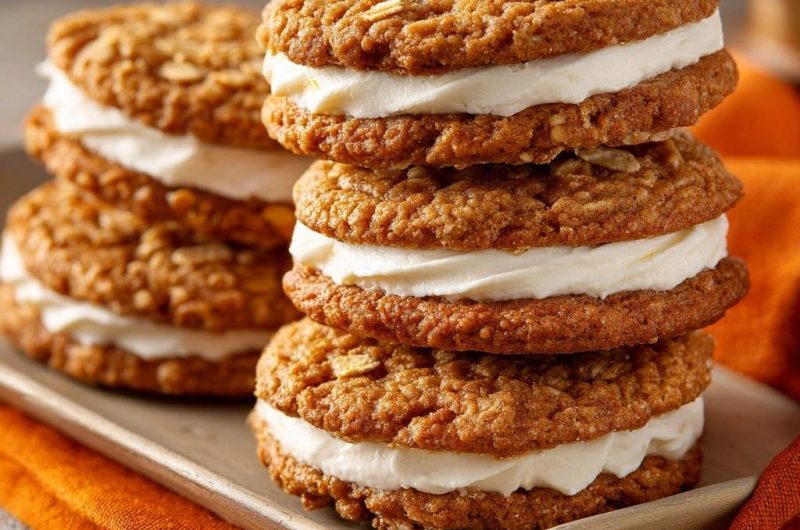
- Scoop rounded tablespoons of dough onto the prepared sheets, spacing them 2 inches apart. Gently press the tops of the dough balls to slightly flatten them, and sprinkle a few whole rolled oats on top of each to match the visual texture of the image.
- Bake for 10 to 12 minutes until the edges are golden brown and set, but the centers still look slightly soft.
- THE ANTI-SOGGY SECRET: To prevent the filling from soaking into the cookie, let the cookies cool on the hot baking sheet for exactly 5 minutes to set the bottom crust. Then, transfer them to a wire rack to cool COMPLETELY. Once cool, place the cookies in the refrigerator for 15 minutes before filling. This “cold-set” method creates a firm surface tension that prevents the cream from migrating into the cookie crumb.
- While cookies chill, make the filling by beating the butter, powdered sugar, cream, and vanilla until smooth. Fold in the marshmallow fluff for that signature airy, stable texture.
- Using a piping bag with a large round tip or a sturdy spatula, apply a thick, generous layer of filling to the flat side of half the chilled cookies. Top with the remaining cookies and press gently until the cream reaches the edges. Store in an airtight container in a cool place to maintain that perfect texture.
Notes
- The secret to preventing sogginess is letting the cookies cool on the hot sheet for 5 minutes, then refrigerating for 15 minutes before filling to create surface tension.