Stop serving sad, limp vegetables that have lost all their color and bite. You know the ones I’m talking about—those watery, overcooked sides that sit untouched at the edge of the plate. The secret to restaurant-quality sides is mastering the staggered blanching technique. By timing the entry of each vegetable into the pan based on its density, you ensure the carrots are tender-crisp while the green beans stay vibrant and snappy.
This method locks in the natural sugars and prevents that dreaded mushy texture. When you combine that perfect “snap” with a glossy, savory-sweet coating, you transform basic produce into the star of the meal. It’s a balance of floral honey, savory soy, and nutty sesame that hits every part of your palate. You’ll find that the contrast between the earthy carrots and the fresh green beans creates a complex flavor profile that feels much more sophisticated than the short prep time suggests.
The real pro move here is the ice bath. Most home cooks skip this step because it feels like an extra dish to wash, but it’s the only way to stop the cooking process instantly. If you leave the vegetables in a colander to drain, the residual heat continues to soften the cell walls. This leads to that dull, olive-drab color instead of the bright, “popping” green we want. Trust me, that five-minute investment in an ice bath makes all the difference in the final presentation.
The Science of Texture: Why Staggered Blanching Works
Vegetables aren’t created equal when it comes to heat resistance. Carrots are dense root vegetables packed with pectin and tough cellulose that require a significant amount of thermal energy to soften. If you throw them in at the same time as your green beans, you’ll end up with a culinary disaster. Either your carrots will be rock hard, or your beans will be complete mush. There is no middle ground without a staggered start.
By giving the carrot batons a three-minute head start in the boiling water, you allow the heat to begin breaking down those sturdy fibers. Green beans are much more delicate legumes. They only need about two minutes of high-heat exposure to reach that “al dente” stage where they are cooked through but still offer a satisfying crunch. This precision ensures that both vegetables reach the finish line at the exact same moment.
When you use this method, you’re essentially pre-setting the texture. The subsequent sauté in the skillet isn’t meant to cook the vegetables further; it’s designed to sear the outside and emulsify the glaze. Because you’ve already handled the heavy lifting in the boiling water, the vegetables maintain their structural integrity even after they’re coated in heavy honey and soy sauce. It’s the professional standard for a reason.
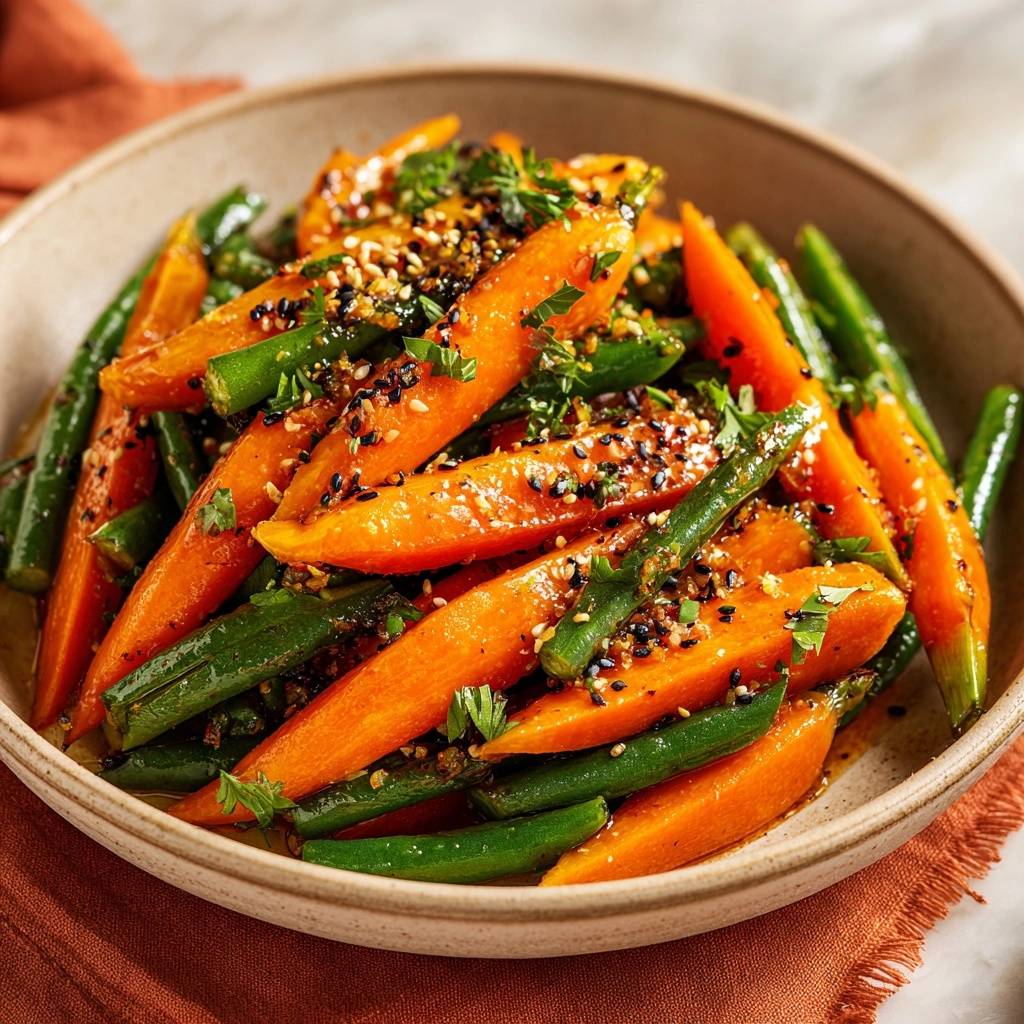
The Role of the Ice Bath Shock
Have you ever noticed how green beans turn a stunning, neon green the second they hit boiling water? That’s the chlorophyll reacting to the heat. However, if they stay hot for too long, that green turns to a muddy brown. Plunging the vegetables into ice water “shocks” the system and locks that vibrant pigment in place. It’s a physiological “pause button” for the vegetable’s appearance.
Beyond the color, the ice bath is your insurance policy against limpness. Residual heat is a sneaky culprit in the kitchen. Even after you drain the hot water, the internal temperature of the carrot or bean remains high enough to keep cooking the fibers. By dropping the temperature to near freezing in seconds, you preserve the crispness that makes this dish so addictive. Just remember to pat them bone-dry afterward; moisture is the enemy of a sticky glaze.
Essential Components for the Honey Sesame Glaze
The quality of your glaze depends entirely on the ingredients you pull from your pantry. For the honey, I usually reach for a standard clover honey because its mild, floral sweetness doesn’t overpower the other flavors. If you use a dark wildflower honey, the flavor might be a bit too bold and earthy for the delicate green beans. You want a honey that acts as a canvas for the soy and sesame.
Speaking of sesame, the toasted sesame oil is a non-negotiable. However, don’t use it as your primary frying oil. It has a low smoke point and can turn bitter if it’s over-heated. We use olive oil for the actual sautéing and add the sesame oil at the very end for that signature nutty aroma. It’s a finishing oil, not a cooking oil, and that distinction is what keeps the glaze tasting fresh and bright.
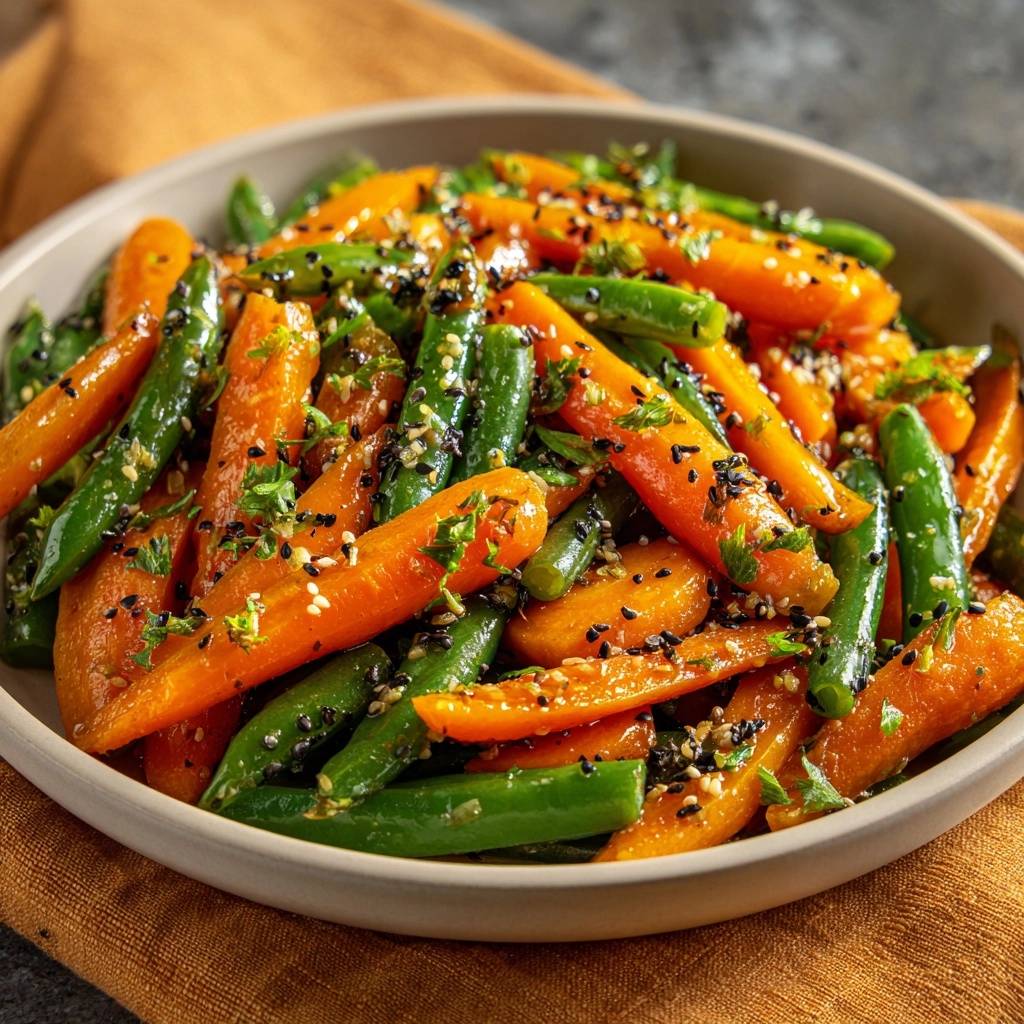
Finally, don’t underestimate the power of fresh parsley. While it might seem like a simple garnish, the hit of fresh, grassy aromatics cuts through the richness of the honey and soy. Dried parsley won’t work here; it lacks the volatile oils needed to lift the dish. When you sprinkle those black and white sesame seeds on at the end, you aren’t just adding visual contrast—you’re adding a tiny bit of crunch that echoes the texture of the vegetables.
Selecting the Best Produce: Carrots and Beans
Your dish is only as good as the produce you buy. When you’re at the market, look for green beans that “snap” loudly when bent. If they feel rubbery or have visible brown soft spots, leave them behind. For the carrots, I always recommend buying whole, large carrots rather than the bagged “baby” variety. Whole carrots are generally sweeter and have a much better texture once sliced into batons.
The way you cut the carrots actually changes how they taste. I like to slice them into thick diagonal batons about two to three inches long. This diagonal cut, often called a “bias cut,” increases the surface area of the vegetable. More surface area means more room for that glossy honey glaze to cling to. It also makes the dish look like it came straight out of a high-end bistro kitchen.
Step-by-Step: Preparing Honey Glazed Sesame Carrots and Green Beans
The first phase is the par-boil, and it’s all about the salt. Your water should be seasoned heavily, almost like seawater. This seasons the vegetables from the inside out. Drop your carrots in first and set a timer. Don’t guess! Three minutes for the carrots, then add the beans for another two. When you drain them, they should still feel slightly firm to the touch. They’ll finish softening in the pan later.
Phase two is the most overlooked: the drying process. After the ice bath, you must pat these vegetables until they are completely dry. If they are wet when they hit the oil, they will steam instead of sear. You want that high-heat contact to create tiny golden edges on the carrots. Use a clean kitchen towel and give them a good squeeze. This ensures the glaze sticks to the vegetables instead of sliding off into a watery mess.
Phase three is the sauté. Heat your olive oil until it’s shimmering but not smoking. Toss the dried vegetables in and keep them moving. You’re looking for a slight caramelization on the edges, which should take about two to three minutes. Finally, phase four is the reduction. Lower the heat before adding the honey, soy, and sesame oil. You’ll see the liquid start to bubble and thicken almost instantly. Keep tossing until every inch of the vegetables is coated in a thick, amber-colored lacquer.
Achieving the Perfect Glaze Consistency
The goal is a glaze that “nappes,” which is just a fancy chef term meaning it coats the back of a spoon. When you pull a spatula through the bottom of the pan, the glaze should leave a clear trail for a second before filling back in. If it’s too thin, it will just pool at the bottom of your serving bowl. If it’s too thick, it will become tacky and difficult to eat.
Watch the bubbles carefully. As the water evaporates from the soy sauce and honey, the bubbles will get smaller and more uniform. This is your cue to pull the pan off the heat. Honey has a high sugar content and can go from perfectly caramelized to burnt and bitter in about thirty seconds. Once it looks glossy and clings to the carrots, you’re done. Move it to a serving dish immediately to stop the reduction.
Troubleshooting Common Vegetable Texture Issues
If your green beans feel “squeaky” against your teeth, they are likely undercooked. This usually happens if the par-boil was too short or the water wasn’t at a true rolling boil. On the flip side, if your carrots are falling apart when you toss them in the glaze, you overshot the boiling time. Remember, they continue to soften slightly during the sauté, so always err on the side of “too firm” during the initial boil.
Sometimes the glaze doesn’t behave. If it looks too thin and watery, it’s usually because the vegetables weren’t dried well enough. You can fix this by turning the heat up slightly and tossing for another minute to cook off the excess moisture. If the glaze gets too thick or starts to smell like burnt sugar, quickly stir in a teaspoon of water or vegetable broth. This will loosen the sugars and bring the glaze back to a silky consistency.
Flavor Variations and Ingredient Substitutions
While honey is the classic choice, you can easily swap it for maple syrup if you want a deeper, woodsy sweetness. It’s a great alternative that still provides that sticky texture we’re looking for. If you want to add a bit of a kick, a pinch of red pepper flakes or a teaspoon of freshly grated ginger added during the sauté phase works wonders. The heat from the ginger balances the sugar beautifully.
For those who love aromatics, adding a clove of minced garlic during the last thirty seconds of the sauté is a game changer. Just be careful not to add it too early, as garlic burns easily in a hot pan. If you want a more citrusy profile, a squeeze of fresh lime juice right before serving can brighten the whole dish. It cuts through the saltiness of the soy sauce and makes the flavors pop.
Pairing Suggestions for a Balanced Meal
This side dish has a distinct Asian-inspired flair, so it pairs beautifully with proteins that can stand up to the soy and sesame. I love serving these carrots and beans alongside a seared piece of salmon or a grilled chicken breast marinated in ginger. The sweetness of the glaze complements the charred flavor of grilled meats perfectly. It’s a versatile side that works for both casual weeknights and fancy dinner parties.
If you’re looking for a starch, jasmine rice is the natural winner. The fluffy grains are perfect for soaking up any extra honey-sesame glaze that escapes the vegetables. You could also serve this over a bed of quinoa or even some glass noodles for a lighter feel. Because the vegetables are so vibrant and textured, you don’t need a complicated main dish to make the meal feel complete.
Expert Tips for High-Volume Cooking
If you’re doubling this recipe for a big holiday crowd, don’t try to cram everything into one skillet. Overcrowding the pan is the fastest way to end up with mushy vegetables. When the pan is too full, the moisture released by the vegetables can’t evaporate quickly enough, so they end up steaming in their own juices. You’ll lose those beautiful golden edges and the glaze won’t thicken properly.
Instead, work in batches or use two large skillets simultaneously. If you’re cooking in batches, you can keep the first round of vegetables warm in a low oven while you finish the second. Just wait to add the final garnish of sesame seeds and parsley until the very last second. This keeps the seeds crunchy and the herbs bright green for the best possible presentation on your dinner table.
Frequently Asked Questions
Can I use frozen vegetables for this recipe?
I don’t recommend using frozen vegetables for this specific dish. Frozen carrots and green beans have already been blanched and then frozen, which breaks down their cellular structure. When they thaw, they naturally release a lot of water and tend to be much softer than fresh produce. You won’t be able to achieve that signature “tender-crisp” texture, and the glaze will likely become watery rather than thick and glossy.
How do I store and reheat leftovers?
You can store leftovers in an airtight container in the refrigerator for up to three days. However, the vegetables will lose some of their crispness as they sit in the glaze. To reheat, avoid the microwave if possible, as it will make the beans rubbery. Instead, toss them in a hot skillet for two minutes with a tiny splash of water. This helps re-emulsify the glaze and restores the glossy finish without overcooking the veggies.
Is there a soy-free alternative for the glaze?
Yes, you can easily make this soy-free by using coconut aminos or liquid aminos. Coconut aminos are slightly sweeter and less salty than traditional soy sauce, so you might want to reduce the honey by a teaspoon to keep the balance right. Use it as a direct 1:1 replacement. It still provides that deep umami flavor and dark color that makes the glaze look so appetizing.
Why are my sesame seeds not sticking?
The timing of the garnish is everything. If you wait until the vegetables have cooled down, the glaze will have set and the seeds will just fall to the bottom of the bowl. You need to sprinkle the sesame seeds over the vegetables while they are still in the pan or immediately after transferring them to a serving dish. The warmth keeps the honey tacky, acting like a natural glue for the seeds and parsley.
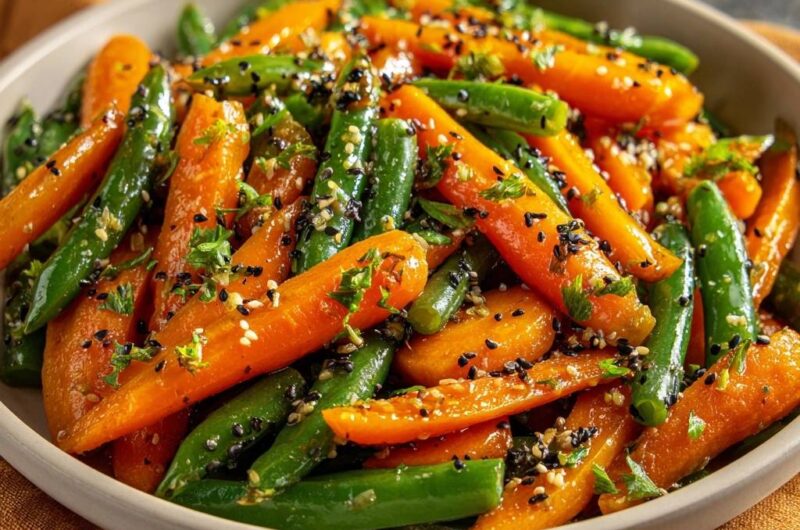
Honey Glazed Sesame Carrots and Green Beans
Course: Side DishCuisine: Asian FusionDifficulty: easy4
servings10
minutes12
minutes22
Minutes145
kcalAsian Fusion
Ingredients
1 pound fresh carrots, peeled and sliced into thick diagonal batons (approx. 2-3 inches long)
1/2 pound fresh green beans, trimmed
2 tablespoons olive oil
3 tablespoons honey
1 tablespoon soy sauce
1 teaspoon toasted sesame oil
1 tablespoon black and white sesame seeds
2 tablespoons fresh parsley, finely chopped
Salt and black pepper to taste
Directions
- The key to avoiding mushy vegetables is the initial par-boil. Bring a large pot of salted water to a rolling boil. Add the carrot batons first and cook for 3 minutes. Add the green beans to the same pot and cook for an additional 2 minutes.
- Immediately drain the vegetables and plunge them into a bowl of ice water. This shock stops the cooking process instantly, preserving the bright green color and firm texture. Drain well and pat thoroughly dry with a kitchen towel; moisture is the enemy of a good glaze.
- In a large skillet or wok, heat the olive oil over medium-high heat. Add the dried vegetables. Sauté for 2 to 3 minutes, tossing frequently, until they are heated through and begin to develop slight golden edges.
- Lower the heat to medium. Pour in the honey, soy sauce, and sesame oil. Toss constantly for 1 to 2 minutes. The honey will reduce into a thick, glossy glaze that clings to the vegetables rather than pooling at the bottom of the dish.
- Remove from heat immediately once the glaze is bubbly and coats the back of a spoon. This prevents the honey from burning and the vegetables from overcooking.
- Transfer to a serving bowl. Garnish generously with the black and white sesame seeds and the fresh chopped parsley to match the vibrant, textured finish shown in the image. Serve immediately while the texture is at its peak.
Notes
- The secret to success is the ice bath shock and ensuring the vegetables are patted completely dry before sautéing to prevent a watery glaze.