We have all been there. You sit down for a comforting meal, fork into a beautiful-looking meatball, and realize it has the texture of a rubber bouncy ball. It is a common kitchen tragedy where the meat is dense, dry, and frankly, a chore to chew. Most home cooks overwork the ground beef or skip the essential binders, leading to a protein structure that is far too tight.
The secret to avoiding this “meatball epidemic” lies in a classic culinary technique called a panade. By using a specific ratio of starch and liquid, you create a physical barrier that keeps the meat fibers from knitting together into a tough mass. This recipe focuses on that delicate balance, ensuring every bite is incredibly tender and stays moist even after a long simmer in a rich, savory gravy.
I’m telling you, once you see how the panade transforms the texture, you will never go back to the old way. It is the difference between a mediocre weeknight dinner and a dish that feels like it came from a high-end bistro. The secret is the milk-soaked breadcrumbs, which act as a moisture reservoir inside the meat.
The Science of the Panade Technique
A panade is simply a paste made from a starch and a liquid, and it is the most important step in this recipe. When you mix milk with breadcrumbs, the starch molecules swell and hydrate. When this paste is folded into the ground beef, it physically interferes with the protein cross-linking that occurs during cooking. Without it, the proteins in the meat would bond tightly together, squeezing out all the juices like a wrung-out sponge.
Therefore, the panade acts as a lubricant and a spacer. While “dry” meatball methods rely on just eggs or dry crumbs, those often result in a crumbly or dense texture. The hydrated starch in our panade holds onto the moisture even as the beef reaches its finished temperature. You aren’t just adding filler; you are engineering a better mouthfeel through basic food chemistry.
In addition, this technique allows the meatballs to withstand the 20-minute simmer in the gravy without drying out. Instead of the meat becoming tough under the heat, it stays soft and pillowy. It is a night-and-day difference that you will notice the moment your fork glides through the center of the meatball.
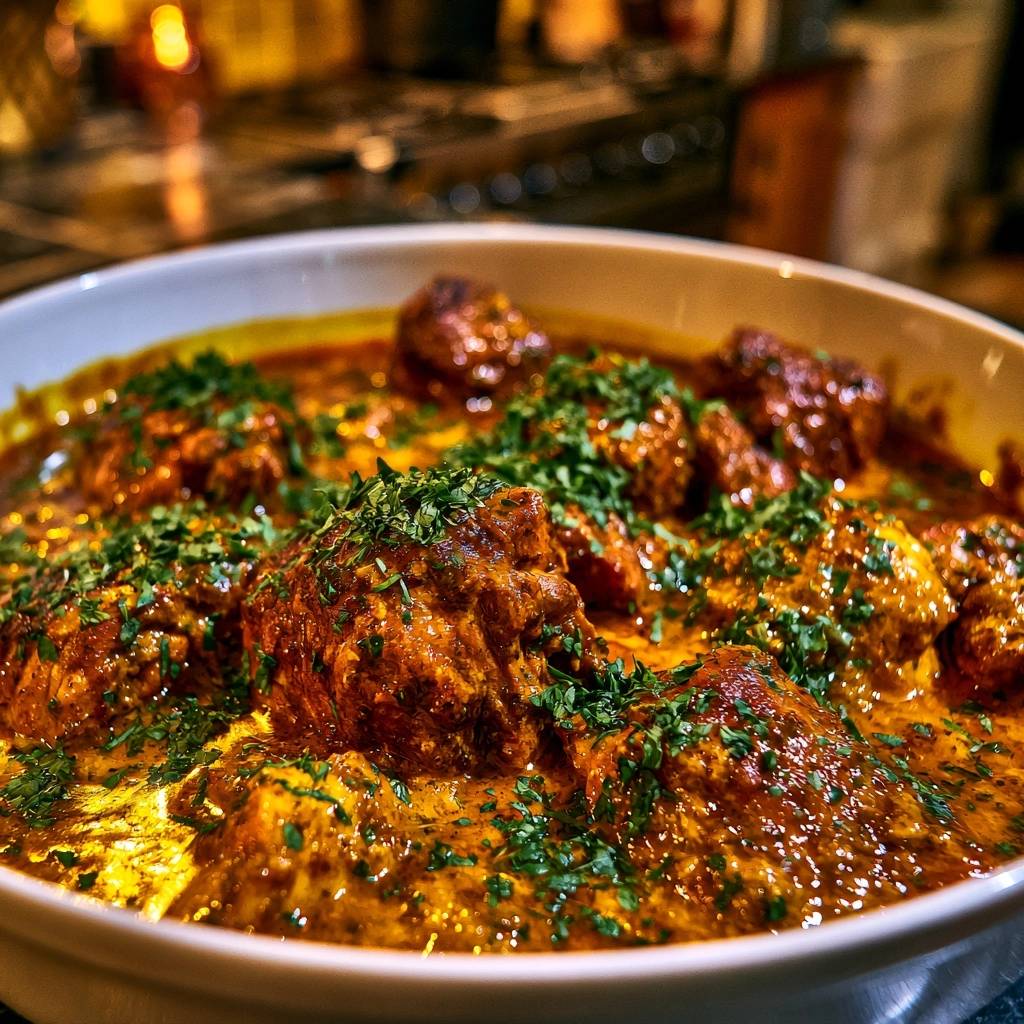
Why 80/20 Beef is Non-Negotiable
When you are making Slow-Simmered Gravy Meatballs, fat is your best friend. I always recommend an 80/20 blend of ground beef because that 20% fat content is vital for flavor and lubrication. Leaner blends, like 90/10 or 95/5, simply do not have enough rendered fat to create a juicy interior, especially during a simmer.
As the beef fat renders, it emulsifies with the heavy cream in the sauce, creating a deep, rounded flavor profile. If you use meat that is too lean, the meatballs will feel “grainy” on the tongue. The fat provides that luxurious, melt-in-your-mouth quality that defines a truly great comfort meal.
The Role of Parmesan as a Structural Binder
Parmesan cheese does more than just add a salty, nutty punch to the dish. Because it is an aged cheese, its proteins provide a secondary structure to the meatball. Unlike muscle fibers in the beef, the proteins in the cheese don’t toughen up when they hit high heat. Instead, they soften slightly, helping to hold the meatball together while maintaining a tender bite.
Essential Components for the Savory Gravy Base
The gravy is the soul of this dish, and the quality of your ingredients will dictate the final result. Firstly, always reach for a high-quality beef broth rather than a standard bouillon cube. A good broth has a complex, roasted flavor that provides the necessary backbone for the cream and mustard. Bouillon can often be overly salty without providing any real depth.
Secondly, don’t skip the Dijon mustard. It might seem like a small addition, but it acts as a “secret” emulsifier. The natural mucilage in mustard seeds helps bind the fats from the cream and the beef broth together, preventing the sauce from looking greasy. It also provides a sharp, acidic counterpoint to the richness of the heavy cream, making the whole dish feel balanced rather than heavy.
Lastly, the Worcestershire sauce adds that essential “umami” kick. It brings a fermented, savory depth that bridges the gap between the beef and the dairy. When these ingredients hit the hot pan and mingle with the browned bits of meat, they create a sauce that is far more than the sum of its parts.
Fresh vs. Dried Herbs in Meatball Prep
I prefer using dried oregano inside the meatball mix because it has a concentrated, earthy flavor that stands up well to the searing process. Fresh herbs can sometimes turn bitter or lose their punch when browned in oil. However, the fresh parsley garnish at the end is mandatory. It provides a necessary hit of brightness and acidity that cuts through the savory gravy.
Selecting the Right Heavy Cream
You really need to use full-fat heavy cream for this sauce. Lower-fat alternatives like half-and-half or whole milk are much more likely to break or curdle when they meet the acidic Dijon mustard and Worcestershire sauce. The high fat content in heavy cream ensures a stable, velvety emulsion that coats the meatballs perfectly.
Step-by-Step: Preparing Slow-Simmered Gravy Meatballs
Cooking this dish is all about managing the transformation of the meat and the sauce. You want to move through the phases with intention, focusing on building layers of flavor at every turn. It starts with the gentle handling of the meat and ends with a controlled, low-temperature simmer.
Phase 1: Hydrating the Panade and Mixing
Start by mixing your breadcrumbs and milk in a small bowl. You are looking for a thick, uniform paste that resembles wet sand. Let it sit for at least five minutes so the crumbs are fully saturated. When you add this to the beef, use a very light touch. I like to use my hands like claws to gently toss the ingredients together. If you squeeze the meat through your fingers, you will overwork the proteins and end up with a tough result.
Phase 2: Developing the Maillard Reaction
Heat your olive oil until it is shimmering but not smoking. When you add the meatballs, you should hear a distinct sizzle. Don’t crowd the pan; if you put too many in at once, the temperature will drop and the meat will steam instead of sear. You want a deep, dark brown crust on all sides. This “fond” left in the pan is pure flavor gold that will season your gravy.
Phase 3: Emulsifying the Creamy Gravy
After removing the meatballs, pour in your broth and use a wooden spoon to scrape up every single brown bit from the bottom of the skillet. This is called deglazing. Once you whisk in the cream and mustard, add your cornstarch slurry slowly. Keep whisking until the sauce reaches the “nappe” stage, which means it is thick enough to coat the back of a spoon without immediately running off.
Phase 4: The Low-Temperature Simmer
Return the meatballs to the pan and turn the heat down to low. Cover the skillet to trap the moisture. This slow finish allows the center of the meatballs to reach a safe temperature while they soak up the savory liquid. You aren’t just cooking them; you are poaching them in flavor. After 15 to 20 minutes, they will be incredibly succulent.
Avoiding Common Meatball Texture Mistakes
The most common mistake is simply trying too hard. People often think that more mixing means a better-integrated meatball, but the opposite is true. If your meatballs are falling apart, it is usually because the panade was too wet or you didn’t sear them long enough to form a “shell.” If they are too dry, you likely used meat that was too lean or over-seared them on high heat for too long.
The Danger of Over-Mixing the Meat
When you over-mix ground meat, you develop the myosin proteins, which creates a “sausage effect.” This results in a bouncy, springy texture that feels processed. For a tender, melt-in-your-mouth meatball, you want to stop mixing the very second the ingredients are distributed. It should look a little loose before you roll it into balls.
Managing Heat to Prevent Sauce Separation
Dairy is sensitive to high heat. If you let the gravy come to a rolling boil once the cream is added, the sauce might “grain” or separate into oil and solids. Keep the heat at a “lazy bubble.” You should see a few bubbles breaking the surface every few seconds, but nothing more aggressive than that.
Optimal Pairings for Creamy Gravy Dishes
Since this dish features a rich, abundant sauce, you want to serve it with something that can act as a “mop.” You don’t want a single drop of that gravy to go to waste! The goal is to find a side dish that provides a neutral base to let the savory beef and cream shine.
Buttery Mashed Potatoes or Egg Noodles
Mashed potatoes are the classic choice for a reason. The starch in the potatoes binds beautifully with the cream sauce. Alternatively, wide egg noodles provide a wonderful “ribbon” texture that catches the gravy in every fold. Both options offer a soft, comforting mouthfeel that complements the tenderness of the meatballs.
Bright Greens to Balance the Richness
Because the gravy is so decadent, I always suggest a side of bright greens. A simple arugula salad with a lemon vinaigrette or some steamed green beans provides a necessary crunch. The acidity from the lemon or the freshness of the greens cleanses your palate between bites of the rich meat and sauce.
Make-Ahead Strategies and Storage Tips
These meatballs actually taste even better the next day as the flavors continue to meld. You can store leftovers in an airtight container in the refrigerator for up to three days. When reheating, do it gently on the stovetop over low heat. If the sauce has thickened too much in the fridge, just add a splash of beef broth or water to loosen it back up.
If you want to freeze them, I recommend freezing the meatballs after the searing stage but before adding them to the gravy. When you are ready to eat, simply make the fresh gravy and simmer the frozen, seared meatballs in the sauce for an extra 10 minutes. This keeps the cream sauce from breaking during the freezing and thawing process.
Expert Troubleshooting
Can I use ground turkey instead of beef?
Yes, you can use ground turkey, but you must be careful. Turkey is much leaner than 80/20 beef, so the meatballs can become dry very quickly. I recommend adding a tablespoon of olive oil directly into the meat mixture to compensate for the lack of animal fat. Also, ensure you don’t overcook them, as turkey toughens faster than beef.
Why is my gravy too thin?
If your gravy isn’t thickening, it is usually because the cornstarch slurry wasn’t cooked long enough or the ratio was off. Make sure the sauce comes to a gentle simmer after adding the slurry, as cornstarch needs heat to activate its thickening power. If it is still too thin, mix another teaspoon of cornstarch with a teaspoon of cold water and whisk it in.
Can I make this in a slow cooker?
You can, but you absolutely cannot skip the searing step. If you put raw meatballs into a slow cooker, they will lack flavor and likely fall apart into a meat sauce. Sear them in a skillet first to develop the crust, then transfer them to the slow cooker with the gravy ingredients. Cook on low for 3-4 hours.
How do I keep the meatballs perfectly round?
If your meatballs are flattening out in the pan, try chilling them in the refrigerator for 30 minutes after rolling them. This firms up the fat and the panade, helping them hold their shape when they hit the hot oil. Also, use a gentle hand when turning them in the skillet; a pair of tongs or a small spoon works best.
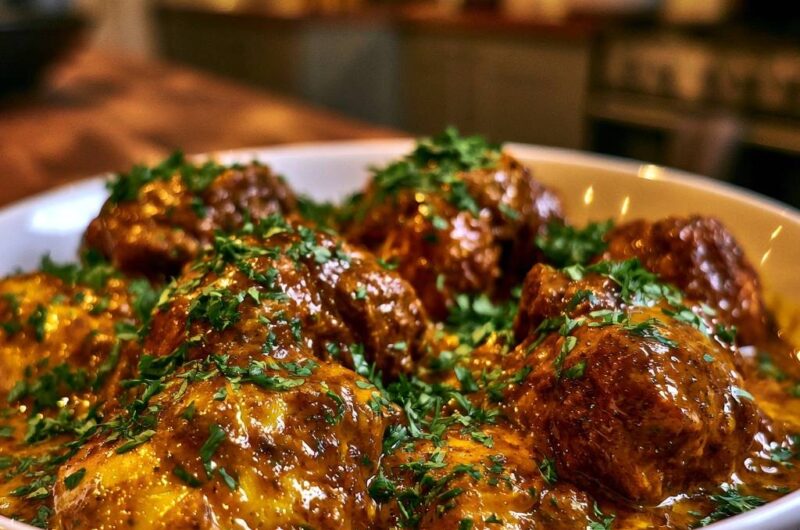
Slow-Simmered Gravy Meatballs
Course: Main CourseCuisine: AmericanDifficulty: easy4
servings20
minutes40
minutes60
Minutes480
kcalAmerican
Ingredients
1 pound ground beef (80/20 blend)
1/2 cup plain breadcrumbs
1/4 cup whole milk
1 large egg, beaten
1/2 cup grated parmesan cheese
2 cloves garlic, minced
1 teaspoon dried oregano
1/2 teaspoon salt
1/4 teaspoon black pepper
2 tablespoons olive oil
2 cups beef broth
1 tablespoon Worcestershire sauce
1/2 cup heavy cream
1 tablespoon Dijon mustard
1 tablespoon cornstarch mixed with 1 tablespoon water
1/2 cup fresh parsley, very finely chopped (for heavy garnish)
Directions
- The secret to the perfect texture is the panade. In a small bowl, combine the breadcrumbs and milk. Let it sit for 5 minutes until it forms a thick paste. This paste prevents the meat proteins from bonding too tightly, which is the primary cause of toughness.
- In a large mixing bowl, combine the ground beef, the breadcrumb paste, egg, parmesan, garlic, oregano, salt, and pepper.
- Use your hands to gently mix until just combined. Do not over-mix or pack the meat tightly. Roll into 12 even balls.
- Heat olive oil in a large skillet over medium-high heat. Brown the meatballs thoroughly on all sides for about 6 to 8 minutes to develop a deep crust. They do not need to be cooked through yet.
- Remove meatballs from the pan and set aside. Pour the beef broth, Worcestershire sauce, and Dijon mustard into the same skillet, scraping up the browned bits (fond) from the bottom.
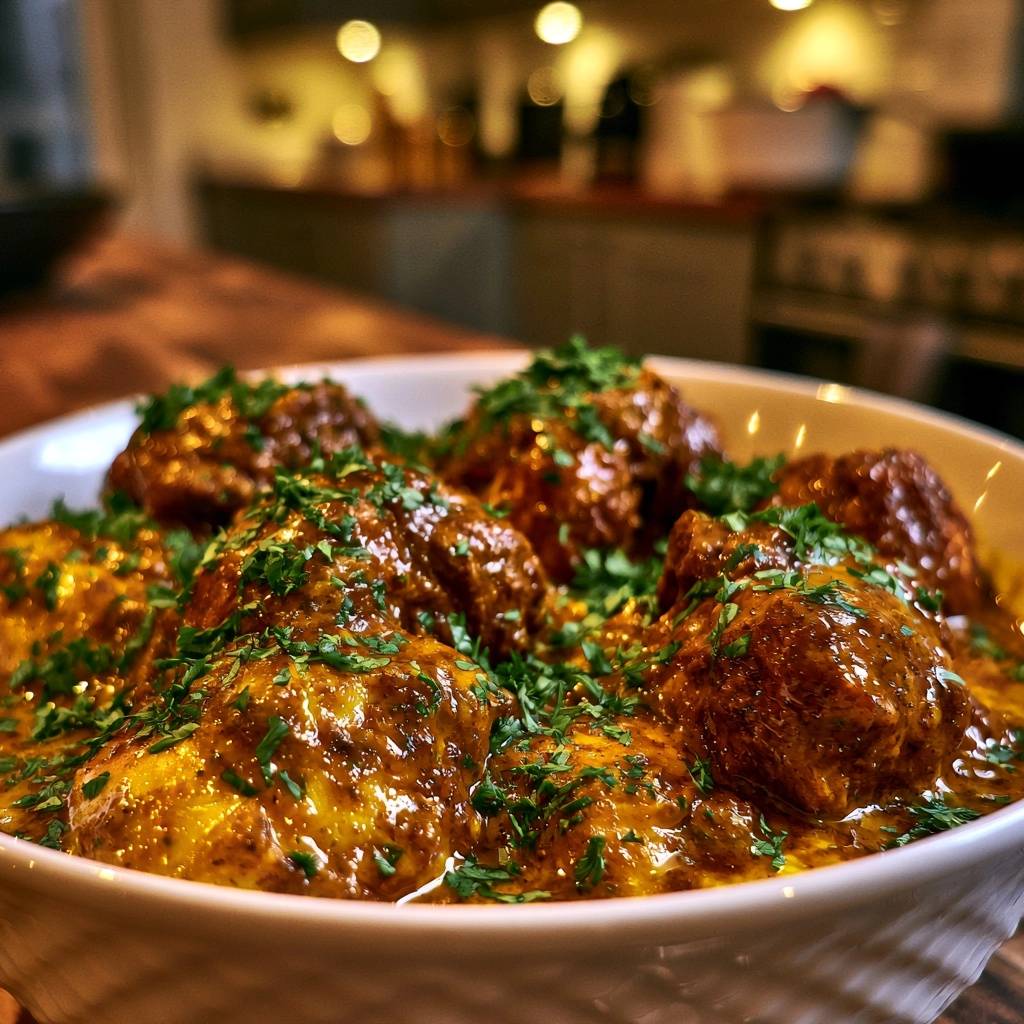
- Whisk in the heavy cream to create the rich, opaque base seen in the image. Bring the liquid to a gentle simmer.
- Whisk in the cornstarch slurry and continue to whisk until the sauce thickens enough to coat the back of a spoon.
- Return the meatballs to the skillet. Cover and simmer on low for 15 to 20 minutes. This slow simmer in the creamy liquid ensures the interior stays juicy while the exterior absorbs the savory sauce.
- Transfer to a serving bowl and garnish heavily with the finely chopped fresh parsley, ensuring every meatball is well-speckled with green as shown in the visual.
Notes
- The panade prevents meat proteins from bonding too tightly. Do not over-mix the meat to maintain the light texture. Garnish heavily with fresh parsley for the best presentation.