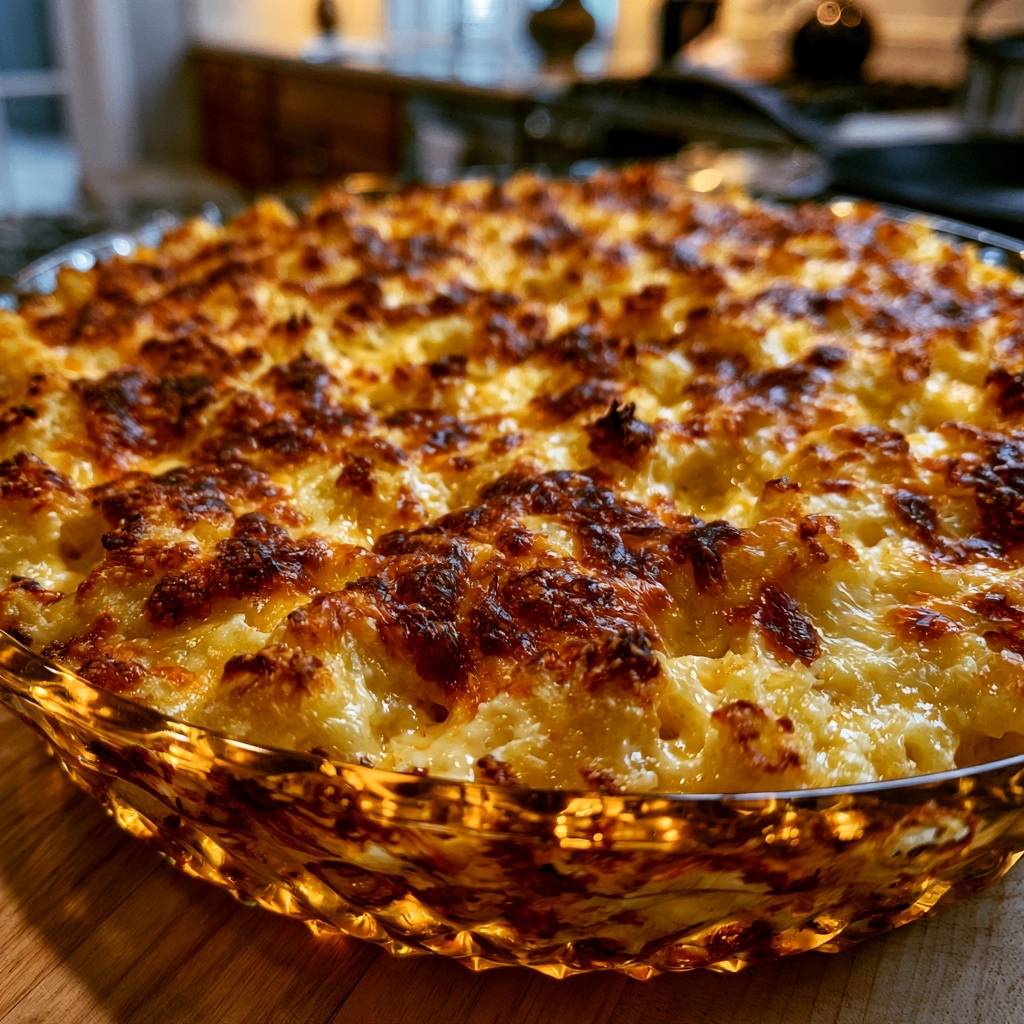
Southern Baked Macaroni and Cheese isn’t just a side dish; it’s the undisputed centerpiece of the holiday table and the ultimate soul food staple. Unlike the liquid, pourable versions found in other regions, a true Southern mac is defined by its “custard-style” interior that holds its shape when sliced, yet remains incredibly creamy. It’s a labor of love that balances a rich, velvety sauce with a golden, bubbly crust that crackles under your fork.
However, many home cooks face the heartbreak of a dish that turns out grainy, oily, or tragically dry. These issues usually stem from a lack of temperature control or the wrong choice of cheese. Therefore, achieving that perfect, silk-like consistency requires a bit of kitchen science. By mastering the emulsion of the sauce and selecting high-quality fats, you can ensure every bite is a decadent experience rather than a gritty disappointment.
The secret to a sauce that never breaks is all in the dairy temperature. I’ve found that using room temperature milk and heavy cream prevents the “thermal shock” that often causes a roux to clump or the cheese to seize. When you add cold liquid to a hot flour-and-butter base, the proteins tighten up instantly. Taking your dairy out of the fridge thirty minutes early is the simplest way to guarantee a professional, smooth finish.
The Anatomy of a Silky Cheese Sauce
The foundation of this Southern classic is a Mornay sauce, which is essentially a classic Béchamel enriched with shredded cheese. It all starts with a roux, a cooked mixture of equal parts flour and butter. This roux acts as a stabilizer, suspending the fat droplets from the cheese and cream within the liquid so they don’t separate into a greasy mess during the long bake time.
As you whisk your room temperature milk and heavy cream into the roux, you’re creating a thick, stable base. It’s vital to pour the liquid in slowly, whisking constantly to build the emulsion. You’ll know the base is ready when it passes the “spoon test.” Dip a metal spoon into the sauce and run your finger across the back; if the line stays clean and the sauce doesn’t run, it’s thick enough to coat your macaroni perfectly.
Furthermore, the heavy cream provides the necessary fat content to keep the sauce stable at high oven temperatures. While milk provides the volume, the cream adds a luxurious mouthfeel and prevents the pasta from soaking up all the moisture. This ensures that even after thirty minutes in the oven, the interior remains moist and custard-like rather than becoming a solid block of dry noodles.
Why Freshly Shredded Cheese is Mandatory
If you want a smooth melt, you must step away from the bags of pre-shredded cheese. Those convenient packages are coated in cellulose and potato starch to prevent the shreds from clumping in the bag. Unfortunately, those same anti-clumping agents prevent the cheese from melting into a cohesive sauce, often resulting in a gritty, sandy texture that no amount of whisking can fix.
Freshly grating your cheese from a block ensures you’re getting pure protein and fat without the additives. For the best results, look for a high-quality Sharp Cheddar. The “sharp” designation means the cheese has been aged longer, giving it a lower moisture content and a more intense flavor that won’t get lost among the cream and pasta. It provides the perfect oil-to-protein ratio for a glossy, rich finish.
Essential Components for Southern Baked Macaroni and Cheese
The choice of pasta is just as important as the cheese itself. Elbow macaroni is the gold standard for a reason. Its hollow, curved shape acts like a tiny pipe, trapping the cheese sauce both inside and out. This maximizes the surface area for the sauce to cling to, ensuring you don’t end up with “naked” noodles in the center of your casserole dish.
We use a trio of cheeses to achieve a complex flavor profile. Sharp Cheddar brings the punchy, nostalgic flavor we all crave. Monterey Jack is the “melter” of the group, providing that gooey, stretchy pull that makes the dish feel indulgent. Finally, a dusting of freshly grated Parmesan on top adds a salty, nutty bite and helps create that signature browned crust that everyone fights over at the dinner table.
Using unsalted butter is another pro move for this recipe. Because different brands of cheese and pasta water vary in saltiness, starting with unsalted butter gives you total control over the final seasoning. You can always add more salt, but you can’t take it away once it’s baked into the sauce.
The Spice Profile: Beyond Just Salt
While salt and pepper are essential, the real magic happens with the secondary spices. Ground mustard is a secret weapon in Southern mac and cheese. It acts as a natural emulsifier, helping the fats and liquids stay bonded, while its subtle tang cuts through the heavy richness of the dairy. You won’t taste “mustard,” but you’ll notice the cheese flavor feels brighter and more intense.
Smoked paprika adds a beautiful orange hue and a hint of woodsy depth without introducing actual heat. Additionally, using onion and garlic powder is preferable to fresh aromatics here. Fresh onions release moisture as they cook, which can thin out your sauce, whereas powders distribute evenly throughout the Mornay sauce for a consistent flavor in every single forkful.
Phase One: Preparing the Pasta and Roux
The most common mistake people make is boiling their macaroni until it’s soft. Remember, the pasta is going to spend another 30 minutes swimming in hot sauce in the oven. Therefore, you must undercook your noodles by at least 2 to 3 minutes. They should be “al dente” with a very firm, almost white center. This allows the pasta to finish cooking by absorbing the flavorful cheese sauce rather than plain water.
While the pasta drains, start your roux. Melt the butter over medium heat and whisk in the flour. You’re looking for a “blonde” roux. It should bubble gently and smell slightly nutty, like toasted bread, but it shouldn’t turn brown. This 2-minute cook time is essential to remove the raw flour taste while keeping the thickening power of the starch at its peak.
Phase Two: Tempering and Emulsifying the Sauce
Once your roux is ready, it’s time for the slow-pour method. Add your room temperature milk and cream a half-cup at a time. Whisk vigorously after each addition until the mixture is smooth before adding more. This gradual process tempers the roux and prevents lumps from forming. If you dump all the liquid in at once, you’ll spend the next ten minutes chasing flour clumps around the pan.
After the sauce has thickened, remove the pan from the heat entirely. This is a critical step. If you add the cheese while the sauce is still boiling, the high heat will cause the cheese proteins to tighten and squeeze out the fat, leading to an oily, broken sauce. Let the sauce cool for two minutes, then stir in your spices and cheese gently until the mixture is silky and glossy.
Phase Three: Layering for Maximum Texture
Layering is what separates a good mac and cheese from a legendary one. Instead of just mixing everything together, we pour half the coated macaroni into the dish and add a thick layer of shredded cheese in the middle. This creates “pockets” of pure, melted cheese that offer a different texture than the emulsified sauce. It’s a delightful surprise when you dig in.
Before you even start layering, make sure you grease your glass casserole dish generously with softened butter. This doesn’t just prevent sticking; it fries the edges of the macaroni that touch the glass. Those crispy, chewy corner bits are often the most coveted part of the entire dish, and the butter ensures they develop a deep, savory flavor.
Achieving the Deeply Browned Signature Crust
The final ten minutes of baking are where the Maillard reaction happens. This is the chemical reaction between amino acids and reducing sugars that gives browned food its distinctive flavor. By topping the dish with a mix of Cheddar and Parmesan, you’re setting the stage for a crust that is both flavorful and textured. The Parmesan, in particular, browns beautifully and adds a crisp element.
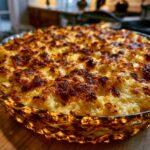
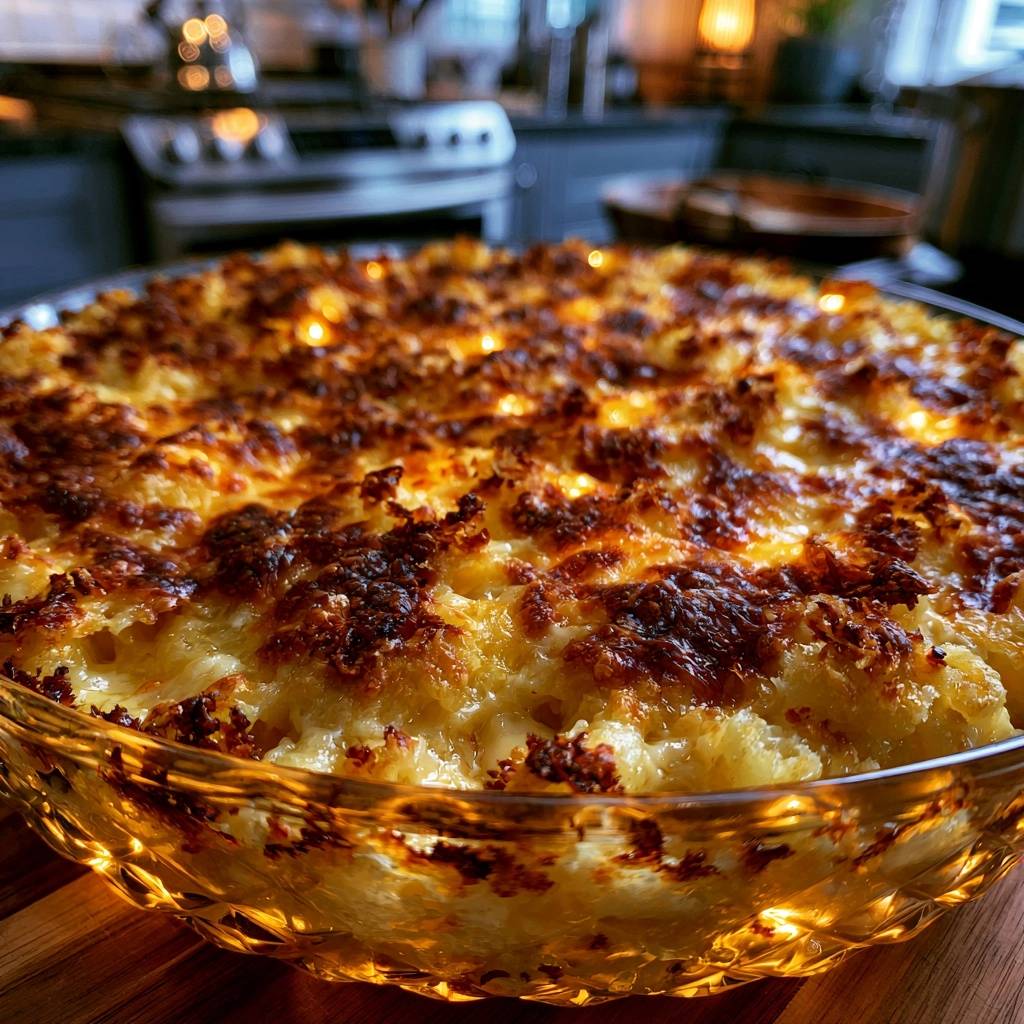
If your oven doesn’t brown the top evenly, don’t be afraid to use the broiler. Move your oven rack to the top position and broil for 2-3 minutes. However, you must stay right there and watch it. It can go from perfectly golden to burnt in thirty seconds. Use the “30-second rule”—check it every half-minute until it reaches that deep, mahogany brown color shown in the photos.
The Critical 10-Minute Rest Period
I know it’s tempting to scoop into the bubbling cheese the second it comes out of the oven, but you must wait. When the dish is piping hot, the sauce is still in a liquid state. As it rests for 10 minutes, the starches in the macaroni continue to pull in the moisture from the sauce, and the fats begin to set. This is how you achieve that classic Southern custard-like consistency.
If you cut into it too early, the sauce will simply run to the bottom of the dish, leaving the top layers dry. Resting allows the temperature to stabilize and the flavors to meld. Think of it like resting a steak; the patience pays off with a much better texture and a cleaner slice that stays together on the plate.
Troubleshooting Common Texture Issues
If your sauce turned out grainy, it’s almost certain that the heat was too high when the cheese was added, or you used pre-shredded cheese with cellulose. To fix this in the future, always remove the pot from the burner before stirring in your shreds. If it’s already grainy, there isn’t much you can do for the current batch, but a splash of warm milk stirred into individual servings can help mask the texture.
Dry pasta is usually the result of overcooking the noodles in the initial boiling phase. If the noodles are already fully hydrated when they hit the sauce, they can’t absorb any more liquid, and the sauce just evaporates in the oven. Always aim for a very firm bite during the boil. If you notice the dish looks dry before it goes in the oven, add an extra half-cup of milk to the mixture to provide a moisture buffer.
An oily surface typically means the emulsion “broke.” This happens if the cheese is low-quality or if the oven was too hot. Using a glass dish helps regulate this heat more evenly than thin metal pans. If you see oil pooling on top, you can gently blot it with a paper towel before serving. Next time, ensure you’re using a sturdy roux and room temperature dairy to keep those fats locked in place.
Optimal Pairings for a Southern Feast
Because this dish is incredibly rich and creamy, it pairs best with sides that offer a bit of acidity or brightness. A vinegar-based coleslaw is a fantastic companion, as the tanginess cuts right through the heavy cheddar. Similarly, slow-simmered collard greens with a splash of apple cider vinegar provide a savory, earthy balance to the decadence of the macaroni.
For a vegetable side, try roasted green beans with lemon zest or a crisp garden salad. These lighter options prevent the meal from feeling too heavy. If you’re looking for a beverage, sparkling apple cider or a cold glass of sweet tea with plenty of lemon are traditional choices that refresh the palate between cheesy bites.
Storage, Reheating, and Make-Ahead Strategies
You can easily prepare this dish up to 24 hours in advance. Simply assemble the layers, cover the dish tightly with foil, and refrigerate. When you’re ready to eat, let the dish sit on the counter for 30 minutes to take the chill off before baking. You may need to add 5-10 minutes to the total bake time since the interior starts out colder than a fresh batch.
Leftovers should be stored in an airtight container in the refrigerator for up to 4 days. To reheat, avoid the microwave if possible, as it tends to make the cheese oily. Instead, place a portion in a small oven-safe dish, add a tablespoon of milk to help loosen the sauce, and bake at 350°F until warmed through. This helps restore the creamy emulsion without drying out the pasta.
Note that this specific custard-style mac and cheese does not freeze well. The high fat content in the heavy cream and the structure of the cooked pasta often lead to a grainy, mushy texture once thawed and reheated. It’s always best enjoyed fresh or from the fridge within a few days.
Expert Troubleshooting and Preparation FAQ
Can I use gluten-free pasta for this recipe?
Yes, you can use gluten-free pasta, but you need to be careful with the timing. Gluten-free noodles, especially those made from brown rice, release more starch and can become mushy very quickly. Undercook them even more than regular pasta—aim for about 4 minutes less than the package directions. Also, use a gluten-free all-purpose flour blend for the roux to ensure the sauce thickens correctly.
Why did my cheese sauce turn oily?
An oily sauce is a sign that the emulsion has “broken,” meaning the fat has separated from the solids. This usually happens if the sauce gets too hot after the cheese is added. To rescue a breaking sauce before it goes into the oven, you can try whisking in a teaspoon of cold milk very vigorously. This can sometimes help re-emulsify the fats. In the future, always melt your cheese off the heat.
Is a glass dish better than a metal pan?
For Southern baked macaroni, tempered glass is generally superior to metal. Glass heats more slowly and retains heat longer, which is ideal for creating that thick, custard-like interior without scorching the bottom. Metal pans, especially thin aluminum ones, can hot-spot, causing the edges to burn before the center is set. If you must use metal, keep a close eye on the bottom of the dish.
How do I scale this for a large crowd?
When doubling this recipe, you’ll need a much larger pot for the roux. Keep in mind that a larger volume of milk will take longer to reach the thickening point, so be patient with the whisking. You may also need to rotate your baking dishes in the oven halfway through to ensure even browning, as multiple dishes can interfere with the oven’s air circulation.
Can I substitute the heavy cream with half-and-half?
You can use half-and-half in a pinch, but the result won’t be quite as stable or rich. Heavy cream has a higher fat content, which helps protect the sauce from curdling under the high heat of the oven. If you use half-and-half, your sauce might be slightly thinner and less “velvety.” Avoid using 1% or skim milk, as the lack of fat will almost certainly result in a watery, broken mess.
Southern Baked Macaroni and Cheese
Course: Main CourseCuisine: AmericanDifficulty: easy8
servings15
minutes35
minutes50
Minutes520
kcalAmerican
Ingredients
1 pound elbow macaroni
4 cups sharp cheddar cheese, freshly shredded (divided)
2 cups Monterey Jack cheese, freshly shredded (divided)
1/2 cup freshly grated Parmesan cheese (for the crust)
4 tablespoons unsalted butter
1/4 cup all-purpose flour
3 cups whole milk, room temperature
1 cup heavy cream, room temperature
1 teaspoon garlic powder
1 teaspoon onion powder
1/2 teaspoon smoked paprika
1/2 teaspoon ground mustard (optional, for tang)
Salt and black pepper to taste
Directions
- Preheat your oven to 375°F (190°C). Generously grease a large, deep round glass casserole dish or a 9×13 inch baking dish with butter.
- Boil the macaroni in heavily salted water for 2 to 3 minutes less than the package directions for al dente. The pasta should still have a firm bite in the center so it can absorb the cheese sauce without becoming mushy. Drain and set aside.
- In a large saucepan or Dutch oven, melt the butter over medium heat. Whisk in the flour and cook for 1-2 minutes, whisking constantly, until the mixture smells slightly nutty but hasn’t browned.
- Gradually pour in the room temperature milk and heavy cream, whisking vigorously to prevent lumps. Continue to cook over medium heat, stirring frequently, until the sauce thickens enough to coat the back of a spoon (about 5-7 minutes).
- Remove the pan from the heat. Let the sauce sit for 2 minutes to drop slightly in temperature. Stir in the garlic powder, onion powder, smoked paprika, ground mustard, salt, and pepper.
- Add 2 cups of the cheddar and 1 cup of the Monterey Jack to the sauce. Stir gently until the cheese is completely melted and the sauce is silky smooth.
- Fold the undercooked macaroni into the cheese sauce until every noodle is thoroughly coated.
- Pour half of the macaroni mixture into the prepared glass dish. Sprinkle with 1 cup of cheddar and 1 cup of Monterey Jack. Top with the remaining macaroni mixture.
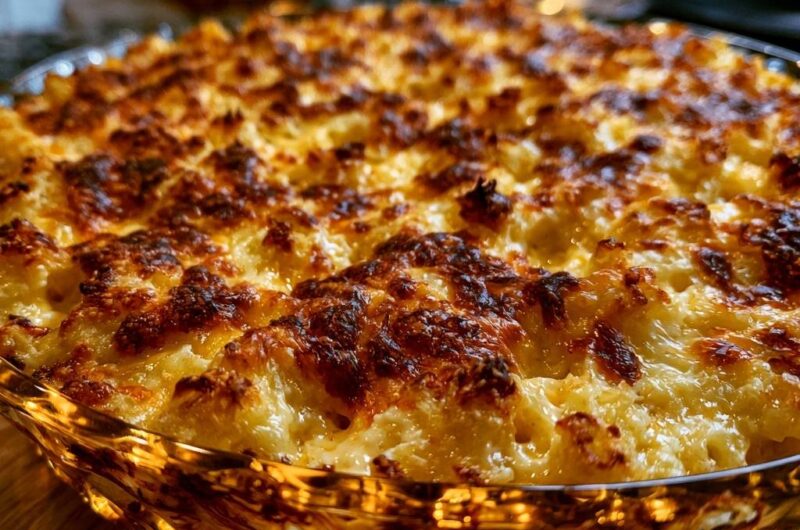
- For the signature crust shown in the image, top with the final 1 cup of cheddar and the 1/2 cup of Parmesan.
- Bake for 30 minutes. If the top isn’t as deeply browned as the image, turn the broiler to high for the last 2-3 minutes, watching closely to prevent burning.
- Remove from the oven and let the dish rest for 10 minutes. This allows the sauce to thicken into a creamy custard consistency before serving.
Notes
- Use room temperature milk and cream to prevent the sauce from breaking. Ensure the pasta is undercooked by 2 to 3 minutes before baking to maintain a firm texture.