Stop settling for mushy, steamed potatoes in your breakfast bowl. Most home cooks struggle with hash because the potatoes turn into a soft, gray pile of disappointment instead of the golden, shatter-crisp delight you find at high-end diners. The secret to a restaurant-quality Crispy Chorizo Breakfast Hash isn’t a fancy pan or a secret spice blend; it’s all about moisture control and heat management.
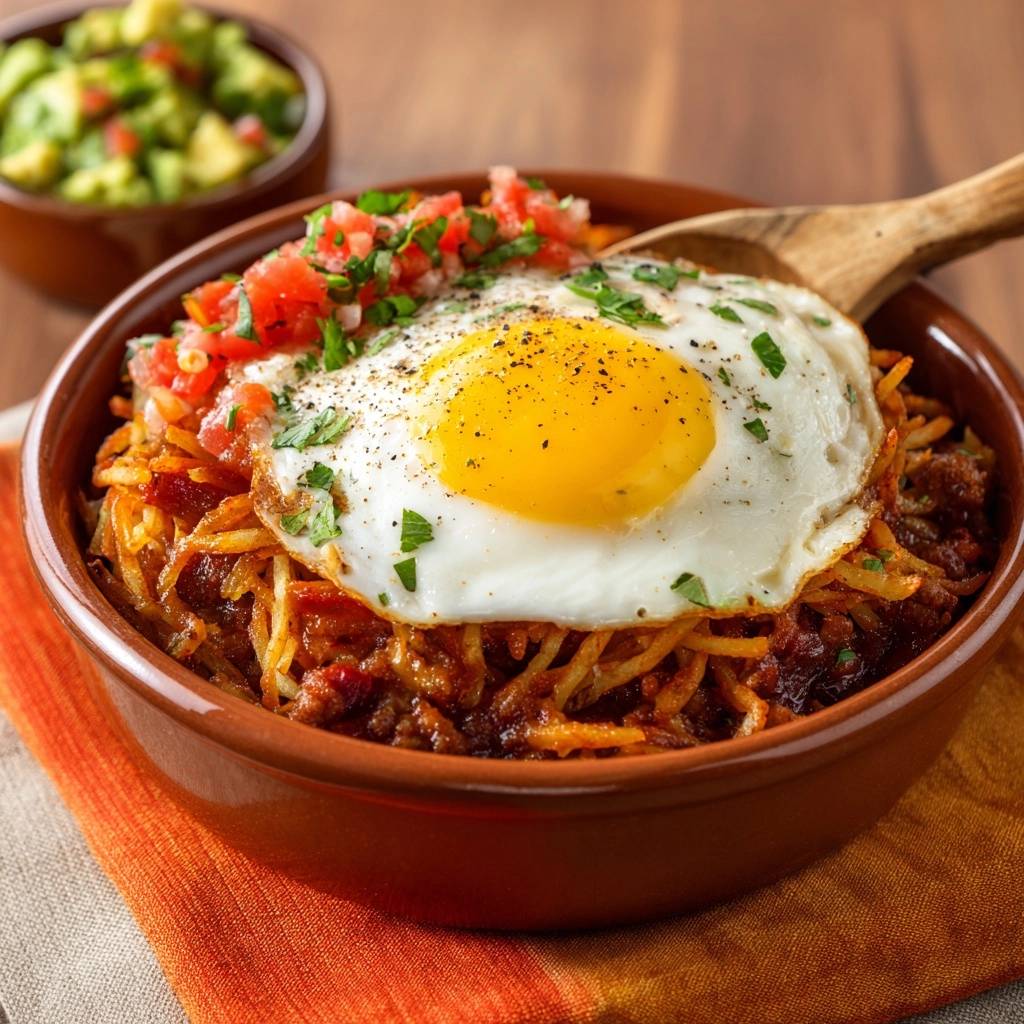
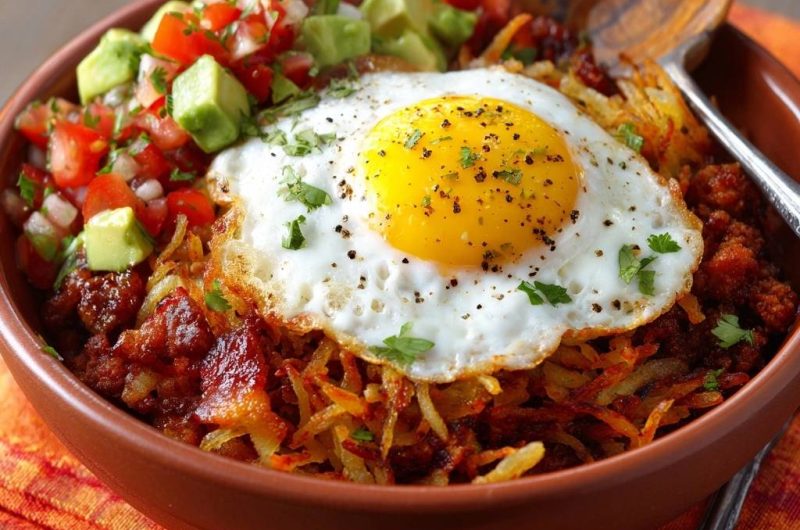
Imagine biting into a forkful of mahogany-brown potato shreds that actually crunch, followed by the smoky, spicy richness of well-browned chorizo. This dish creates a sensory playground where the heat of the meat meets the cool, creamy texture of fresh avocado and the bright acidity of pico de gallo. It’s a bold, high-energy way to start your morning that feels like a celebration in every bite.
The real trick to this recipe is the “dry-squeeze” method. If your potatoes are even slightly damp when they hit the oil, they will steam rather than fry. By aggressively removing every drop of water from the shredded Russets, you ensure the starch can caramelize immediately. This creates that iconic crust that stands up to the weight of a runny egg yolk without losing its structural integrity.
The Science of the Perfect Potato Crunch
Achieving a world-class crunch requires an understanding of the Maillard reaction. This chemical process occurs when amino acids and reducing sugars react under high heat, creating the brown color and complex flavors we love. For this to happen, the surface of the potato must reach temperatures far above the boiling point of water.
Russet potatoes are the undisputed champions for this task because of their high starch and low moisture content. Their cellular structure is “floury,” meaning the cells separate easily when cooked, providing more surface area for browning. Other varieties, like waxy red potatoes, hold onto moisture too tightly, which often results in a gummy interior rather than a light, crispy one.
When you shred a potato, you break open thousands of tiny cells, releasing liquid and surface starch. If you don’t wash that starch away and dry the shreds thoroughly, that liquid turns into a layer of steam. This steam acts as a thermal barrier, keeping the potato temperature stuck at 212°F, which is far too low for a true sear to develop.
Why Moisture is the Enemy of Hash
Water is the primary obstacle to a perfect sear. As long as there is moisture on the surface of your shredded potatoes, the energy from your stove is spent evaporating that water instead of browning the vegetable. This leads to the dreaded “boiled” texture that ruins so many breakfast skillets.
By removing the water, you allow the oil to make direct contact with the potato solids. This immediate heat transfer causes the exterior to dehydrate and crisp up instantly. You want your potato shreds to feel like parched hay before they ever touch the skillet to ensure a successful fry.
Essential Components for Your Chorizo Hash
The foundation of this dish is high-quality Mexican chorizo. Unlike the Spanish version, which is cured and firm, Mexican chorizo is a raw, heavily spiced ground meat. It provides the essential fat and deep red color that seasons the entire skillet. When it hits the hot pan, it releases a fragrant oil packed with paprika and chili notes.
You also need a neutral vegetable oil with a high smoke point. While the chorizo fat provides incredible flavor, it can sometimes burn if used alone at the high temperatures required for crispy potatoes. Adding a tablespoon or two of vegetable oil stabilizes the fat and ensures you can get the pan screaming hot without filling your kitchen with smoke.
Freshness is the final key component. Because the hash is so rich and salty, you need high-contrast toppings. A bright pico de gallo provides a necessary acidic punch, while cilantro adds a floral, herbaceous finish. These raw elements prevent the dish from feeling too heavy or one-dimensional.
Selecting the Right Chorizo and Produce
When shopping for chorizo, look for brands that use recognizable spices and minimal fillers. The meat should look vibrant and moist, not gray or overly dry. If you can find it at a local butcher shop, that’s usually your best bet for a clean, spicy flavor profile that isn’t overly greasy.
For the produce, your avocado must be perfectly ripe—yielding slightly to gentle pressure—to provide that buttery contrast to the crunchy potatoes. Use a sharp knife for your pico de gallo to ensure the tomatoes stay chunky rather than turning into a watery salsa. This keeps the moisture on top of the dish where it belongs, rather than soaking into your crispy base.
The “Dry-Squeeze” Method: Step-by-Step Preparation
Start by peeling your Russet potatoes and shredding them using the large holes of a box grater. Immediately drop the shreds into a large bowl of cold water. You’ll notice the water turns cloudy almost instantly; this is the excess surface starch that causes potatoes to stick together and turn gummy.
Swish the potatoes around vigorously, then drain them in a colander. Now comes the most important part of the entire process. Lay out a clean, lint-free kitchen towel and pile the wet potato shreds in the center. Gather the corners of the towel to create a bundle and twist the top tightly.
Squeeze the bundle over the sink with all your strength. You will be surprised at how much liquid comes out even after the potatoes seem drained. Keep squeezing until no more drops fall. When you open the towel, the potatoes should look dull and feel almost bone-dry to the touch. This “parched” state is exactly what you need for a legendary crunch.
Rendering the Chorizo and Infusing the Oil
Place your heavy skillet over medium-high heat and add the chorizo. As it cooks, use a wooden spoon to break it into small, uniform crumbles. You want to render out as much of that flavorful red fat as possible. This usually takes about 5 to 7 minutes until the meat is fully browned and slightly crispy at the edges.
Once the chorizo is done, use a slotted spoon to transfer the meat to a small bowl, leaving the red oil behind in the pan. This oil is liquid gold; it’s infused with vinegar, garlic, and chilies. By cooking the potatoes in this fat, you ensure that every single shred is seasoned from the inside out.
If the pan looks a little dry after removing the meat, add your vegetable oil now. You want enough fat to thinly coat the entire bottom of the skillet. Let the oil get shimmering hot before you even think about adding the potatoes. If the oil isn’t hot enough, the potatoes will just soak it up and become greasy.
Achieving the Golden Crust: The Searing Phase
Carefully spread your dried potato shreds into the hot skillet in an even, thin layer. You should hear a loud, aggressive sizzle the moment they hit the pan. Use a spatula to press them down slightly, ensuring maximum contact with the hot surface. Now, the hardest part: do not touch them.
Patience is the difference between a mediocre hash and a masterpiece. Let the potatoes sit undisturbed for at least 5 to 6 minutes. You are looking for the edges to turn a deep, mahogany brown. If you stir too early, you break the crust before it has a chance to set, and you’ll end up with a broken, mushy mess.
Once that bottom layer is deeply bronzed, flip the hash in sections. It doesn’t have to be a perfect single flip like a pancake. Continue cooking for another 5 minutes, tossing occasionally now that the initial crust has formed. The goal is a mixture of super-crunchy exterior bits and tender, seasoned interiors. Season with salt and pepper only after the browning is complete.
Frying the Perfect Sunny-Side Up Egg
While the potatoes finish, grab a small non-stick skillet for the eggs. A sunny-side up egg is the traditional partner for hash because the liquid yolk creates a rich, natural sauce that coats the crispy potatoes. Heat the pan over medium heat with a tiny bit of oil or butter.
Crack the eggs gently into the pan. You want the whites to set completely and the edges to get just a little bit lacy and crisp, but the yolk must remain bright and runny. If the whites are taking too long to set, you can put a lid over the pan for 30 seconds to trap a little steam, but watch it closely so the yolk doesn’t cloud over.
The contrast between the hot, crunchy hash and the velvety, flowing yolk is what makes this dish so addictive. When you break that yolk over the bowl, it seeps into the crevices of the crispy potatoes and chorizo, binding all the flavors together into one cohesive, decadent bite.
Troubleshooting Common Hash Failures
If your potatoes are sticking to the pan, it usually means one of two things: either the pan wasn’t hot enough when you started, or you tried to flip them too soon. Potatoes naturally release from the surface once a proper crust has formed. If they are resisting the spatula, give them another minute or two to develop that sear.
Another common issue is potatoes that are burnt on the outside but raw in the middle. This happens if your heat is too high. If you see the edges turning black before the 5-minute mark, turn the burner down to medium. A heavy pan like cast iron holds heat very well, so small adjustments to the flame can make a big difference in the final result.
If you find the dish is too oily, you might have used too much vegetable oil or your chorizo was particularly fatty. You can always tip the skillet slightly and blot excess oil with a folded paper towel before adding the chorizo back in. This keeps the flavor without the heavy, greasy mouthfeel.
Managing Skillet Temperature Fluctuations
Cast iron is the gold standard for this recipe because its thick walls retain heat even when you add a large pile of cold potatoes. However, it takes a while to react to dial changes. If you are using a thinner stainless steel pan, you will need to be much more active with your heat management to prevent hot spots.
Always preheat your skillet for at least 3 to 4 minutes before adding any fat. A hot pan ensures the oil shimmers immediately, which creates an instant sear. If you notice the pan smoking excessively, pull it off the heat for thirty seconds to let the temperature stabilize before continuing.
Flavor Variations and Regional Swaps
If you can’t find Mexican chorizo, you can easily mimic the flavor using ground beef or lamb. Simply mix the meat with plenty of smoked paprika, cumin, garlic powder, and a splash of apple cider vinegar before browning. This gives you that signature “chorizo” tang and spice without needing the specific sausage.
For a “Denver-style” twist, you can add finely diced bell peppers and onions to the skillet. However, be careful! These vegetables release a lot of water as they cook. To keep your hash crispy, sauté the peppers and onions separately and toss them in at the very end with the chorizo. This prevents their moisture from ruining your potato crust.
Some people enjoy a bit of cheese on their hash. A sprinkle of salty Cotija or shredded Monterey Jack can be added in the final minute of cooking. The Cotija won’t melt much but adds a great punch of salt, while the Jack will create gooey pockets that contrast beautifully with the crunch.
Optimal Tools: Why Cast Iron Matters
A well-seasoned cast iron skillet is the secret weapon for any potato dish. Its ability to radiate steady, even heat means you get a uniform crust across the entire bottom of the pan. It also allows you to use less oil than a stainless steel pan because of its natural non-stick properties.
Surface area is also vital. If you try to cook two large potatoes in a tiny 8-inch skillet, they will be too crowded. Crowding leads to steaming because the moisture has nowhere to escape. Use a 12-inch skillet to give the potato shreds plenty of room to breathe and crisp up individually.
Assembling the Ultimate Breakfast Bowl
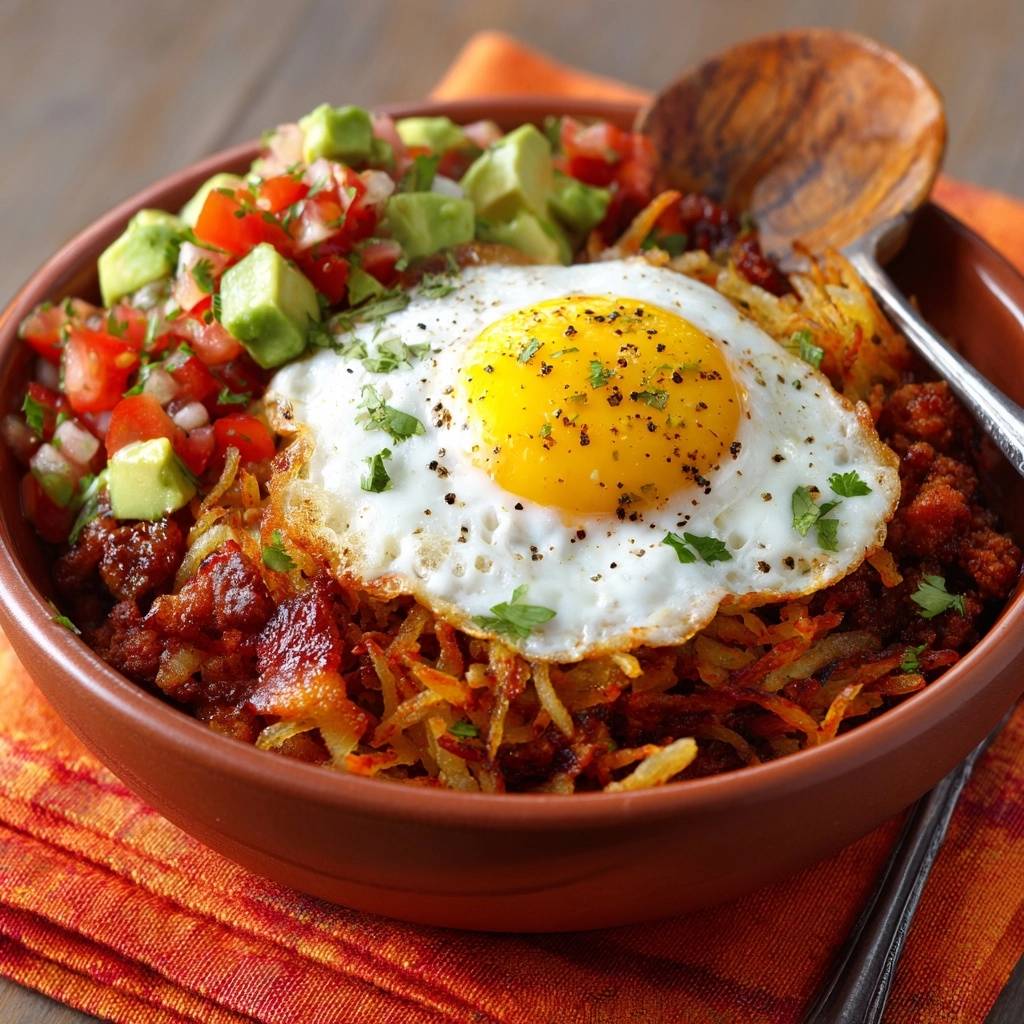
Assembly is where the dish truly comes together. Start with a generous base of the crispy potato and chorizo mixture. Make sure you get some of those extra-crunchy bits from the bottom of the pan. The hash should be piping hot and fragrant.
Slide the sunny-side up egg right on top of the hash. Surround the egg with your diced avocado and a few spoonfuls of fresh pico de gallo. The temperature contrast between the hot hash and the cold toppings is incredibly satisfying. Finish with a shower of fresh cilantro and a final crack of black pepper.
When you eat, don’t be afraid to mix it all together. The avocado provides a creamy element that mimics cheese, while the pico de gallo cuts through the richness of the chorizo fat. Every bite should have a bit of crunch, a bit of spice, and a bit of freshness.
Expert Tips for Professional Results
For an even flatter and crispier hash, place a second heavy skillet or a bacon press on top of the potatoes during the first 5 minutes of searing. This extra pressure forces the shreds into the hot oil, creating a crust that is incredibly dense and crunchy.
Wait to season with salt until the very end. Salt draws moisture out of vegetables through osmosis. If you salt the potatoes while they are raw or just starting to cook, they will release water into the pan and ruin your chances of a good sear. Seasoning at the end keeps the interior fluffy and the exterior dry.
If you are doubling the recipe for a crowd, do not try to fit it all in one pan. It is much better to use two skillets or cook in batches. If the layer of potatoes is more than an inch thick, the bottom will burn before the middle even gets warm. Keep the layers thin for maximum crunch.
The “Cold Water Shock” isn’t just for removing starch; it also helps the potatoes hold their shape. Using ice-cold water keeps the pectin in the potato firm, which prevents the shreds from turning into mush during the high-heat frying process. It’s a small step that yields a big textural payoff.
Frequently Asked Questions
Can I use frozen hash browns for this recipe?
While you can use them in a pinch, frozen hash browns are often par-cooked or contain preservatives that affect how they brown. They also tend to hold a lot of internal ice crystals. If you use them, you must thaw them completely and still use the “dry-squeeze” method with a kitchen towel to remove the excess moisture, or they will definitely turn out soggy.
How do I make this for a large crowd without losing the crunch?
The best way to scale this up is to use your oven. You can brown the chorizo in a pan, then toss the dried potatoes with the chorizo fat and spread them on a large, preheated sheet pan. Roast at 425°F, tossing occasionally, until crispy. This allows you to make a much larger volume than a single skillet would permit while maintaining that essential dry-heat environment.
Can I use sweet potatoes instead of Russets?
Sweet potatoes have a much higher sugar content and lower starch content than Russets. They will brown much faster (and burn more easily) due to the sugar. If you use sweet potatoes, lower your heat to medium and watch them closely. They won’t get quite as “shatter-crisp” as Russets, but they still taste fantastic with the spicy chorizo.
What is the best way to reheat leftovers without them getting soggy?
Never use a microwave for leftover hash! The microwave will turn the potatoes into a soft, rubbery mess. Instead, reheat the hash in a dry skillet over medium heat for about 5 minutes, tossing frequently until the edges crisp back up. You can also pop them into an air fryer at 350°F for 3 to 4 minutes to restore that original crunch.
Why did my chorizo turn into a greasy pool instead of browning?
Some lower-quality chorizos have a very high fat-to-meat ratio. If your pan is swimming in oil, simply tilt the skillet and use a spoon or a wad of paper towels to remove the excess. You only need about 2 tablespoons of fat in the pan to fry the potatoes. Removing the excess will prevent the dish from feeling heavy and allow the meat to actually crisp up.
Can I substitute the chorizo if I can’t find it?
If you can’t find Mexican chorizo, ground breakfast sausage mixed with a tablespoon of smoked paprika and a teaspoon of cumin is a great alternative. You can also use ground turkey or beef; just be sure to add a little extra oil to the pan since those meats are leaner and won’t render as much flavorful fat as pork chorizo does.
Crispy Chorizo Breakfast Hash
Course: BreakfastCuisine: Mexican-AmericanDifficulty: easy2
servings15
minutes20
minutes35
Minutes650
kcalMexican-American
Ingredients
2 large Russet potatoes, peeled and shredded
1/2 pound Mexican pork chorizo (ground)
2 large eggs
1 ripe avocado, diced
1 cup fresh pico de gallo (diced tomatoes, onions, and jalapeños)
2 tablespoons vegetable oil
1 tablespoon fresh cilantro, chopped
Salt and cracked black pepper to taste
Directions
- The most critical step for crispy potatoes is removing the starch and water. Place your shredded potatoes in a bowl of cold water, swish them around until the water is cloudy, and then drain. Transfer the shreds to a clean kitchen towel and squeeze with all your might until the potatoes are bone-dry. If they are wet, they will steam instead of fry.
- Heat a large heavy skillet (cast iron is best) over medium-high heat. Add the chorizo and cook, breaking it up into small crumbles with a spoon, until fully browned and the fat has rendered. Use a slotted spoon to remove the meat, leaving the flavorful red oil in the pan.
- Add the vegetable oil to the chorizo fat in the skillet. Once shimmering and very hot, spread the dried potatoes in an even, thin layer. Do not stir or move them for at least 5-6 minutes. This patience is what builds the deep golden crust seen in the image.
- Flip the potatoes in sections. Continue cooking for another 5 minutes, tossing occasionally now that the initial crust has formed, until the shreds are crispy and mahogany-brown. Season with salt and pepper.
- Toss the cooked chorizo back into the pan with the potatoes and stir for 1 minute to combine and reheat.
- In a separate small non-stick skillet, fry your eggs sunny-side up over medium heat until the whites are set and the edges are slightly crisp, but the yolks remain liquid.
- Divide the crispy hash into bowls. Top each with a fried egg, diced avocado, and fresh pico de gallo. Garnish generously with cilantro and extra cracked black pepper. The dry-squeeze method ensures your hash stays crunchy even under the salsa and egg yolk.
Notes
- The most critical step is squeezing the shredded potatoes in a kitchen towel until bone-dry to prevent steaming. Using a cast iron skillet is recommended for the best crust.