The arrival of crisp air always brings a craving for the deep, earthy warmth of a Glazed Spiced Pumpkin Bundt Cake. However, many home bakers dread the moment they pull a beautiful ring from the oven only to watch the center cave in or the texture turn gummy. This recipe tackles those structural heartbreaks head-on by balancing heavy pumpkin puree with a precise crumb architecture.
You’ll notice the aroma of cinnamon, ginger, and nutmeg filling your kitchen long before the timer dings. A Bundt cake is essentially an edible sculpture, but its intricate ridges make it prone to sticking or collapsing if the moisture levels aren’t exactly right. We’re focusing on a specific crumb strength that supports the weight of the spices and the rich cream cheese glaze without losing that airy, tender bite.
The secret to a tall, proud cake lies in how you handle the leavening agents and the temperature of your kitchen. If your baking powder is even slightly expired, the heavy pumpkin will win the tug-of-war against the rise. By ensuring your ingredients are prepped correctly, you create a stable emulsion that holds its shape from the hot oven rack to the cooling wire.
The Science of Structural Integrity in Pumpkin Cakes
Pumpkin puree is a challenging ingredient because it’s incredibly dense and packed with water. When you add a full 15-ounce can to a batter, you’re introducing significant weight that can easily crush the delicate air bubbles created during mixing. This often results in a “gummy” layer at the bottom of the cake or a complete structural collapse as it cools.
To combat this, we use a dual-leavening system of both baking soda and baking powder. Baking soda reacts immediately with the acidic brown sugar and pumpkin, providing an initial boost. The baking powder then takes over during the baking process, providing a secondary lift that sustains the cake’s height while the flour’s proteins set into a firm skeleton.
Sinking usually happens when the cake rises too rapidly in the first twenty minutes. If the air pockets expand faster than the flour can cook and harden, the “balloons” of air eventually pop. This leaves you with a cratered center. Freshness is non-negotiable here; if your leaveners have been sitting in the pantry for over six months, replace them before starting this recipe.
Why Room Temperature Ingredients Prevent Sinking
It’s tempting to grab eggs and milk straight from the fridge, but cold ingredients are the enemy of a stable Bundt. When cold eggs hit a room-temperature oil and sugar mixture, they can cause the fats to seize or clump. This prevents a smooth emulsion, leading to an uneven distribution of air and moisture throughout the batter.
Room temperature ingredients bond together much more effectively, creating a silky batter that traps tiny, uniform air bubbles. These small bubbles are much stronger than a few large ones. When your batter is thermally balanced, the cake expands evenly, reducing the risk of those catastrophic structural failures that lead to sinking.
Essential Components for the Spiced Pumpkin Batter
Every ingredient in this Glazed Spiced Pumpkin Bundt Cake serves a specific functional purpose. We use vegetable oil instead of butter because oil remains liquid at room temperature. This ensures the cake stays incredibly moist for days, whereas butter-based cakes can sometimes feel dry or crumbly once they’ve cooled completely.
The flavor profile relies on a heavy hand with cinnamon, ginger, and nutmeg. These spices don’t just add scent; they provide a warmth that cuts through the richness of the pumpkin. Make sure you’re using “pure pumpkin” and not “pumpkin pie filling,” as the latter contains added sugars and starches that will throw off the chemistry of this specific bake.
Brown sugar is another MVP in this lineup. It contains molasses, which adds a deep caramel note and extra moisture. More importantly, the acidity in brown sugar triggers the baking soda, ensuring that the cake gets the vertical lift it needs to fill out those beautiful Bundt ridges.
Selecting the Right Flour and Leavening Agents
All-purpose flour is the best choice for this recipe because it has a moderate protein content. You need enough gluten to hold up the heavy pumpkin, but not so much that the cake becomes tough like bread. Cake flour is generally too weak for a heavy vegetable-based Bundt and might contribute to the very sinking we’re trying to avoid.
Precision in measuring your baking soda and powder is vital. Use a leveling tool to ensure you aren’t adding too much. Over-leavening causes the cake to puff up like a mushroom and then deflate because the structure can’t support the excessive volume. It’s all about finding that “Goldilocks” zone of lift.
Preparing Your Bundt Pan for a Clean Release
There is nothing more stressful than a cake that refuses to leave the pan. To ensure a clean release, use the classic “grease and flour” method. Use a pastry brush to get softened shortening or butter into every single nook and cranny of the pan. If you miss even one small spot, the cake will tear when you try to invert it.
After greasing, toss in a spoonful of flour and shake the pan until every surface is coated. Turn the pan upside down over the sink and give it a few firm taps. You want a thin, even veil of flour, not thick clumps. Excess flour can create a pasty, white crust on the outside of your beautiful orange cake, which isn’t the look we’re going for.
Step-by-Step: Mixing for Maximum Aeration
The way you combine your ingredients determines the final texture of the crumb. Start by beating your sugars and oil until they are well combined, then add the eggs one by one. You’re looking for the mixture to turn a slightly paler shade of yellow, which indicates you’ve successfully incorporated enough air to help the cake rise.
Once you move to the dry ingredients, put away the electric mixer. Use a large rubber spatula to gently fold the flour mixture into the wet pumpkin base. Over-mixing at this stage develops too much gluten, which makes the cake rubbery. Fold just until you no longer see white streaks of flour. The batter should look thick, matte, and luscious.
If you use a high-speed mixer for the flour, you’ll beat out all the air you worked so hard to get in. This leads to a dense, heavy cake that struggles to rise. Gentle folding keeps the batter light and ensures the finished product has that sought-after “melt-in-your-mouth” quality rather than a bread-like chew.
The “Two-Tap” Rule for Removing Air Pockets
After you pour the batter into the pan, you might notice a few large bubbles on the surface. These are “tunnels” in the making. If left alone, they create large holes in your cake that weaken the structure. This can cause the cake to break apart when you flip it over.
Lift the filled Bundt pan about an inch off the counter and drop it flat twice. You’ll see tiny bubbles rise to the surface and pop. This settles the batter into the intricate designs of the pan and ensures there are no hidden gaps. It’s a simple five-second step that makes a massive difference in the professional look of the final slice.
Precision Baking and the 10-Minute Cooling Window
Baking a Bundt requires patience. Because the pan is so deep, the center takes a long time to cook through. Always test the cake in the thickest part of the ring with a long wooden skewer or toothpick. It should come out clean or with just a few moist crumbs. If you see wet batter, give it another five minutes.
Once the cake is out of the oven, set a timer for exactly 10 minutes. This is the “golden window.” During this time, the cake’s internal structure firms up as it slightly pulls away from the edges of the pan. If you try to flip it immediately, it’s too fragile and will fall apart. If you wait too long, the sugar will cool and act like glue, sticking the cake to the pan.
After 10 minutes, place your wire rack over the top of the pan and flip it in one confident motion. You should hear a soft “thump” as the cake releases. Lift the pan straight up to reveal your masterpiece. Let it cool completely on the rack before you even think about reaching for the glaze.
Achieving the Perfect Opaque Cream Cheese Glaze
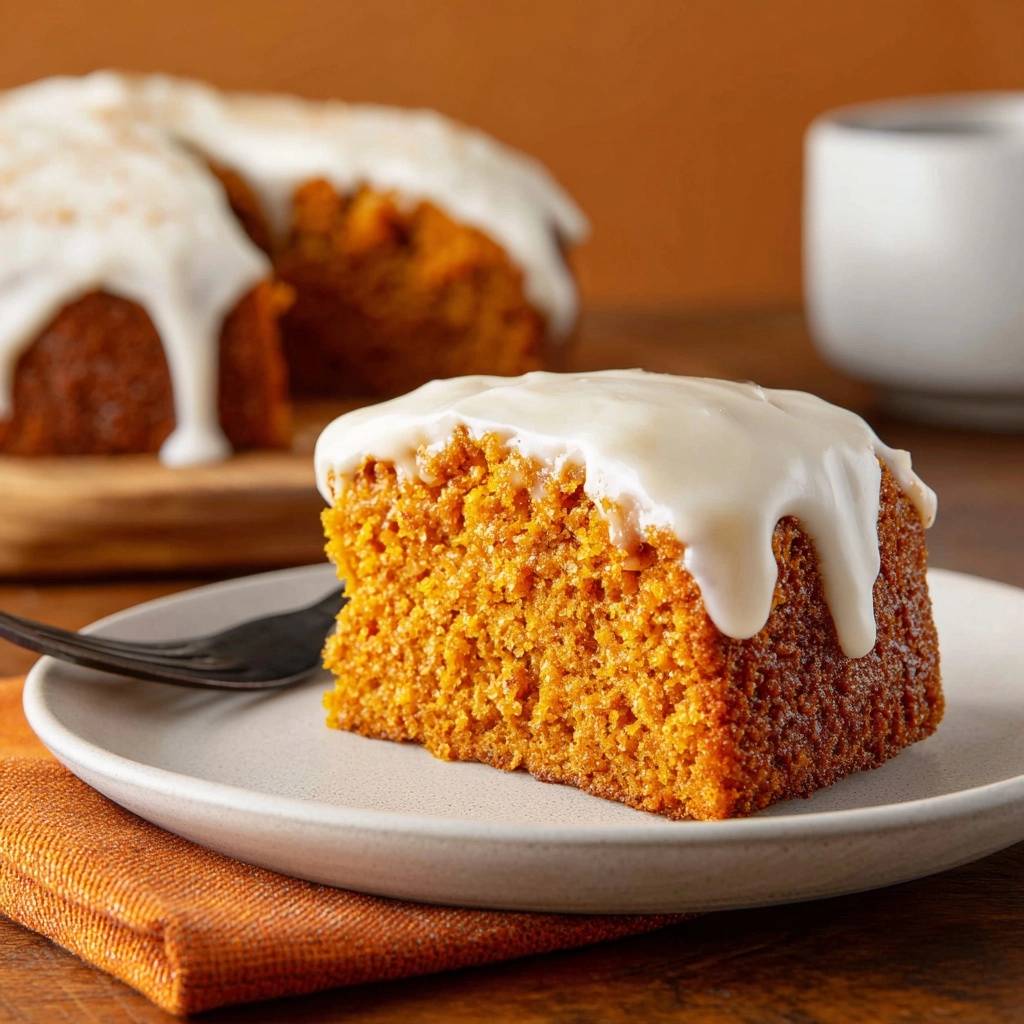
A great glaze should be thick, white, and opaque, not a watery translucent mess that disappears into the cake. The key is starting with very soft cream cheese. If it’s even slightly cold, you’ll end up with tiny white lumps that are impossible to whisk out. Beat the cheese until it’s as smooth as silk before adding the sugar.
Add your heavy cream one tablespoon at a time. You want a consistency that is thick enough to hold its shape but thin enough to slowly “ribbon” off a spoon. If it’s too runny, add more powdered sugar. If it’s too stiff, a few more drops of cream will fix it. This control allows you to create those beautiful, slow-moving drips down the sides of the cake.
Wait until the cake is stone-cold before glazing. If the cake is even slightly warm, the heat will melt the fats in the cream cheese, causing the glaze to turn into a thin liquid that runs right off onto the counter. For a professional look, drizzle the glaze over the highest points of the Bundt and let gravity do the work.
Troubleshooting Common Pumpkin Bundt Obstacles
If your cake stuck to the pan despite your best efforts, it’s usually due to sugar caramelization or missed spots during greasing. Next time, try using a mix of melted shortening and flour (a “cake goop”) for a more reliable barrier. If the texture is gummy, it’s almost always a sign of under-baking or using expired baking soda that failed to lift the heavy puree.
Muted spices are often the result of using old jars from the back of the cabinet. Spices lose their potency after six months to a year. Also, don’t skip the salt! Salt doesn’t make the cake salty; it acts as a flavor magnifier for the cinnamon and pumpkin. If your glaze ran off, the cake was likely still holding internal heat, so be more patient with the cooling process next time.
Storage and Make-Ahead Strategies
This cake actually tastes better on the second day as the spices have more time to meld. Because the glaze contains cream cheese, you must store the finished cake in the refrigerator. Use a cake dome or a large airtight container to keep the air out, which prevents the sponge from drying out in the fridge’s low humidity.
When you’re ready for a slice, let it sit at room temperature for about 20 minutes. This softens the fats in the cake and the glaze, restoring that perfect texture. If you want to make this ahead of time, you can bake the cake, wrap the unglazed loaf tightly in plastic wrap, and freeze it for up to three months. Just thaw and glaze before serving.
Expert Tips for High-Altitude Adjustments
If you’re baking at high altitudes, the lower air pressure can cause your cake to rise too quickly and then crash. To prevent this, try reducing the baking powder and baking soda by about 1/8 to 1/4 teaspoon. You might also need to increase the oven temperature by 15 degrees to help the structure set faster before the air bubbles over-expand.
How do I store leftovers and does it freeze well?
Store the glazed cake in an airtight container in the refrigerator for up to 4 days. The cream cheese in the glaze requires refrigeration for safety. For long-term storage, you can freeze the unglazed cake by wrapping it tightly in two layers of plastic wrap and one layer of foil for up to 3 months. Thaw at room temperature before adding fresh glaze.
Why did my pumpkin cake sink in the middle?
Sinking is usually caused by over-mixing the batter or using expired leavening agents. When you over-mix, you develop too much gluten, which traps large air bubbles that eventually collapse. Additionally, if the oven door is opened too early, the sudden temperature drop can cause a fragile, rising cake to fall. Stick to the folding method and keep the oven door shut until at least 40 minutes have passed.
Can I use pumpkin pie filling instead of pure pumpkin?
No, you should avoid pumpkin pie filling for this recipe. Pie filling contains added water, sugar, and spices that will alter the moisture balance and chemistry of the batter, likely leading to a gummy or overly sweet cake. Always look for cans labeled “100% Pure Pumpkin” to ensure the structural integrity of the Bundt remains intact.
What can I use if I don’t have heavy cream for the glaze?
If you don’t have heavy cream, you can substitute whole milk or even a splash of orange juice for a citrus twist. However, use less than the recipe calls for at first. Milk is thinner than heavy cream, so you will need a smaller amount to reach the desired thickness. Add it half a teaspoon at a time until the glaze is thick and opaque.
Why is the texture of my cake gummy or dense?
A gummy texture often happens if the cake is under-baked or if the ingredients were too cold when mixed. Ensure your eggs and milk are at room temperature so they emulsify properly with the oil. Also, always use a skewer to check the very center of the cake; if it comes out with wet batter, the starches haven’t fully set, resulting in a dense, wet crumb.
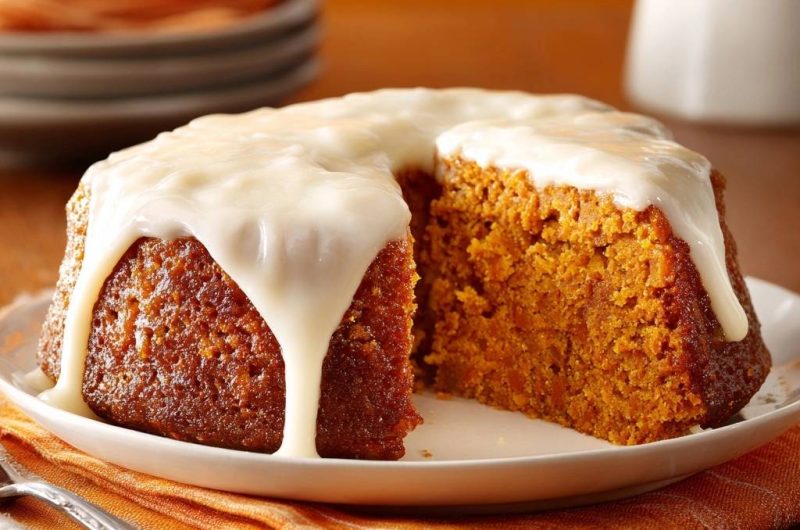
Glazed Spiced Pumpkin Bundt Cake
Course: DessertCuisine: AmericanDifficulty: easy12
servings15
minutes50
minutes65
MinutesAmerican
Ingredients
2 cups all-purpose flour
1 teaspoon baking soda
1 teaspoon baking powder
1/2 teaspoon salt
2 teaspoons ground cinnamon
1 teaspoon ground ginger
1/2 teaspoon ground nutmeg
1 cup granulated sugar
1/2 cup packed light brown sugar
1 cup vegetable oil
3 large eggs, room temperature
1 can (15 ounces) pure pumpkin puree
1/4 cup whole milk, room temperature
For the Cream Cheese Glaze:
4 ounces cream cheese, softened
1 cup powdered sugar
3 tablespoons heavy cream
1/2 teaspoon vanilla extract
Directions
- Preheat your oven to 350 degrees F. Generously grease and flour a 10-12 cup bundt pan, tapping out any excess flour to prevent sticking.
- In a medium bowl, whisk together the flour, baking soda, baking powder, salt, cinnamon, ginger, and nutmeg. To stop cakes sinking, ensure your baking powder and soda are fresh and that you whisk them thoroughly into the flour to avoid concentrated air pockets.
- In a large bowl, beat the granulated sugar, brown sugar, and vegetable oil until combined. Add the eggs one at a time, beating well after each addition until the mixture is slightly pale.
- Stir in the pumpkin puree and milk until smooth.
- Gradually add the dry ingredients to the wet ingredients. Use a spatula to fold the batter gently by hand rather than using a high-speed mixer. Over-mixing develops too much gluten and traps heavy air that causes the cake to rise too fast and then collapse. Fold just until no flour streaks remain.
- Pour the batter into the prepared pan and smooth the top. Tap the pan firmly on the counter twice to release large air bubbles.
- Bake for 45 to 55 minutes, or until a toothpick inserted into the thickest part of the cake comes out clean.
- Let the cake cool in the pan for exactly 10 minutes. This allows the structure to set without creating excess steam that makes the cake heavy and prone to sinking. Invert onto a wire rack to cool completely.
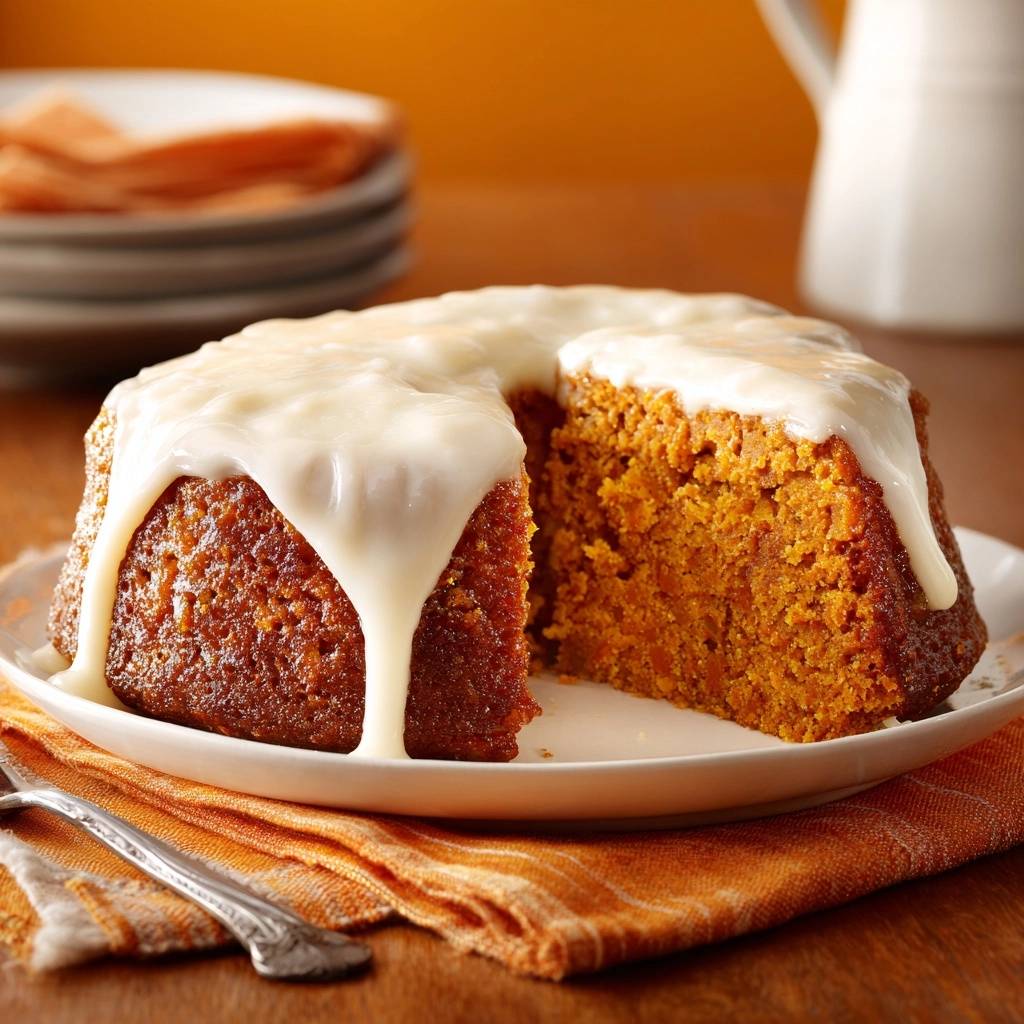
- To make the thick, opaque glaze shown in the image: Beat the softened cream cheese until smooth, then whisk in the powdered sugar, vanilla, and heavy cream one tablespoon at a time until you reach a thick, pourable consistency.
- Drizzle the glaze over the cooled cake, allowing it to pool slightly at the top and drip down the sides for a professional finish.
Notes
- To prevent the cake from sinking, ensure leavening agents are fresh, use room temperature ingredients, and fold the batter by hand to avoid over-mixing. Let the cake cool in the pan for exactly 10 minutes before inverting.