Most home cooks settle for shrimp that feels like chewing on a rubber band, but it doesn’t have to be that way. The secret to restaurant-grade Garlic Butter Shrimp Linguine lies in the violent hiss of a hot pan and the science of a perfect emulsion. When you hit that shrimp with high heat, you trigger the Maillard reaction, creating a savory, golden crust that locks in moisture while developing a deep, caramelized flavor profile.
This 15-minute meal isn’t just about tossing ingredients into a skillet; it’s a masterclass in temperature control. By searing the seafood quickly and finishing it in the residual heat of the pasta, you ensure a snappy, tender bite every single time. We’re building a “skyscraper” of flavor here, starting with a foundation of aromatic garlic and finishing with a glossy, velvet-like sauce that clings to every strand of linguine.
The real magic happens when you stop treating the butter and pasta water as separate entities. When you whisk cold butter into a reduction of starchy water and lemon juice, you create a cohesive sauce that won’t break or turn oily. This technical approach transforms a simple pantry staple into a luxurious dinner that rivals any high-end bistro in the city.
The Anatomy of Premium Seafood Pasta Ingredients
Quality fats are the backbone of this dish, so don’t reach for the salted butter. Using unsalted butter allows you to control the seasoning precisely, especially since we’re adding salty pasta water and optional Parmesan later. The olive oil serves a dual purpose: it raises the smoke point for the initial sear and adds a fruity depth to the final emulsion.
Aromatics are where we find our punch. Eight cloves of garlic might sound like a lot, but when sautéed gently in butter, the sharp bite mellows into a sweet, nutty richness. We balance this heavy fat and garlic with the bright acidity of fresh lemon juice and a splash of dry white wine. The wine acts as a solvent, pulling up the browned bits of shrimp flavor from the bottom of the pan.
Selecting and Preparing the Shrimp
For the best results, look for “large” shrimp, specifically the 16/20 count. These are big enough to develop a deep sear without overcooking through to the center in seconds. I always recommend keeping the tails on for this dish; they act as a handle for the shrimp and actually release a bit of extra savory flavor into the butter sauce as it simmers.
The Role of Starchy Pasta Water
Never pour your pasta water down the drain! That cloudy, salty liquid is liquid gold because it contains released starches from the linguine. These starch molecules act as an emulsifier, bridging the gap between the fats (butter and oil) and the liquids (wine and lemon juice). Without it, your sauce will likely separate into a greasy mess at the bottom of the bowl.
Essential Tools for High-Heat Seafood Searing
To get that dark, caramelized crust, you need a heavy-bottomed skillet. Stainless steel or cast iron are the champions here because they retain heat beautifully when the cold shrimp hit the surface. Non-stick pans are generally too slick and don’t allow for the development of “fond”—those delicious brown bits that form the base of our garlic sauce.
A sturdy wooden spoon is also vital for scraping the pan. As you pour in your liquid, you’ll want to vigorously rub the bottom of the skillet to incorporate all that concentrated shrimp flavor back into the sauce. This process, known as deglazing, is the difference between a flat sauce and one with incredible depth.
Step-by-Step: Achieving the Perfect Golden Sear
The biggest mistake people make is throwing wet shrimp into a pan. Moisture is the enemy of the sear; if there’s water on the surface, the shrimp will steam instead of brown. Take the time to pat every single shrimp extremely dry with paper towels until they feel tacky to the touch. Season them only right before they hit the heat so the salt doesn’t draw out more moisture.
Get your oil shimmering until it’s just on the verge of smoking. Place the shrimp in a single layer, giving them plenty of space. Now, the hardest part: don’t touch them. Let them sit undisturbed for a full 90 seconds. You’ll see the edges turn opaque and a golden-brown ring form at the base. Flip them once, sear for another minute, and pull them out immediately. They should still be slightly translucent in the very center.
Building the Emulsified Garlic Butter Sauce
Once the shrimp are out, drop the heat to medium. You don’t want to burn the garlic, or it will turn bitter and ruin the entire batch. Add your butter and garlic, watching for the moment the garlic turns a pale straw color and smells heavenly. This usually takes about 60 to 90 seconds. Pour in your wine or broth to stop the cooking process instantly.
After the liquid reduces by half, it’s time to emulsify. Add the remaining cold butter and a splash of that reserved pasta water. Whisk it vigorously. You’ll see the liquid transform from a thin juice into a creamy, glossy sauce that looks thick enough to coat a spoon. This is the “butter-emulsion finish” that defines professional pasta dishes.
Integrating the Linguine for Maximum Flavor Absorption
Always pull your linguine out of the boiling water about two minutes before the package says it’s done. The pasta should still have a firm “snap” in the middle. Transfer it directly into the skillet with the sauce. This allows the pasta to finish cooking inside the garlic butter, absorbing the flavors into the noodle itself rather than just sitting on top.
Toss the noodles constantly using tongs. As the pasta absorbs the sauce, the starches will thicken the liquid even further. If it starts to look dry or clumpy, add another splash of pasta water. You want the noodles to look slippery and wet, shimmering under the kitchen lights.
Avoiding Common Garlic Butter Shrimp Linguine Mistakes
The most common pitfall is overcooking the shrimp during the final stage. Remember, the shrimp are already mostly cooked from the sear. Only fold them back into the pasta at the very end after you’ve turned off the burner. The residual heat of the noodles is more than enough to finish them to a perfect, snappy texture.
If your sauce “breaks” and looks oily, it’s usually because the heat was too high when you added the final butter. To fix this, add a tablespoon of hot pasta water and whisk like crazy off the heat. The extra starch and the drop in temperature can often pull a broken sauce back together into a smooth cream.
Preventing Bitter Garlic
Garlic can go from perfect to burnt in about ten seconds. If you see the garlic turning dark brown or black, stop immediately. It’s better to wipe the pan and start the sauce over than to eat a bitter dish. Always have your wine or broth measured and ready to pour so you can “quench” the pan the moment the garlic is ready.
Managing Salt Levels with Parmesan
Parmesan cheese adds a wonderful nutty body to the sauce, but it’s also very salty. If you plan on using a lot of cheese, go light on the kosher salt during the initial seasoning. Always taste the pasta after adding the cheese before you decide to add any extra salt at the end.
Flavor Variations and Ingredient Swaps
If you prefer not to use wine, a high-quality chicken broth works beautifully. To mimic the acidity of the wine, add an extra squeeze of lemon or a teaspoon of white wine vinegar. For a different herb profile, try swapping the parsley for fresh tarragon or chives, which both pair exceptionally well with shellfish.
You can also bulk up this dish with vegetables without losing the integrity of the sauce. Blistered cherry tomatoes add a nice pop of sweetness, while a handful of baby spinach folded in at the end provides a fresh, earthy contrast. Just be sure to sauté any watery vegetables separately so they don’t dilute your carefully emulsified butter sauce.
What to Serve with Garlic Butter Shrimp Linguine
Since this dish is rich with butter and garlic, you want side dishes that offer high acidity and crunch. A simple arugula salad with a sharp lemon vinaigrette is the perfect palate cleanser. The peppery bite of the greens cuts right through the richness of the linguine, making every bite of pasta feel as fresh as the first.
Of course, you can’t go wrong with bread. A charred, crusty baguette or a piece of toasted sourdough is essential for mopping up the residual garlic emulsion left on your plate. I like to rub a raw clove of garlic over the toasted bread for an extra hit of flavor that ties the whole meal together.
Expert Tips for Professional Presentation
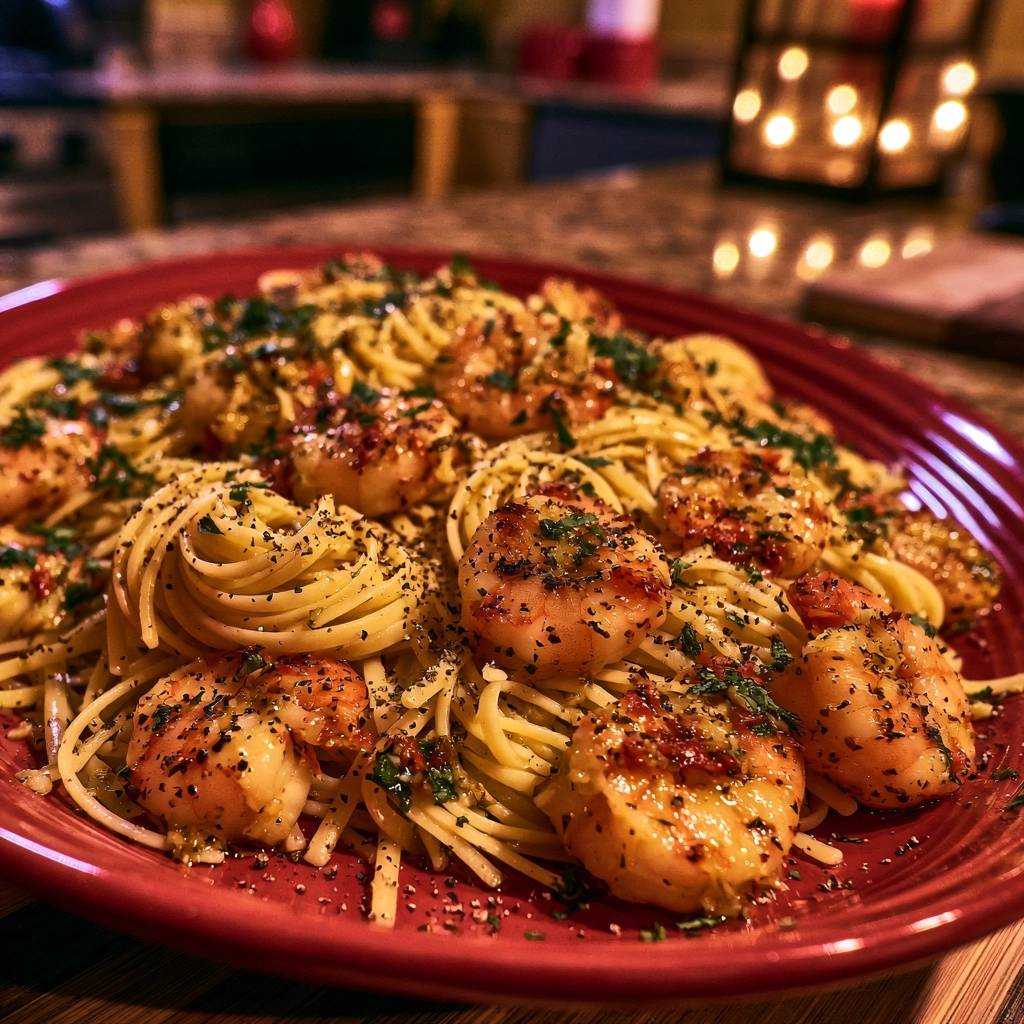
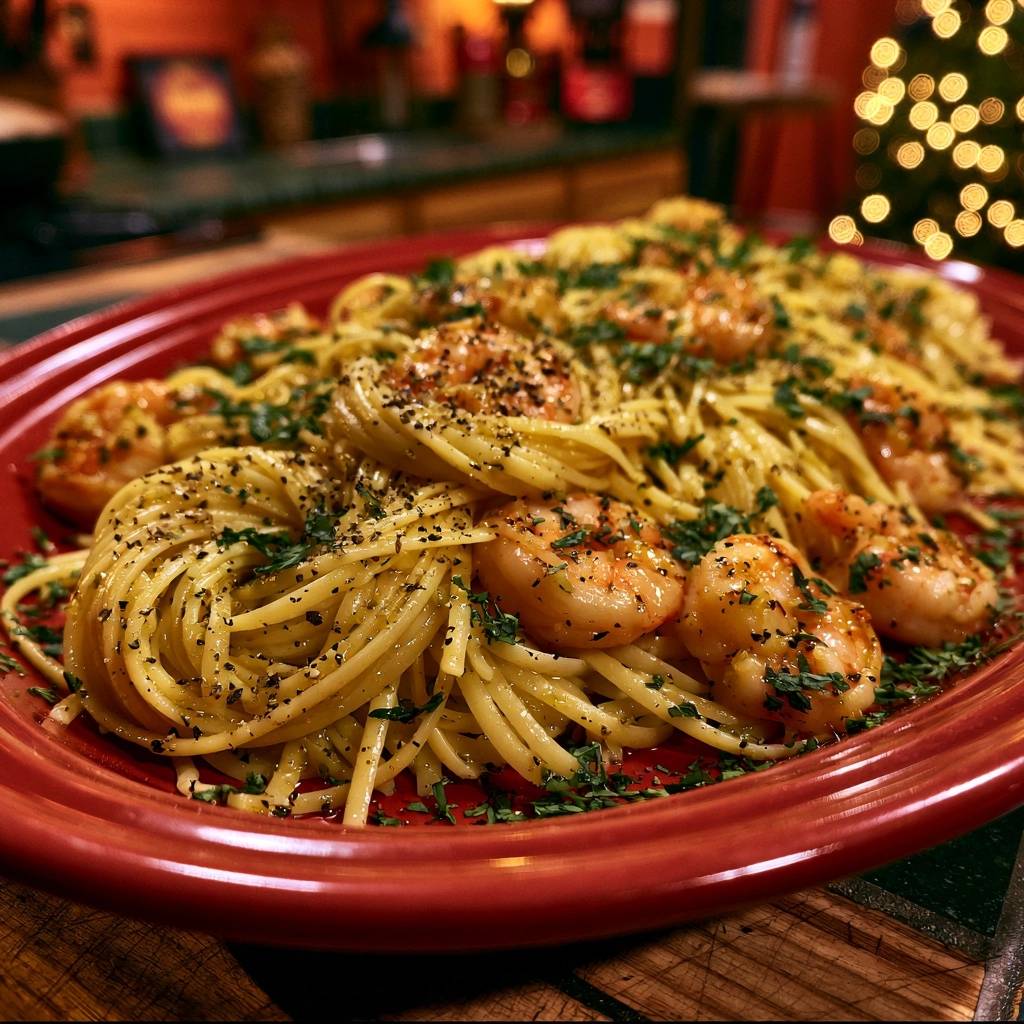
To get that “chef-y” look, don’t just dump the pasta into a bowl. Use a large carving fork and a soup ladle to twirl a portion of linguine into a tight nest. Slide it onto the plate to create height. This keeps the pasta warm and looks much more intentional than a flat pile of noodles.
The final touch is the “pan drizzle.” After plating the pasta and shrimp, use a spoon to scoop up the remaining bits of toasted garlic and red pepper flakes from the bottom of the skillet. Drizzle these aromatics directly over the top of the shrimp. A final sprinkle of fresh parsley and a crack of black pepper will make the dish pop.
Frequently Asked Questions
Can I use frozen shrimp for this recipe?
Yes, you can use frozen shrimp, but you must thaw them completely first. The best way is to leave them in the fridge overnight or run them under cold water for 15 minutes. Most importantly, you must dry them even more thoroughly than fresh shrimp, as they tend to hold more surface moisture which prevents a good sear.
How do I reheat leftovers without making the shrimp tough?
Reheating shrimp is tricky because they cook so fast. Avoid the microwave if possible. Instead, place the leftovers in a skillet over low heat with a tablespoon of water or broth. Cover the pan with a lid for 2-3 minutes. This creates steam that warms the pasta and shrimp gently without drying them out or making them rubbery.
Can I substitute linguine with other pasta shapes?
Linguine is ideal because its flat surface area holds onto the butter sauce perfectly. However, spaghetti or fettuccine are great substitutes. If you prefer short pasta, choose something with ridges like penne or fusilli so the garlic bits and sauce have places to hide. Avoid very thin pasta like angel hair, as it can become mushy in the heavy butter sauce.
Is there a dairy-free alternative that still emulsifies?
You can create a similar emulsion using a high-quality extra virgin olive oil. While it won’t have the creamy mouthfeel of butter, the starchy pasta water will still help the oil and lemon juice bind together. Use a bit more pasta water and whisk vigorously to create a “silky” oil-based sauce.
Why is my sauce watery instead of creamy?
A watery sauce usually means the liquid wasn’t reduced enough before the butter was added, or you didn’t use enough pasta water. Make sure the wine and lemon juice simmer until the volume has visibly dropped by half. This concentrates the flavors and the natural sugars, providing a better base for the butter to cling to.
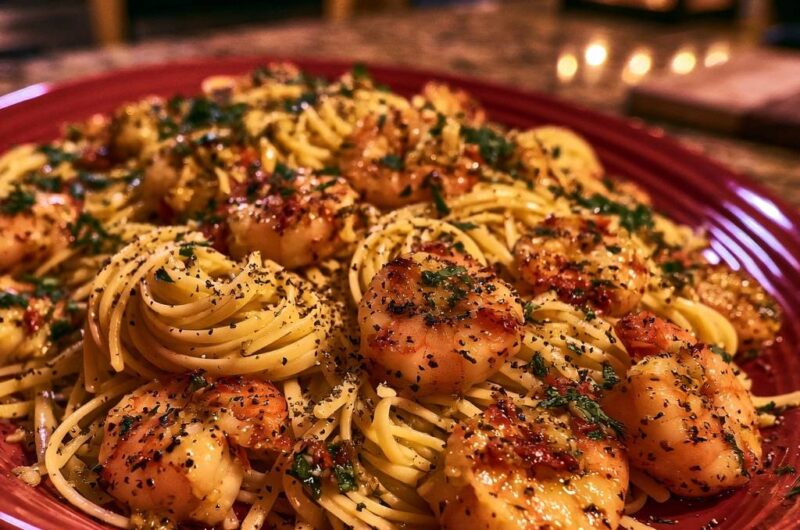
Garlic Butter Shrimp Linguine
Course: Main CourseCuisine: Italian-AmericanDifficulty: easy4
servings10
minutes15
minutes25
Minutes510
kcalItalian-American
Ingredients
1 pound large shrimp, peeled and deveined (tail-on for presentation)
12 ounces linguine pasta
6 tablespoons unsalted butter, divided
3 tablespoons olive oil, divided
8 cloves garlic, minced (for that visible garlic coating)
1 tablespoon red pepper flakes (adjust for heat)
1/2 cup dry white wine or chicken broth
1/2 cup fresh parsley, finely chopped
2 teaspoons coarse cracked black pepper
1 teaspoon kosher salt
1 lemon, juiced
1/2 cup freshly grated Parmesan cheese (optional, for sauce body)
Directions
- Bring a large pot of heavily salted water to a boil. Cook the linguine according to package directions until just al dente. Reserve 1 cup of starchy pasta water before draining.
- While the pasta cooks, pat the shrimp extremely dry with paper towels. This is the only way to achieve the dark, caramelized sear shown in the image. Season shrimp generously with salt and 1 teaspoon of the cracked black pepper.
- Heat 2 tablespoons of olive oil in a large heavy-bottomed skillet over high heat until the oil is shimmering and just starting to smoke. Add the shrimp in a single layer. Sear undisturbed for 90 seconds to develop a golden-brown crust. Flip and sear for another 60 seconds.
- Immediately remove the shrimp from the pan and set them aside on a plate. The centers should be slightly underdone; they will finish in the pasta heat.
- Reduce heat to medium. Add the remaining 1 tablespoon of olive oil and 2 tablespoons of butter. Add the minced garlic and red pepper flakes. Sauté for 1-2 minutes until the garlic is golden and fragrant, but not burnt.
- Pour in the white wine (or broth) and lemon juice. Use a wooden spoon to scrape up all the browned bits (fond) from the bottom of the pan. Let the liquid simmer and reduce by half.
- Add the remaining 4 tablespoons of butter and 1/2 cup of the reserved pasta water to the skillet. Whisk or toss vigorously to create a glossy, thick emulsion.
- Add the cooked linguine to the skillet. Toss for 1-2 minutes over medium heat until the sauce thickens and coats every strand. If the pasta looks dry, add more pasta water.
- Turn off the heat. Fold in the seared shrimp, fresh parsley, the remaining teaspoon of cracked black pepper, and Parmesan (if using). The residual heat will perfectly finish the shrimp without making them rubbery. Serve immediately, ensuring the garlic and pepper bits from the pan are drizzled over the top.
Notes
- Pat the shrimp extremely dry before searing to achieve a caramelized crust. Reserve pasta water to help create a glossy sauce emulsion. Do not overcook the shrimp in the initial sear as they will finish in the residual heat of the pasta.