Most home cooks struggle with homemade mushroom soup because they end up with a bowl of rubbery, slippery gray pieces floating in thin liquid. If you’ve ever wondered why restaurant versions have that “meaty” bite while yours feels slimy, it’s likely because you’re boiling the mushrooms directly in the broth. This common mistake prevents the mushrooms from ever developing a complex flavor or a satisfying texture.
The secret to a truly professional Savory Wild Mushroom Soup lies in the sear. By treating mushrooms like a piece of steak rather than a vegetable, you unlock a deep, earthy richness that transforms the entire dish. This recipe focuses on a technique-driven approach that prioritizes the Maillard reaction, ensuring every spoonful is packed with concentrated umami and a silky, luxurious mouthfeel.
I’ve found that the real trick is patience during the initial browning phase. You have to let the mushrooms sit undisturbed in a hot pan until they develop a dark, golden crust. This step doesn’t just improve the taste; it changes the cellular structure of the fungi so they stay firm and succulent even after the broth is added. Once you master this dry sear, you’ll never go back to the old way of boiling them.
The Anatomy of a Perfect Savory Wild Mushroom Soup
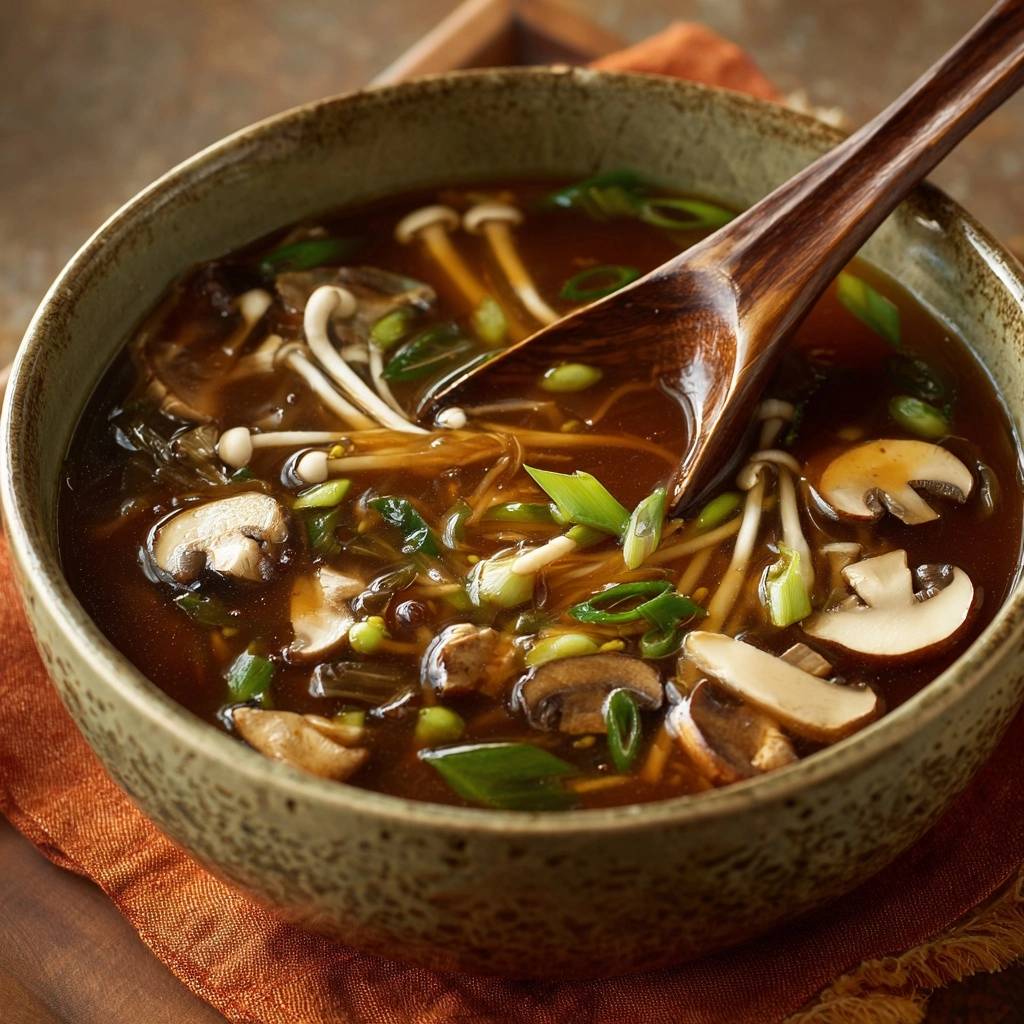
A great mushroom soup is a study in contrasts. You want the deep, woodsy intensity of Shiitakes paired with the delicate, almost floral elegance of Enoki. Shiitakes provide the “heft” of the dish, acting as the savory anchor with their thick caps and smoky undertones. They absorb the aromatics of the garlic and ginger, becoming little flavor bombs that burst when you bite into them.
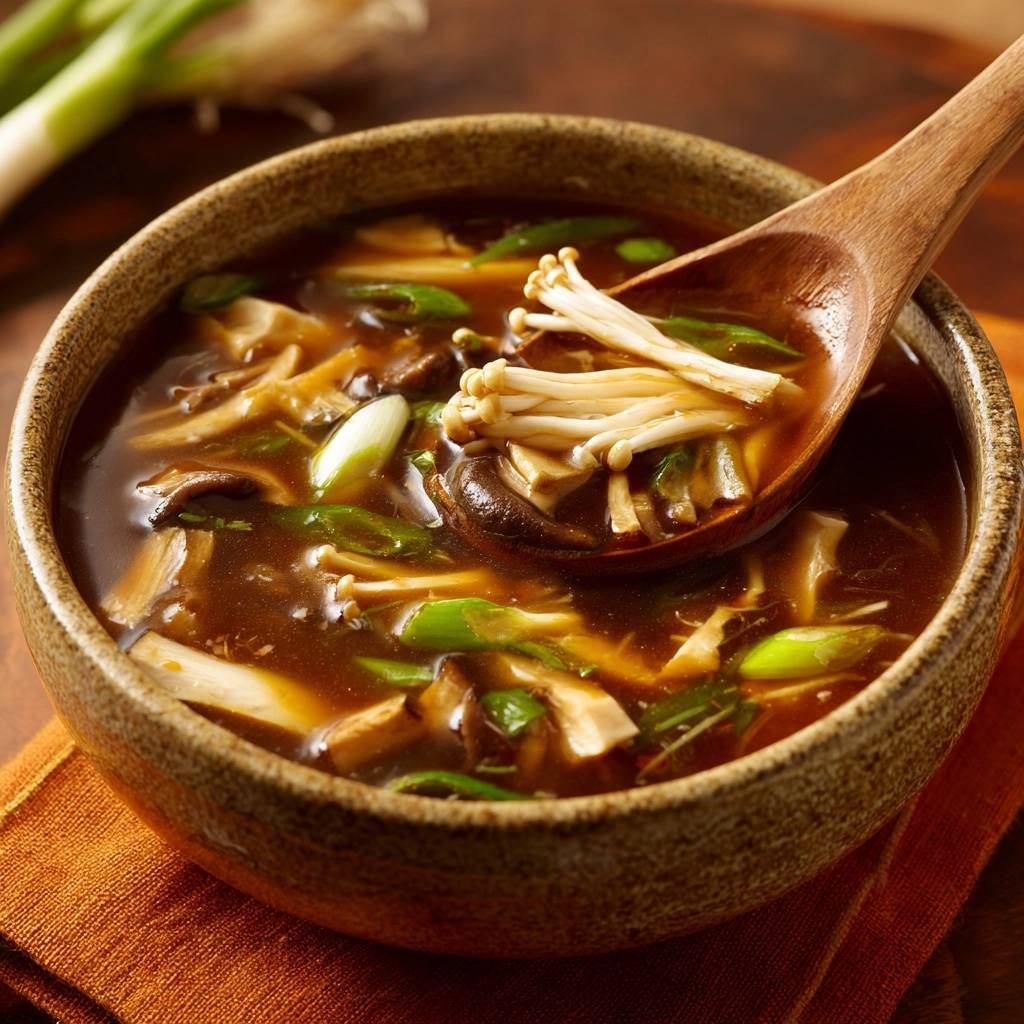
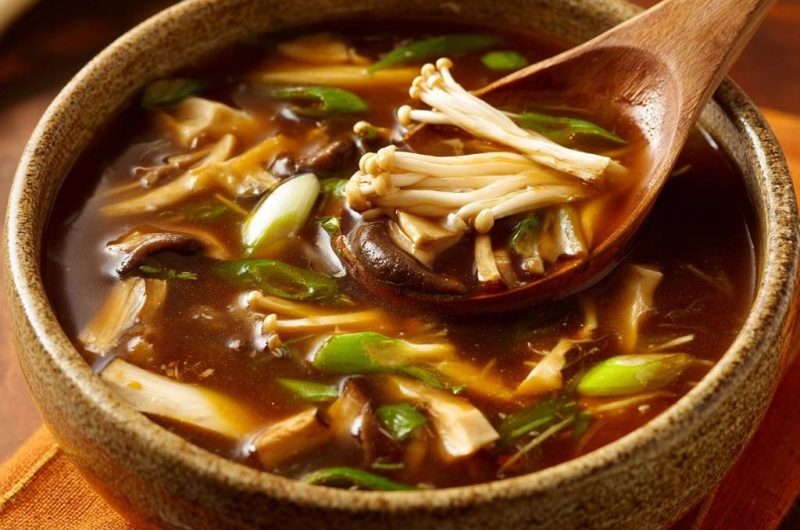
Enoki mushrooms, on the other hand, offer a structural beauty that most soups lack. These long, slender white bundles add a “tender-crisp” snap that mimics the experience of eating fine noodles. When you combine these two varieties, you create a professional-grade mouthfeel that plays with different levels of chew and crunch. The result is a sophisticated bowl that feels light yet incredibly satisfying.
Essential Components for a Rich Umami Base
The foundation of this soup is a high-quality broth. While a mushroom-based broth keeps the flavors pure, using a rich beef broth adds a layer of savory complexity that mimics the “steakhouse” experience. Whichever you choose, ensure it’s low-sodium so you can control the seasoning yourself. Fresh ginger and garlic are non-negotiable here; the sharp, zingy bite of fresh ginger cuts through the earthy mushrooms in a way that powdered versions simply can’t match.
You also need a high-smoke point oil, like vegetable or grapeseed oil, for that crucial initial sear. Since we’re working with high heat to brown the Shiitakes, butter would burn and become bitter before the mushrooms are ready. By using a neutral oil, you allow the natural sugars in the mushrooms to caramelize perfectly without any scorched aftertaste.
Selecting and Preparing Shiitake and Enoki Varieties
When shopping, look for Shiitakes with firm, plump caps and tight gills. If the caps feel slimy or have dark, soft spots, they’re past their prime and will turn mushy in the pot. For the Enoki, look for bright white stems and dry caps. Avoid any bundles that look yellowed or have moisture trapped inside the plastic packaging, as these will have a sour flavor.
Whatever you do, don’t wash your mushrooms under a running tap! Mushrooms act like sponges and will soak up water, making it impossible to get a good sear. Instead, wipe the Shiitake caps with a damp paper towel to remove any forest debris. For the Enoki, simply trim off the root base and gently pull them into small, manageable bundles that are easy to eat with a spoon or chopsticks.
The Role of Soy Sauce and Sesame Oil
Soy sauce is the “secret weapon” for both color and depth. It provides the necessary salt, but it also lends a dark, mahogany hue to the broth that makes it look as rich as it tastes. It bridges the gap between the earthy mushrooms and the spicy ginger, creating a cohesive flavor profile that tastes like it’s been simmering for hours rather than twenty minutes.
Toasted sesame oil is a finishing oil, not a cooking oil. If you heat it too high for too long, its delicate, nutty aroma evaporates. By stirring it in right before serving, you preserve those volatile aromatic compounds. It adds a glossy sheen to the surface of the soup and a toasted scent that hits your nose the moment the bowl is placed in front of you.
Technique: The “Dry Sear” for Meaty Texture
The “dry sear” is the most important part of this entire process. When mushrooms hit a hot pan, they immediately want to release their moisture. If you crowd the pan or stir them constantly, they’ll end up steaming in their own juices, which leads to that rubbery texture everyone hates. You need to give them space to breathe so that moisture can evaporate instantly.
Place your sliced Shiitakes in the shimmering oil and spread them out into a single layer. Now, the hardest part: don’t touch them. Let them sit for at least three to four minutes. You’ll hear a vigorous sizzling, and eventually, you’ll see the edges start to curl and turn dark brown. This is the Maillard reaction in action, creating new flavor compounds that didn’t exist before. When you finally flip them, they should look like little pieces of seared meat.
Step-by-Step: Building the Savory Wild Mushroom Soup
Phase one begins with that high-heat sear of the Shiitakes. Once they are deeply browned, you’ll notice a brown film forming on the bottom of the pot. Don’t scrub this away! This is the “fond,” and it’s concentrated flavor. In phase two, you’ll drop the heat slightly and add your minced garlic and ginger. Stir them just until they smell amazing, which usually takes about sixty seconds.
Phase three is the deglazing and broth integration. Pour in your broth and use a wooden spoon to scrape up all those browned bits from the bottom. As the liquid boils, those bits dissolve, turning the broth into a dark, savory elixir. Finally, in phase four, you’ll add the finishing touches: the slurry for body, the delicate Enoki for texture, and the sesame oil for that signature glow.
Achieving a Silky Consistency with a Cornstarch Slurry
A cornstarch slurry is the difference between a thin, watery soup and a luxurious, restaurant-style broth. Always mix your cornstarch with cold water first. If you add dry starch directly to the hot soup, it will clump instantly into little white balls that are impossible to get rid of. The cold water allows the starch granules to separate so they can thicken the liquid evenly.
Whisk the slurry into the boiling broth and watch the transformation. Within a minute, the liquid will shift from cloudy to clear and glossy. It shouldn’t be thick like gravy; it should just have enough body to cling to the back of a spoon and coat the mushrooms. This silkiness helps the flavors linger on your palate longer with every sip.
Timing the Delicate Enoki and Green Onions
Timing is everything when it comes to Enoki mushrooms. These are incredibly heat-sensitive. If you boil them for too long, they lose their structural integrity and turn into tangled, soggy “noodles.” You only want to simmer them for about 60 to 90 seconds. This is just enough time to take the raw edge off while keeping their bright white color and signature snap.
The same goes for the green onions. By adding them at the very end, you preserve their vibrant green color and mild, peppery bite. They provide a fresh contrast to the deep, cooked flavors of the broth and the seared Shiitakes. This final quick simmer ensures the soup looks as fresh as it tastes when it hits the table.
Troubleshooting Common Mushroom Soup Pitfalls
If your broth feels too thin, don’t just dump in more starch. Mix another teaspoon of cornstarch with a tablespoon of cold water and add it slowly while the soup is at a rolling boil. It takes a moment for the starch to “activate,” so wait thirty seconds before deciding if you need more. You’re looking for a glossy finish, not a heavy sludge.
Are your mushrooms still a bit rubbery? This usually means the pan wasn’t hot enough or you moved them around too much during the sear. Next time, wait for the oil to shimmer and almost smoke before adding the fungi. If you’ve already made the soup and the mushrooms are tough, there isn’t a quick fix, but the flavorful broth will still be delicious.
If the soup tastes bitter, you likely burnt the garlic. Garlic turns acrid very quickly in a hot pan. To prevent this, make sure you have your broth measured and ready to go. As soon as the garlic smells fragrant, pour in the liquid to immediately drop the temperature and stop the cooking process. If it’s already bitter, a tiny pinch of sugar can sometimes help balance the flavor, but it’s best to watch the heat closely.
Flavor Variations and Ingredient Swaps
This recipe is very adaptable to what you have in your pantry. If you need a gluten-free version, simply swap the soy sauce for Tamari or liquid aminos. Both provide that essential salty umami without the wheat. If you want to bulk up the soup into a full meal, adding cubes of firm tofu or a handful of baby bok choy during the final simmer works beautifully.
For those who want more protein, a poached egg dropped into the bowl right before serving adds a rich, creamy element as the yolk breaks into the broth. You can also experiment with other mushroom varieties like Oyster or Cremini. Just remember to apply the same “dry sear” technique to any mushroom you use to ensure the best possible texture.
Optimal Pairings for a Complete Meal
Because this soup is so savory and earthy, it pairs best with something that has a bit of acidity or crunch. A thick slice of toasted sourdough is perfect for soaking up the last bits of the glossy broth. The slight tang of the bread cuts through the richness of the sesame oil and soy sauce beautifully.
If you want something lighter, a simple side salad with a bright ginger-soy dressing provides a refreshing contrast. The crisp greens and acidic dressing cleanse the palate between spoonfuls of the warm, savory soup. For a more traditional approach, serve the soup alongside a small bowl of steamed jasmine rice to make it a heartier, more filling lunch.
Storage and Reheating for Maximum Freshness
This soup is definitely at its peak the moment it’s finished. The Enoki mushrooms are at their crispiest and the sesame oil is at its most fragrant. However, if you have leftovers, store them in an airtight container in the fridge for up to three days. I don’t recommend freezing this soup, as the cornstarch-thickened broth can become grainy and the mushrooms will lose their meaty texture upon thawing.
When reheating, avoid the microwave if possible. The uneven heating can turn the Enoki mushy. Instead, pour the soup into a small saucepan and heat it over low-medium heat on the stove. Stir it gently to re-emulsify the starch. If the broth has thickened too much in the fridge, just add a splash of water or extra broth to loosen it back up to that silky consistency.
Expert Tips for Professional Presentation
Presentation is what takes this from a simple home meal to a restaurant-quality experience. When you’re ready to serve, use a pair of tongs or chopsticks to lift the Enoki bundles out of the pot first. Place them carefully on top of the other mushrooms so they “perch” above the liquid. This creates a beautiful visual contrast between the white stems and the dark, mahogany broth.
Don’t forget the green onions! Cutting them on a sharp diagonal (a bias cut) creates long, elegant slivers that add architectural height to the bowl. A final tiny drizzle of sesame oil right on top will catch the light and give the soup a professional glow. Serve it in deep, dark bowls to make the colors of the mushrooms and onions really pop.
Frequently Asked Questions
Can I use dried mushrooms instead of fresh?
Yes, you can use dried Shiitakes if fresh aren’t available. Soak them in hot water for about 20 minutes until they are soft, then squeeze out the excess moisture before slicing and searing. Be sure to strain the soaking liquid through a coffee filter to remove any grit and use it as part of your broth base for an extra punch of flavor.
Why is my soup cloudy instead of glossy?
Cloudiness usually happens if the cornstarch slurry wasn’t mixed thoroughly or if the broth wasn’t at a full boil when you added it. The starch needs high heat to “gel” and become transparent. If you add it to lukewarm liquid, it stays opaque. Always ensure the pot is bubbling vigorously before whisking in your slurry.
Is there a substitute for sesame oil?
If you don’t have sesame oil, toasted walnut oil is a decent substitute as it provides a similar nutty depth. However, if you have a sesame allergy or simply don’t like the flavor, it’s better to omit it entirely rather than using a standard vegetable oil, which won’t add any aromatic benefit at the end.
How do I make this spicy?
The best way to add heat without muddying the flavors is to use white pepper or a drizzle of chili oil at the very end. White pepper provides a sharp, floral heat that complements the ginger perfectly. If you prefer a more intense spice, add a few slices of fresh Thai bird’s eye chili along with the garlic and ginger during the aromatic phase.
Can I make this ahead of time for a party?
You can prepare the broth base and sear the Shiitakes ahead of time, but wait to add the Enoki and green onions until right before you serve. Since those ingredients cook in under two minutes, it’s easy to do at the last second. This ensures the textures are perfect and the colors stay vibrant for your guests.
Savory Wild Mushroom Soup
Course: SoupCuisine: Asian InspiredDifficulty: easy4
servings10
minutes20
minutes30
Minutes165
kcalAsian Inspired
Ingredients
4 cups high-quality beef or mushroom broth
8 ounces Enoki mushrooms, roots trimmed and pulled into small bundles
8 ounces Shiitake mushrooms, stems removed and caps sliced thick
4 green onions, sliced diagonally into 1-inch pieces
2 tablespoons soy sauce
1 tablespoon ginger, minced
2 cloves garlic, minced
1 tablespoon vegetable oil
1 tablespoon cornstarch mixed with 2 tablespoons cold water (slurry)
1 teaspoon sesame oil
Salt and black pepper to taste
Directions
- Heat the vegetable oil in a large pot or wok over medium-high heat until shimmering.
- Add the sliced Shiitake mushrooms to the hot pan. Spread them out and let them sit undisturbed for 3-4 minutes until they are deeply browned and caramelized on one side. This “dry sear” removes excess moisture and ensures a firm, meaty texture.
- Add the garlic and ginger to the pot, stirring for 1 minute until fragrant but not burnt.
- Pour in the broth and soy sauce. Bring the mixture to a boil, using a wooden spoon to scrape the bottom of the pot to release the flavorful browned bits (fond) from the mushrooms.
- Once boiling, whisk the cornstarch slurry once more and pour it into the bubbling broth. Stir constantly for 1-2 minutes until the soup thickens slightly to a glossy, silky consistency.
- Reduce heat to low. Add the delicate Enoki mushroom bundles and the green onions. Simmer for only 60-90 seconds. This preserves the bright white color and “tender-crisp” snap of the Enoki seen in the image.
- Remove from heat. Stir in the sesame oil for a glossy finish and season with salt and pepper to taste. Serve immediately in deep bowls, ensuring the Enoki bundles are perched on top for the best presentation.
Notes
- The secret to avoiding slimy mushrooms is the initial dry sear. Ensure the Shiitakes are deeply browned before adding liquids. Add the Enoki mushrooms at the very end to maintain their delicate snap and bright color.