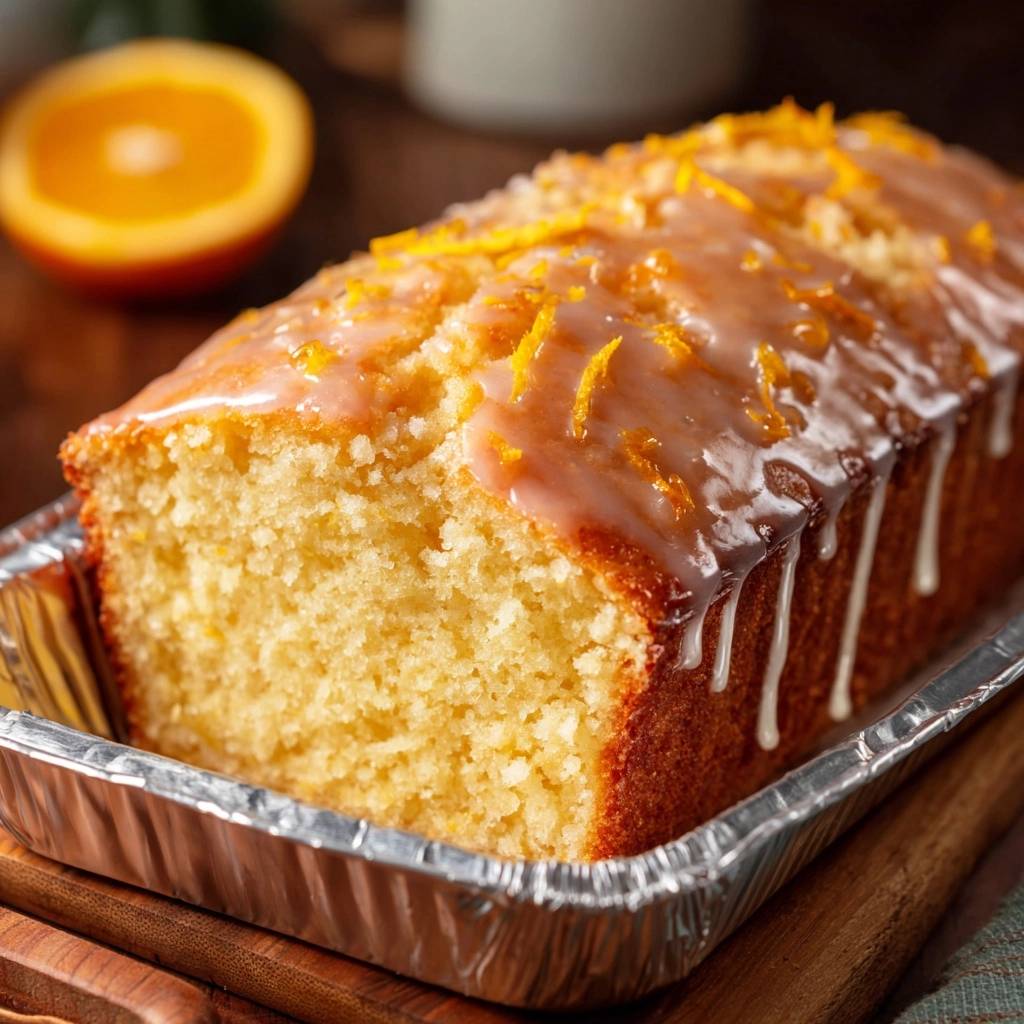
Why This Orange Glazed Loaf Cake Stays Moist
You’re tired of slicing into loaf cakes that crumble and dry out after a day, right? This orange glazed loaf cake changes everything. Dinner’s not on the table yet, but you’ll have a fresh, moist treat ready in under an hour, beating takeout every time.
Most cakes fail because they lose moisture fast. However, this recipe uses a hot-poke glaze soak that traps citrus juices deep inside. Therefore, every bite stays tender for days.
The secret lies in poking holes while the cake’s hot. That heat opens the crumb, so the glaze seeps in completely. You’ll get 10 slices from this, ready in 60 minutes total. Perfect for tea time or gifting to friends who rave about bakery-fresh flavor.
Key Ingredients for Moist Orange Glazed Loaf Cake
Fresh orange zest and juice deliver bright, zingy flavor that bottled stuff can’t match. They add acidity too, which reacts with baking powder for a perfect rise. In addition, the zest’s oils make every slice burst with citrus aroma.
Softened unsalted butter creams with sugar to trap air, creating that light, tender crumb. Therefore, don’t skip beating it 3-4 minutes. Milk thins the batter evenly, ensuring no dense spots.
All-purpose flour gives structure without toughness. Use it over cake flour here, or the cake might collapse. For the glaze, powdered sugar mixes smooth with more fresh orange juice and zest, forming a shiny soak that locks in moisture.
Flour, Baking Powder, and Salt Balance
Whisk 1 1/2 cups all-purpose flour with 1 teaspoon baking powder and 1/4 teaspoon salt. Baking powder provides lift through carbon dioxide bubbles. Meanwhile, salt sharpens the orange notes without overpowering them.
Butter, Sugar, Eggs for Tender Crumb
Start with 1/2 cup softened unsalted butter and 1 cup granulated sugar. Beat them to pale fluffiness, incorporating air for tenderness. Then add 2 large eggs one at a time as binders.
Citrus Zest, Juice, Milk, Vanilla Fusion
Zest from 2 oranges releases essential oils for intense flavor, while 1/4 cup fresh juice adds acidity. Mix in 1/2 cup milk and 1 teaspoon vanilla for smoothness. This combo tenderizes and balances the batter perfectly.
Science of Creaming Butter for Light Texture
Creaming butter and sugar on medium-high speed for 3-4 minutes emulsifies them. Tiny air pockets form, expanding in the oven for a light crumb. Eggs then bind it all, while orange juice’s acidity boosts baking powder’s rise.
However, overmixing later develops gluten and collapses those bubbles. Therefore, fold dry ingredients gently. This science ensures your orange glazed loaf cake stays moist and fluffy, not dense.
Fresh zest amplifies the citrus punch too. You’ll smell it baking, and taste it in every tender bite.
Essential Tools for Perfect Orange Glazed Loaf Cake
Grab a 9×5-inch loaf pan for even baking; smaller ones bake too fast. Line it with parchment to prevent sticking, no fancy silicone needed. An electric mixer creams butter perfectly for airiness.
In addition, use a toothpick or skewer for poking holes. A wire rack cools it evenly, stopping sogginess. No special gear required, so any home baker can nail this orange glazed loaf cake.
Step-by-Step: Building Orange Glazed Loaf Cake Batter
Preheat your oven to 350 degrees F first. Grease and flour the pan, or line with parchment overhang for easy removal. Accurate temp prevents uneven baking.
Whisk dry ingredients in one bowl. In a large bowl, beat butter and sugar until pale and fluffy, about 3-4 minutes. You’ll see it lighten and smell sweet buttery goodness.
Preheating and Pan Prep Details
Set oven to 350 degrees F and check with an oven thermometer if possible. Grease, flour, or use parchment. This ensures the cake releases cleanly without cracks.
Creaming Butter and Sugar Technique
Medium-high speed works best; start low to blend. Look for pale color and doubled volume after 3-4 minutes. Scrape sides often for even texture.
Folding Dry Ingredients Gently
Use a spatula to fold in flour mix until just a few streaks remain. Stop there to avoid toughness. Batter should look smooth and thick, ready to bake.
Baking and Hot-Poke Glaze Application Method
Pour batter into the pan and smooth the top. Bake 50-55 minutes, rotating halfway for even browning. Test with a toothpick; it should come out clean or with moist crumbs.
Meanwhile, whisk 1 cup powdered sugar with 3 tablespoons fresh orange juice and zest of 1 orange. Keep it warm. Right after baking, poke 30-40 deep holes in top and sides.
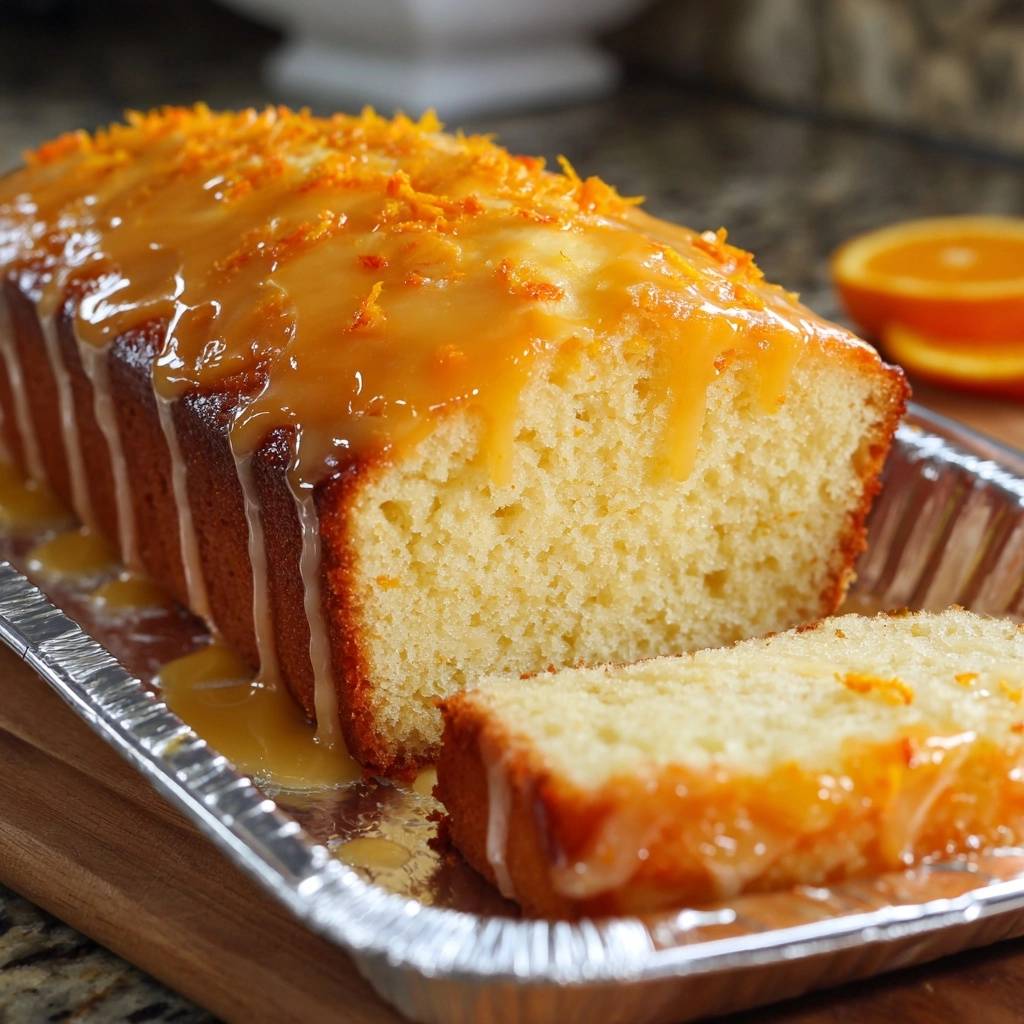
Pour glaze slowly so it seeps deep. The heat creates steam paths for full absorption. Cool in pan 20 minutes, then rack. Your orange glazed loaf cake stays moist for days.
Poking Holes for Glaze Penetration
Use a toothpick or skewer for thin, deep holes spaced 1/2 inch apart. Poke top and sides immediately. Pour glaze gradually; it should bubble and sink in fully.
Glaze Setting and Cooling Process
Cool in pan 20 minutes so glaze sets without running. Transfer to wire rack; glaze turns shiny. Slices reveal soaked crumb underneath.
Avoiding Dryness in Orange Glazed Loaf Cake
Overbaking dries it out; pull at 50 minutes if toothpick is clean. Check internal temp at 200 degrees F. Overmixing toughens the crumb too.
Skipping pokes leaves the top dry. Always do them hot. Store airtight at room temp for 5 days of moistness.
For cracked tops, lower oven 25 degrees. Runny glaze? Add more powdered sugar. These fixes keep your orange glazed loaf cake perfect.
Overmixing and Baking Time Fixes
Overmixing makes dense cake; fold minimally. If baking long, tent foil after 40 minutes. Aim for springy top and clean toothpick.
Glaze Absorption Troubleshooting
If glaze pools, repoke gently and warm it slightly. Cake too cool blocks paths. Next time, poke faster for better soak.
Flavor Twists on Orange Glazed Loaf Cake
Swap for lemon zest and juice for tang. Add 1/4 cup poppyseeds for crunch that pairs with citrus. Or stir in chopped almonds for nutty depth.
For extra tang, replace milk with yogurt. Chocolate chips melt nicely too. Vegan? Use plant butter, oat milk, and aquafaba for eggs. All keep the moist orange glazed loaf cake vibe.
Pairing Ideas for Orange Glazed Loaf Cake
Serve thick slices with afternoon tea; the citrus cuts richness perfectly. Layer in yogurt parfaits for breakfast. Or spread with almond butter.
Grill peaches alongside for summer vibes. Wrap extras for holiday gifts; everyone loves this orange glazed loaf cake.
Storage and Freezing Orange Glazed Loaf Cake
Keep at room temp in airtight container up to 5 days; it stays moist thanks to the glaze. Fridge works for a week, but warm slices before eating.
Freeze individual slices up to 3 months in freezer bags. Thaw overnight and microwave 10 seconds. Your orange glazed loaf cake revives perfectly.
Frequently Asked Questions About Orange Glazed Loaf Cake
Can I Use Orange Extract Instead?
Fresh zest and juice beat extract for vibrant, natural oils and acidity. Extract works in a pinch at 1 teaspoon, but lacks brightness. Stick to fresh for true orange glazed loaf cake flavor.
How to Check Doneness Accurately?
Toothpick test wins for moist crumb; insert center, expect clean or few moist bits. Thermometer at 200 degrees F confirms. Avoid overbaking your orange glazed loaf cake this way.
Gluten-Free Orange Glazed Loaf Cake Possible?
Yes, swap 1:1 gluten-free flour blend like King Arthur’s. Add 1/4 teaspoon xanthan gum if not included. Batter may need extra 2-3 minutes bake; stays moist.
Why Poke Holes Right Away?
Hot cake steams open crumb pores, letting glaze penetrate deep. Cooling seals them shut. This locks moisture for days in orange glazed loaf cake.
Scaling for Smaller Loaves?
Halve batter for 8×4 pans; bake 40-45 minutes. Watch closely. Glaze scales too, for mini orange glazed loaf cakes that bake evenly.
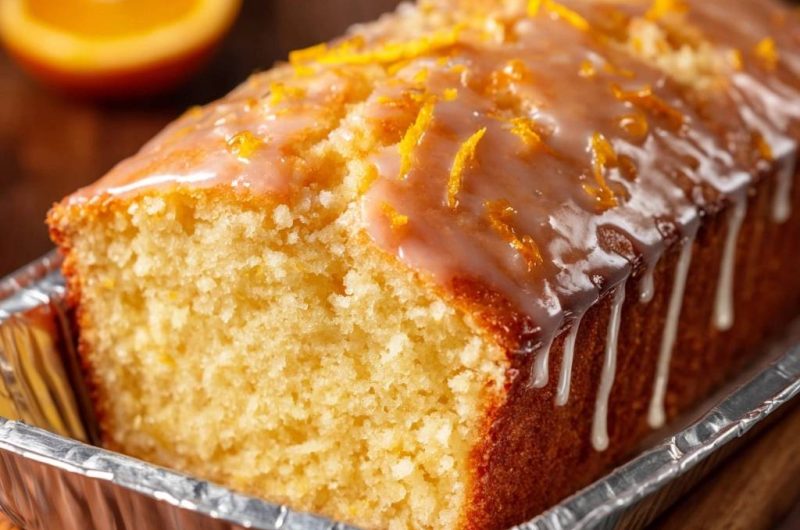
Orange Glazed Loaf Cake
Course: DessertCuisine: AmericanDifficulty: easy1
loaf (10-12 slices)20
minutes55
minutes60
Minutes280
kcalAmerican
Ingredients
1 1/2 cups all-purpose flour
1 teaspoon baking powder
1/4 teaspoon salt
1 cup granulated sugar
1/2 cup unsalted butter, softened
2 large eggs
Zest of 2 oranges
1/4 cup fresh orange juice
1/2 cup milk
1 teaspoon vanilla extract
For the glaze:
1 cup powdered sugar
3 tablespoons fresh orange juice
Zest of 1 orange
Directions
- Preheat oven to 350 degrees F. Grease and flour a 9×5-inch loaf pan or line with parchment.
- Whisk flour, baking powder, and salt in a bowl. Set aside.
- In a large bowl, beat butter and sugar with an electric mixer on medium-high for 3 to 4 minutes until pale and fluffy. This builds the airy base for tenderness.
- Beat in eggs one at a time, then mix in orange zest, orange juice, milk, and vanilla until smooth.
- Gently fold in dry ingredients just until combined. Avoid overmixing to keep it light.
- Pour batter into pan and bake 50 to 55 minutes, until a toothpick comes out clean.
- While cake bakes, make glaze: Whisk powdered sugar, orange juice, and zest until smooth.
- The no-dry secret: As soon as cake is out of oven, poke 30 to 40 deep holes all over top and sides with a toothpick or skewer. Slowly pour warm glaze evenly over cake, letting it seep into every hole. This moisture-locking step infuses the crumb completely, preventing any dryness.
- Cool in pan 20 minutes, then transfer to wire rack. Glaze will set shiny and soaked-in. Slice and enjoy moist slices for days!
Notes
- The no-dry secret: Poke 30-40 deep holes in the hot cake and pour glaze slowly to lock in moisture for days.