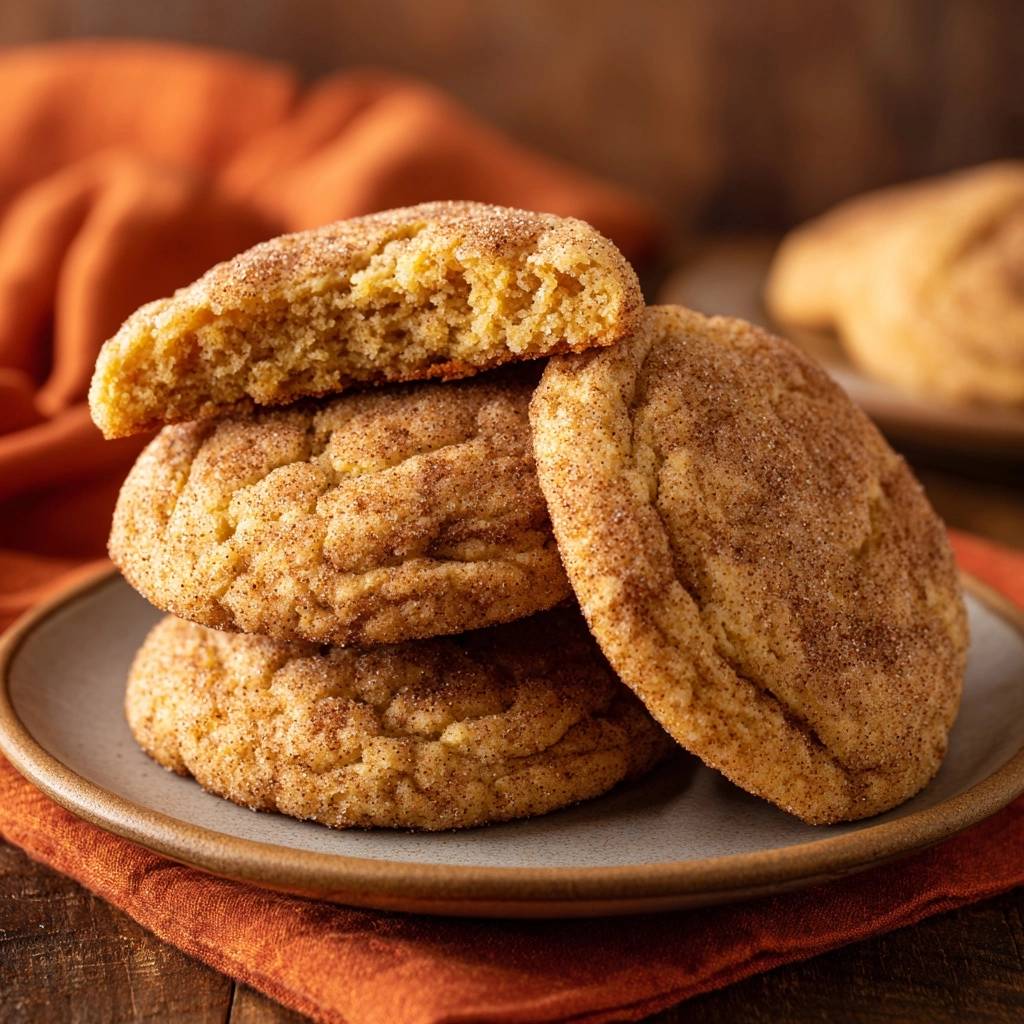
Ever pulled snickerdoodles from the oven only to find they’ve spread into sad, flat pancakes? You’re not alone. This recipe fixes that frustration with a simple chilling trick that delivers thick, bakery-style cookies every time.
So why do most snickerdoodles fail? It’s the soft butter melting too fast in the heat, causing spread. However, chilling the dough firms it up, so they bake tall with soft centers and those irresistible crackly cinnamon tops. You’ll get about 36 cookies, with 20 minutes prep plus chill time, 10 minutes baking, and 30 minutes total active.
Here’s the expertise booster: cream of tartar reacts with baking soda for perfect lift and that signature tang. In addition, it keeps the texture tender without flatness. No more guesswork, just chewy perfection.
Snickerdoodle Ingredients Breakdown
You’ll need 2 1/2 cups all-purpose flour for structure that holds shape. Then 2 teaspoons cream of tartar and 1 teaspoon baking soda create lift and tang. Don’t skip the 1/4 teaspoon salt; it balances sweetness.
Next, 1 cup softened unsalted butter creams with 1 1/2 cups granulated sugar for chewiness. Two large eggs add moisture and bind everything, while 1 teaspoon vanilla brings warmth. For the coating, mix 3 tablespoons sugar with 3 teaspoons cinnamon.
All-purpose flour works best because it develops just enough gluten for chew without toughness. If you’re gluten-free, swap a 1:1 blend, but add xanthan gum for structure. Vegan? Use plant butter and flax eggs, though chill longer.
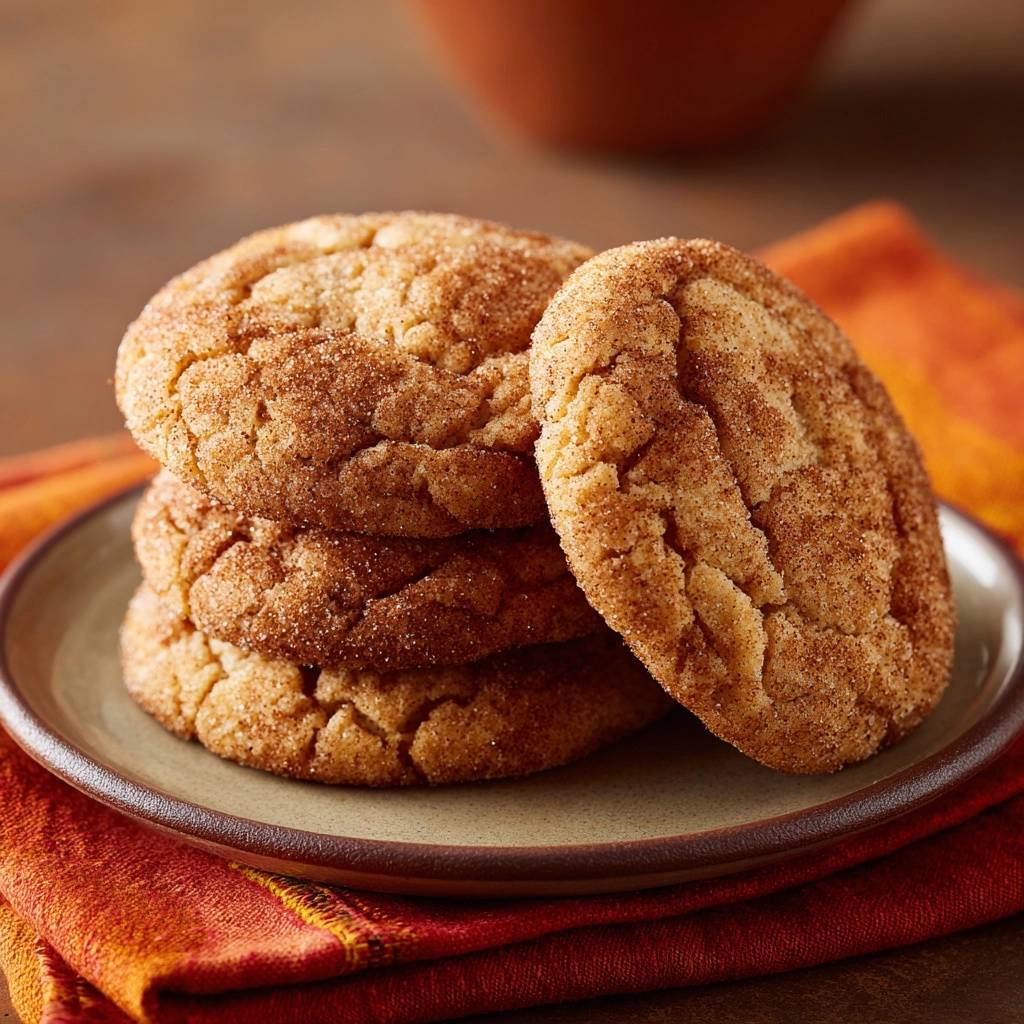
| Ingredient | Amount | Why It Matters |
|---|---|---|
| All-purpose flour | 2 1/2 cups | Builds chew without toughness |
| Cream of tartar | 2 tsp | Tang and lift |
| Unsalted butter, softened | 1 cup | Creams airy for texture |
| Granulated sugar | 1 1/2 cups + 3 tbsp | Crisp edges, soft centers |
| Eggs | 2 large | Moisture and structure |
| Vanilla extract | 1 tsp | Warm flavor base |
| Cinnamon | 3 tsp | Crackly, spicy coat |
Why Cream of Tartar Defines Snickerdoodles
Cream of tartar, a wine byproduct, acts as an acid. It reacts with baking soda to release CO2 bubbles for lift. Therefore, your cookies rise tall instead of flattening.
Unlike baking powder, which can leave a soapy taste, cream of tartar gives pure tang. This combo tenderizes the crumb too. It’s the secret to authentic snickerdoodles.
Butter and Sugar for Chewy Texture
Softened butter, not melted, traps air when creamed with sugar. That creates chewy pockets. Granulated sugar caramelizes edges crisp while keeping centers soft.
Therefore, beat until pale and fluffy. Unsalted lets you control flavor. This balance nails the texture everyone craves.
Science of Thick Snickerdoodles
Cookie chemistry starts with fat melting, sugar caramelizing, and leaveners bubbling. Chilling solidifies butter, so it melts slowly in the oven. Thus, cookies hold shape and puff up.
The Maillard reaction browns the crackly tops during high-heat baking. Cream of tartar stabilizes pH for even lift. Studies from baking science show chilling cuts spread by 50%.
Visualize dough going from soft and sticky to firm balls. That transformation means thick, chewy results. No more thin disks.
Chilling Trick Prevents Spreading
Fridge time firms the butter, slowing its melt. Unchilled dough spreads wide; chilled bakes thick. Aim for 1 hour minimum, overnight for best flavor.
However, if rushed, freeze 20 minutes. Always wrap tight to prevent drying. This step guarantees bakery height.
Cream of Tartar vs. Baking Powder
Cream of tartar plus soda creates an acid-base reaction for fresh lift. Baking powder pre-reacts, risking flatness. The tang comes from lowered pH too.
Therefore, stick to this duo for tender, tangy crumb. No aftertaste, just perfection.
Step-by-Step Snickerdoodle Instructions
Whisk dry ingredients first. Beat wet until fluffy. Chill dough. Roll in cinnamon sugar. Bake hot and quick. Cool to set.
- Whisk 2 1/2 cups flour, 2 tsp cream of tartar, 1 tsp baking soda, 1/4 tsp salt. Set aside.
- Beat 1 cup softened butter and 1 1/2 cups sugar 2 minutes until light. Add 2 eggs one at a time, then 1 tsp vanilla.
- Mix in dry on low until just combined.
- Chill covered 1 hour or overnight.
- Preheat to 400°F. Mix 3 tbsp sugar, 3 tsp cinnamon. Roll tbsp dough balls, coat, space 2 inches apart.
- Bake 8-10 minutes until edges set. Cool 5 minutes on sheet, then rack.
Phase 1: Dry Ingredients Whisk
Sift if flour lumps for even mix. Spoon and level flour; packing makes dense cookies. Whisk vigorously 30 seconds. Even distribution prevents leavener pockets.
Phase 2: Cream Butter and Sugar
Use medium speed 2 minutes for pale, fluffy cream. Add room-temp eggs to avoid curdling. Beat vanilla last. You’ll smell sweet buttery goodness.
Pro tip: Scrape bowl midway for uniform texture.
Phase 3: Combine Wet and Dry
Add dry gradually on low. Stop when just combined; overmixing toughens via gluten. Dough feels soft, slightly sticky.
Phase 4: Essential Dough Chill
Press plastic wrap on surface to block air. Fridge chills evenly. Overnight melds flavors deeper. Freezer works for 30 minutes if hurried.
Phase 5: Roll and Bake Snickerdoodles
Preheat exactly to 400°F for crackle. Scoop uniform tbsp balls. Roll generously in mix; press lightly. Bake until edges firm, centers soft and puffy.
Cool on sheet first; they finish setting. Warm bites melt in your mouth.
Equipment for Flawless Snickerdoodles
Grab a mixer for creaming, cookie scoop for even size, parchment sheets to prevent sticking, wire racks for crisp bottoms. High 400°F heat triggers quick spread control and crackle.
No stand mixer? Handheld works fine. Budget scoops or spoons shape perfectly. Basics deliver pro results. Therefore, no fancy gear needed.
Mixer Impact on Dough Texture
Paddle aerates better than beaters for tender dough. Hand whisk tires you out and under-creams. Electric ensures fluffy start, chewy finish.
Avoiding Snickerdoodle Mistakes
Skip chill, get flats. Overbake for rocks. Warm butter spreads greasy. Overmix toughens. However, follow steps, and you’ll nail it.
At altitude, chill longer and reduce sugar slightly. Watch oven spots for even heat. These fixes keep cookies thick.
Troubleshooting Flat Snickerdoodles
Warm dough or weak leaveners cause flats. Humidity softens too. Quick fix: partial freeze before baking. Always measure accurately.
Perfect Crackly Cinnamon Tops
Use exact sugar ratio, roll firmly, middle oven rack. Underbake slightly for chew. High heat sparks the split.
Snickerdoodle Flavor Variations
Swap half white sugar for brown for deeper chew. Add lemon zest for brightness. Mix in chocolate chips post-chill. Pumpkin spice in coating amps fall vibes.
Low-sugar? Cut to 1 cup, add more cinnamon. Double batch easy; freeze extras. Nut-free by default. Experiment confidently.
Chewy Brown Butter Snickerdoodles
Brown butter over medium until nutty and golden. Cool fully before creaming. Chill 2 hours extra. Adds rich depth without changing shape.
Spice-Infused Snickerdoodle Twists
Mix 1/2 tsp cardamom or ginger into dough. Upgrade coating with nutmeg. Keeps classic tang, boosts warmth.
Storing and Freezing Snickerdoodles
Keep airtight at room temp 3 days; they’ll stay chewy. Fridge up to a week in wrap. Freeze baked or dough 3 months.
Thaw at room temp; microwave 10 seconds revives. Make-ahead shines for holidays. Pro tip: layer with parchment to stack.
Freezer Dough Balls Guide
Flash-freeze balls on sheet, then bag. Bake from frozen, add 1-2 minutes. Yields 36; portion for easy grabs.
Pairing Snickerdoodles with Drinks
Coffee cuts the tang perfectly. Tea highlights cinnamon spice. Cold milk balances sweetness. Hot chocolate doubles down on comfort.
Great for cookie swaps or movie nights. The chew pairs with creamy sips every time.
Snickerdoodle FAQ
Why Chill Snickerdoodle Dough?
Chilling firms butter to prevent fast melting and spreading. It locks in thick shape. If rushed, freeze 20-30 minutes instead.
Can I Skip Cream of Tartar?
Don’t; it provides tang and lift with baking soda. Substitute 1 tsp baking powder per 2 tsp, but lose authentic flavor. Or mix 2 tsp vinegar into milk.
How to Fix Overbaked Snickerdoodles?
Turn into ice cream sandwiches; the cold softens them. Prevent by pulling at 8 minutes when edges set. Store airtight to retain moisture.
Gluten-Free Snickerdoodles Work?
Yes, use 1:1 gluten-free flour blend plus 1/2 tsp xanthan gum. Texture stays chewy; chill longer for spread control. Taste matches closely.
Snickerdoodles Freeze Well?
Perfectly; dough balls or baked freeze 3 months airtight. Thaw dough overnight in fridge, baked at room temp. Bake frozen dough with 1-2 extra minutes.
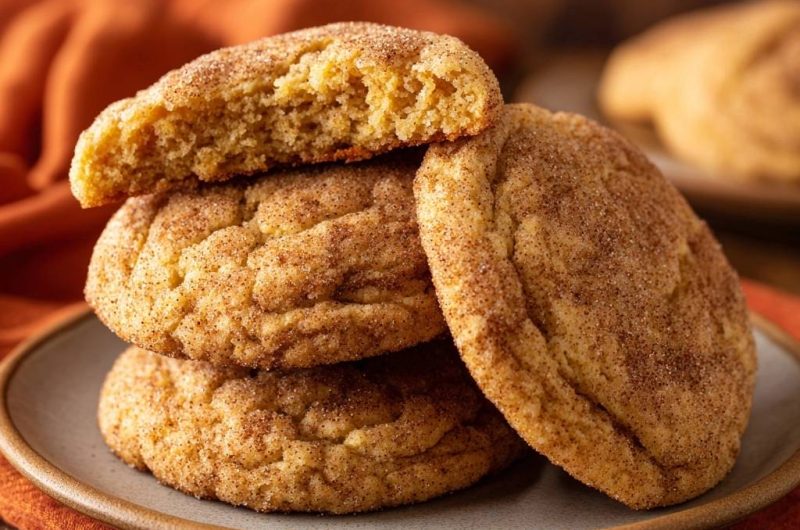
Snickerdoodles
Course: DessertCuisine: AmericanDifficulty: easy24
cookies15
minutes10
minutes60
Minutes150
kcalAmerican
Ingredients
2 1/2 cups all-purpose flour
2 teaspoons cream of tartar
1 teaspoon baking soda
1/4 teaspoon salt
1 cup unsalted butter, softened
1 1/2 cups granulated sugar
2 large eggs
1 teaspoon vanilla extract
3 tablespoons granulated sugar
3 teaspoons ground cinnamon
Directions
- Whisk together flour, cream of tartar, baking soda, and salt in a medium bowl. Set aside.
- In a large bowl, beat softened butter and 1 1/2 cups sugar with an electric mixer until light and fluffy, about 2 minutes. Add eggs one at a time, beating well after each. Mix in vanilla.
- Gradually add dry ingredients to wet, mixing on low speed until just combined. Do not overmix.
- Cover dough tightly with plastic wrap and chill in the refrigerator for at least 1 hour (or up to overnight). This crucial step prevents spreading by firming up the butter, ensuring your cookies bake thick and hold their shape instead of flattening out.
- Preheat oven to 400 degrees F. Line baking sheets with parchment paper.
- Mix 3 tablespoons sugar and cinnamon in a small bowl. Scoop tablespoon-sized dough balls, roll in cinnamon sugar to coat generously, and place 2 inches apart on sheets.
- Bake 8 to 10 minutes until edges are set but centers are still soft. Cookies will firm up as they cool, staying thick and chewy. Cool on sheets 5 minutes, then transfer to wire rack. Enjoy warm for maximum softness!
Notes
- Chilling the dough for at least 1 hour is crucial to prevent spreading and ensure thick, chewy cookies. Can chill up to overnight for even better results. Enjoy warm for maximum softness!