Ever pulled snickerdoodles from the oven only to find they’ve spread into sad, flat disks? You’re not alone. Most recipes skip a key step, and your cookies end up crispy thin instead of puffy and chewy.
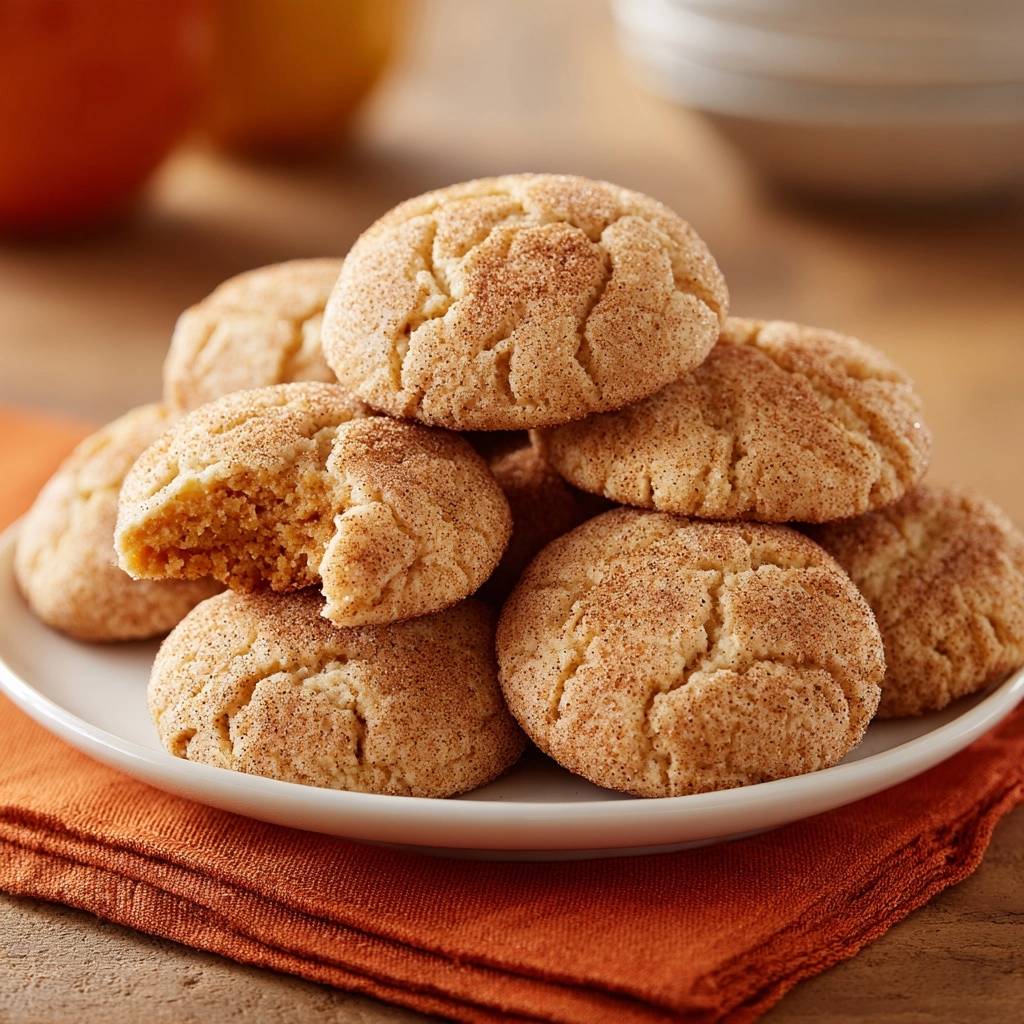
That’s why this snickerdoodles recipe changes everything. It uses a simple chilling trick to lock in that perfect shape. Plus, cream of tartar delivers those signature crinkly tops every time.
Here’s the expertise booster: chill the dough at least 2 hours. It firms up the butter so the snickerdoodles hold their puff instead of melting flat. Foolproof for any home baker.
Snickerdoodles Ingredients Breakdown
These snickerdoodles rely on everyday pantry staples that work together perfectly. You’ll need 2 1/2 cups all-purpose flour for structure, 2 teaspoons cream of tartar for those iconic cracks, 1 teaspoon baking soda for lift, and 1/4 teaspoon salt to balance flavors. In addition, grab 1 cup softened unsalted butter, 1 1/2 cups granulated sugar, 2 large eggs, plus 2 tablespoons sugar and 2 teaspoons ground cinnamon for rolling.
Unsalted butter lets you control the salt level precisely. Therefore, it creams smoother than salted varieties. Fresh eggs at room temperature emulsify better into the batter too.
Core Dry Components for Structure
Flour provides the backbone, while cream of tartar reacts with baking soda to release carbon dioxide. This creates puffs and cracks in your snickerdoodles. Salt sharpens the sweetness without overpowering.
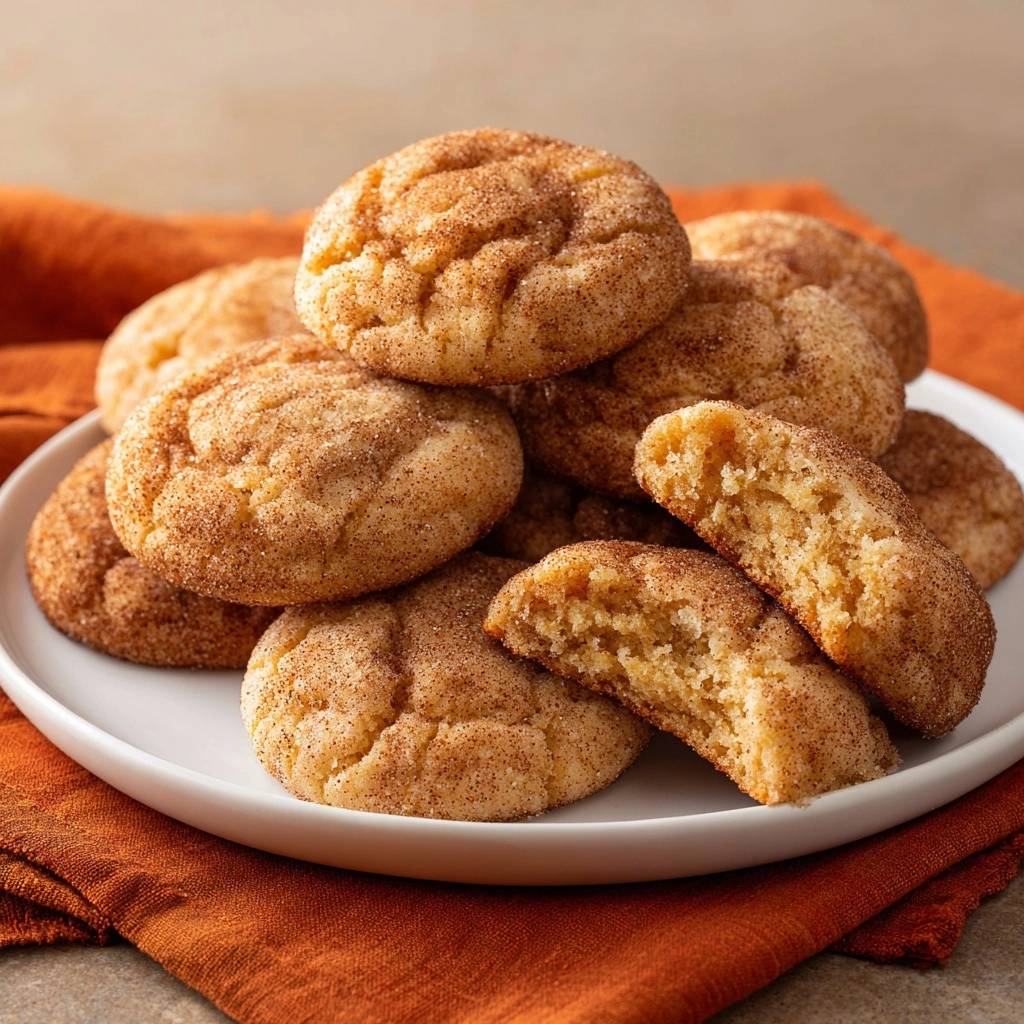
The exact ratios matter. For instance, too much baking soda leads to soapy tastes. Stick to these measurements for reliable lift.
Butter and Sugar Base Explained
Softened unsalted butter beats into airy peaks with sugar. This traps air for tenderness and golden browning. However, don’t melt it, or your snickerdoodles spread.
Sugar tenderizes the dough too. It draws out moisture for that chewy center we crave.
Science of Thick Snickerdoodles
Warm butter melts fast in the oven, causing dough to flow and flatten. Chilling solidifies the fat first. Therefore, snickerdoodles bake up tall and hold their shape.
Cream of tartar plus baking soda forms bubbles that crack the tops as they expand. Baking at 400 degrees F sets the edges quickly. In addition, this high heat prevents spreading while keeping centers soft.
Chemistry of Crinkly Tops
The leavening agents react in the oven’s heat. They produce gas that pushes through the dough surface. Timing ensures cracks form right as edges firm up.
Chilling’s Impact on Texture
Two hours firms the butter enough for shape retention. Overnight chilling deepens flavors too. However, don’t skip it, or expect flat snickerdoodles.
Step-by-Step Snickerdoodles Assembly
Start by whisking dry ingredients. Then cream butter and sugar until fluffy. Combine gently, chill, shape, and bake for puffy results.
Pro tip: measure flour by spooning into the cup and leveling. Packing it makes dense snickerdoodles.
Whisking Dry Ingredients Precisely
In a medium bowl, whisk 2 1/2 cups flour, 2 teaspoons cream of tartar, 1 teaspoon baking soda, and 1/4 teaspoon salt. Sift if lumpy for even distribution. Set aside.
Creaming Butter for Fluffiness
Beat 1 cup softened butter with 1 1/2 cups sugar on medium until pale and fluffy, about 2 minutes. Add eggs one at a time, beating well after each. You’ll see it lighten and smell sweet.
Chilling Dough Effectively
Mix dry into wet just until combined. Cover tightly with plastic wrap. Refrigerate 2 hours minimum, or overnight for best flavor in snickerdoodles.
Shaping and Coating Balls
Scoop tablespoon-sized balls. Roll generously in cinnamon-sugar mix. Place 2 inches apart on parchment-lined sheets.
Baking for Perfect Puff
Preheat to 400 degrees F. Bake 8-10 minutes until edges set but centers stay soft. Tops will crackle beautifully. Cool on sheets 5 minutes for chewiness.
Avoiding Flat Snickerdoodles Mistakes
Skipping the chill causes most flat snickerdoodles. Overmixing develops gluten for toughness too. Wrong oven temp lets them spread slowly.
Small dough balls bake unevenly. Therefore, use a tablespoon scoop. Always preheat fully for quick edge-setting.
Overmixing and Gluten Issues
Overmixing after adding flour toughens snickerdoodles. Stop when no dry streaks remain. Gluten tightens fast otherwise.
Oven Temperature Pitfalls
Too low, and they spread wide. Calibrate your oven with an thermometer. 400 degrees F is key.
Snickerdoodles Flavor Variations
Swap half the granulated sugar for brown sugar. It adds chew from molasses. Chocolate chips fold in easily without ruining cracks.
Lemon zest brightens the cinnamon. Keep add-ins under 1 cup to maintain puff. These tweaks keep classic snickerdoodles vibe.
Brown Sugar Chewier Twist
Replace 3/4 cup granulated with brown sugar. Extra moisture amps chewiness. However, chill longer to firm it up.
Citrus Zest Enhancements
Add 1 tablespoon lemon or orange zest to the dough. It cuts sweetness with tang. Cinnamon still shines through.
Storing Snickerdoodles Long-Term
Keep snickerdoodles airtight at room temp up to 3 days. They soften nicely. Freeze baked cookies or dough balls up to 3 months.
Pro tip: layer with parchment to prevent sticking. Thaw at room temp for fresh texture.
Freezing Dough Balls
Flash freeze scooped balls on a sheet, then bag. Bake from frozen, adding 1-2 minutes. Perfect for holidays.
Reviving Day-Old Cookies
Microwave 10 seconds or warm in a 300 degrees F oven. They crisp up like fresh snickerdoodles.
Snickerdoodles Pairing Ideas
Hot coffee cuts the sweetness perfectly. Tea works too. Make ice cream sandwiches for decadence.
Sparkling cranberry juice contrasts the spice. They shine on holiday platters with milk for dipping.
Troubleshooting Snickerdoodles Issues
No Crinkles Appearing
Check cream of tartar freshness; it loses potency over time. Ensure baking soda is new too. They react for those cracks.
Cookies Too Spread Out
Chill longer, up to overnight. Butter was likely too soft. Oven too cool also causes this.
Dough Too Sticky to Roll
Flour your hands lightly. Chill extra 30 minutes if needed. Don’t add flour to dough or it toughens.
Uneven Browning
Rotate sheets halfway. Use quality parchment. Rack position matters; middle is best.
FAQ
How do I store leftover snickerdoodles and can they be frozen?
Store in an airtight container at room temperature for up to 3 days; they’ll stay chewy. For longer, freeze baked snickerdoodles or raw dough balls in freezer bags up to 3 months, separated by parchment. Thaw dough overnight in fridge or bake frozen cookies straight from the freezer, adding 1-2 minutes to bake time. Avoid refreezing thawed dough to keep texture perfect.
Why did my snickerdoodles spread flat and how do I fix it?
Flat snickerdoodles usually mean the dough wasn’t chilled enough, so butter melted too fast. Always chill at least 2 hours, or overnight for best results. Check oven temp too; it must hit 400 degrees F to set edges quickly. If butter was over-softened, scoop and chill immediately next time.
Can I substitute ingredients in snickerdoodles, like the cream of tartar?
Cream of tartar is key for cracks and tang, but mix 1/2 teaspoon lemon juice with 1/2 teaspoon baking powder per teaspoon if needed. Use all-purpose flour; gluten-free blends work with 1/4 teaspoon xanthan gum added. Unsalted butter is best, but salted reduces salt by 1/8 teaspoon. Eggs can’t swap easily without texture changes.
Why are my snickerdoodles tough instead of chewy?
Overmixing develops gluten, making them tough. Mix dry into wet just until combined, no more. Also, ensure butter creams fluffy before eggs. If using brown sugar variation, extra moisture helps chew, but chill fully. Cool on sheet 5 minutes post-bake to set chewiness.
How do I get the perfect crinkly tops on snickerdoodles?
Fresh cream of tartar and baking soda react for CO2 bubbles that crack the surface. Bake at exact 400 degrees F for 8-10 minutes; underbaking misses cracks, overbaking dries them. Roll generously in cinnamon sugar right before baking for tension that splits nicely.
Why is my snickerdoodles dough sticky and hard to handle?
Dough gets sticky if not chilled or if eggs were cold, preventing full incorporation. Chill 2+ hours until firm. Lightly flour hands or scoop directly without rolling if urgent. Avoid adding flour to the bowl, as it alters ratios and toughens results.
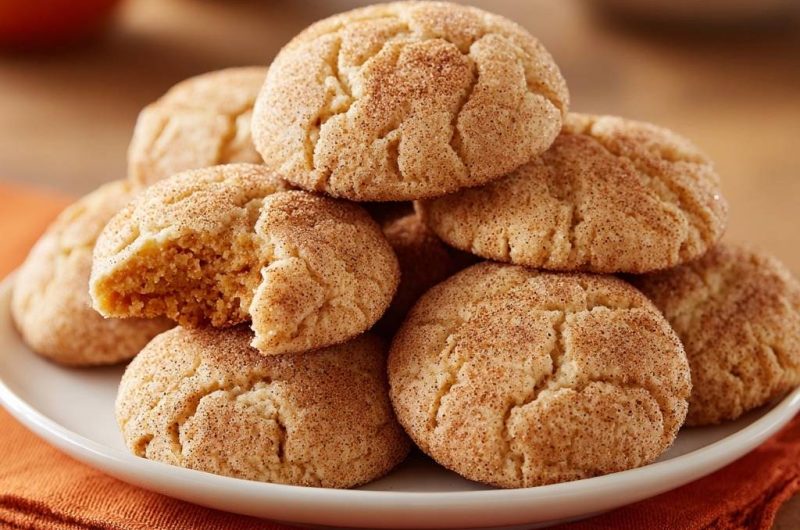
Snickerdoodles
Course: DessertCuisine: AmericanDifficulty: easy24
cookies20
minutes10
minutes120
Minutes150
kcalAmerican
Ingredients
2 1/2 cups all-purpose flour
2 teaspoons cream of tartar
1 teaspoon baking soda
1/4 teaspoon salt
1 cup unsalted butter, softened
1 1/2 cups granulated sugar
2 large eggs
2 tablespoons granulated sugar
2 teaspoons ground cinnamon
Directions
- Whisk together flour, cream of tartar, baking soda, and salt in a medium bowl. Set aside.
- In a large bowl, beat softened butter and 1 1/2 cups sugar with an electric mixer until light and fluffy, about 2 minutes. Add eggs one at a time, beating well after each.
- Gradually mix dry ingredients into wet until just combined. Do not overmix.
- Cover dough and chill in the refrigerator for at least 2 hours (or overnight). This critical step prevents spreading by firming the butter, so cookies hold their shape and bake up thick and chewy instead of flat.
- Preheat oven to 400 degrees F. Line baking sheets with parchment paper.
- Mix 2 tablespoons sugar and cinnamon in a small bowl. Scoop tablespoon-sized dough balls, roll in cinnamon sugar to coat generously.
- Place 2 inches apart on sheets. Bake 8 to 10 minutes until edges are set but centers are still soft and tops crackle. Cool on sheets 5 minutes, then transfer to wire rack. Enjoy the perfect crinkly, puffy snickerdoodles!
Notes
- Chilling the dough for at least 2 hours is critical to prevent spreading and ensure thick, chewy cookies with crinkly tops.