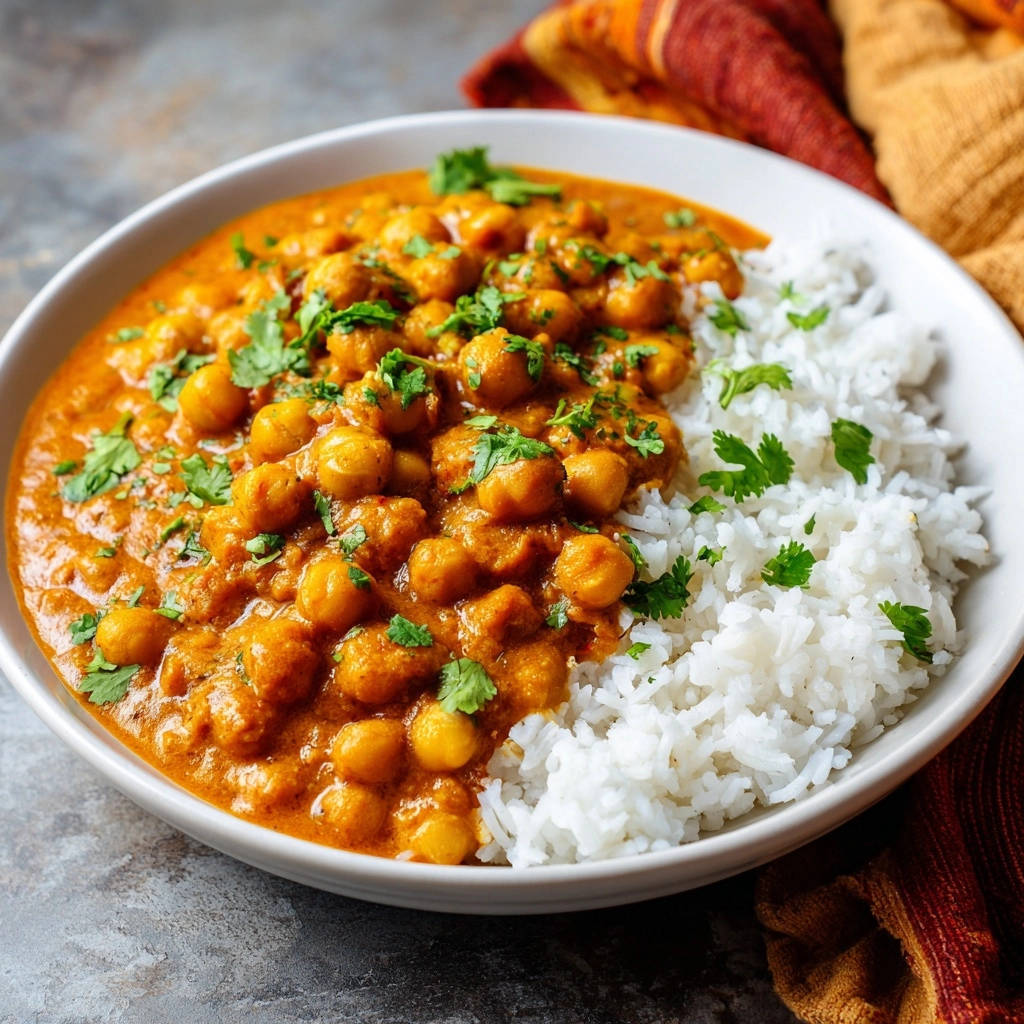
For years, I struggled to achieve that thick, creamy consistency when making chickpea curry at home, often ending up with thin, flavorless broth sliding off the rice. The difference between thin and rich lies entirely in a game-changing, natural thickening technique that transforms this classic dish into a luxurious, satisfying meal.
This recipe for Rich Tomato Chickpea Curry finally solves the watery sauce problem, establishing a new standard for your favorite weeknight dinner. Get ready for an authentic, restaurant-quality velvety texture that relies purely on smart cooking, not processed thickeners.
Ditch the Watery Broth: Why This Rich Tomato Chickpea Curry Works
This recipe distinguishes itself because it focuses on building flavor in layers and using the ingredients themselves to achieve a luxurious texture, guaranteeing a stunning result every time.
The Power of Natural Thickening (No Flour Required)
By blending a portion of the cooked tomatoes and chickpeas into a smooth paste, we harness the starch locked inside the beans.
When this smooth paste is reintroduced, it acts as a binder, naturally thickening the whole curry without compromising the clean, bright flavor profile that added flour or cornstarch can muddy.
Deep, Restaurant-Quality Flavor in Under an Hour
The total cooking time clocks in at only 50 minutes, but the flavor payoff is exponential.
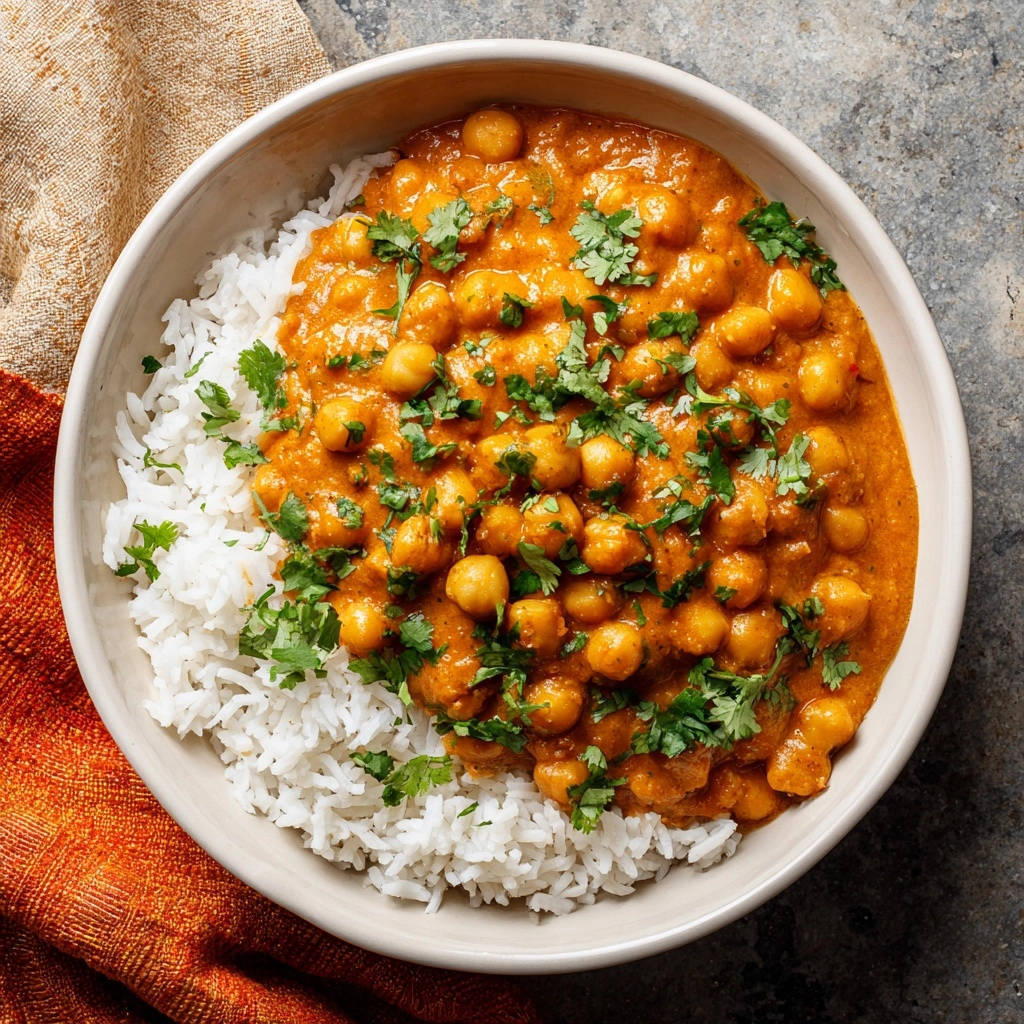
We use a crucial technique called “blooming” the spices in hot oil before adding the liquid, which unlocks their fat-soluble compounds, providing maximum depth and intensity before the final 20-minute simmer allows all those flavors to truly meld.
The Perfect Weeknight Vegan or Vegetarian Solution
Chickpeas provide a hearty, protein-rich base, making this an extremely satisfying vegetarian or vegan main course.
The optional swap between rich heavy cream and full-fat coconut milk ensures flexibility for dietary needs without sacrificing the necessary velvety mouthfeel.
Mastering the Madras Effect: Essential Ingredients for Depth
The Flavor Foundation: Aromatics and Oil
A neutral oil, such as canola or vegetable, allows the inherent flavors of the spices and aromatics to shine through without interference.
It is crucial to take the full 6 to 8 minutes to gently soften the diced onion until it is translucent; rushed onions taste sharp and detract from the base flavor.
The Golden Ratio: Our Signature Spice Blend
The blend of Cumin, Coriander, and Turmeric provides the essential earthy base, while Cayenne pepper adds controllable heat.
This ratio is a perfect starting point, but feel free to adjust the cayenne level based on your desired heat index.
The necessity of the 30-second ‘blooming’ process cannot be overstated; this quick sauté releases essential oils, elevating the flavor of the curry significantly.
The Texture Makers: Tomatoes, Chickpeas, and Cream
Crushed tomatoes are preferred over diced because they break down better and contribute more naturally to the sauce’s texture.
Always drain and rinse canned chickpeas thoroughly to remove excess sodium and starchy liquid, ensuring cleaner flavor.
For depth and body, choose between rich heavy cream for a traditional finish or thick, full-fat canned coconut milk for an equally satisfying dairy-free option.
The Game-Changer: Unlocking the Velvety Sauce Technique
This three-step hack is the secret to moving from thin curry to the thick, Rich Tomato Chickpea Curry texture you crave.
Step 1: The Strategic Scoop
Once the tomatoes and liquid are added and stirred, immediately scoop out exactly 1/2 cup of the cooked tomato mixture and 1/2 cup of the whole, drained chickpeas.
This specific mix is chosen because the cooked tomatoes easily break down and the high-starch chickpeas provide the necessary thickening power when puréed.
Step 2: Blending for Silkiness
Transfer this small portion to a blender or food processor and blend until it is completely smooth and creamy, with absolutely no lumps remaining.
A high-powered blender typically creates a finer, silkier texture than a food processor, which is ideal for this application.
Step 3: Integrating the Thickening Base
Pour this velvety, blended mixture back into the main pot.
As you stir, you will instantly notice the visual and textural change, as the liquid base becomes thicker and more homogenous, setting the stage for the deep simmer.
Your Path to Perfection: A Detailed Cooking Guide
-
Sauté Aromatics:
Heat the oil over medium heat. Add the diced onion and cook slowly for 6 to 8 minutes until soft and translucent. Do not skip this gradual layering of flavor.
Add the minced garlic and grated ginger and cook for just 1 minute until fragrant. Watch closely to prevent burning the garlic.
-
Bloom Spices for Depth:
Add the cumin, coriander, turmeric, cayenne pepper, and salt to the pot. Stir constantly for 30 seconds, allowing the heat to release the essential spice oils.
This short duration is critical-too long and the dry spices will burn, resulting in a bitter, chalky flavor that cannot be salvaged.
-
Prepare the Thickening Base (The Hack):
Add the crushed tomatoes and the liquid (water or broth) to the pot and stir. Before bringing it to a boil, immediately perform the strategic scoop of the sauce and chickpeas, transferring them to the blender as detailed above.
-
Blend for Velvet and Combine:
Blend the scooped portion until perfectly smooth. Pour this rich, velvety mixture back into the main pot, adding the rest of the whole, drained chickpeas.
Stir well to integrate the thickening element throughout the sauce base.
-
The Critical Flavor Lock-In Simmer:
Bring the curry to a gentle simmer. Reduce the heat to low, cover the pot partially, and let it simmer for the full 20 minutes.
This extended simmer allows the spices to fully hydrate, the chickpeas to absorb the rich sauce, and the texture to thicken naturally. Stir occasionally to prevent any sticking on the bottom.
-
Finish and Serve:
Stir in the heavy cream (or coconut milk) and the garam masala. Note that garam masala is typically added right at the end, as its delicate, volatile oils can dissipate if cooked too long, dulling its aroma.
Taste and adjust salt if necessary before serving hot over fluffy white rice, topped generously with fresh cilantro.
Chef’s Secrets: 5 Ways to Guarantee Restaurant-Quality Rich Tomato Chickpea Curry
Salt Control is Key: Use the initial 1/2 teaspoon of kosher salt only for building the foundation. The reduction process during the simmer concentrates both flavors and salt, so reserve all final seasoning until after the 20-minute simmer is complete.
Never Skip the Bloom: If you add the liquid before the spices have had 30 seconds of heat in the oil, you miss out on a massive depth of flavor. This quick step is non-negotiable for achieving a truly rich, complex curry.
Using Fresh Ginger: Use freshly grated ginger, not powdered. The bright, pungent, slightly fibrous quality of fresh ginger adds an essential layer of complexity that powdered ginger simply cannot replicate.
The Coconut Milk Swap: If opting for a vegan dish, ensure you use full-fat canned coconut milk (often found in the baking aisle), not the diluted beverage variety in a carton. This ensures the necessary richness and fat content for a smooth finish.
Don’t Over-Blend the Base: While you want the small scooped portion perfectly smooth, do not use an immersion blender on the entire pot. This risks breaking down too many starches and creating a gluey or gummy texture rather than a smooth, velvety sauce.
Troubleshooting Your Curry: Common Issues and Quick Fixes
Problem: My Rich Tomato Chickpea Curry Tastes Flat
If the flavor is flat, this is usually due to insufficient salt or skipping the critical spice bloom. If salt is insufficient, add a pinch and taste again immediately.
If the flavors are still dull, a surprising fix is to add a dash of fresh lime juice at the very end to brighten the overall profile and lift the heavier spices.
Problem: My Sauce Consistency is Too Thin
If you executed the blending hack correctly, a thin sauce is unlikely. However, if it remains thin after the simmer, use an immersion blender to quickly purée another 1/4 cup of the whole chickpeas directly in the main pot.
Stir vigorously for 2 minutes to incorporate this newly released starch, and the sauce will tighten up considerably.
Problem: The Spices Taste Burnt or Bitter
This happens when the spices bloom for too long (over 45 seconds) or when the heat is too high, causing them to toast excessively before liquid is added.
Unfortunately, this flavor is hard to eliminate, but adding a touch of sugar (1/2 teaspoon) and increasing the amount of heavy cream or coconut milk can often help mask the harsh bitterness.
Beyond Rice: The Perfect Sidekicks for Rich Tomato Chickpea Curry
While fluffy white rice is the classic serving recommendation, consider these pairings for a dynamic, complete meal experience.
Basmati or Jasmine Rice: The long grain and natural fragrance of these rices make them the perfect sponge, allowing them to fully absorb the dense, creamy sauce.
Warm Naan or Roti: These flatbreads are essential for scooping up every drop of the thick, rich curry sauce; elevate them by brushing with garlic butter before serving.
A Simple Cucumber Raita: The coolness and tang of a yogurt-based raita provides an excellent textural and temperature contrast to the warm, deeply flavored curry, balancing the heat beautifully.
Storage and Make-Ahead FAQs
Can I make this Rich Tomato Chickpea Curry ahead of time?
Absolutely. Like most curries, this dish is arguably better the next day after the ingredients have had time to fully marinate and integrate.
Prepare the recipe completely, cool it, and store it in an airtight container in the refrigerator for up to 4 days.
How should I store leftovers?
Store leftovers in a sealed container in the fridge for 3-4 days. For longer storage, freeze the curry (without the rice) for up to 3 months.
Thaw the frozen curry overnight in the refrigerator and reheat gently on the stovetop, adding a splash of water or cream if necessary to restore the perfect consistency.
Can I use dried chickpeas instead of canned?
Yes, but you must ensure they are fully cooked until they are very tender before draining and adding them to the curry base.
Using dried chickpeas will significantly increase the overall preparation and cooking time, but it provides a slightly nuttier flavor.
Curry Confidence: Ready to Master Your Weeknight Meal?
Achieving a truly professional, thick, and velvety texture in homemade curries no longer requires specialty ingredients or complicated techniques. This guaranteed method for Rich Tomato Chickpea Curry, centered on the strategic chickpea blend, ensures you achieve that restaurant-quality depth every time.
Try the velvety sauce hack tonight-it’s the simplest way to transform your cooking confidence. We encourage you to rate this recipe and leave a comment below sharing your experience with the natural thickening technique!
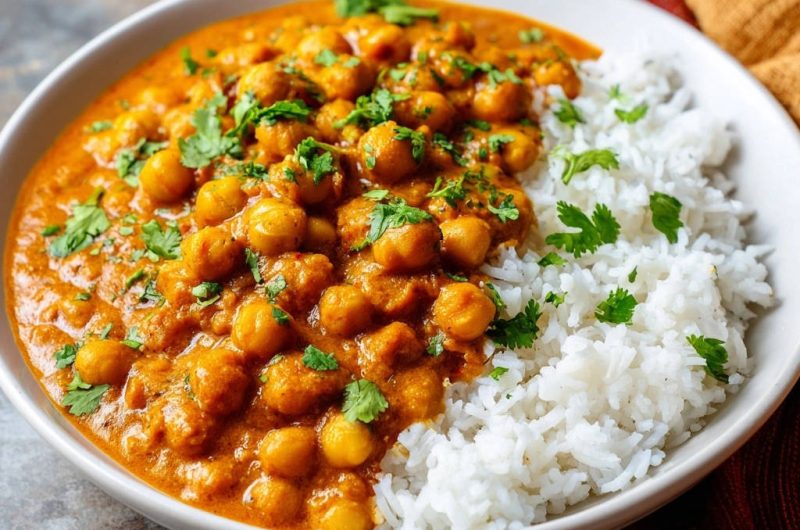
Rich & Velvety Chickpea Curry
Course: Main CourseCuisine: Indian cuisineDifficulty: easy4
servings15
minutes35
minutes50
minutesIndian cuisine
Ingredients
1 tablespoon neutral oil (like canola or vegetable)
1 large yellow onion, diced
3 cloves garlic, minced
1 tablespoon ginger, freshly grated
1 teaspoon cumin powder
1 teaspoon coriander powder
1/2 teaspoon turmeric powder
1/4 teaspoon cayenne pepper (adjust to taste)
1/2 teaspoon kosher salt, plus more to taste
1 (14.5 ounce) can crushed tomatoes
2 (15 ounce) cans chickpeas (garbanzo beans), drained and rinsed
1/2 cup water or vegetable broth
1/4 cup heavy cream or full-fat coconut milk
1 teaspoon garam masala
Cooked white rice, for serving
Fresh cilantro, chopped, for garnish
Directions
- The Velvety Sauce Hack (The Key to Rich Texture)
- Sauté Aromatics: Heat the oil in a large Dutch oven or heavy-bottomed pot over medium heat. Add the diced onion and cook until softened and translucent, about 6 to 8 minutes. Add the minced garlic and grated ginger and cook for 1 minute until fragrant.
- Bloom Spices: Add the cumin, coriander, turmeric, cayenne pepper, and salt to the pot. Stir constantly for 30 seconds until the spices are very fragrant. This step is crucial for flavor depth.
- Prepare the Thickening Base: Add the crushed tomatoes and the liquid (water or broth) to the pot. Now, for the technique: Immediately scoop out about 1/2 cup of the cooked tomato mixture and about 1/2 cup of the drained chickpeas and place them carefully into a blender or food processor.
- Blend for Velvet: Blend this small portion until it is completely smooth and creamy. This mixture, which utilizes the starch from the chickpeas, is what will naturally thicken the entire curry without using any added flour or cornstarch.
- Combine and Simmer: Pour the velvety, blended mixture back into the main pot with the remaining tomato mixture. Stir well. Add the rest of the whole, drained chickpeas to the pot.
- Flavor Lock-In: Bring the mixture to a gentle simmer. Reduce the heat to low, cover the pot partially, and let it simmer for 20 minutes, allowing the sauce to deepen in color and the flavors to fully meld. Stir occasionally to prevent sticking.
- Finish and Serve: Stir in the heavy cream (or coconut milk) and the garam masala. Cook just until heated through, about 2 minutes. Taste and adjust salt if necessary. Serve hot over fluffy white rice, topped generously with fresh cilantro.