Why Dry-Brining Transforms Beef Roast
Nothing ruins a Sunday dinner faster than slicing into a beef roast that’s tough and dry. You’ve been there, right? This Rosemary Roasted Beef Roast with Potatoes changes everything with an overnight dry-brine that pulls moisture to the surface then lets it soak back in for juicy, tender results every time.
Therefore, you get meat that stays succulent no matter your oven’s mood swings. In addition, the potatoes catch all those flavorful drippings while crisping up perfectly. It’s the fix most home cooks miss.
The secret lies in that precise salt rub before the fridge overnight. It denatures proteins to lock in juices, so you pull out a roast that melts in your mouth. Oh man, that first bite hits different.
Essential Components for Rosemary Beef Roast
Every ingredient pulls its weight here. Start with a 3-pound beef loin roast or top sirloin for built-in tenderness from good marbling. Yukon gold potatoes shine because their starch content crisps edges while keeping insides fluffy. Fresh rosemary delivers aroma in layers, and olive oil handles the heat without breaking down.
Kosher salt’s coarseness matters too. It draws out moisture evenly during the brine, unlike fine table salt that can oversalt. However, don’t skip the black pepper; it adds a subtle bite that blooms in the oven.
Choosing the Right Beef Loin Roast
Go for loin or top sirloin because they balance fat and lean for juiciness. A 3-pound cut serves 4-6 perfectly without leftovers going to waste. If it’s uneven, tie it with butcher’s twine for even roasting; this keeps cooking uniform so no part dries out.
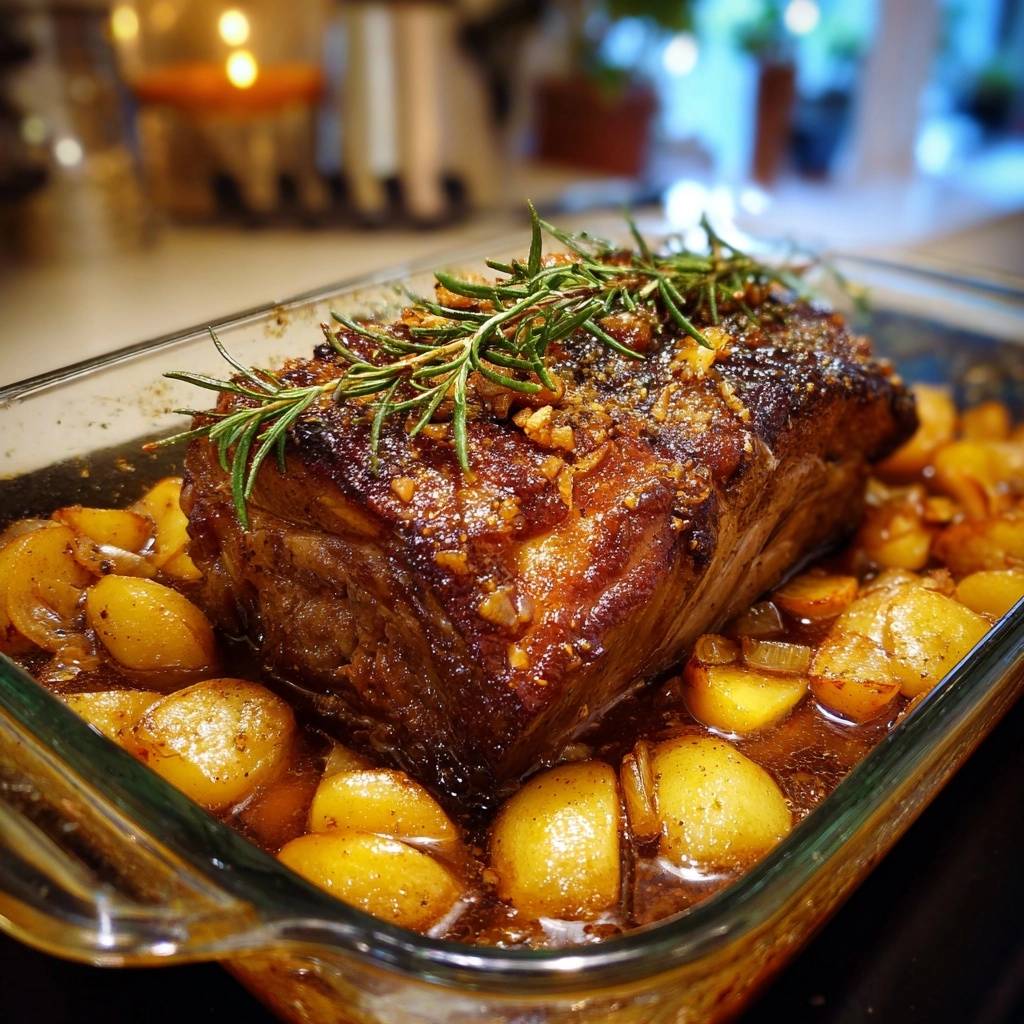
Yukon Gold Potatoes for Flavor Absorption
Yukon golds beat russets with medium starch that absorbs pan juices without turning mushy. Cut into 1.5-inch chunks for crispy outsides and creamy centers. They’ll soak up rosemary essence while releasing steam to baste the beef.
Fresh Rosemary’s Dual Role
Use sprigs tucked around the roast for steamy infusion, and chopped leaves in the rub for direct flavor punch. Fresh packs 3 times the oil potency of dried, so aromas fill your kitchen. In addition, it clings better to the salted surface.
Science of Dry-Brining Rosemary Beef Roast
Dry-brining works through osmosis. Salt pulls moisture out of the beef cells, then proteins unwind and trap it back inside overnight. This beats wet brines, which dilute flavors and add water weight.
Therefore, your roast stays juicy edge to edge. The room-temp rest before roasting evens out heat for better browning via Maillard reaction. Potatoes add humidity, mimicking a steamy environment without fuss.
Moisture Migration During Overnight Brine
Salt crystals dissolve slowly, drawing liquid to the surface in the first hours. Then, it reabsorbs over 12-24 hours, seasoning deeply. Keep it uncovered in the fridge; airflow prevents bacteria while the pellicle forms for crisp skin.
Room Temperature Equilibration Effects
Let the beef sit out for 1 hour so its core warms to 60-70 degrees F. This avoids a cold center that cooks unevenly at 325 degrees F. In addition, it shortens roasting time and boosts juiciness.
Step-by-Step: Dry-Brining the Beef Roast
Pat the 3-pound roast super dry with paper towels first. Rub it evenly with 1.5 teaspoons kosher salt, 0.5 teaspoon pepper, and 1 tablespoon chopped rosemary. Place uncovered on a plate in the fridge overnight; you’ll see moisture bead up then vanish by morning.
This step guarantees tenderness. Don’t rush it; skipping means dry meat. Pro tip: brine up to 48 hours for deeper flavor if you’re planning ahead.
Step-by-Step: Preheating and Potato Prep
Preheat your oven to 325 degrees F. Toss 2 pounds Yukon gold chunks with 2 tablespoons olive oil, the remaining 0.5 teaspoon salt, 0.5 teaspoon pepper, and 1 tablespoon chopped rosemary. Spread in a single layer in a 9×13-inch glass dish; overcrowding steams them soggy.
They’ll start releasing a sweet aroma as they warm. This setup crisps edges while catching beef drippings later.
Step-by-Step: Assembling Rosemary Roasted Beef Roast
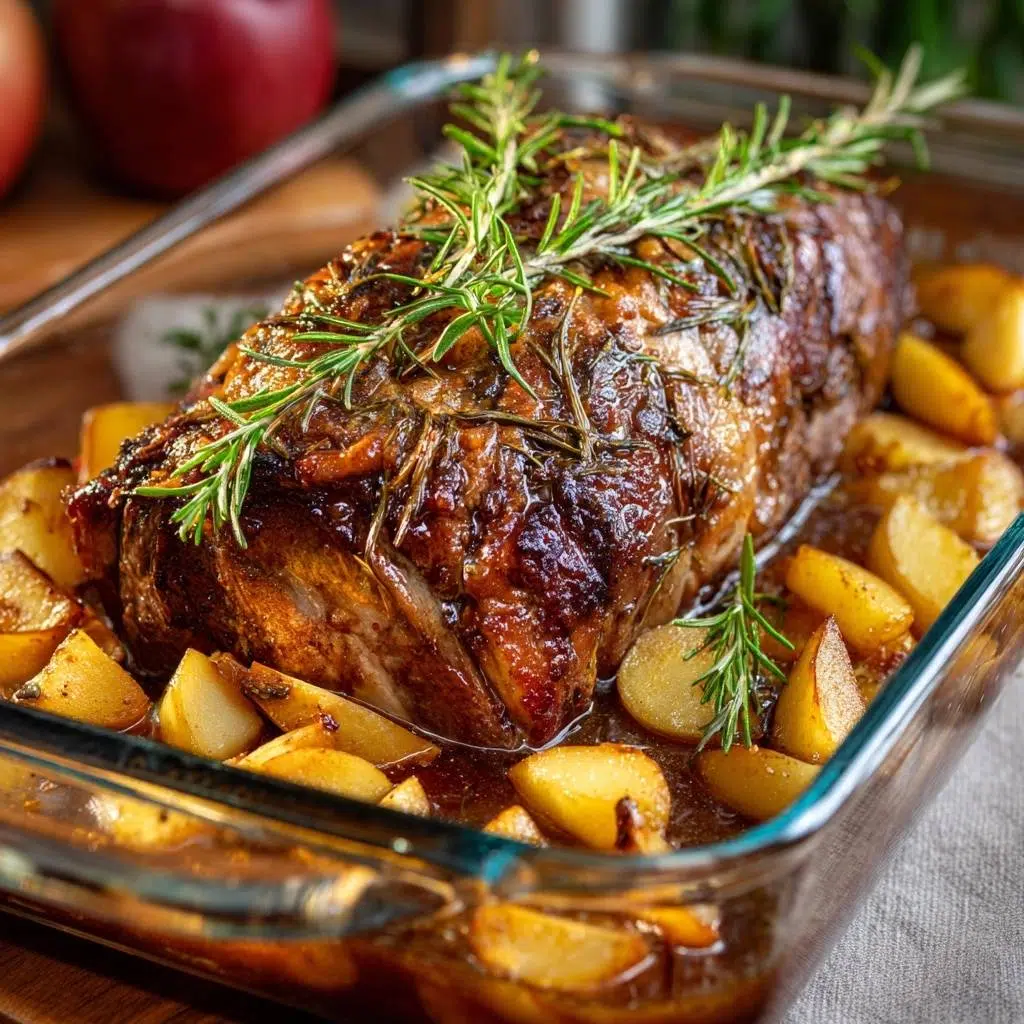
Remove beef from fridge 1 hour early to hit room temp. Rub it with the last tablespoon olive oil and chopped rosemary. Center it on the potatoes, then tuck 4-5 rosemary sprigs around and on top for even steam flow.
Visualize the layout: potatoes ring the beef like a flavor moat. This circulates aromas beautifully without blocking heat.
Step-by-Step: Roasting to Perfect Doneness
Roast uncovered for 1 hour 30 minutes until the thickest part hits 135 degrees F for medium-rare. Use an instant-read thermometer; guesswork leads to overcooking. Add 5-10 minutes for medium at 140-145 degrees F.
Potatoes crisp on edges, their steam keeping the beef moist. Stir them once midway in the pan juices for max flavor.
Step-by-Step: Resting for Juicy Slices
Transfer beef to a cutting board and tent loosely with foil for 15 minutes. Juices redistribute, so every slice stays succulent. Stir potatoes in those golden pan drippings, then slice beef against the grain thin.
Thick slices toughen it up. Serve hot; the rosemary scent will have everyone digging in.
Equipment Choices for Even Rosemary Roast
A glass 9×13 dish retains moisture better than metal, which conducts heat too fast and dries edges. No fancy gear needed beyond an instant-read thermometer for precision. It beats probes since you check multiple spots quickly.
However, calibrate your oven first; many run hot and overcook roasts silently.
Glass Baking Dish Advantages
Glass holds steady heat and traps potato steam without scorching. Potatoes crisp without sticking, and cleanup’s easy after soaking. In addition, it promotes even browning across the board.
Meat Thermometer Precision Guide
Insert into the center, away from fat or sprigs. Pull at 135 degrees F; carryover adds 10 degrees. Timelines vary by roast shape, so trust the temp over time.
Avoiding Dry Meat in Rosemary Beef Roast
Overcooking kills juiciness fastest, so thermometer up. Skipping the brine leaves meat parched; always salt overnight. Crowded potatoes trap steam and sog out everything.
Prevent rosemary burning by tucking sprigs under beef partially. If edges brown too fast, tent foil loosely midway. These fixes keep it perfect.
Overcooking Temperature Pitfalls
Carryover cooking raises temp 10-15 degrees post-oven. Pull medium-rare at 135 degrees F, not 145. Check your oven calibration; many hit 350 when set to 325.
Potato Crowding Moisture Traps
Single layer lets air circulate for crispiness. Stir at 45 minutes to flip and coat in juices. Too tight, and they boil instead of roast.
Flavor Twists on Rosemary Roasted Beef Roast
Swap in thyme for milder herb notes; use a 2:1 rosemary-thyme ratio. Add minced garlic to the rub for savory depth; it sticks well to the brined surface. For low-carb, sub radishes for potatoes; they mimic texture.
Therefore, you customize without losing the juicy core. Toss in baby carrots midway; they sync timing perfectly.
Herb and Garlic Variations
Mix 1 tablespoon chopped thyme with rosemary. Press 4 minced garlic cloves into the rub; oil helps adhesion. Fresh herbs keep potency high.
Vegetable Additions for Sheet Pan
Add halved baby carrots or parsnips after 45 minutes. They roast tender without mush. Keeps the one-pan ease intact.
Pairing Sides with Rosemary Beef Roast
Crisp green salad cuts the richness perfectly. Steamed broccoli adds earthiness that echoes rosemary. Simple horseradish cream sauce brings zing; mix yogurt, horseradish, and salt.
Sparkling cranberry juice refreshes alongside. These keep the meal balanced and bright.
Make-Ahead Strategies for Beef Roast
Dry-brine up to 2 days ahead; it intensifies flavor. Prep potatoes morning-of and store covered. Freeze the raw brined roast up to 3 months; thaw overnight in fridge.
Reheat slices in a 300 degrees F oven tented with foil to avoid drying. Pro tip: portion potatoes separately for quick crisping.
Troubleshooting Rosemary Roasted Beef Roast
Beef Still Dry After Brining?
Check rest time; under 15 minutes lets juices escape. Slice against the grain always, or fibers stay chewy. Calibrate oven too; test with an external thermometer.
Potatoes Not Crisping Enough?
Increase oil to 2.5 tablespoons or flip midway. Finish under broiler 2-3 minutes post-roast. Ensure single layer; crowding steams them soft.
How Do I Store Leftovers?
Cool completely, then store in an airtight container in the fridge up to 4 days. Reheat gently in a 300 degrees F oven with a splash of broth to revive moisture. It doesn’t freeze well; potatoes get grainy and beef loses tenderness after thawing.
Why Is My Roast Tough?
Most likely skipped the dry-brine or didn’t rest it. Brine tenderizes via salt penetration, and rest redistributes juices. Also, slice thin against the grain; with-grain cuts chew like shoe leather.
Can I Substitute the Beef Cut?
Chuck roast works but needs 3.5-4 pounds and 20 extra minutes for tenderness. Avoid lean eye round; it dries fast without fat. Stick close to loin or sirloin for best results.
What If I Don’t Have Fresh Rosemary?
Use 2 teaspoons dried, but halve chopped amount in rub. Sprigs can’t sub well, so boost with extra thyme. Fresh gives superior aroma, though; grow it indoors for easy access.
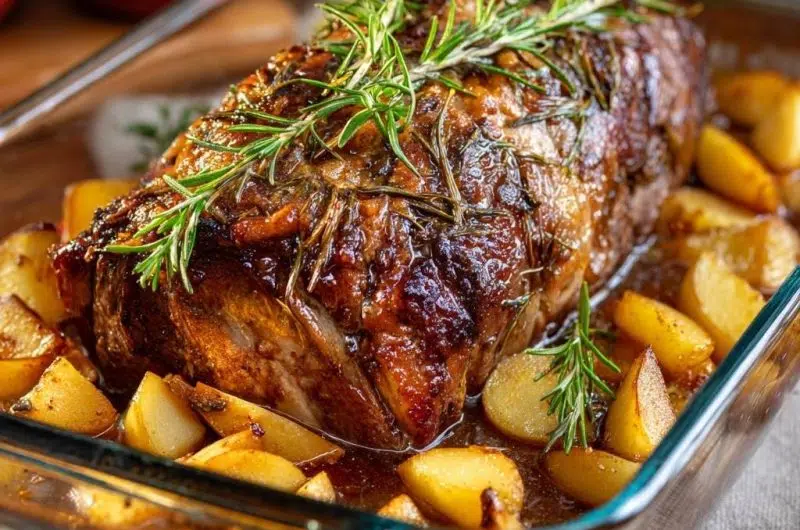
Rosemary Roasted Beef Roast with Potatoes
Course: Main CourseCuisine: AmericanDifficulty: easy6
servings20
minutes1
hour60
MinutesAmerican
Ingredients
3 pound beef loin roast (or top sirloin roast, tied if needed)
2 pounds Yukon gold potatoes, cut into 1.5-inch chunks
4-5 fresh rosemary sprigs, plus 2 tablespoons chopped leaves
3 tablespoons olive oil
2 teaspoons kosher salt
1 teaspoon black pepper
Directions
- Pat the beef roast dry with paper towels. Rub evenly with 1.5 teaspoons salt, 0.5 teaspoon pepper, and 1 tablespoon chopped rosemary. Place uncovered on a plate in the fridge overnight. This dry-brine draws out moisture then reabsorbs it, guaranteeing juicy meat no matter your oven quirks (the star fix for dryness!).
- Remove beef from fridge 1 hour before cooking to reach room temperature for even roasting.
- Preheat oven to 325 degrees F. Toss potatoes with 2 tablespoons olive oil, remaining 0.5 teaspoon salt, 0.5 teaspoon pepper, and 1 tablespoon chopped rosemary.
- Spread potatoes in a single layer in a 9×13-inch glass baking dish. Rub beef with remaining 1 tablespoon olive oil and chopped rosemary. Place roast in center on top of potatoes. Tuck rosemary sprigs around and on top of beef.
- Roast uncovered 1 hour 30 minutes, or until internal temperature hits 135 degrees F for medium-rare (use a meat thermometer inserted into thickest part; add 5-10 minutes for medium). Potatoes will crisp on edges while releasing steam to keep meat moist.
- Transfer beef to a cutting board, tent loosely with foil, and rest 15 minutes (juices redistribute for max tenderness). Stir potatoes in pan juices. Slice beef against grain and serve with potatoes.
Notes
- Use a meat thermometer for perfect doneness. Dry-brining overnight is key to juicy results. Resting the meat allows juices to redistribute.