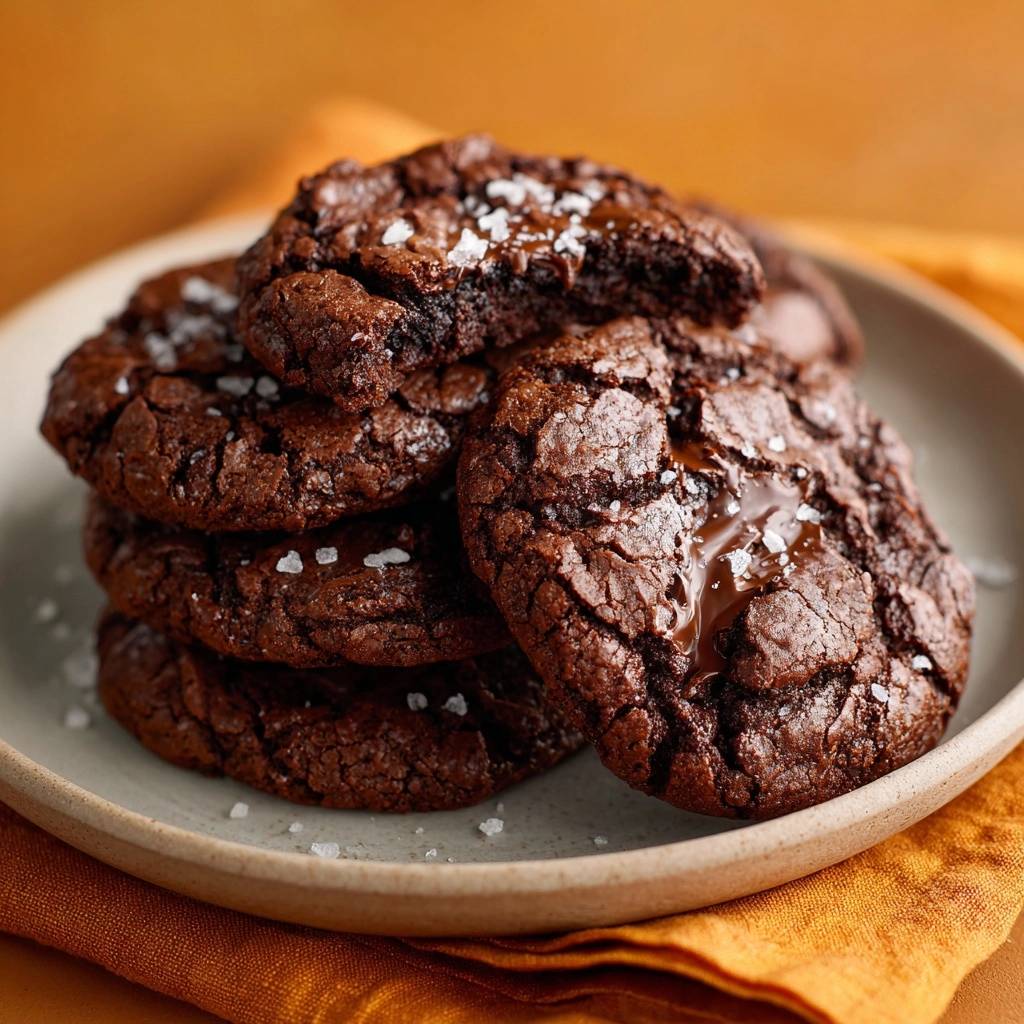
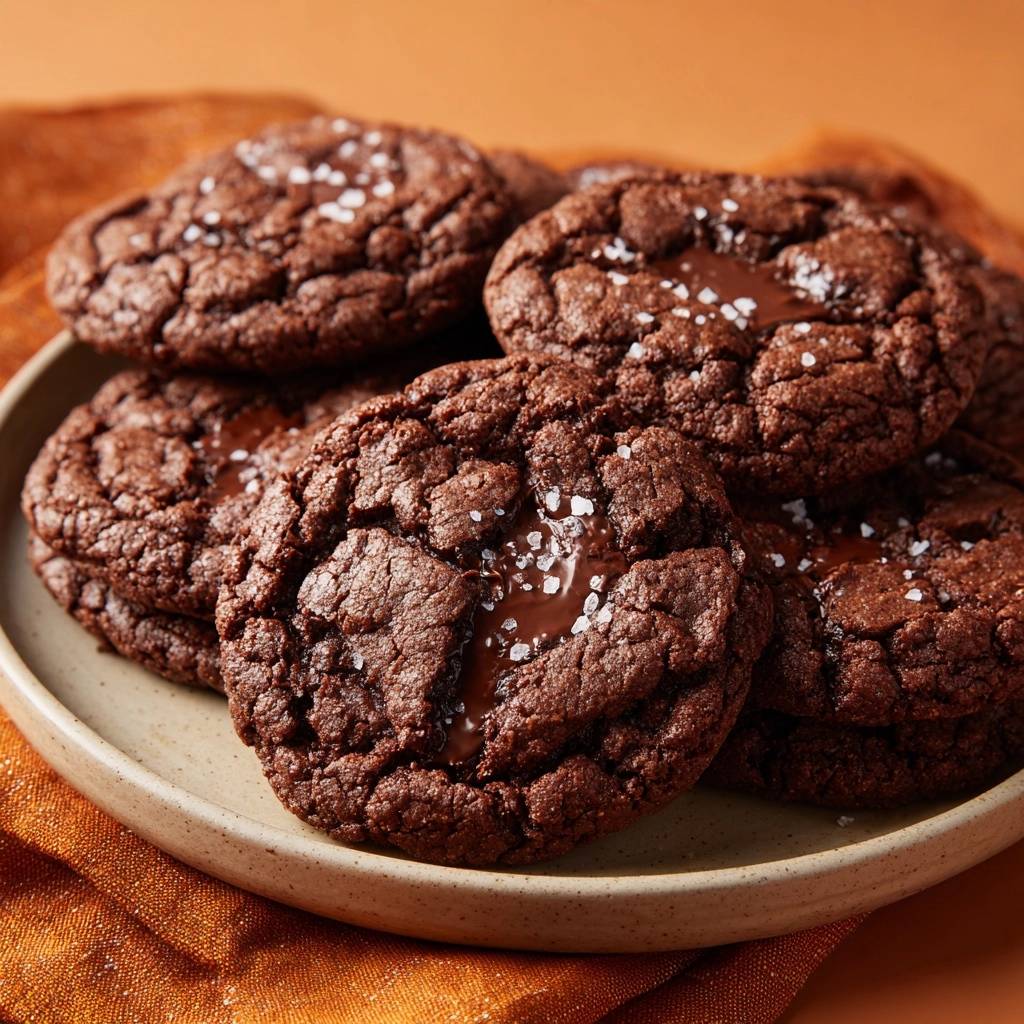
You know those viral chocolate cookies with fudgy, molten centers that make everyone drool? Most home bakers end up with dry, crumbly disappointments because they rely on flour-heavy doughs that suck out all the moisture. This recipe fixes that with a melted chocolate base that locks in gooey perfection, no guesswork needed.
Therefore, you’ll get 24 cookies ready in 20 minutes prep plus 1 hour chill and 11 minutes bake. The contrast of rich chocolate, flaky sea salt crunch, and that irresistible soft center beats any bakery treat. Plus, it guarantees success every time since the science backs it up.
Here’s the proof: melting 6 ounces of dark chocolate with butter creates an emulsion that infuses fat and moisture deep into the dough. That survives the oven heat, unlike traditional methods. You’ll see the difference in the first bite, oh man, it’s pure bliss.
Melted Chocolate Base Builds Moisture
Why Melted Chocolate Prevents Dry Cookies
Dark chocolate, chopped and divided into 6 ounces melted and 2 ounces as chunks, changes everything. It infuses the dough with cocoa butter’s fat and low water content, which holds up under high heat. Traditional recipes overload on flour, leading to dryness; this minimal approach keeps centers molten.
In addition, the chocolate’s emulsion traps moisture that baking can’t evaporate. Therefore, you get fudgy texture instead of cakey. Fresh, high-quality dark chocolate around 60-70% cacao works best for balanced bitterness.
Butter and Chocolate Melting Techniques
Start with 1/2 cup unsalted butter to let the sea salt shine later. Melt it with the 6 ounces chopped chocolate over simmering water in a heatproof bowl, stirring until smooth. Or use microwave bursts of 30 seconds, stirring each time to avoid scorching.
However, cool the mixture 5 minutes before adding to eggs; otherwise, it scrambles them. Look for a glossy, pourable consistency with no lumps. That smooth base sets up gooey success.
Whipped Eggs Create Cookie Structure
Ribbons Test for Egg-Sugar Foam
Beat 1 cup granulated sugar, 2 large eggs, and 1 teaspoon vanilla extract on high speed for 3 full minutes. Room temperature eggs whip better, incorporating air for lift without making cookies cakey. The mixture turns pale yellow and thick, dripping in ribbons off the beater.
This step builds structure, so the dough holds its shape. Cold eggs won’t foam as well, leading to flat cookies. Test by lifting the beaters; ribbons mean you’re ready.
Combining Wet Ingredients Seamlessly
Gently stir the cooled chocolate mixture into the egg foam. Use a spatula for slow folds to preserve those air pockets, which create crackly tops later. The batter thickens slightly and looks glossy.
Avoid aggressive mixing here. That keeps the texture light yet fudgy. You’ll notice it transform from separate to unified in just a few turns.
Dry Ingredients for Fudgy Texture Balance
Minimal Flour and Cocoa Ratios
Whisk together 1/2 cup all-purpose flour, 1/4 cup cocoa powder, 1/2 teaspoon baking powder, and 1/4 teaspoon salt. Low flour keeps it fudgy, not cakey; cocoa adds deep chocolate flavor without bulk. Baking powder gives just enough lift for cracked surfaces.
Dutch-process cocoa works too, but it darkens the color and mellows acidity. Therefore, natural cocoa gives brighter flavor. These ratios ensure chew without dryness.
Folding Technique for Even Distribution
Fold dry ingredients into the wet just until no streaks remain. Then add the remaining 2 ounces chopped chocolate chunks. Overmixing develops gluten, making tough cookies.
Pro tip: a few lumps are fine; they melt in. This gentle method distributes everything evenly for consistent gooey bites.
Chilling Dough Controls Spread and Gooeyness
One-Hour Chill Science Explained
Cover the dough and chill for 1 hour. Refrigeration firms the butter and chocolate fats, preventing wild spreading in the oven. It also traps moisture inside for lasting gooey centers.
Test readiness by pressing; it should feel firm but yield slightly. Overnight chill intensifies flavor. However, don’t skip this, or edges burn before centers set.
Scooping and Shaping Perfect Mounds
Preheat to 350°F and line sheets with parchment; it prevents sticking and ensures even browning. Scoop 2-tablespoon mounds, roll into balls, space 2 inches apart. Smooth tops give the best cracks.
Parchment’s non-stick surface lets them release easily. You’ll love how they hold shape perfectly.
Baking Sea Salt Chocolate Cookies Precisely
Oven Temp and Timing for Cracked Tops
Bake at 350°F for 10 to 11 minutes. Pull when edges set but centers look soft and domed; they’ll firm as they cool. Rotate sheets halfway if your oven heats unevenly.
Undercooking the centers locks in gooeyness. Therefore, trust the visual cues over time. Oh, that fresh-baked aroma drives everyone crazy!
Sea Salt Sprinkling Moment
Sprinkle flaky sea salt right after baking while hot. Maldon flakes give delicate crunch; kosher works if that’s what you have. It melts slightly, adhering perfectly.
Cool on the sheet 5 minutes to firm edges without sogginess. That salty pop cuts the richness just right.
Science of Gooey Centers in Sea Salt Chocolate Cookies
The Maillard reaction browns edges for crisp contrast while centers stay underbaked around 160°F internal. Chocolate’s low water activity prevents steam escape, keeping molten texture. Unlike chewy cookies with more sugar, this leans fudgy from fat emulsion.
Humidity can soften them faster, so use a baking stone for steady heat. Therefore, gooey lasts days airtight. It’s the balance of underbaking and moisture lock that makes them addictive.
In addition, the whipped eggs provide steam pockets for lift, cracking the tops. Compare to crispy types: those bake longer, evaporating moisture. Here, science serves crave-worthy results.
Avoiding Pitfalls in Sea Salt Chocolate Cookies
Overbaking Fixes for Dry Results
Use an oven thermometer; many run hot. At high altitude, reduce temp 25°F and bake 1 minute less. Watch for set edges only.
Dough Too Soft or Spreading Issues
Chill longer if ingredients were warm. High-butterfat butter spreads more; opt for standard. Extra chill fixes it quick.
Chocolate Seizure Prevention
Melt dry, no water drops. Stir constantly in short bursts. Dry bowl prevents grainy texture.
Flavor Variations for Sea Salt Chocolate Cookies
Nutty Additions and Spice Twists
Fold in 1/2 cup toasted hazelnuts for nutty crunch that pairs with chocolate. Add 1 teaspoon espresso powder to amplify depth without coffee taste. Orange zest brings citrus brightness; a pinch of chili powder adds heat contrasting the salt.
Keep portions small to preserve gooey base. These tweaks make them party favorites.
Sweet-Salty Swaps and Dietary Tweaks
Swap for milk chocolate if you prefer sweeter. Use 1:1 gluten-free flour blend. For vegan, replace eggs with flax eggs and butter with coconut oil.
Smoked sea salt adds savory edge. All maintain the molten center magic.
Storing Sea Salt Chocolate Cookies Long-Term
Room Temp and Freezer Methods
Store airtight at room temp up to 5 days; centers stay gooey. Freeze baked cookies or dough balls up to 3 months in freezer bags. Thaw at room temp; they’ll taste fresh-baked.
Make-Ahead Dough Strategies
Chill dough up to 48 hours for deeper flavor. Freeze scoops on a sheet, then bag. Bake straight from freezer, adding 1 minute.
Pairing Sea Salt Chocolate Cookies
Black coffee cuts the richness perfectly. Scoop vanilla ice cream on warm ones for molten sundaes. Fresh strawberries balance salt with tartness.
Whole milk tempers the salt best. They’re gift-ready in cellophane bags with ribbon. Everyone raves about that sweet-salty combo.
Troubleshooting Sea Salt Chocolate Cookies
Why Centers Didn’t Stay Gooey?
Overbaking dries them out; stick to 10-11 minutes. Too much flour or old baking powder reduces lift. Use fresh ingredients and underbake slightly next time.
Tops Not Cracking Properly
Whip eggs shorter than 3 minutes or oven too hot. Beat to ribbons and lower temp if needed. They’ll crack beautifully.
Salt Flavor Overpowering
Sprinkle lightly right after baking. Use flaky type; it dissolves evenly. Taste one first to adjust.
Dough Too Sticky to Handle
Chill extra 30 minutes. Wet hands before rolling. It firms right up.
Chocolate Chunks Melting Out
Chop smaller or freeze chunks before folding. They’ll hold shape through bake.
FAQ
How do I store Sea Salt Chocolate Cookies and do they freeze well?
Keep leftovers in an airtight container at room temperature for up to 5 days; the gooey centers hold up thanks to the chocolate base. For longer storage, freeze baked cookies or dough balls in freezer-safe bags for 3 months. Thaw on the counter; microwave 10 seconds revives the molten texture without sogginess. Avoid stacking warm cookies to prevent sticking.
Why did my Sea Salt Chocolate Cookies turn out dry instead of gooey?
Overbaking is the top culprit; bake only until edges set and centers dome softly, around 10-11 minutes at 350°F. Check your oven temp with a thermometer, as many run 25°F hot. Insufficient chilling lets them spread too thin, evaporating moisture, so always chill 1 hour minimum. Fresh baking powder ensures proper lift too.
Can I substitute ingredients in Sea Salt Chocolate Cookies?
Swap all-purpose flour 1:1 with gluten-free blend, but add 1/4 teaspoon xanthan gum if not included for structure. Use Dutch-process cocoa for milder flavor, though natural gives brighter chocolate taste. For vegan, try 2 flax eggs (2 tbsp flax + 5 tbsp water) and coconut oil for butter; chill longer as it softens faster. Dark chocolate is key, but 60% cacao milk chocolate works for sweeter kids’ version.
Why won’t my cookie dough chill properly or spread too much?
Warm ingredients cause softness; use room-temp eggs and cool melted chocolate fully before mixing. If dough’s sticky, chill 1.5 hours or overnight. High-fat butter spreads more, so standard unsalted works best. Space balls 2 inches apart on parchment to avoid merging.
How much sea salt should I use on Sea Salt Chocolate Cookies?
Sprinkle a pinch of flaky sea salt per cookie immediately after baking while hot; it adheres and melts slightly for even flavor. Start light, about 1/8 teaspoon total per cookie, tasting the first one. Maldon gives big flakes for crunch; reduce if using finer kosher salt to avoid overpowering the chocolate.
Can I bake Sea Salt Chocolate Cookies ahead for a party?
Yes, chill dough up to 48 hours for intensified flavor, or freeze scoops up to 3 months and bake from frozen, adding 1-2 minutes. Bake fresh same day for peak gooeyness. Store cooled cookies airtight; they’ll stay soft 5 days. Re-crisp edges in 350°F oven 2 minutes if needed.
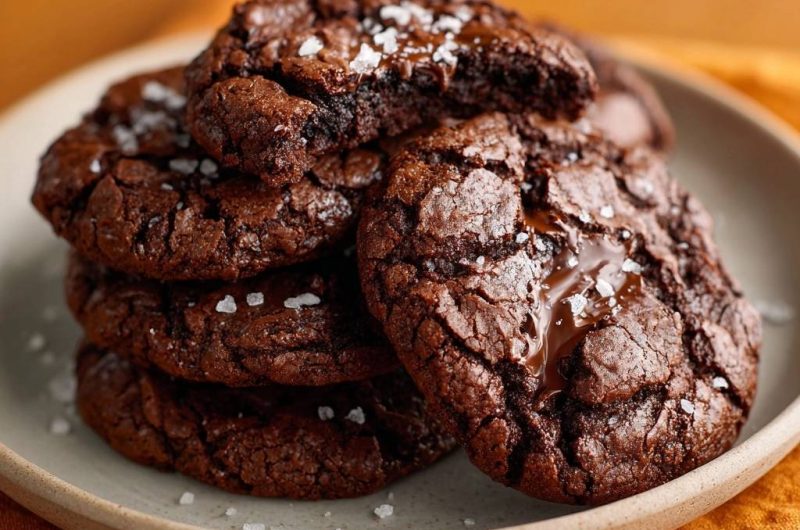
Sea Salt Chocolate Cookies
Course: DessertCuisine: AmericanDifficulty: easy18
cookies20
minutes11
minutes60
Minutes180
kcalAmerican
Ingredients
8 ounces dark chocolate, chopped and divided
1/2 cup unsalted butter
1 cup granulated sugar
2 large eggs
1 teaspoon vanilla extract
1/2 cup all-purpose flour
1/4 cup cocoa powder
1/2 teaspoon baking powder
1/4 teaspoon salt
Flaky sea salt for sprinkling
Directions
- Melt 6 ounces chopped chocolate with butter in a heatproof bowl over simmering water or in microwave in 30-second bursts, stirring until smooth. Let cool 5 minutes. This melted base is the key to gooey centers: it infuses every bite with moisture that survives baking, preventing dry cookie fails.
- In a large bowl, beat sugar, eggs, and vanilla on high speed 3 minutes until pale and thick. This whips in air for structure without cakiness.
- Stir cooled chocolate mixture into egg mixture until combined.
- Whisk flour, cocoa, baking powder, and salt together. Fold into wet ingredients just until no streaks remain, then fold in remaining 2 ounces chopped chocolate.
- Cover dough and chill 1 hour. Chilling firms it up to control spread and preserve gooey interiors.
- Preheat oven to 350F. Line baking sheets with parchment. Scoop 2-tablespoon mounds, roll into balls, place 2 inches apart.
- Bake 10 to 11 minutes until tops crack and edges set but centers look soft. Sprinkle immediately with sea salt. Cool on sheet 5 minutes, then transfer to rack. Centers stay gooey for days stored airtight.
Notes
- Chilling the dough is key to control spread and preserve gooey interiors. Centers stay gooey for days when stored airtight.