Homemade hummus always promises that cafe-style creaminess, but it often ends up gritty and disappointing. You’ve scraped the bowl, only to feel those pesky textures ruining the dip. This recipe changes everything with a simple 5-minute towel trick that peels chickpeas effortlessly, delivering silky smooth hummus that rivals any store-bought tub.
Therefore, you get that whipped, airy texture without hours of boiling or fancy equipment. In addition, chickpeas pack plant-based protein and fiber, about 12 grams per serving, making it a nutritious snack that keeps you full. Plus, it’s versatile as a dip, spread, or even a salad topper.
The secret lies in the towel roll. It loosens those stubborn skins through gentle friction, aerating the chickpeas for a fluffier blend. You’ll notice the difference immediately in the food processor, no graininess in sight.
Why Silky Smooth Hummus Transforms Dips
Grainy Hummus Struggles Exposed
Most homemade hummus turns gritty because unpeeled chickpea skins refuse to break down. You blend and blend, but that sand-like texture lingers. Overprocessing makes it pasty, while skimping on spices leaves it bland.
However, this method yields an airy, whipped result. Imagine the velvety mouthfeel that scoops perfectly onto pita. Readers always rave about ditching the grit for good.
Chickpea Skins: The Smoothness Barrier
Chickpea skins contain tough cellulose that traps grit during blending. They don’t puree easily, creating a rough texture no matter how long you process.
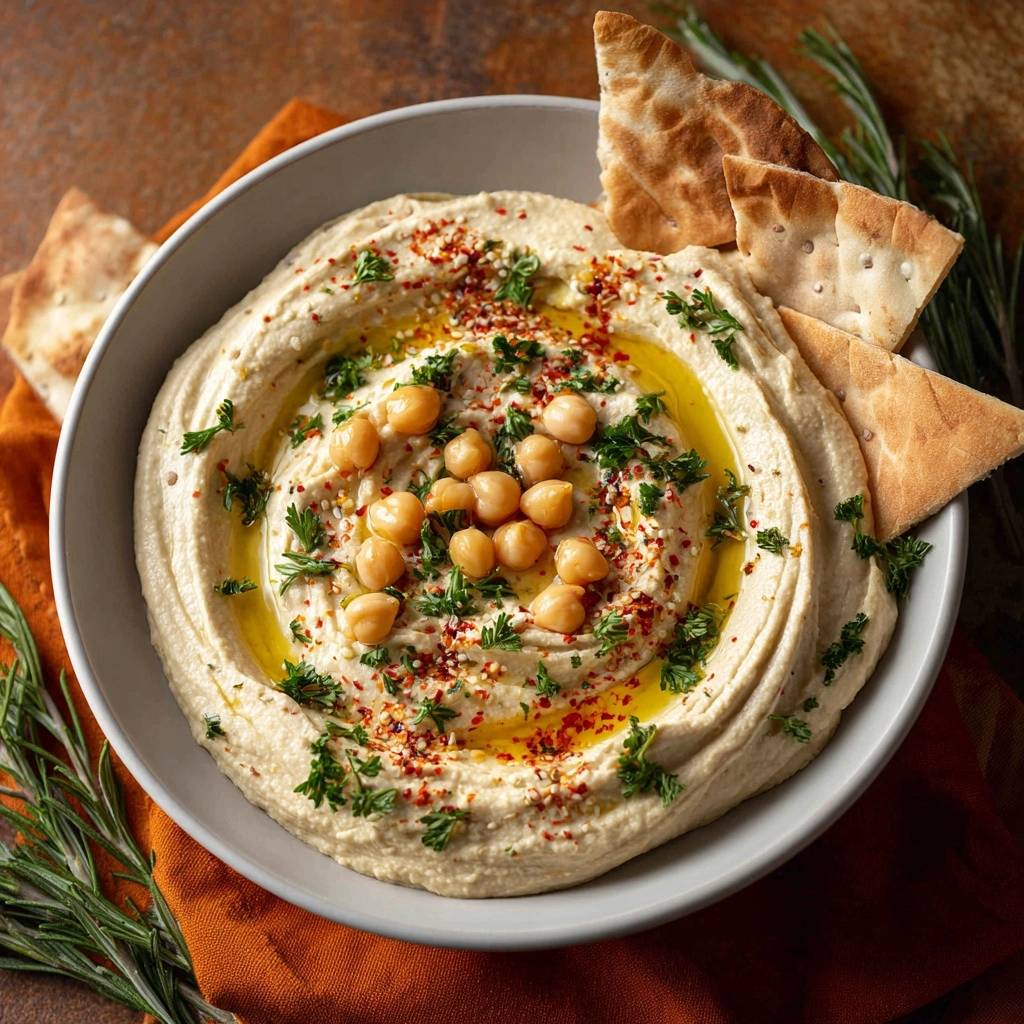
Peeling removes 90% of that barrier, per texture comparisons. Commercial brands use industrial peelers for the same reason. Therefore, your home version matches their smoothness effortlessly.
Key Ingredients for Silky Smooth Hummus
Chickpeas and Aquafaba Roles
Canned chickpeas save time since you skip cooking. Drain and rinse them well to cut sodium. Reserve 1/4 cup aquafaba, that liquid gold, which emulsifies like egg whites in mayo for fluffiness.
Choose low-sodium cans to avoid bitterness. If using dried, soak and cook 1.5 cups dry to yield two cans’ worth. However, peeling post-cook takes longer, so cans win for speed.
Tahini, Lemon, and Spice Balance
Tahini brings nutty sesame richness that anchors the dip. Fresh lemon juice adds bright acidity to cut through it perfectly. Garlic, cumin, and salt create that addictive synergy.
Olive oil emulsifies everything smoothly. Always use fresh lemon over bottled; it delivers punchier flavor without preservatives. In addition, start with room-temp ingredients for better blending.
Garnish Elements for Visual Appeal
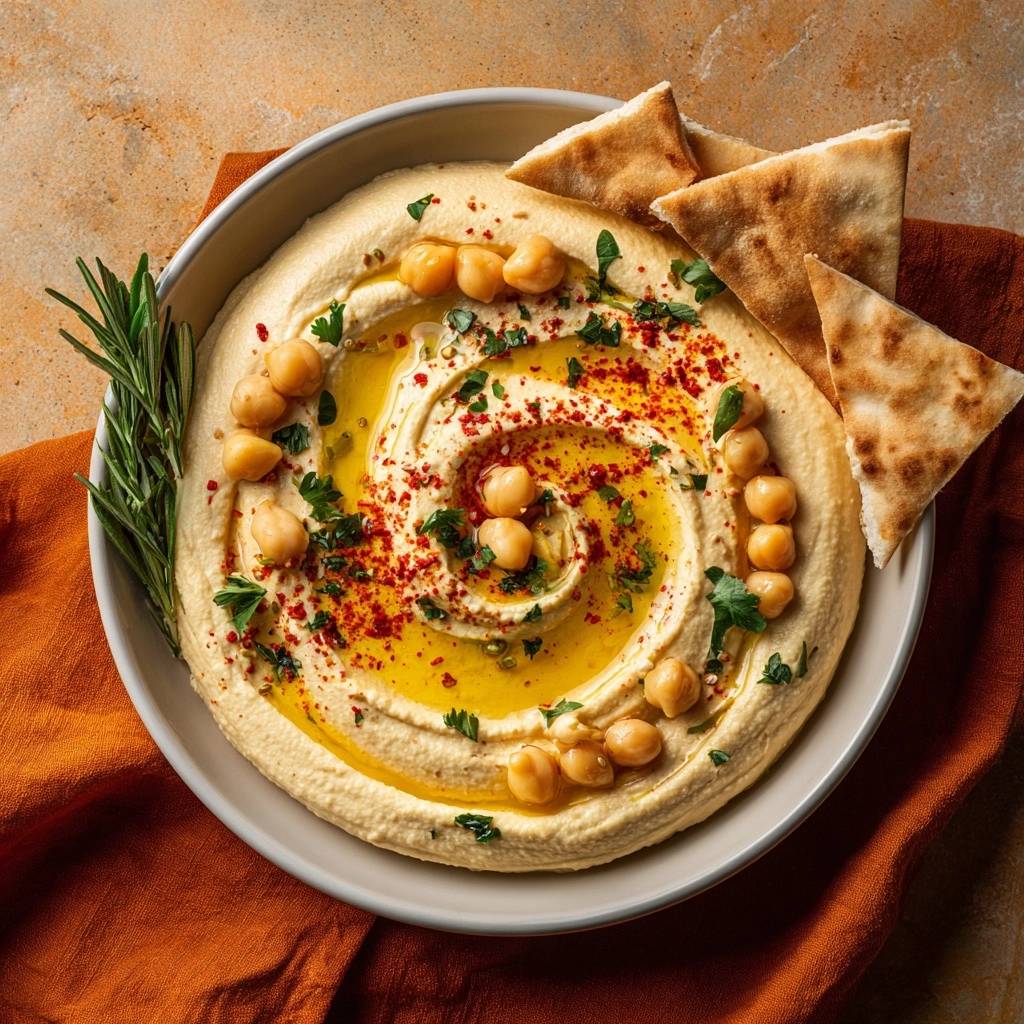
Whole chickpeas add pop of texture against the silkiness. Paprika sprinkles earthy warmth, while chopped parsley brings fresh green vibrancy. A rosemary sprig releases subtle pine notes.
These turn basic hummus restaurant-worthy. Source fresh herbs from your market for max aroma. Therefore, every scoop impresses visually and taste-wise.
Towel Trick: Peel Chickpeas Effortlessly
Step-by-Step Peeling Process
Drain and rinse two 15-ounce cans of chickpeas. Dump them into a clean kitchen towel on your counter. Gather the edges and gently roll back and forth for 3-5 minutes.
Skins slip off easily; discard them as you go. This aerates the chickpeas, making them fluffier than boiling ever could. You’ll smell a subtle sweetness emerging.
Pro tip: Don’t rush the roll. Gentle pressure works best, and you’ll peel nearly all skins without hand-picking. Therefore, blending becomes a breeze.
Science of Friction Peeling
The towel’s friction mimics industrial peelers, loosening pectin bonds in the skins. No waterlogging means chickpeas keep their starch for creaminess.
This cuts processing time by half compared to boiling. In addition, it preserves natural flavors better. Result? Ultra-smooth puree every time.
Blending Silky Smooth Hummus Perfectly
Food Processor Power Sequence
Add peeled chickpeas first to the food processor. Then layer in 1/4 cup tahini, 2 minced garlic cloves, 1/4 cup lemon juice, reserved aquafaba, 3 tablespoons olive oil, 1/2 teaspoon salt, and cumin.
Process on high for 2-3 minutes. Scrape sides often. If it’s thick, add 1-2 tablespoons cold water for creaminess.
Avoid motor strain by pulsing briefly at first. Therefore, you build emulsion gradually without overheating.
Achieving Whipped Butter Texture
Aquafaba and olive oil bind like in vinaigrette, creating stable fluff. Use room-temp items to prevent seizing.
Texture evolves from chunky to ribbons, then whipped butter-smooth in minutes. Overprocess, and it turns gummy, so stop at fluffy peaks.
Pro tip: Taste midway and adjust salt or lemon. This ensures perfect balance before final whirl.
Plating and Serving Silky Smooth Hummus
Swirl Technique for Elegance
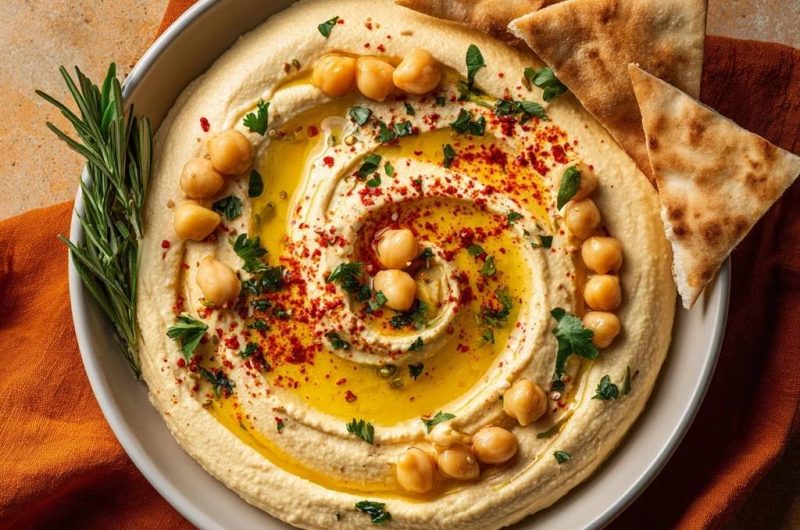
Spoon hummus into a shallow bowl. Use the back of a spoon to create loose swirls on top. Drizzle olive oil so it pools in the dips.
Scatter whole chickpeas, paprika, and parsley. Add a rosemary sprig for aroma. Visuals make it irresistible, boosting that first bite’s appeal.
Ideal Pita Pairing Basics
Warm pita triangles with crisp edges scoop the creamiest hummus. Toast them lightly in a skillet for extra crunch.
Try veggie sticks like carrots or cucumbers too. They contrast the silkiness perfectly. Therefore, every dip delights.
Silky Smooth Hummus Flavor Variations
Roasted Garlic Upgrade
Swap raw garlic for 6-8 roasted cloves. They bring sweet, mellow depth without bite. Blend the same way, but expect richer yield.
Pair with roasted veggies for a smoky match. In addition, it mellows acidity slightly, so taste lemon levels.
Beet or Herb Infusions
Blend in 1/2 cup pureed beets for vibrant pink color and earthy nitrates. Swap parsley for cilantro or basil for herbal twists.
Increase lemon by 1 tablespoon to balance sweetness. These store a day less due to moisture. However, flavors pop even more.
Avoiding Pitfalls in Silky Smooth Hummus
Grainy Results Fixes
Unpeeled skins cause most grit, so double-check the towel step. Insufficient processing leaves lumps; go full 3 minutes.
Warm ingredients seize emulsion, turning it grainy. Quick fix: ice bath for cooling, then re-blend. Therefore, smoothness returns fast.
Flavor Imbalance Corrections
Too tangy? Stir in extra tahini. Bitter garlic? Rinse and soak cloves first.
Add salt last to sharpen flavors without dulling. Taste after 1 minute blending, then adjust progressively.
Storage Guide for Silky Smooth Hummus
Fridge Life and Refreshing
Store in an airtight container up to 5 days. Drizzle oil on top to prevent drying and oxidation.
Refresh by stirring in lemon juice; let it soften at room temp. Discard if it smells off or molds.
Freezing and Thawing Tips
Portion into ice cube trays for freezing; it lasts 3 months. Thaw overnight in fridge, then blend with aquafaba for fresh texture.
Texture holds well, unlike watery dips. Pro tip: label portions for easy grabs.
Pairings Elevating Silky Smooth Hummus
Vegetable and Bread Matches
Cucumber and carrot sticks bring crunch against the cream. Grilled flatbreads hold more dip than plain pita.
Neutral bases let hummus shine. Therefore, freshness amplifies every bite.
Meal Integration Ideas
Spread on sandwiches for moisture without sogginess. Thin with water for salad dressing.
Mix into breakfast bowls with eggs or grains. It boosts protein seamlessly.
Silky Smooth Hummus FAQ
Can I Use Dried Chickpeas?
Yes, soak 1.5 cups dry overnight, then cook until tender, about 1-1.5 hours. Drain, cool slightly, and peel using the towel trick. It yields two cans’ worth, but adds 2 hours total time versus canned convenience.
Food Processor Alternatives?
A high-speed blender works; pause to scrape and add liquid gradually. Immersion blender needs more liquid and a wide bowl. Stick to powerful motors for true silkiness without grit.
Tahini-Free Version Possible?
Try Greek yogurt or peanut butter for creaminess, but you’ll miss sesame authenticity. Increase olive oil by 1 tablespoon to compensate. Texture stays smooth, flavor shifts nuttier.
Why Reserve Aquafaba?
It acts as a vegan thickener and emulsifier, mimicking egg whites for fluff. Water subs work but yield less airy results. Always reserve it; it’s the fluff secret.
How Long Does It Last?
Up to 5 days in the fridge airtight. Watch for off smells or separation. Scale batches smaller for peak freshness.
Silky Smooth Hummus
Course: AppetizerCuisine: MediterraneanDifficulty: easy4
4 cups10
minutes10
Minutes150
kcalMediterranean
Ingredients
2 (15-ounce) cans chickpeas, drained and rinsed (reserve 1/4 cup aquafaba liquid)
1/4 cup tahini
2 garlic cloves, minced
1/4 cup fresh lemon juice
1/4 cup reserved aquafaba (chickpea liquid)
3 tablespoons olive oil, plus extra for drizzling
1/2 teaspoon salt
1/2 teaspoon ground cumin
For garnish:
1/4 cup whole chickpeas (from cans)
1 teaspoon paprika
2 tablespoons chopped fresh parsley
1 rosemary sprig
Pita bread triangles, for serving
Directions
- Drain and rinse chickpeas. Place them in a clean kitchen towel on the counter. Gather the towel edges and gently roll chickpeas back and forth for 3-5 minutes. Most skins will slip off easily discard skins. This towel trick is the game-changer for no-grainy hummus it aerates and smooths the texture without hours of boiling.
- In a food processor, combine peeled chickpeas, tahini, garlic, lemon juice, aquafaba, olive oil, salt, and cumin. Process on high for 2-3 minutes, scraping down sides as needed, until ultra-smooth and fluffy like whipped butter. Add 1-2 tablespoons cold water if needed for creaminess.
- Spoon hummus into a shallow bowl. Use a spoon to create swirls on top. Drizzle with olive oil, scatter whole chickpeas, sprinkle paprika and chopped parsley, and add rosemary sprig.
- Serve immediately with pita bread triangles. Stores in fridge up to 5 days.
Notes
- The towel trick aerates and smooths the texture without hours of boiling. Stores in fridge up to 5 days.