Why Snickerdoodle Cookies Captivate Bakers
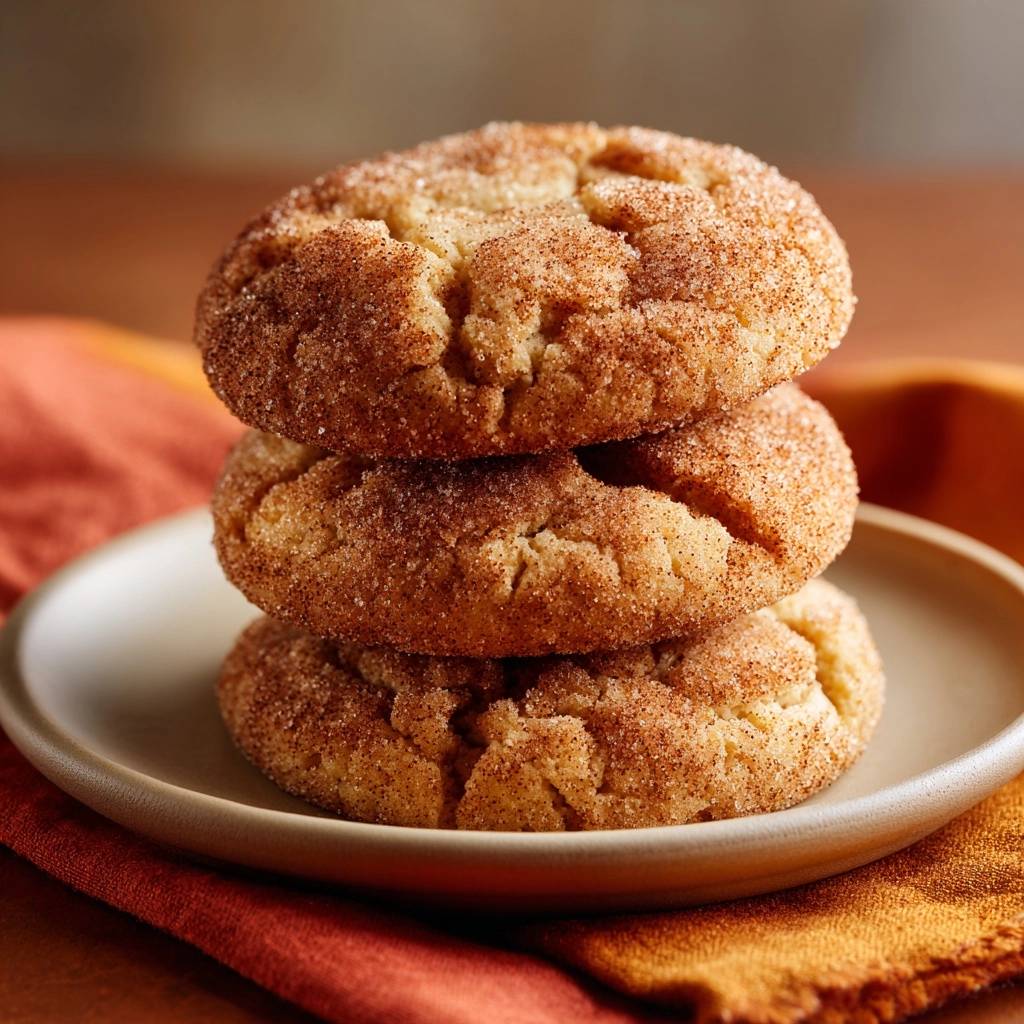
Picture this: you’ve baked snickerdoodle cookies before, only to pull out thin, crispy disappointments that spread across the sheet. But these snickerdoodle cookies? They rise tall with crinkly tops and chewy centers that make your kitchen smell like cinnamon heaven. No more flat failures, thanks to a simple chill-first trick that home bakers swear by.
So why do snickerdoodle cookies hook us every time? That tangy bite from cream of tartar pairs with warm cinnamon sugar, creating an addictive contrast. Bakers love them because they’re forgiving yet impressive, turning basic pantry staples into bakery-worthy treats. You’ll see why this method delivers thick results that stay soft for days.
Here’s the expertise kicker: chilling the dough firms up the butter so it doesn’t melt too fast in the oven. That one step locks in domed shapes and prevents spreading. Get ready for the full breakdown on how to nail snickerdoodle cookies yourself.
Key Ingredients for Flawless Snickerdoodle Cookies
Start with 1 cup unsalted butter, softened to room temperature. It creams perfectly with sugar, trapping air for a tender crumb in your snickerdoodle cookies. Skip salted butter, or you’ll throw off the balance with extra sodium.
Next, 1 1/2 cups granulated sugar sweetens without excess chew, while 2 large eggs add moisture and structure. Use room-temp eggs so they blend smoothly into the snickerdoodle dough, avoiding curdling.
The dry team shines: 2 3/4 cups all-purpose flour provides just-right gluten for chew. Then 2 teaspoons cream of tartar gives that signature tang and lift, 1 teaspoon baking soda reacts for rise, and 1/4 teaspoon salt sharpens flavors. For rolling, mix 3 tablespoons sugar with 3 teaspoons ground cinnamon, ensuring those iconic crinkles on snickerdoodle cookies.
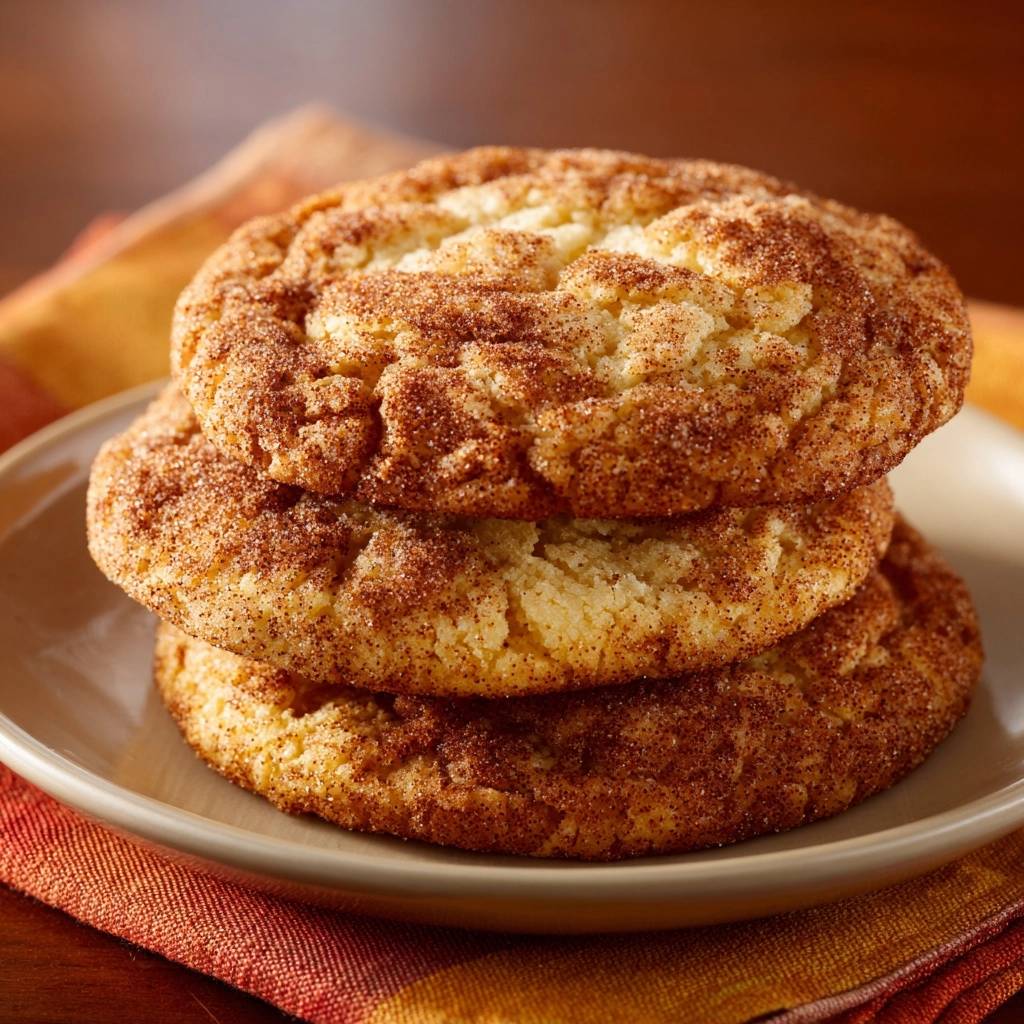
These ratios keep snickerdoodle dough from spreading thin. Fresh cinnamon packs more punch, so grind it if you can. No fancy swaps needed, but measure flour by spooning and leveling to avoid dense results.
Butter and Sugar Base Explained
Cream 1 cup softened butter with 1 1/2 cups sugar for 2 minutes until light and fluffy. This beats in air bubbles that expand in the oven, giving snickerdoodle cookies their soft interior. Without it, you’ll get flat, tough bites.
Watch for the mixture to turn pale and voluminous. That’s your cue the snickerdoodle dough base is ready for eggs.
Dry Mix: Cream of Tartar Magic
Cream of tartar reacts with baking soda right at bake time, creating lift without early deflation. It stops snickerdoodle cookies from spreading flat, unlike baking powder which acts too soon.
That tang cuts through sweetness too. No substitute matches it perfectly for domed snickerdoodle cookies.
Science of Thick Snickerdoodle Cookies
Chilling snickerdoodle dough changes everything. Cold butter solidifies, resisting the oven’s heat so cookies hold shape instead of pooling. Without it, fats melt fast, causing thin spreads.
Cream of tartar and soda create CO2 gas during baking, puffing up the centers for crinkles. Therefore, timing matters: chill first, bake precise. Flat cookies happen when dough’s too warm or overmixed, developing excess gluten.
Imagine the dough balls firming in the fridge, fats crystallizing for structure. At 350°F, they dome up beautifully. This science turns basic snickerdoodle cookies into thick perfection every batch.
Chilling: The Spreading Preventer
A 2-hour chill firms butter for chewy snickerdoodle cookies, but overnight deepens flavors and tightens structure even more. Shorter chills work in a pinch, yet longer yields better fat crystallization.
Always cover tightly to prevent drying. Your patience pays off in taller treats.
Chemical Leavening Breakdown
Cream of tartar (acid) meets soda (base) in the oven’s heat, releasing gas for crinkly tops without collapse. This delayed reaction keeps snickerdoodle cookies puffy, not deflated.
Balance is key; too much soda tastes soapy. Stick to the recipe for flawless lift.
Equipment Choices for Snickerdoodle Success
Grab a stand mixer or hand mixer for even creaming in snickerdoodle cookies. Parchment-lined baking sheets ensure crisp edges without sticking. A 1 1/2-tablespoon cookie scoop creates uniform balls for even baking.
Skip silicone mats; they trap moisture, leading to soft bottoms. Parchment lets heat circulate perfectly for that ideal snickerdoodle cookie texture. No need for extras, just basics done right.
Preheat your oven accurately too. A thermometer checks spots for consistency across batches of snickerdoodle cookies.
Mixing Tools That Elevate Dough
Use the paddle attachment for snickerdoodle cookies; it creams butter without over-aerating like a whisk. Hand mixers work fine, but paddle evenly distributes ingredients.
Avoid wooden spoons here; they can’t incorporate air as well for fluffy snickerdoodle dough.
Step-by-Step: Crafting Snickerdoodle Cookie Dough
Beat softened butter and 1 1/2 cups sugar until fluffy, about 2 minutes. Add eggs one at a time, mixing well each time. The batter lightens and smells sweet, signaling readiness.
Whisk dry ingredients separately: flour, cream of tartar, soda, salt. Gradually add to wet, mixing just until combined. Stop here to keep snickerdoodle dough tender; overmixing toughens it.
Creaming Butter for Airy Texture
Cream on medium speed 2 minutes until pale and fluffy. Scrape sides often. You’ll see volume double, perfect for light snickerdoodle dough.
If it’s grainy, soften butter more next time. This step sets up chewiness.
Chilling and Shaping Snickerdoodle Cookies
Cover dough tightly and chill 2 hours or overnight. It firms up, ready for scooping. Preheat oven to 350°F and line sheets with parchment.
Mix cinnamon sugar. Scoop 1 1/2-tablespoon balls, roll generously in mixture. Place 2 inches apart; they’ll spread a bit but hold shape for crinkly snickerdoodle cookies.
Perfect Rolling Technique
Press dough balls lightly into cinnamon sugar for even coating. Full coverage ensures uniform crinkles on snickerdoodle cookies. Roll quickly to keep dough cold.
Generous sugar creates that sparkly, cracked top everyone loves.
Baking Snickerdoodle Cookies to Crinkle Perfection
Bake at 350°F for 9 to 11 minutes. Edges set firm while centers stay soft, tops cracking beautifully. Cool on sheet 5 minutes; they firm up without breaking.
Transfer to rack. Yields about 24 thick snickerdoodle cookies. Perfect chew awaits.
Timing for Chewy Centers
Pull at 9 minutes if edges are golden, centers pale. Ovens vary, so check early. Overbaking dries snickerdoodle cookies; underbaking keeps them gooey.
Rotate sheets midway for even bake.
Avoiding Flat Snickerdoodle Cookie Pitfalls
Overmixing develops gluten, making snickerdoodle cookies tough. Mix dry in gradually and stop when streaks vanish. Warm dough spreads thin, so always chill fully.
Inaccurate flour packs too much, deflating rise. Spoon into cup and level. Room-temp eggs prevent separation too.
Common fixes: weigh ingredients for precision, calibrate oven, chill longer. These tweaks guarantee thick snickerdoodle cookies.
Overmixing and Dough Warnings
Gluten forms fast in snickerdoodle cookies dough. Mix minimally after flour addition. It should look shaggy at first, then just combined.
Tough cookies? Cut mixing time next batch.
Oven and Measurement Fixes
Use a scale for flour; 2 3/4 cups is about 360g. Test oven temp. These ensure consistent snickerdoodle cookies.
Hot spots cause uneven spread; rotate pans.
Flavor Twists on Classic Snickerdoodle Cookies
Swap half the granulated sugar for brown sugar; it adds moisture for extra chew in snickerdoodle cookies. Keep chilling to maintain thickness.
Add 1 teaspoon vanilla for depth, or grate lemon zest for brightness. A pinch of nutmeg boosts cinnamon warmth without overpowering.
Pumpkin spice blend works for fall twists. Always test small batches to nail ratios for perfect snickerdoodle cookies.
Brown Sugar Upgrade
Brown sugar’s molasses amps chewiness in snickerdoodle cookies. Use 3/4 cup each white and brown. Dough darkens slightly, but texture improves.
Chill longer if it softens too much.
Storing and Freezing Snickerdoodle Cookies
Store cooled snickerdoodle cookies in an airtight container at room temp up to 3 days. They stay chewy; add a slice of bread to maintain softness.
Freeze baked cookies up to 2 months in freezer bags. Thaw at room temp. Dough balls freeze 3 months; roll in sugar, bake from frozen, add 1-2 minutes.
Revive day-olds in 300°F oven 3 minutes for crisp edges.
Pairing Ideas for Snickerdoodle Cookies
Black coffee cuts the sweetness of snickerdoodle cookies perfectly. Hot tea with lemon echoes the tang too.
Make ice cream sandwiches for decadence. They’re great for picnics or holiday gifts alongside sparkling apple cider.
Snickerdoodle Cookies: Common Questions
Can I Skip the Chill Step?
No, don’t skip chilling snickerdoodle cookies dough. It prevents spreading by firming butter; without it, cookies go flat and greasy. Extra flour helps a bit but ruins chew. Chill 2 hours minimum for thick results.
Why Use Cream of Tartar?
Cream of tartar provides acid for lift and tang in snickerdoodle cookies, reacting with soda at bake time for crinkles. Baking powder substitutes weakly, causing early rise and flatness. It’s essential for domed, chewy texture.
How to Fix Runny Dough?
If snickerdoodle dough is runny, chill longer or add 2 tablespoons flour. Warm butter or humid kitchens cause this; measure precisely next time. It firms up beautifully after extra fridge time.
Gluten-Free Snickerdoodle Options?
Yes, swap all-purpose flour 1:1 with gluten-free blend containing xanthan gum. Chill extra to compensate for less structure. They’ll bake up thick and chewy like classic snickerdoodle cookies.
Batch Size Adjustments?
Halve easily for 12 cookies; double works but chill in batches to avoid warming. Don’t scale leaveners oddly, or rise fails. Weigh ingredients for perfect snickerdoodle cookies every time.
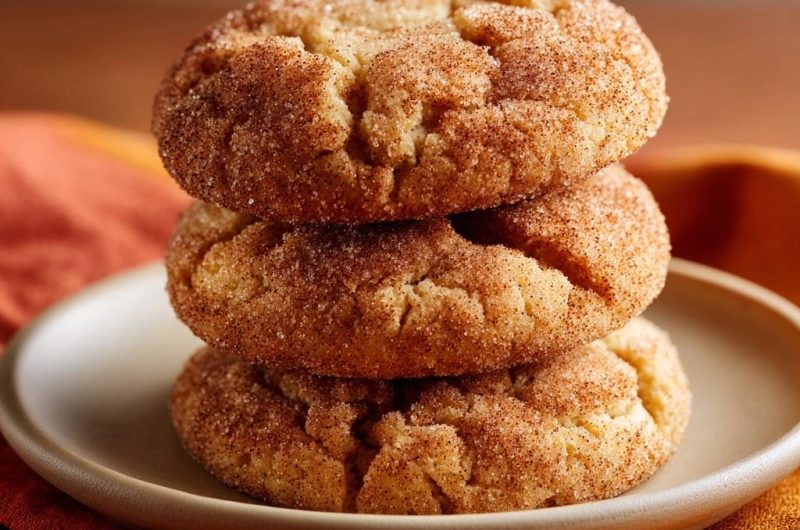
Snickerdoodle Cookies
Course: DessertCuisine: AmericanDifficulty: easy24
cookies20
minutes10
minutes120
Minutes150
kcalAmerican
Ingredients
1 cup unsalted butter, softened
1 1/2 cups granulated sugar
2 large eggs
2 3/4 cups all-purpose flour
2 teaspoons cream of tartar
1 teaspoon baking soda
1/4 teaspoon salt
3 tablespoons granulated sugar
3 teaspoons ground cinnamon
Directions
- In a large bowl, beat softened butter and 1 1/2 cups sugar until light and fluffy, about 2 minutes. Add eggs one at a time, beating well after each.
- In a separate bowl, whisk flour, cream of tartar, baking soda, and salt. Gradually mix dry ingredients into wet until just combined. Do not overmix.
- Cover dough tightly and chill in the fridge for at least 2 hours (or overnight). This crucial step prevents spreading by firming the butter, ensuring thick, domed cookies that hold their shape.
- Preheat oven to 350°F. Line baking sheets with parchment paper.
- Mix 3 tablespoons sugar and cinnamon in a small bowl. Scoop 1 1/2-tablespoon balls of chilled dough, roll each in cinnamon sugar to coat generously.
- Place balls 2 inches apart on sheets. Bake 9 to 11 minutes until edges are set but centers are still soft and tops crackle. Cool on sheet 5 minutes, then transfer to rack. Enjoy thick, chewy perfection!
Notes
- Chilling the dough for at least 2 hours (or overnight) is crucial to prevent spreading and ensure thick, domed cookies.