Ever bitten into a meatball that’s tough and dry inside, no matter how much you pray it won’t be? You’re not alone. This sticky glazed meatballs recipe fixes that frustration with a simple panade technique. Breadcrumbs soak up milk to lock in juices, so every bite stays moist and tender.
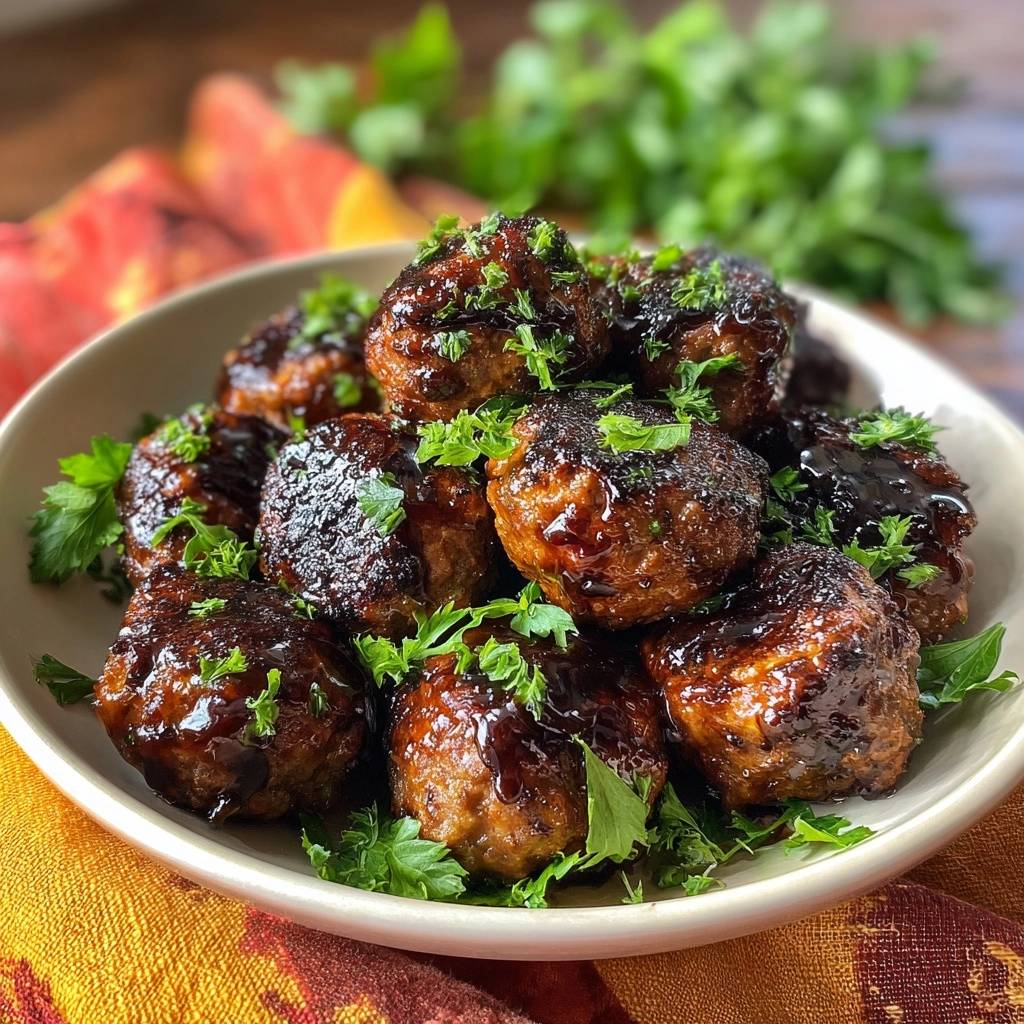
Now, picture the contrast: a seared exterior that gives way to juicy perfection, all coated in a glossy, umami-packed glaze that clings like it means business. That’s the magic for busy weeknights or casual dinners. You get takeout-level flavor without the wait or the bill.
Here’s the pro tip that seals it: let the breadcrumb-milk panade sit exactly 5 minutes. It turns into a paste that binds everything during cooking, preventing that dreaded dryness. Trust me, this one change elevates your sticky glazed meatballs game instantly.
Panade Technique Unlocks Juicy Sticky Glazed Meatballs
Why Breadcrumbs and Milk Prevent Dryness
The panade in this glazed meatballs recipe is your secret weapon. Breadcrumbs absorb milk, and the starch gelatinizes during cooking to trap meat juices inside. Traditional meatballs without it squeeze out moisture when heated, leaving you with dense, dry results.
However, with panade, the mixture swells and holds everything together. You end up with plump, juicy centers even after browning. It’s foolproof for beginners chasing that sticky glazed meatballs perfection.
In addition, this technique mimics pro chefs’ methods. No more sad, crumbly failures. Just pure, moist satisfaction.
Perfect Soak Time for Optimal Texture
Combine breadcrumbs and milk, then wait 5 minutes. That’s when the milk proteins bind to the starch, creating a smooth paste. Rush it, and you get uneven moisture.
Therefore, set a timer. The paste should look thick and gel-like, ready to mix gently into the meat. I’ve tried shorter times, but 5 minutes nails the texture every time.
For swaps, almond milk works fine since it mimics dairy’s binding power. Your sticky glazed meatballs stay tender regardless.
Key Ingredients for Sticky Glazed Meatballs Success
Ground Beef Selection and Fat Ratio
Grab 80/20 ground beef for these sticky glazed meatballs. The 20% fat keeps things juicy while searing, and it carries the glaze’s flavors beautifully. Leaner meat dries out fast.
Grass-fed beef adds a richer taste if you can find it. Conventional works great too, especially on a budget. Either way, chill the meat first for easier handling.
Pro tip: pat it dry before mixing. Excess moisture leads to steaming instead of browning.
Aromatics: Onion and Garlic Foundations
Finely chop a small onion and mince two garlic cloves. This ensures even distribution in every meatball without big chunks that disrupt texture. Grating works if you want it finer.
However, don’t sauté them ahead unless you’re short on time. Raw mixes in release moisture slowly, boosting juiciness. Your sticky glazed meatballs gain deep, savory depth this way.
In addition, fresh aromatics beat jarred every time. The sharp bite mellows perfectly in the glaze.
Glaze Components: Honey-Soy Balance
Mix 1 tablespoon soy sauce, 1/4 cup honey, 2 tablespoons rice vinegar, 1 teaspoon grated ginger, 2 tablespoons water, and 2 tablespoons cornstarch for the glaze. Honey provides sticky sweetness that clings, while soy delivers umami punch.
Rice vinegar cuts the richness with tang, and cornstarch thickens it to glossy perfection. Whisk smooth first to avoid lumps. Taste as you simmer; add a pinch more honey if needed.
Therefore, this balance makes sticky glazed meatballs irresistible. The glaze reduces to coat every nook, turning simple meatballs into a crave-worthy dish.
Science of Juicy Meatballs in Sticky Glaze
Panade Gelatinization During Cooking
Heat activates the panade’s starch, which gelatinizes and forms a gel that traps juices. Meanwhile, the exterior hits the Maillard reaction for nutty browning. Inside stays at 160°F for safety without drying.
Therefore, brown for 8 minutes total, turning often. The panade protects the core, so you get crusty outsides and succulent middles in your sticky glazed meatballs.
Monitor with a thermometer if unsure. Pull at 155°F; carryover heat finishes it juicy.
Glaze Thickening: Cornstarch Magic
Cornstarch slurry thickens via starch granules swelling in hot liquid. Whisk it smooth, or lumps form. Rice vinegar’s acidity stabilizes it for even cling.
Pour over browned meatballs and simmer 5-7 minutes. Bubbles slow, and the glaze turns shiny and sticky. Perfect for coating sticky glazed meatballs.
Pro tip: if it thickens too fast, swirl in water. This keeps the sauce velvety.
Forming Sticky Glazed Meatballs Without Overmixing
Gentle Mixing to Preserve Tenderness
Add soaked panade last to the beef, egg, onion, garlic, soy, salt, and pepper. Use your hands or a fork to combine just until blended. Overmixing develops gluten for tough bites.
Form 1-inch balls, about 1 tablespoon each. Wet hands prevent sticking. Uniform size ensures even cooking in sticky glazed meatballs.
Signs of overmixing? Sticky, dense mixture. Fix by adding a bit more panade next time.
Chilling Before Searing Benefits
Pop formed meatballs in the fridge for 15 minutes. They hold shape better and sear cleanly without falling apart. Skipping this works, but chilling boosts success.
Therefore, use this step for crowds. It firms the fat, preventing greasy skillets. Texture stays tender inside.
Browning Phase for Flavorful Sticky Glazed Meatballs
Skillet Heat and Oil Choices
Heat 1 tablespoon neutral oil like avocado over medium. High heat burns the sugars early. Brown 8 minutes, turning every 2 minutes for even crust.
This timeline gets golden outsides without drying. Avocado oil’s smoke point handles it best. Your sticky glazed meatballs gain smoky depth here.
In addition, don’t crowd the pan. Batch if needed for proper searing.
Maillard Browning Without Drying
Panade shields the interior as proteins brown on the surface. Aim for deep color in 8 minutes. Inside hits juicy doneness thanks to trapped moisture.
Therefore, resist poking too much. A quick internal check at 155°F confirms perfection for sticky glazed meatballs.
Building the Irresistible Sticky Glaze Coat
Whisking Glaze for Smooth Application
Whisk glaze ingredients until cornstarch dissolves. Pour over hot browned meatballs. Stir gently every minute as it simmers 5-7 minutes.
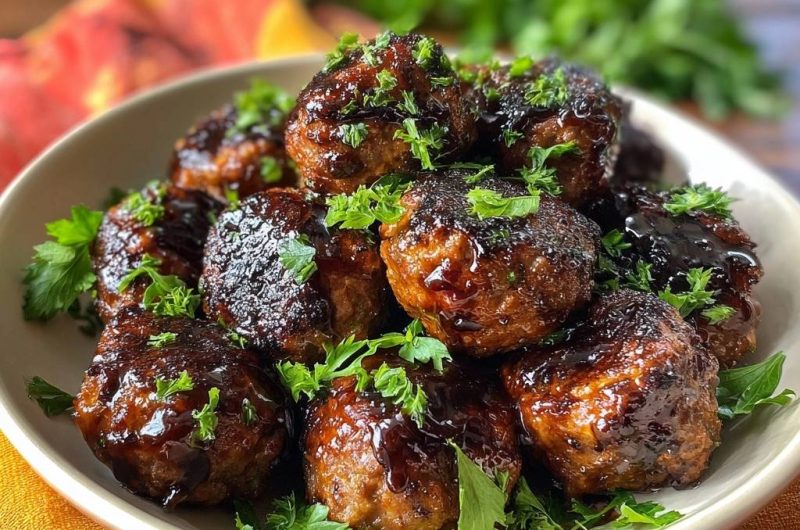
The sauce bubbles, thickens, and clings. Every meatball gets an even, glossy coat. Heaven for sticky glazed meatballs lovers.
Pro tip: tilt the pan to pool sauce for full coverage.
Thickness Test and Garnish Finish
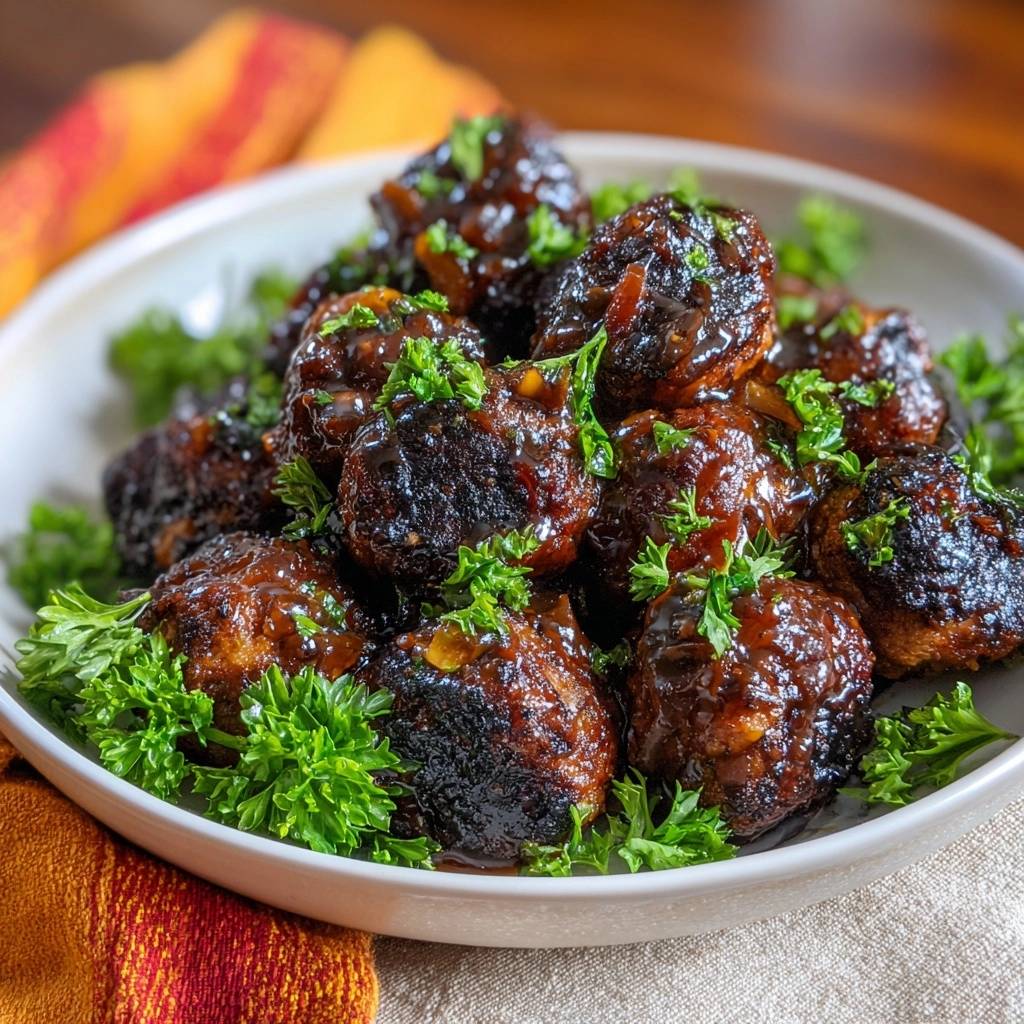
Test doneness when glaze coats a spoon thickly without running. Off heat, sprinkle chopped parsley. Fine chops add fresh pop without wilting.
Rest 2 minutes for flavors to meld. Parsley balances the rich sticky glaze on meatballs.
Avoiding Pitfalls in Sticky Glazed Meatballs
Overmixing Leads to Tough Bites
Newbies overmix for “evenness,” but it toughens meat. Stop when just combined. If tough, up panade to 3/4 cup next batch.
Visual cue: meat looks uniform, not pasty. This keeps sticky glazed meatballs melt-in-your-mouth tender.
Glaze Separation Troubleshooting
Runny glaze? Simmer longer or re-slurry with cornstarch-water mix. Too much heat breaks emulsion; lower it next time.
Therefore, whisk constantly at first. Fixes restore that perfect sticky cling.
Flavor Twists on Sticky Glazed Meatballs
Sesame-Chili Heat Variation
Stir 1 teaspoon sriracha into the glaze for heat. Toast sesame seeds and sprinkle post-simmer for crunch. Balances sweet-sticky with spice.
Gochujang swaps in equally well. Tweak to 1 tablespoon; it deepens umami in sticky glazed meatballs.
Herb-Infused Glaze Options
Mix chopped cilantro or scallions into glaze at the end. Lemon zest adds bright lift without overpowering.
Therefore, these keep the sticky glaze core while freshening flavors. Perfect for summer twists.
Pairing Sides with Sticky Glazed Meatballs
Crispy Rice Bowl Complements
Serve over fried rice or cauliflower rice. The crisp grains soak up glaze drips beautifully. Add peas for color.
Stir-fry veggies like broccoli pair next. They echo the glaze’s savoriness with sticky glazed meatballs.
Fresh Slaw for Balance
Quick cucumber-sesame slaw cuts richness. Shred cucumber, toss with rice vinegar and sesame seeds. Crisp acidity shines.
This duo makes sticky glazed meatballs a full meal. Refreshing contrast every bite.
Storage Guide for Sticky Glazed Meatballs
Make-Ahead and Freezer Prep
Form uncooked meatballs and freeze on a sheet, then bag for 3 months. Thaw overnight, sear, and glaze fresh. Cooked ones store airtight 3-4 days in fridge.
Don’t freeze glazed; sauce sogs. This method keeps sticky glazed meatballs batch-ready.
Reheating Without Sogginess
Oven at 350°F for 10 minutes revives crisp best. Microwave in short bursts with a damp towel. Steam basket restores glaze shine.
Avoid sogginess by spacing meatballs. Juiciness returns fully.
Sticky Glazed Meatballs FAQ
Can I bake instead of skillet-sear?
Yes, bake at 400°F on a parchment-lined sheet for 15-18 minutes, turning halfway. Panade keeps them juicy, but stovetop glaze afterward for best cling. Baking skips oil splatter; searing wins flavor depth. Either delivers sticky glazed meatballs success.
Ground turkey substitution viable?
Absolutely, use 93/7 turkey with extra 1 tablespoon milk in panade for fat match. Add 1 teaspoon oil to skillet. It mimics beef’s juiciness in sticky glazed meatballs perfectly.
How to scale for crowds?
Double ingredients; use two skillets or bake in batches. Form smaller balls for even cooking. Freeze extras uncooked. Feeds 8 easily with pro portioning.
Glaze too sticky—how to thin?
Stir in 1 tablespoon water or broth during last simmer minute. Whisk vigorously. Restores pourable sticky glaze without diluting flavor.
Vegetarian sticky glazed meatballs possible?
Yes, blend 1 cup cooked lentils, 1/2 cup mushrooms, and panade base. Form and cook same way; glaze identical. Mushrooms mimic meat texture via umami and chew. Panade locks moisture for spot-on sticky glazed meatballs vibe.
Sticky Glazed Meatballs
Course: Main CourseCuisine: AmericanDifficulty: easy4
servings15
minutes20
minutes35
Minutes350
kcalAmerican
Ingredients
1 pound ground beef
1/2 cup breadcrumbs
1/4 cup milk
1 egg
1 small onion, finely chopped
2 garlic cloves, minced
2 tablespoons soy sauce
1/4 cup honey
2 tablespoons rice vinegar
1 teaspoon grated ginger
2 tablespoons water
2 tablespoons cornstarch
Salt and pepper to taste
Fresh parsley, chopped for garnish
Oil for cooking
Directions
- Make the panade for juicy meatballs: In a small bowl, combine breadcrumbs and milk. Let sit 5 minutes to absorb and create a paste that locks in moisture during cooking, preventing dryness.
- In a large bowl, mix ground beef, soaked panade, egg, onion, garlic, 1 tablespoon soy sauce, salt, and pepper. Gently combine without overmixing to keep texture tender. Form into 1-inch balls.
- Heat 1 tablespoon oil in a skillet over medium heat. Brown meatballs on all sides, about 8 minutes, turning carefully. This sears the outside while the panade keeps the inside juicy.
- For the glaze: In a small bowl, whisk remaining soy sauce, honey, rice vinegar, ginger, water, and cornstarch until smooth. Pour over meatballs in skillet. Simmer 5-7 minutes, stirring gently, until sauce thickens and coats meatballs glossy.
- Remove from heat. Garnish with chopped parsley. Serve hot for juicy, glazed perfection every time.
Notes
- Use the panade technique to ensure meatballs stay moist. Serve with rice or noodles for a complete meal.