You know that frustration when your Korean beef rice bowl turns out chewy and tough, no matter how careful you are? This sticky Korean beef rice bowl fixes it in just 30 minutes with a velveting marinade that delivers restaurant-quality tenderness. I remember biting into one from a food truck once, and it was pure silk, but home versions always disappointed until this trick.
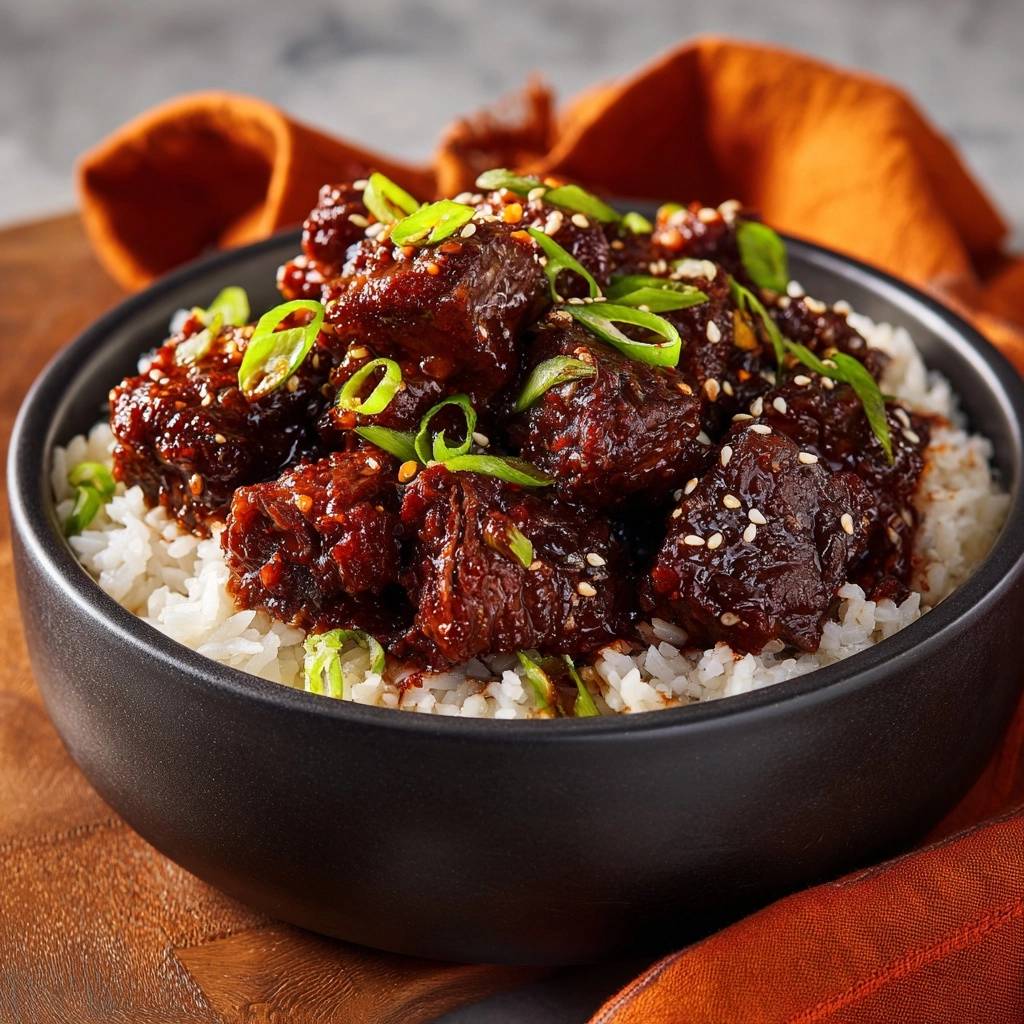
Therefore, the secret lies in cornstarch and baking soda, which break down tough proteins in affordable beef chuck. You’ll get that glossy, sticky sauce clinging to juicy bites over fluffy rice. In addition, it beats takeout every time because you control the freshness.
Here’s the pro tip that proves it works: after the 10-minute marinade, rinse the beef lightly and pat it bone-dry. This removes any soapy taste from the baking soda while keeping the velvety coating intact for melt-in-your-mouth results.
Why Velveting Transforms Sticky Korean Beef Rice Bowl
Velveting tenderizes beef by coating it in cornstarch, which seals in juices during high-heat cooking. Meanwhile, baking soda raises the pH, unraveling protein strands for that silky texture Chinese chefs have mastered for years. However, in this Korean beef rice bowl, it prevents the chewiness that plagues chuck cuts.
Therefore, the combo creates a barrier that locks moisture inside while forming a crisp exterior. You end up with sticky Korean beef that’s juicy, not rubbery. In addition, rinsing after marinating ensures no bitter aftertaste sneaks in.
Beef Chuck: Ideal Cut for Korean Beef Rice Bowls
Beef chuck shines in sticky Korean beef rice bowls thanks to its rich marbling, which melts into savory flavor during searing. It’s affordable and holds up to the bold sauce without drying out. Therefore, cut it into even 1-inch cubes for uniform cooking.
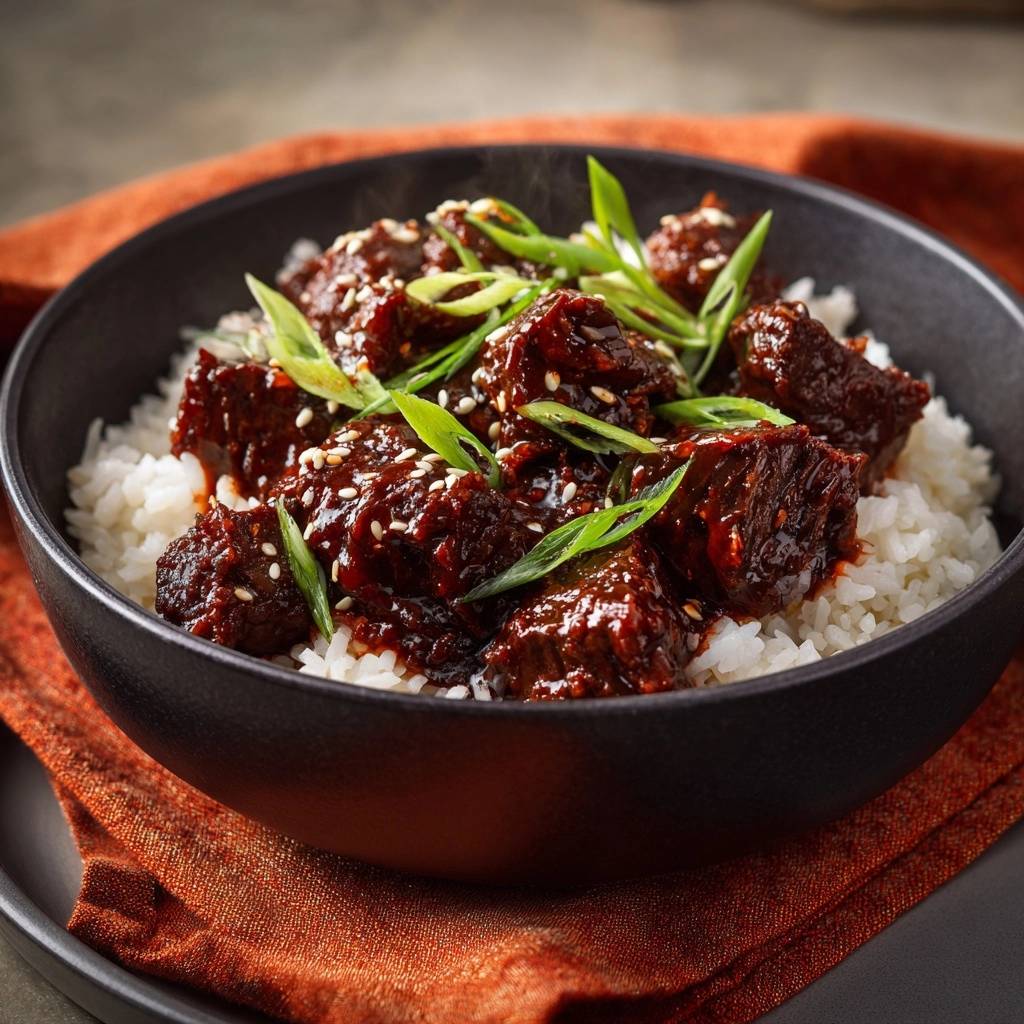
However, flank gets too chewy, and sirloin lacks that beefy depth. Chuck’s fat renders perfectly, making every Korean beef rice bowl bite irresistible.
Cornstarch vs Baking Soda in Marinades
Cornstarch forms a protective gel around the beef, trapping juices as it hits hot oil. Baking soda tenderizes by alkalizing the meat’s surface, softening fibers in just 10 minutes. In addition, the 1 tbsp cornstarch to 1 tsp baking soda ratio is key for balance.
Always rinse and pat dry afterward. This step neutralizes excess soda, avoiding soapy flavors in your sticky Korean beef.
Key Ingredients for Authentic Sticky Korean Beef
For the marinade, 1.5 lbs beef chuck gets tossed with 1 tbsp cornstarch, 1 tsp baking soda, 1 tbsp soy sauce, and 1 tsp sesame oil. These create the velvety base. Meanwhile, the sauce builds from 1/4 cup soy sauce, 3 tbsp gochujang, 2 tbsp brown sugar, and more sesame oil for that sticky, glossy shine.
Therefore, fresh garlic and ginger add punch, while 2 cups cooked white rice soaks up the savory juices. Garnishes like green onions and sesame seeds bring crunch and nuttiness. If you need subs, tamari works for soy sauce, and no gochujang? Try miso with chili flakes.
In addition, grate ginger finely for even distribution, and use fresh garlic to avoid bitterness. This balance of sweet, heat, and savory defines authentic sticky Korean beef rice bowls.
Sauce Builders: Gochujang and Soy Essentials
Gochujang delivers fermented depth and heat that clings to the beef in glossy strands. Soy sauce amps up umami, while brown sugar caramelizes for stickiness. Therefore, sesame oil’s nutty aroma ties it all together in Korean beef rice bowls.
Simmering thickens the mix naturally. These create the sauce that coats every piece perfectly.
Rice and Garnishes for Complete Bowls
White rice’s absorbency soaks up the sticky sauce without getting mushy. Short-grain like sushi rice clings better than long-grain for that classic bowl feel. In addition, sliced green onions add fresh crunch, and sesame seeds bring toasty nuttiness.
Sprinkle them last for maximum texture contrast.
Equipment Choices for Perfect Korean Beef Rice Bowls
A wok or large skillet handles high heat best for searing sticky Korean beef. Carbon steel retains heat better than nonstick, promoting that Maillard crust. Therefore, use tongs to flip beef in a single layer, avoiding steam from crowding.
In addition, no thermometer? Test oil by seeing if it shimmers and smokes lightly at the edges. You don’t need fancy gear for pro results in Korean beef rice bowls.
Mastering the Velveting Marinade Technique
Toss beef cubes with cornstarch, baking soda, 1 tbsp soy sauce, and 1 tsp sesame oil until evenly coated. Let it sit 10 minutes; you’ll see the surface lighten as proteins relax. Therefore, rinse under cool water to wash off excess, then pat very dry with paper towels.
This prevents a soapy taste and ensures crisp searing. However, don’t skip the rest, or the beef stays tough.
Precise Mixing Ratios Explained
Start with 1.5 lbs 1-inch beef cubes in a bowl. Add 1 tbsp cornstarch, 1 tsp baking soda, 1 tbsp soy, and 1 tsp sesame oil. Toss vigorously for even coverage; every piece should glisten.
Cut precisely for tenderness. This ratio velvetizes without overpowering.
Searing for Crispy Sticky Korean Beef Exterior
Heat 2 tbsp vegetable oil in your wok over high until shimmering. Add beef in one layer; sear 2 minutes per side undisturbed for a golden crust. Therefore, this locks in juices while the velveting keeps it tender inside.
Remove beef, then lower heat. Don’t stir early, or you lose that sear in your Korean beef rice bowl.
Oil Temperature and Crust Formation
Aim for 400°F where oil shimmers without smoking heavily; vegetable oil’s high smoke point handles it. This sparks the Maillard reaction for nutty, crispy edges on sticky Korean beef. In addition, pat beef extra dry pre-sear to avoid splatters.
Test by dropping a cube; it should sizzle instantly.
Building Glossy Sauce for Korean Beef Rice Bowls
Add minced garlic and grated ginger to the pan; stir 30 seconds until fragrant and golden. Stir in gochujang, remaining soy sauce, brown sugar, sesame oil, and 1/4 cup water. Simmer 2 minutes; the sauce thickens as sugars reduce.
Therefore, return beef, toss to coat, and simmer 3-4 more minutes until glossy. Taste and adjust sweetness if needed. This creates the sticky magic for Korean beef rice bowls.
Simmer Timing for Sauce Thickness
Bubble for 2 minutes initially to meld flavors and start starch gelatinization from cornstarch residue. Then add beef for 3-4 minutes of tossing. However, watch closely to avoid boiling dry; add a splash of water if it thickens too fast.
The sauce turns shiny and clings perfectly.
Assembling Your Sticky Korean Beef Rice Bowl
Divide 2 cups cooked rice into four bowls. Spoon beef and glossy sauce over top generously. Therefore, finish with sliced green onions and sesame seeds for color and crunch.
Serves four; serve immediately while hot for best texture. The rice absorbs the sauce beautifully.
Avoiding Pitfalls in Sticky Korean Beef Rice Bowls
Tough beef? You likely skipped rinsing or didn’t marinate long enough. Bitter sauce means burnt garlic, so stir aromatics quickly on medium heat. In addition, watery results come from wet beef post-rinse; pat aggressively dry.
Therefore, sear in batches if needed to prevent steaming. Beef is done when sauce clings and it’s tender, not pink.
Fixing Over-Tenderized or Rubbery Beef
Rinse thoroughly under running water for 30 seconds, tasting a piece to check for soda. Pat extra dry with clean towels. However, limit marinating to 10-15 minutes max; longer mushes the meat in sticky Korean beef.
Flavor Twists on Sticky Korean Beef Rice Bowl
Swap brown sugar for pear juice to boost natural sweetness. For less heat, use sriracha instead of full gochujang. Therefore, try tofu or ground turkey for veggie versions, keeping the velveting marinade.
In addition, toss in bell peppers during sauce-building for crunch. These keep the sticky Korean beef core intact.
Pairing Sides with Korean Beef Rice Bowls
Cucumber salad cuts the richness with cool crunch. Kimchi adds tangy fermentation to balance heat. Therefore, steamed broccoli brings earthy green without overpowering.
Iced green tea refreshes, or try sparkling water. These sides make your sticky Korean beef rice bowl a full meal.
Sticky Korean Beef Rice Bowl Storage Guide
Store leftovers in an airtight container in the fridge for up to 3 days. It freezes well for 2 months; portion sauce separately to avoid sogginess. Therefore, reheat in a skillet with a splash of water to restore gloss and tenderness.
For meal prep, rice keeps best separate. Steam it fresh when serving.
Sticky Korean Beef Rice Bowl FAQ
Can I use frozen beef for this recipe?
Thaw beef completely in the fridge first; pat dry to remove excess water. Velveting still works, but moisture dilutes the marinade, so don’t skip patting dry. Therefore, fresh or fully thawed yields the best sticky Korean beef texture.
Substitute for gochujang in Korean beef rice bowls?
Mix 2 tbsp miso paste, 1 tbsp chili flakes, and 1 tsp sugar for similar fermented heat and depth. Adjust chili to taste. In addition, it mimics gochujang’s stickiness when simmered.
How to make sticky Korean beef rice bowl milder?
Halve the gochujang to 1.5 tbsp and add 1 tbsp honey or extra brown sugar for sweetness. This tones down spice while keeping the glossy sauce. Taste during simmering and tweak.
Best rice type for sticky Korean beef bowls?
Jasmine or sushi rice clings to the sauce best due to its sticky texture and absorbency. Cook it slightly underdone for reheating. Therefore, long-grain works but separates more.
Scale up for crowds?
Double ingredients but marinate and sear in batches to maintain high heat and crispiness. Prep sauce separately if needed. In addition, rice scales easily; keep bowls warm in a low oven until serving.
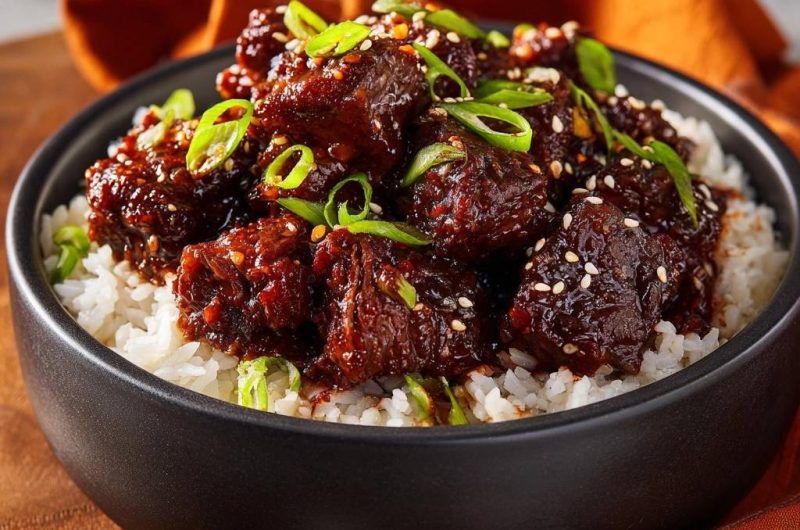
Sticky Korean Beef Rice Bowl
Course: Main CourseCuisine: KoreanDifficulty: easy4
servings20
minutes15
minutes35
Minutes550
kcalKorean
Ingredients
1.5 lbs beef chuck, cut into 1-inch cubes
2 cups cooked white rice
1/4 cup soy sauce
3 tbsp gochujang (Korean chili paste)
2 tbsp brown sugar
2 tbsp sesame oil
1 tbsp cornstarch
1 tsp baking soda
4 garlic cloves, minced
1 tbsp grated ginger
1/4 cup water
4 green onions, sliced
2 tbsp sesame seeds
2 tbsp vegetable oil
Directions
- In a bowl, toss beef cubes with cornstarch, baking soda, 1 tbsp soy sauce, and 1 tsp sesame oil. Mix well and let sit 10 minutes. This velveting trick breaks down proteins for melt-in-your-mouth tenderness, solving tough beef forever. Rinse lightly under water and pat dry.
- Heat vegetable oil in a wok or large skillet over high heat until shimmering. Add beef in a single layer; sear 2 minutes per side without stirring for a crust that locks in juices. Remove beef.
- Lower heat to medium. In same pan, add garlic and ginger; stir 30 seconds until fragrant.
- Stir in gochujang, remaining soy sauce, brown sugar, remaining sesame oil, and water. Simmer 2 minutes until thickened.
- Return beef to pan; toss to coat and simmer 3-4 minutes until sauce is glossy and beef is tender.
- Divide rice into bowls. Top with beef and sauce. Garnish with green onions and sesame seeds. Serve hot.
Notes
- The cornstarch and baking soda velveting trick is key to tender beef. Rinse lightly after marinating to avoid soapy taste.