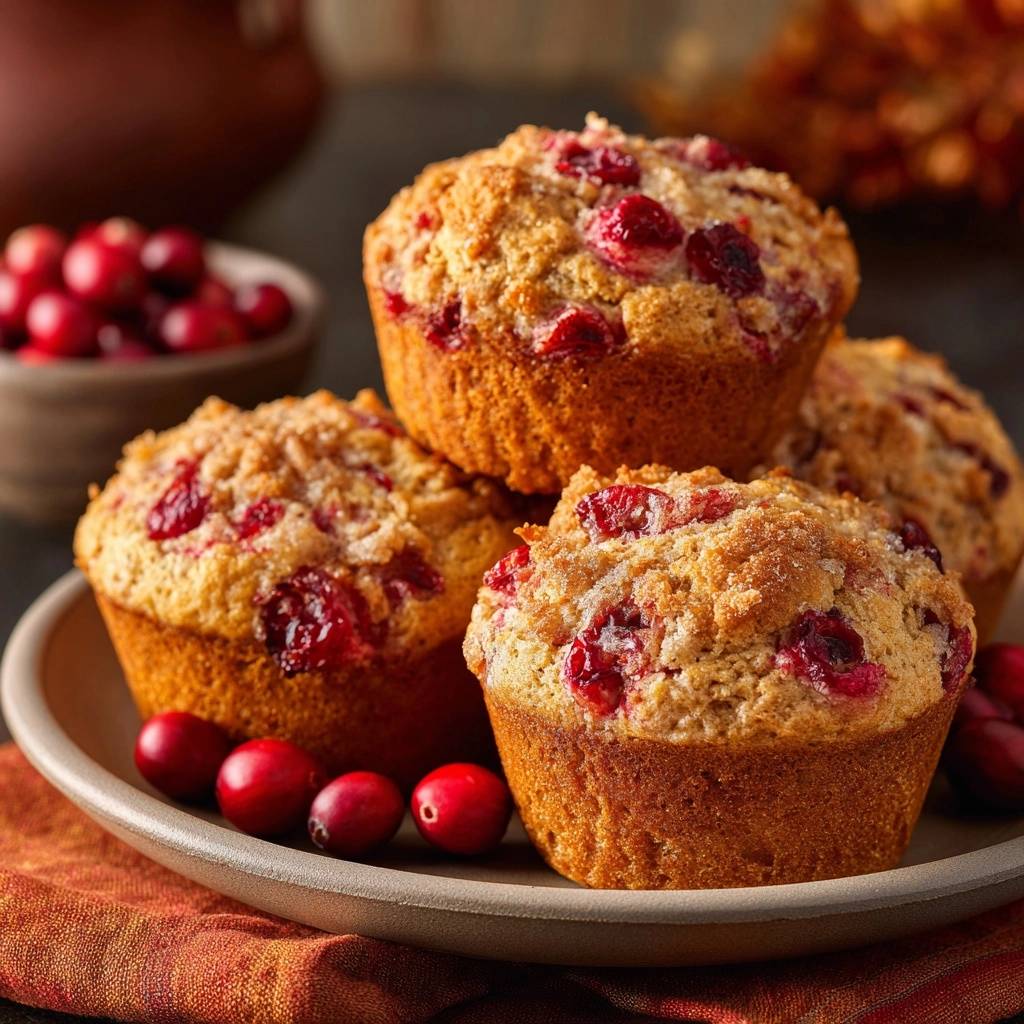
We’ve all been there. You pull a tray of muffins out of the oven, hoping for those majestic, domed tops you see in high-end pastry shops, only to find flat, dense pucks that feel more like lead than cake. It’s frustrating because a great muffin should be an experience of contrasts. You want that first bite to be a crunch of buttery, cinnamon-spiced streusel followed by a light, airy crumb that practically melts away, punctuated by the sharp, bright pop of a tart cranberry.
The difference between a sad, heavy muffin and a professional-grade masterpiece isn’t a secret ingredient or a commercial oven. It’s actually a simple physics trick involving temperature and air. Most home recipes play it safe with a steady, moderate heat, but that’s exactly why they stay flat. To get that sky-high rise, you need to master the “Non-Dense Trick,” which uses a strategic heat transition to force the batter upward before it has a chance to spread.
The real secret to success here is the initial 425°F blast. This intense heat creates a sudden burst of steam within the batter, reacting with the leavening agents to push the muffin top toward the ceiling. By the time you drop the temperature to finish the bake, the structure is already “locked” in place. This ensures your muffins are tall, proud, and incredibly soft inside rather than gummy or sunken.
The Science of the High-Heat Muffin Rise
When you slide your muffin tin into a 425°F oven, you’re initiating a rapid chemical reaction. The high heat causes the baking powder and baking soda to release carbon dioxide at an accelerated rate. Simultaneously, the moisture from the sour cream and milk turns into steam. This double-action pressure forces the batter to expand rapidly upward. Because the edges of the muffin tin heat up first, they set the sides of the muffin, funneling all that expansion into a beautiful, rounded dome.
However, if you kept the oven at that high temperature for the entire bake, the outside would burn before the middle finished cooking. That’s why the immediate drop to 375°F is vital. This lower temperature allows the heat to penetrate the center of the muffin gently. It cooks the crumb through without drying out the exterior or scorching the delicate sugar in the streusel. It’s a delicate balance of power and patience that results in a perfect texture every single time.
Furthermore, this method works best when you fill the muffin cups all the way to the brim. While most recipes tell you to fill them two-thirds full, this bakery-style approach requires more volume. The high heat acts like a scaffold, supporting the batter as it rises above the rim of the pan. This creates that iconic “muffin top” that everyone fights over at the breakfast table.
Why Room Temperature Ingredients Are Non-Negotiable
You might be tempted to grab eggs and sour cream straight from the fridge, but please don’t. Room temperature ingredients are the backbone of a smooth, emulsified batter. When your eggs and dairy are at the same temperature as your melted butter, they whisk together into a creamy, uniform liquid. This allows the fat to distribute evenly throughout the flour, which is the key to a consistent crumb.
If you use cold ingredients, the melted butter will immediately seize and turn into tiny, hard clumps. This leads to an uneven bake where some parts of the muffin are greasy and others are dry and “brick-like.” To speed things up, you can place cold eggs in a bowl of warm water for five minutes and microwave the milk for just a few seconds until the chill is gone.
Essential Components for Cranberry Streusel Muffins
The choice of all-purpose flour is intentional here. While cake flour is great for delicate sponges, these muffins need the slightly higher protein content of all-purpose flour to support the weight of the fresh cranberries and the heavy streusel topping. It provides enough structure to keep the berries from sinking to the bottom while still maintaining a tender mouthfeel. Therefore, avoid the urge to swap in bread flour, which would make these far too chewy.
Sugar also plays a dual role in this recipe. Beyond providing sweetness to balance the tart berries, sugar acts as a tenderizer. It actually interferes with the development of gluten by hogging the moisture in the batter. This prevents the muffins from becoming tough. When combined with the salt and vanilla, the sugar creates a flavor profile that feels sophisticated rather than just sugary.
Using unsalted butter allows you to control the exact amount of seasoning in the dough. Since different brands of salted butter have varying salt levels, starting with unsalted ensures your muffins won’t end up surprisingly salty. The salt in the recipe is just enough to sharpen the flavor of the cinnamon and the brightness of the fruit.
Fresh vs. Frozen Cranberries: Texture and Moisture
Fresh cranberries are the gold standard for this recipe because they hold their shape beautifully during the bake. As they heat up, they soften into “tartness pockets” that burst with juice when you bite into them. This acidity is the perfect foil for the sweet, buttery cake. If you can find them, always opt for the firm, bright red berries found in the produce aisle.
If you must use frozen cranberries, do not thaw them first. Thawing makes them mushy and causes their dark red pigment to bleed, which will turn your entire batch of muffins a muddy purple color. Instead, toss them in a tablespoon of flour while they are still frozen and fold them quickly into the batter. This helps them stay suspended and keeps the batter looking clean and golden.
The Role of Sour Cream in Crumb Moisture
Sour cream is the secret weapon for any baker looking for a moist, rich crumb. It has a much higher fat content than regular milk, which adds a luxurious richness to the muffin. Additionally, the natural acidity in sour cream reacts with the baking soda to create even more lift. This results in a muffin that stays moist for days, unlike milk-only recipes that tend to dry out by the next morning.
Step-by-Step: Mixing for Maximum Aeration
When it’s time to combine your wet and dry ingredients, use the “well method.” Create a large hole in the center of your flour mixture and pour the liquid ingredients right into the middle. This allows you to incorporate the flour from the outside in, which minimizes the amount of stirring required. Remember, the goal is to be as gentle as possible during this stage.
Use a large rubber spatula to fold the mixture together. Stop the very second you no longer see streaks of dry flour. The batter should look lumpy and thick, not smooth like a pancake mix. If you overmix, you’ll develop the gluten in the flour, which creates “tunneling”—those long, narrow holes inside the muffin—and a rubbery, tough texture that no amount of streusel can fix.
Once the batter is just combined, gently fold in the cranberries. Use a slow, sweeping motion with your spatula to distribute them. You want to avoid crushing the berries or overworking the batter at this final stage. A few lumps in the batter are actually a good sign that your muffins will be light and fluffy.
Achieving the Perfect Sandy Streusel Texture
The streusel topping is what transforms these from simple muffins into a bakery-style treat. The key is using cold, cubed butter. You want to “cut” the butter into the sugar and flour mixture using a pastry cutter or two forks. You are looking for a texture that resembles coarse, sandy crumbs with some pea-sized bits of butter still visible.
If the butter gets too warm, it will melt into the flour and create a paste rather than distinct crumbs. This paste will turn into a flat, greasy glaze in the oven instead of the crunchy, pebbled topping we want. If your kitchen is hot, pop the streusel bowl in the fridge for ten minutes before you sprinkle it over the muffins to ensure it stays crisp.
Baking Techniques for Sky-High Muffin Tops
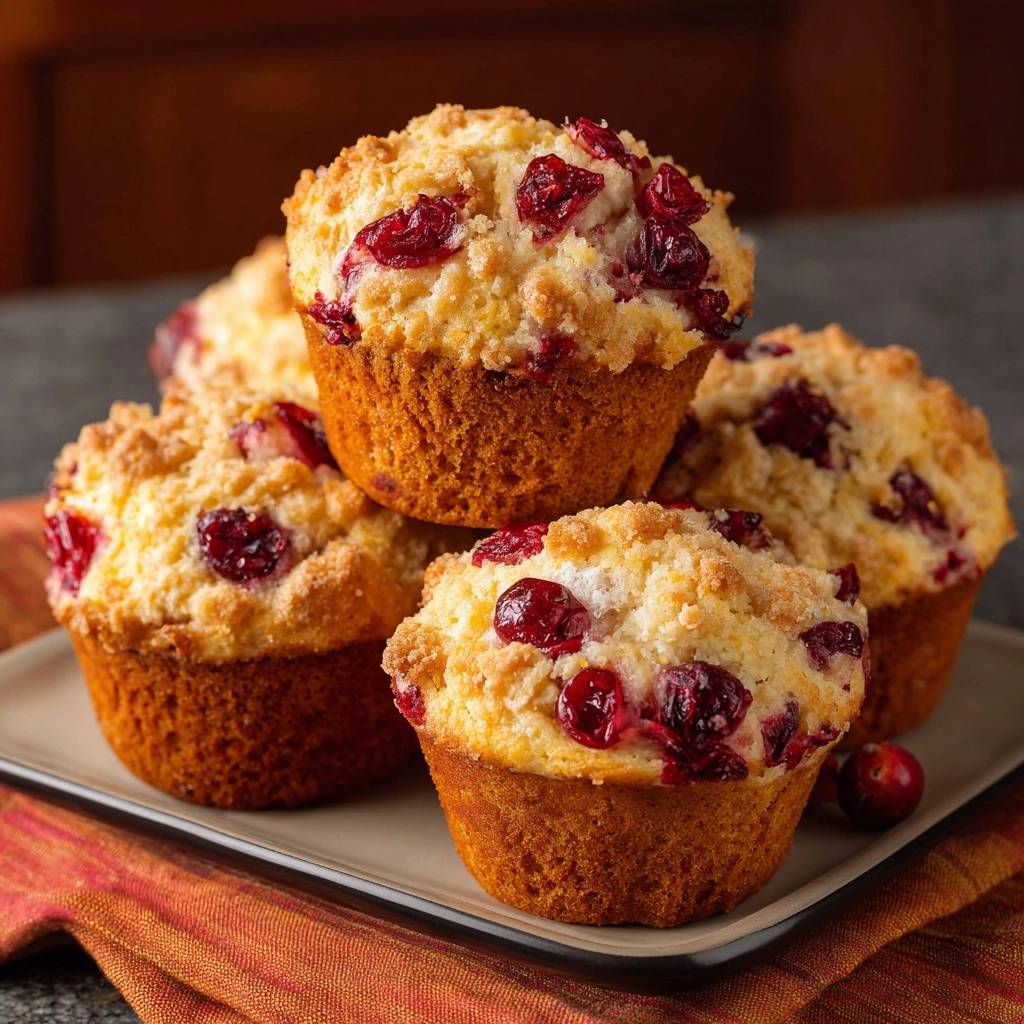
To get those professional, golden-brown sides, skip the paper liners and grease the muffin tin thoroughly with butter or non-stick spray. When the batter makes direct contact with the metal pan, the heat conducts more efficiently. This creates a slight crust on the outside of the muffin that is incredibly flavorful and helps the muffin hold its tall shape as it rises.
Fill each muffin cup all the way to the top. This might feel like too much, but the high-heat method is designed for this volume. By filling them to the brim, you ensure the batter has nowhere to go but up. Press a few extra cranberries into the top of each muffin before adding the streusel for a beautiful, professional look that hints at the flavor inside.
The Toothpick Test and Cooling Logistics
Knowing when to pull the muffins out is a fine art. Use a wooden toothpick and insert it into the center of the largest muffin. It should come out clean or with just a few moist crumbs attached. If you see wet batter, give them another two minutes. Be careful not to overbake, as the residual heat will continue to cook the muffins for a few minutes after they leave the oven.
Let the muffins rest in the tin for exactly five minutes. This allows the structure to firm up so they don’t fall apart when you remove them. However, don’t leave them in the pan any longer than that. If they stay in the hot tin, steam will get trapped at the bottom, leading to the dreaded “soggy bottom” syndrome. Move them to a wire rack immediately to let the air circulate.
Troubleshooting Common Muffin Failures
If your muffins didn’t rise, the most likely culprit is expired baking powder. Leavening agents lose their potency over time, so if yours has been in the pantry for more than six months, it might be time for a fresh box. Another common mistake is opening the oven door too early. That sudden drop in temperature can cause the delicate domes to collapse before they’ve fully set.
Dry muffins are usually the result of over-measuring the flour. If you scoop the flour directly with the measuring cup, you’re likely packing it down and using up to 25% more than the recipe calls for. Instead, use the “spoon and level” method. Spoon the flour into the cup until it overflows, then level it off with the back of a knife. This ensures your flour is light and aerated.
Flavor Variations and Seasonal Swaps
While cranberry and cinnamon are a classic pair, you can easily customize this base. Adding the zest of one large orange to the sugar before mixing the wet ingredients creates a bright, citrusy Cranberry Orange muffin. The oils in the zest permeate the sugar and provide a deep, aromatic flavor that complements the tart berries perfectly.
For extra texture, try adding half a cup of chopped walnuts or pecans to the streusel topping. The toasted nuts add a savory depth and a satisfying crunch. If cranberries aren’t in season, you can use this exact same base for mixed berries. Blueberries, raspberries, and blackberries work beautifully, though you may need to adjust the baking time by a minute or two if the berries are particularly juicy.
Storage and Refreshing Your Bakery Style Muffins
To keep your muffins fresh, store them in an airtight container at room temperature. A pro tip is to line the bottom of the container with a paper towel and place another paper towel on top of the muffins. This absorbs any excess moisture that escapes, preventing the streusel from becoming soggy. They will stay delicious for about three days this way.
If you want to keep them longer, these muffins freeze exceptionally well. Wrap them individually in plastic wrap and place them in a freezer bag for up to three months. When you’re ready for a treat, let them thaw at room temperature. To restore that “just-baked” crunch to the streusel, pop them in a toaster oven at 350°F for about five minutes before serving.
How should I store leftover cranberry muffins?
Store your muffins in an airtight container at room temperature for up to 3 days. To prevent them from becoming sticky or soggy, place a paper towel at the bottom of the container and another one on top of the muffins to absorb excess moisture. For longer storage, you can freeze them for up to 3 months. Just wrap them tightly in plastic wrap and place them in a freezer-safe bag.
Why did my muffins turn out tough and dense?
The most common reason for tough muffins is overmixing the batter. When you stir the flour into the wet ingredients, gluten begins to develop. If you mix too much, the gluten becomes strong and elastic, resulting in a bready, dense texture. Always fold the ingredients together by hand with a spatula just until the flour streaks disappear. The batter should remain lumpy.
Can I use dried cranberries instead of fresh?
Yes, you can use dried cranberries, but the texture will be different. Dried cranberries are much sweeter and chewier than fresh ones. If you use them, I recommend soaking them in warm water or orange juice for 10 minutes and then draining them before adding them to the batter. This prevents them from sucking moisture out of the muffin crumb while they bake.
What can I use if I don’t have sour cream?
If you are out of sour cream, plain Greek yogurt is the best substitute as it has a similar acidity and fat content. In a pinch, you can also use buttermilk, though the batter will be slightly thinner. If you use buttermilk, you may need to reduce the milk in the recipe by a tablespoon to ensure the batter doesn’t become too runny to hold the streusel.
Why did my streusel topping melt into the muffin?
This usually happens if the butter in the streusel was too soft or if it was worked too much with warm hands. The butter needs to stay in cold, solid little bits to create that pebbly, crunchy texture. If your kitchen is warm, make the streusel first and keep it in the refrigerator until the very moment you are ready to sprinkle it onto the batter and put the tin in the oven.
Can I make these muffins gluten-free?
You can substitute the all-purpose flour with a high-quality 1:1 gluten-free flour blend that contains xanthan gum. Keep in mind that gluten-free batters often need a few extra minutes to rest before baking to allow the flour to hydrate, which helps prevent a gritty texture. The high-heat method still works well with gluten-free blends to help them achieve a better rise.

Bakery Style Cranberry Streusel Muffins
Course: Breakfast and BrunchCuisine: AmericanDifficulty: easy12
muffins15
minutes22
minutes37
Minutes285
kcalAmerican
Ingredients
2 cups all-purpose flour
1 cup granulated sugar
2 teaspoons baking powder
1/2 teaspoon baking soda
1/2 teaspoon salt
1/2 cup unsalted butter, melted and cooled
2 large eggs, room temperature
1/2 cup sour cream (for moisture and lift)
1/4 cup whole milk
1 teaspoon vanilla extract
1.5 cups fresh cranberries (plus extra for topping)
For the Streusel:
1/3 cup brown sugar
1/4 cup all-purpose flour
1/2 teaspoon cinnamon
2.5 tablespoons cold butter, cubed
Directions
- Preheat your oven to 425°F. This high initial temperature is the “Non-Dense Trick” that creates steam rapidly to lift the batter before the structure sets.
- In a large bowl, whisk together the flour, sugar, baking powder, baking soda, and salt.
- In a separate bowl, whisk the melted butter, eggs, sour cream, milk, and vanilla until smooth.
- Make a well in the dry ingredients and pour in the wet mixture. Use a spatula to fold the mixture together just until the flour streaks disappear. Do not overmix. Overworking the gluten is what causes a dense, rubbery texture.
- Gently fold in 1.25 cups of the fresh cranberries.
- For the streusel, mix the brown sugar, flour, and cinnamon, then cut in the cold butter with a fork or pastry cutter until it looks like coarse, sandy crumbs.
- Grease a muffin tin thoroughly (to achieve the golden, unlined sides seen in the image). Fill the cups to the very top. Press the remaining cranberries into the tops of the batter and sprinkle the streusel generously over each muffin.
- Place the tin in the oven and immediately reduce the heat to 375°F. Bake for 18 to 22 minutes, or until a toothpick comes out clean.
- The initial 425°F burst forces the muffins upward, while the 375°F finish cooks the center perfectly without drying out the edges.
- Let cool in the pan for 5 minutes before transferring to a wire rack. This prevents the bottoms from becoming soggy from trapped steam.
Notes
- The Non-Dense Muffin Trick: Start with a high initial heat of 425 degrees Fahrenheit to create rapid steam for lift, then reduce to 375 degrees Fahrenheit to finish. Do not overmix the batter to avoid a rubbery texture.