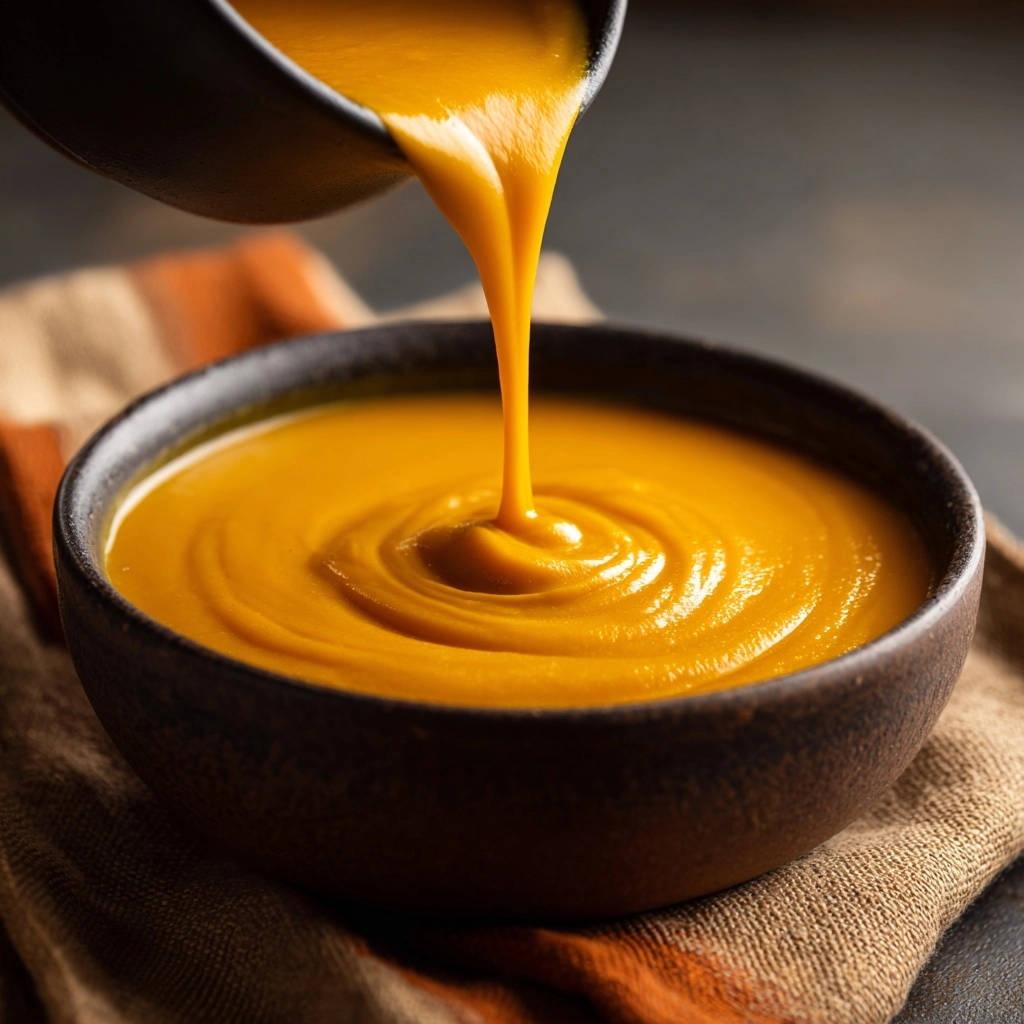
I remember years of making butternut squash soup, always chasing that elusive restaurant-quality, silky texture – only to end up with a slightly grainy or lumpy bowl. It was frustrating! But through countless attempts, I’ve perfected a method for truly Creamy Butternut Squash Soup that delivers absolute velvety smoothness, every single time.
This isn’t just another recipe; it’s your definitive guide to a lump-free, luxuriously smooth soup, perfect for cozy evenings or impressing guests. Say goodbye to graininess and hello to pure, comforting perfection.
What Makes Our Creamy Butternut Squash Soup Uniquely Smooth?
Achieving that dreamlike, velvety texture in Creamy Butternut Squash Soup isn’t magic; it’s a careful combination of strategic steps. Each element in this recipe is designed to contribute to an unparalleled smoothness and depth of flavor.
The Roasting Advantage: Deepening Sweetness and Texture
Roasting the butternut squash is a non-negotiable first step for a reason. High heat coaxes out the natural sugars, leading to beautiful caramelization and a profound sweetness that boiling simply can’t achieve.
Beyond flavor, roasting tenderizes the squash to a point where its fibers easily break down during blending. This pre-softening is crucial for a smooth base, making your job significantly easier later on.
The Secret to Silky Texture: Our Blending Method
The biggest game-changer for a truly silky smooth butternut squash lies in the extended blending time. Many stop blending as soon as the soup looks uniform, but this is a mistake.
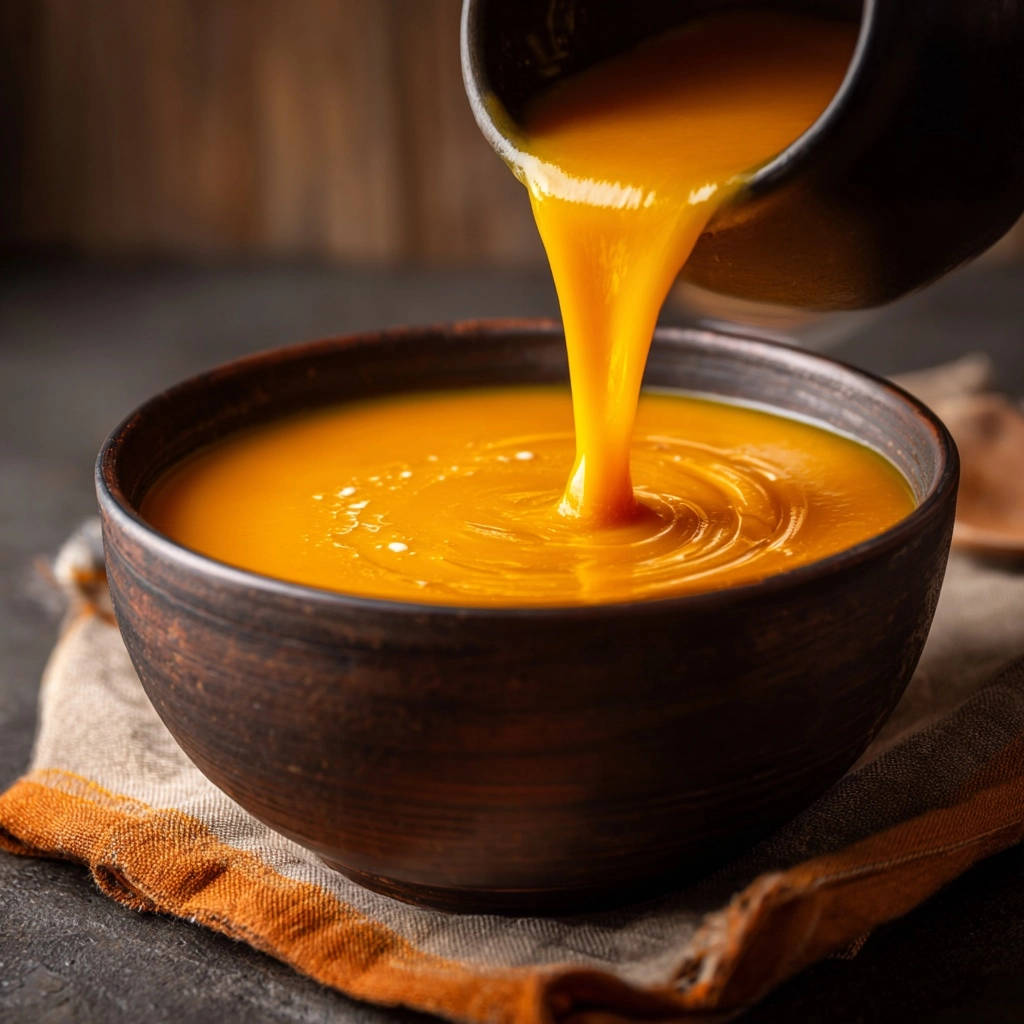
Blending for a full 2-3 minutes on high, even if it appears smooth earlier, meticulously breaks down every last fiber in the squash. This extra effort ensures no tiny, undetectable bits remain, preventing any hint of graininess.
The Final Polish: Straining for a Velvety Finish
While extended blending gets you 99% of the way there, the fine-mesh sieve is your insurance policy for that last 1% of perfection. This step is often overlooked but guarantees a luxurious, uniform consistency.
Pushing the blended soup through a sieve catches any stubborn fibers or tiny, unblended pieces that might have escaped your blender. It’s the ultimate finish for a truly velvety soup, making every spoonful a pure delight.
Gather Your Harvest: Ingredients for Velvety Butternut Squash Soup
The quality of your ingredients directly impacts the final flavor and texture of your homemade butternut squash soup. Here’s how to choose and prep them for the best results.
The Star: Selecting and Prepping Your Butternut Squash
Selection: Choose a squash that feels heavy for its size, with a matte, unblemished skin and no soft spots. A darker, more uniform orange color indicates ripeness and sweetness.
Peeling Tips: Butternut squash can be tough to peel. Prick it with a fork a few times and microwave for 2-3 minutes to slightly soften the skin, making it much easier to handle. A sturdy vegetable peeler or sharp paring knife works best.
Cubing: Once peeled and seeded, cube the squash into uniform 1-inch pieces. This ensures even roasting and consistent texture for blending. You’ll need about 4 cups from a medium squash.
Aromatic Foundation: Building Flavor with Onion and Garlic
Yellow Onion: A medium yellow onion provides a crucial sweet and savory base. Sautéing it until translucent mellows its sharp flavor and builds foundational depth for the soup.
Garlic: Freshly minced garlic adds an aromatic warmth that complements the squash beautifully. Cook it briefly until fragrant, but watch it closely-burnt garlic can quickly turn bitter.
The Liquid Base: Broth and Water for Ideal Consistency
Vegetable Broth: Using a high-quality vegetable broth is key for a flavorful soup. It provides a savory counterpoint to the squash’s sweetness.
Water: Starting with a smaller amount of water (1/2 cup) allows you to control the final consistency. You can always add more later if the soup is too thick, ensuring your butternut squash soup recipe is perfectly tailored to your preference.
Seasoning and Richness: Salt, Pepper, and Optional Butter
Salt and Pepper: These essential seasonings enhance all the other flavors. Always taste and adjust at the end, as broth salinity can vary.
Unsalted Butter: An optional but highly recommended addition, a tablespoon of unsalted butter stirred in at the end melts into the hot soup, imparting a luxurious, smooth mouthfeel and extra richness without overpowering the delicate squash flavor.
Your Kitchen Arsenal: Essential Tools for Butternut Squash Soup
Having the right tools makes all the difference when crafting this velvety smooth butternut squash soup. These items ensure efficiency and contribute to the perfect outcome.
Prepping Perfection: Peeler, Knife, and Cutting Board
A sharp vegetable peeler is essential for safely removing the tough squash skin. A sturdy chef’s knife and a stable cutting board are vital for precise and safe cubing of the squash and aromatics.
Roasting Essentials: Baking Sheet and Parchment Paper
A large baking sheet provides ample space for the squash to spread out and roast evenly, promoting caramelization. Lining it with parchment paper prevents sticking and makes cleanup a breeze.
Sautéing & Simmering: Large Pot or Dutch Oven
A heavy-bottomed pot or Dutch oven ensures even heat distribution, preventing scorching when sautéing your aromatics. Its size also accommodates all the soup components for simmering.
The Smoothness Makers: High-Speed Blender and Fine-Mesh Sieve
A high-speed blender is crucial for breaking down the squash fibers into an incredibly smooth puree, minimizing any graininess. While a regular blender can work, it may require more time and batches.
The fine-mesh sieve is your secret weapon for the ultimate silky texture. It filters out any remaining minuscule bits, ensuring every spoonful of your fall soup is perfectly smooth and luxurious.
Crafting Your Velvety Dream: Step-by-Step Soup Instructions
- Step 1: Roast the Butternut Squash.
Preheat your oven to 400°F (200°C). Toss the cubed butternut squash with 1 teaspoon of olive oil, salt, and pepper on a baking sheet.
Roast for 25-30 minutes, or until fork-tender and slightly caramelized. This crucial step deepens flavor and ensures it breaks down beautifully for a smooth texture, making your homemade butternut squash soup exceptional.
- Step 2: Sauté the Aromatics.
While the squash roasts, heat the remaining 2 teaspoons of olive oil in a large pot or Dutch oven over medium heat.
Add the chopped onion and cook, stirring occasionally, until softened and translucent, about 5-7 minutes. This builds a sweet and savory base, essential for a complex flavor profile.
- Step 3: Add the Garlic.
Stir in the minced garlic and cook for just one minute more until fragrant.
Be careful not to burn it, as burnt garlic can impart a bitter taste that will affect the entire soup.
- Step 4: Combine for Blending.
Carefully transfer the roasted butternut squash, cooked onion and garlic, vegetable broth, and 1/2 cup of water to a high-speed blender.
- Step 5: Achieve Velvety Smoothness.
Blend on high for a full 2 to 3 minutes, even if it appears smooth sooner. This extended blending time is the secret to breaking down all fibers, guaranteeing no graininess in your velvety soup.
If using a regular blender, work in batches to avoid overloading and ensure thorough blending for the desired texture.
- Step 6: Strain for Ultimate Silkiness.
For the absolute smoothest texture, carefully pour the blended soup through a fine-mesh sieve set over a clean pot or bowl.
Press down on any solids with a spoon or spatula to extract every last drop of liquid. This step is key to catching any remaining bits for a truly velvety finish, ensuring your Creamy Butternut Squash Soup is flawless.
- Step 7: Final Seasoning and Richness.
Return the strained soup to the pot. Stir in the optional butter, if using, until melted.
Taste and adjust seasoning with additional salt and pepper as needed. If the soup is too thick, add a little more water or broth until your desired consistency is reached.
- Step 8: Warm and Serve.
Heat the soup gently over medium-low heat until warmed through.
Serve immediately and savor that perfectly smooth, comforting bowl!
Chef’s Secrets: Elevating Your Butternut Squash Soup Game
Beyond the basic steps, these expert tips will help you consistently achieve the best possible Creamy Butternut Squash Soup.
Choosing the Best Butternut Squash
Always opt for a squash with a deep, uniform tan color and a smooth, unblemished skin. It should feel heavy for its size, indicating a dense, moist flesh that will yield a sweeter, richer soup. Avoid any squash with green patches or soft spots, as these suggest immaturity or spoilage.
Enhancing Flavor Through Roasting
For maximum caramelization, ensure your squash pieces are spread in a single layer on the baking sheet without overcrowding. This allows them to roast rather than steam. A slightly darker roast on some edges will add incredible depth of flavor.
Mastering the Blend: No Graininess Allowed!
If your blender isn’t high-speed, blend in smaller batches and run it for an extra minute or two beyond what seems necessary. You might even consider doing a second pass with fresh, hot soup. The goal is to completely pulverize all fibers for that unparalleled smooth texture.
Seasoning Smarter: Layering Flavors
Season the squash lightly before roasting to infuse flavor from the start. Then, hold back on most of the salt until the end. Once the soup is fully blended and warmed, taste it carefully and adjust the salt and pepper. This prevents over-seasoning and ensures a balanced flavor profile.
Customizing Your Consistency: Thick or Thin
To thin your soup, gradually add warm vegetable broth or water, a tablespoon at a time, until it reaches your preferred consistency. If it’s too thin, you can simmer it gently to reduce, or blend in a small amount of cooked potato for a natural thickener. For a similar creamy texture in another dish, consider learning how to make truly fluffy mashed potatoes as well.
Optional Add-Ins for Extra Zest
Warming Spices: A pinch of ground ginger, nutmeg, cinnamon, or even a touch of curry powder can elevate the fall soup experience. Add these early with the onion and garlic for deeper flavor.
Acidity: A small squeeze of fresh orange or lime juice at the end brightens the flavors without making the soup taste citrusy.
Heat: For a subtle kick, stir in a tiny pinch of cayenne pepper or a dash of hot sauce when adjusting seasonings.
Plan Ahead: Make-Ahead, Storage, and Freezing Tips
This homemade butternut squash soup is perfect for meal prep, allowing you to enjoy comforting bowls throughout the week or month.
Making Ahead: Prepping for Quick Meals
You can roast the butternut squash up to 2-3 days in advance and store it in an airtight container in the refrigerator. The sautéed aromatics can also be prepped and stored. This significantly reduces active cooking time on a busy day, letting you whip up the soup in minutes.
Storing Leftovers: Keeping Your Soup Fresh
Once cooled completely, transfer any leftover Creamy Butternut Squash Soup to airtight containers. It will keep beautifully in the refrigerator for up to 4-5 days. Always ensure the soup has cooled down before storing to maintain freshness and safety.
Freezing for Future Feasts: Best Practices
Butternut squash soup freezes exceptionally well. Pour cooled soup into freezer-safe containers or heavy-duty freezer bags, leaving some headspace for expansion. It can be stored in the freezer for up to 3 months.
Thaw frozen soup overnight in the refrigerator, then reheat gently on the stovetop over medium-low heat, stirring occasionally. Add a splash of broth or water if needed to restore its ideal consistency after thawing.
Beyond the Bowl: Creative Serving & Pairing Ideas
Elevate your Creamy Butternut Squash Soup experience with thoughtful garnishes and complementary dishes.
Garnish Game Strong: Finishing Touches for Your Soup
Toasted Seeds: A sprinkle of toasted pumpkin seeds (pepitas) or sunflower seeds adds a delightful crunch and nutty flavor.
Herbs: Fresh sage leaves (crisped in a little butter or oil), chopped chives, or parsley provide a fresh, aromatic finish.
Cream Swirl: A drizzle of coconut cream (for vegan) or heavy cream adds a luxurious visual and an extra touch of richness.
Spicy Kick: A pinch of red pepper flakes or a dash of chili oil offers a pleasant warmth.
Crispy Bits: Homemade croutons or crispy fried onions make excellent textural additions. For another amazing crunchy topping, try these perfectly roasted crispy chickpeas.
For another satisfying bowl, try this hearty slow cooker lentil soup.
What to Serve Alongside: Complementary Dishes
Crusty Bread: A warm slice of crusty bread or a homemade simple sandwich bread is perfect for dipping and soaking up every drop.
Grilled Cheese: A classic pairing, a gooey grilled cheese sandwich makes this comfort food meal truly satisfying.
Light Salad: A simple green salad with a vinaigrette provides a refreshing contrast to the richness of the soup.
Quiche or Tart: For a more substantial meal, a slice of savory quiche or tart pairs beautifully. If you enjoy cozy, creamy flavors, you might also love a bowl of creamy roasted tomato soup.
Perfect Pairings: Beverages for a Complete Meal
A crisp, unoaked sparkling grape juice complements the sweetness of the butternut squash. For non-alcoholic options, a sparkling cider or simple still water with a lemon slice is refreshing.
Smooth Sailing: Troubleshooting Common Soup Challenges
Even with the best recipes, sometimes things go awry. Here’s how to fix common issues with your velvety smooth butternut squash soup.
“My Soup Isn’t Smooth Enough!”
If your soup still has a slight graininess, the solution is simple: blend longer! Return it to the blender (in batches if necessary) and run it on high for another 1-2 minutes. For ultimate smoothness, pass it through the fine-mesh sieve again, pressing firmly to extract all liquid.
“My Soup Tastes Bland/Needs More Zest!”
Taste is subjective, so don’t be afraid to adjust. Add a little more salt and freshly ground black pepper. A pinch of warming spices like nutmeg or ginger can enhance the flavor. For brightness, a tiny squeeze of lemon or lime juice can work wonders.
“My Soup is Too Thick/Thin!”
If your soup is too thick, simply whisk in a tablespoon or two of warm vegetable broth or water at a time until it reaches your desired consistency. If it’s too thin, simmer it gently over low heat, uncovered, to allow some liquid to evaporate and thicken the soup naturally.
Your Questions Answered: Butternut Squash Soup FAQs
Can I make this soup vegan or dairy-free?
Absolutely! This recipe is already very close to being vegan. Simply omit the optional butter, or substitute it with 1 tablespoon of good quality olive oil or a dairy-free butter alternative for added richness. Ensure your vegetable broth is certified vegan.
What if I don’t have a high-speed blender for the silky texture?
No problem. Use a regular blender but work in smaller batches to avoid overloading it. Blend each batch for at least 3-4 minutes, stopping to scrape down the sides as needed. An immersion blender can also be used, though it may not achieve quite the same level of silky smoothness, it will still yield a delicious homemade butternut squash soup.
Can I use pre-cut butternut squash?
Yes, you can! Pre-cut butternut squash offers convenience and saves prep time, though it might be slightly more expensive. Just ensure it’s fresh and vibrant. The cooking steps remain the same.
How can I add more spice or heat to my soup?
To infuse more spice, add a teaspoon of ground ginger, curry powder, or a quarter teaspoon of cayenne pepper with the onions and garlic. For a lighter touch of heat, a pinch of red pepper flakes stirred in at the end works beautifully.
Is this soup freezer-friendly?
Yes, this fall soup is incredibly freezer-friendly! It retains its texture and flavor wonderfully after freezing. Please refer back to the “Freezing for Future Feasts” section for detailed instructions on how to properly freeze and thaw your soup.
Ready to Impress? Share Your Butternut Squash Soup Masterpiece!
You now have all the expert tips and precise steps to create a truly exceptional Creamy Butternut Squash Soup. This recipe isn’t just about soup; it’s about crafting pure comfort and velvety perfection in your own kitchen.
Don’t just make it, savor it! Share your creations and feedback in the comments below. We love hearing about your culinary successes. Why not try another warming recipe next, like our amazing hearty lentil soup?

Butternut Squash Soup
Course: Soups-StewsCuisine: InternationalDifficulty: easy4
servings20
minutes45
minutes240
kcal60
minutesDiscover the secret to a perfectly smooth and comforting Creamy Butternut Squash Soup every time. This recipe guides you through roasting squash and precise blending for a luscious, lump-free texture. A warm bowl of pure comfort awaits!
Ingredients
1 medium butternut squash, peeled, seeded, and cubed (about 4 cups)
1 tablespoon olive oil
1 medium yellow onion, chopped
2 cloves garlic, minced
4 cups vegetable broth
1/2 cup water (plus more for thinning if needed)
1/2 teaspoon salt
1/4 teaspoon black pepper
1 tablespoon unsalted butter (optional, for richness)
Directions
- Preheat your oven to 400 degrees Fahrenheit (200 degrees Celsius). Toss the cubed butternut squash with 1 teaspoon of olive oil, salt, and pepper on a baking sheet. Roast for 25 to 30 minutes, or until the squash is fork-tender and slightly caramelized. This ensures it breaks down beautifully for a smooth texture.
- While the squash roasts, heat the remaining 2 teaspoons of olive oil in a large pot or Dutch oven over medium heat. Add the chopped onion and cook, stirring occasionally, until softened and translucent, about 5 to 7 minutes.
- Add the minced garlic to the pot and cook for another minute until fragrant, being careful not to burn it.
- Transfer the roasted butternut squash, cooked onion and garlic, vegetable broth, and 1/2 cup of water to a high-speed blender.
- Here’s the secret to that velvety smoothness: Blend on high for a full 2 to 3 minutes, even if it looks smooth sooner. This extra blending time breaks down all the fibers, ensuring no graininess. If you have a regular blender, you may need to do this in batches.
- For the ultimate silky texture, carefully pour the blended soup through a fine-mesh sieve set over a clean pot or bowl, pressing down on any solids with a spoon or spatula to extract all the liquid. This step is key to catching any remaining bits and guaranteeing a truly velvety finish.
- Return the strained soup to the pot. Stir in the optional butter, if using, until melted. Taste and adjust seasoning with additional salt and pepper as needed. If the soup is too thick, add a little more water or broth until your desired consistency is reached.
- Heat the soup gently over medium-low heat until warmed through. Serve immediately and enjoy that perfectly smooth, comforting bowl!
Notes
- Achieve ultimate smoothness by blending for a full 2-3 minutes and straining through a fine-mesh sieve to remove any remaining bits.