

I used to struggle endlessly to replicate that vibrant, non-slimy texture of the restaurant-quality Japanese-Style Seaweed Salad at home.
The secret, I discovered, lies not just in the dressing components, but in a precise rinsing and resting technique that makes all the difference.
This methodology guarantees a perfectly crisp texture and a dressing so balanced, it instantly becomes your reliable recipe for exceptional Japanese-Style Seaweed Salad.
The Restaurant-Quality Secret: Why This Recipe Works Every Time
Achieving the Ideal, Non-Slimy Seaweed Texture
The key differentiator in this recipe is the extensive cold-water rinsing process immediately following the initial soak.
This removes the residual salt and any bitter marine compounds that commonly cause the wakame to taste overly fishy or result in a slimy texture.
Rigorous rinsing ensures the seaweed is perfectly clean, allowing it to remain crisp and fully absorb the delicate dressing flavors.

The Crucial 30-Minute Rest for Flavor Fusion
After dressing, the salad must rest for a minimum of 30 minutes in the refrigeration stage.
This critical resting period allows the acidity in the dressing to gently tenderize the rehydrated seaweed, softening it to the perfect bite.
It also ensures the balanced sweet, tangy, and savory notes fully permeate and cling to every single strand.
Quick Prep and No Cook Time
Beyond the necessary time for soaking and resting, the active preparation for this delicious salad takes less than 15 minutes.
There is absolutely no cooking required, making this the ideal refreshing, bright side dish to prepare quickly for any meal.
Gearing Up: Essential Kitchen Tools for Preparation
Large Colander and Mixing Bowls
You need ample space for the dried wakame to fully expand during the initial soaking, as it grows significantly in volume.
A deep colander is also essential for the subsequent rigorous rinsing and ensures the water drains completely, preventing residual moisture.
Kitchen Shears (Scissors)
Once rehydrated, the wakame strands are often long and challenging to serve neatly or eat gracefully.
Clean shears allow you to quickly and precisely cut the seaweed into uniform, manageable, bite-sized pieces (about 3 inches long).
A Quality Whisk
Vigorous whisking of the dressing is vital, particularly to ensure the granulated sugar is completely dissolved into the cold liquids.
This prevents a grainy or gritty texture in the final dressing and promotes even flavor distribution.
The Essential Components: Building Blocks of the Dressing and Salad
Wakame: Selecting and Understanding Your Seaweed Base
Wakame is the traditional and preferred choice for this Japanese-Style Seaweed Salad due to its mild, slightly sweet flavor and its desirable, resilient texture when rehydrated.
Purchase high-quality dried wakame from reliable sources; it should appear a deep, vibrant green.
Beyond flavor, wakame is an excellent source of essential nutrients, including iodine, iron, and calcium.
The Holy Trinity of Tang: Vinegar, Soy, and Sesame Oil
Rice Vinegar provides the necessary sharp acidity and bright tang that cuts through richness and tenderizes the seaweed.
Low-sodium Soy Sauce delivers the crucial salty depth and rich umami base without making the overall dressing overly heavy.
Toasted Sesame Oil is absolutely non-negotiable; its deeply nutty, aromatic profile defines the classic flavor of the dish.
The Fresh Heat: Ginger and Red Pepper Flakes
Finely minced fresh ginger provides a pungent, aromatic warmth that instantly elevates the flavor profile beyond simple bottled dressings.
The inclusion of red pepper flakes adds a subtle background heat; you can easily control the spice level by adjusting the quantity, or omit them entirely.
The Detailed Guide to Preparing Your Japanese Seaweed Salad
Phase 1: Taming the Seaweed (The Rinsing Technique)
Place the 4 ounces of dried wakame in a very large bowl and fully cover it with cool water; allow it to soak for 10 to 15 minutes, or until the seaweed is fully plump and rehydrated.
Drain the wakame completely in a colander, then immediately rinse it thoroughly under cold running water for two full minutes.
Gently massage the strands with your hands during the rinse; this rigorous cleaning removes excess salt and the marine compounds responsible for bitterness and potential sliminess.
Phase 2: Sizing and Initial Chill
Using kitchen shears, cut the prepared seaweed into uniform, bite-sized pieces of approximately three inches long to ensure easy eating.
Place the cut, fully drained seaweed into a clean bowl and move it to the refrigerator; chilling the seaweed before adding the dressing helps maintain its crispness.
Phase 3: Whisking the Umami-Rich Dressing
In a separate small bowl, combine the rice vinegar, soy sauce, granulated sugar, toasted sesame oil, minced ginger, and red pepper flakes.
Whisk vigorously for at least 60 seconds until you are certain the sugar is entirely dissolved-it should look smooth and slightly emulsified.
Taste the dressing and adjust; for a slightly more intense tang, add 1/2 teaspoon of additional rice vinegar.
Phase 4: The Critical Toss and Resting Period
Pour the prepared dressing over the chilled, rinsed seaweed; toss gently until every strand is evenly coated and glossy.
Cover the bowl and refrigerate for a minimum of 30 minutes; this crucial resting time allows the acid to tenderize the wakame and the flavors to fully permeate the salad.
Phase 5: The Final Presentation
Before serving, toss the salad one last time to ensure the settled dressing coats all the strands evenly.
Transfer the salad to a serving dish and garnish generously with the toasted white sesame seeds for necessary contrast and crunch.
Serve immediately with fresh lemon wedges on the side, allowing guests to add a final squeeze of bright acidity if desired.
Expert Tips: Troubleshooting Common Seaweed Salad Mistakes
Controlling the Marine Flavor: When Rinsing Isn’t Enough
If, after following the rinsing steps, the salad retains a subtle bitterness or too strong of a marine taste, you need a final flavor boost.
A few drops of fresh lemon or lime juice added at the very end can instantly neutralize lingering unpleasant notes without disrupting the main dressing profile.
Alternatively, slightly increasing the amount of sugar can effectively mask minor residual bitterness.
Perfecting the Balance: How to Adjust Sweetness and Acidity
Achieving the perfect sweet-to-tang ratio is vital for an authentic Japanese-Style Seaweed Salad.
If the dressing is overly sour or sharp, add 1/2 teaspoon of sugar to soften the acidity and round out the flavor.
If the dressing tastes too sweet, incorporate 1/2 teaspoon more rice vinegar to provide the necessary counter-tang and brightness.
Substitution Secrets: Alternate Seaweed Varieties
While wakame yields the best results, you may substitute with dried arame or hijiki seaweed if necessary.
Be aware that arame requires a slightly longer soaking period, often closer to 20 minutes, and may result in a chewier final texture.
The Garnish Upgrade: Beyond Toasted Sesame Seeds
Elevating the garnish adds visual appeal and complex texture to this simple side dish.
- Finely shredded carrots or julienned radish for crisp color contrast.
- A light drizzle of high-quality Japanese chili oil (Rayu) for complex, layered heat.
- Very thinly sliced scallions or chives for a mild, aromatic bite.
Presentation Matters: Serving Suggestions and Pairings
Garnishing Like a Pro: Utilizing Color and Texture
Serve the vibrant green salad in small, dark ceramic bowls or dishes; the deep background makes the color of the seaweed pop aesthetically.
For added visual appeal, incorporate thinly sliced cucumber ribbons or finely diced red bell pepper, tossed lightly in sesame oil, on top of the mound of salad.
The Perfect Companions: What to Serve Alongside Seaweed Salad
The refreshing, tangy profile of the Japanese-Style Seaweed Salad makes it an exceptional counterpoint to rich or savory main dishes.
- Classic Sushi or Sashimi Rolls
- Crispy Chicken Katsu or Tempura
- A bowl of Hot Miso Soup
- Any type of Grilled or Pan-Seared White Fish
Frequently Asked Questions About Japanese-Style Seaweed Salad
Can I use fresh seaweed instead of dried Wakame?
Yes, fresh wakame can be used, but you should completely skip the lengthy rehydration soak.
You must still rinse fresh seaweed thoroughly under cold running water to remove any sand or grit and achieve a clean flavor.
Is this recipe naturally gluten-free and vegan?
This Japanese-Style Seaweed Salad recipe is entirely vegan and plant-based.
To ensure it meets gluten-free standards, you must substitute the standard soy sauce with tamari or certified gluten-free soy sauce.
How far in advance can I make this salad?
For optimal texture, the salad is best consumed within 30 minutes to four hours of being dressed.
If necessary, you can make the salad up to six hours ahead, but the seaweed will begin to soften slightly after that point.
What is the best way to store leftover salad?
Store any leftover salad in a sealed, airtight container in the coldest section of your refrigerator.
Be aware that the acidic dressing continues to tenderize the seaweed over time, so the texture will be softer on subsequent days.
Dive Deeper: Your New Go-To Side Dish Awaits
Once you master the simple but vital technique of rigorous rinsing and the mandatory resting time, you unlock the true potential of this classic side dish.
This recipe for Japanese-Style Seaweed Salad is incredibly easy, highly refreshing, and delivers that sophisticated balance of texture and tang you seek.
Skip the pricey takeout version and discover the satisfaction of creating this perfectly crisp, intensely flavorful treat in your own kitchen tonight.
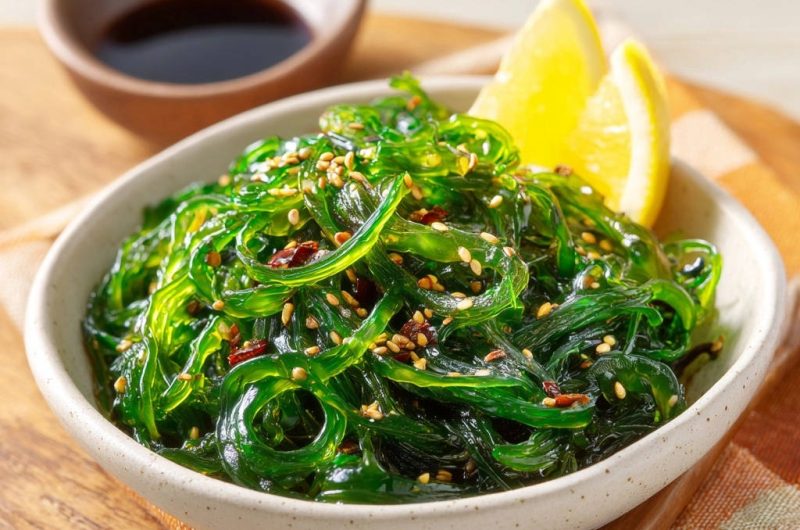
Japanese-Style Seaweed Salad
Course: SaladCuisine: Asian cuisineDifficulty: easy4
servings15
minutes15
minutesAsian cuisine
Ingredients
4 ounces dried Wakame seaweed
1/4 cup Rice vinegar
2 tablespoons Soy sauce (low sodium)
2 tablespoons Granulated sugar
1 tablespoon Toasted sesame oil
1 teaspoon Ginger, finely minced
1/2 teaspoon Red pepper flakes (or more, to taste)
2 teaspoons Toasted white sesame seeds
Water, for soaking
Lemon wedges, for serving
Directions
- Pain Point Solution: Taming the Seaweed. Place the dried wakame in a large bowl and cover completely with cool water. Soak for 10 to 15 minutes, or until fully rehydrated and plump. The biggest mistake is not rinsing enough. Once plump, drain the seaweed completely in a colander. Rinse the seaweed thoroughly under cold running water for 2 full minutes, gently massaging the seaweed with your hands as you rinse. This removes excess salt and any overly marine flavor compounds that can make the salad taste bitter or slimy. Drain again very well.
- Chop and Chill: If the pieces of seaweed are too long, use kitchen shears to cut them into manageable, bite-sized strands (about 3 inches long). Place the prepared seaweed into a clean bowl and chill in the refrigerator while you prepare the dressing.
- Prepare the Dressing: In a small bowl, whisk together the rice vinegar, soy sauce, granulated sugar, toasted sesame oil, minced ginger, and red pepper flakes. Whisk vigorously until the sugar is fully dissolved. Taste and adjust for seasoning if necessary. For a slightly more intense tang, add 1/2 teaspoon more vinegar.
- Dress and Rest: Pour the dressing over the chilled, rinsed seaweed. Toss gently until every strand is coated with the glossy dressing. Cover the bowl and refrigerate for at least 30 minutes. This resting period is critical, as it allows the dressing to permeate the seaweed, tenderizing it further and locking in the balanced flavor profile.
- Serve: Before serving, toss the salad one last time. Transfer to a serving bowl and garnish generously with the toasted white sesame seeds. Serve immediately with fresh lemon wedges on the side for an optional burst of brightness.
Notes
- The dressed salad requires at least 30 minutes of refrigeration (resting) to fully tenderize the seaweed and lock in the flavor profile.