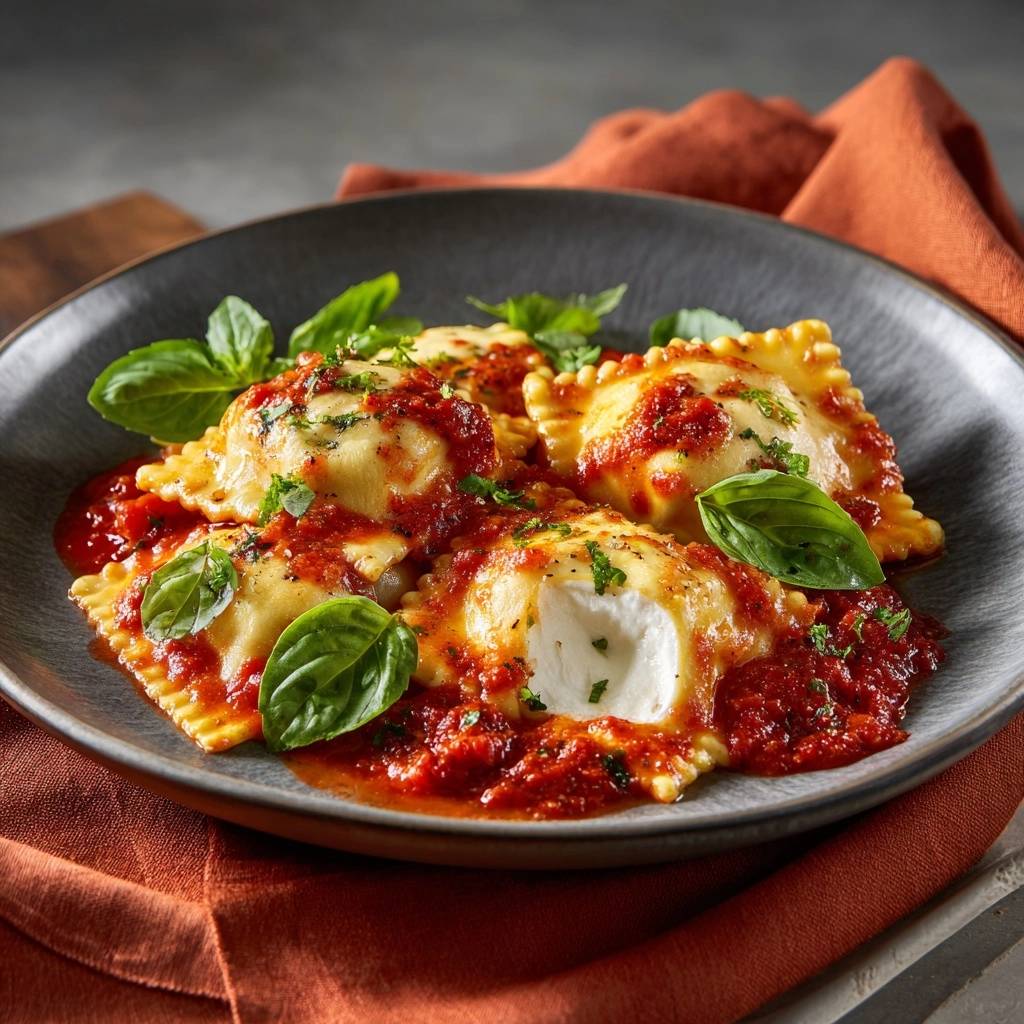
Nothing ruins cheese ravioli marinara faster than a soggy, mushy bite. You’ve boiled them just like spaghetti, only to end up with waterlogged pillows that fall apart in the sauce. But this method changes everything. You’ll get firm, al dente cheese ravioli marinara on the table in under 15 minutes, with that perfect oozy cheese center intact.
Why does it work so well? Most recipes skimp on water or cram in too much pasta, causing starch to thicken the pot into glue. Here, a massive 6-quart boil dilutes that starch, while single-layer batches keep the heat steady. Therefore, your ravioli stay separate and snappy.
The real secret lies in the float test plus a quick cut check. When they bob up, slice one open. You’ll see tender pasta wrapping gooey cheese, not a leaky mess. That’s how you nail cheese ravioli marinara every time, beating any boxed version hands down.
For a lighter pasta alternative, check out these pesto zucchini noodles.
Why Cheese Ravioli Marinara Demands Precision Boiling
Starch from cheese ravioli marinara turns boiling water cloudy and sticky if you don’t control it. Overcrowd the pot, and the temperature drops, leaving pasta to stew in its own starch. However, this recipe’s 6-quart rolling boil mimics Italian home cooking, diluting starch for clean, firm results.
Pasta water salinity matters too. Add 2 tablespoons salt, about seawater strength, so flavors penetrate evenly without waterlogging the dough. In addition, it prevents ravioli from tasting bland. Get this right, and your cheese ravioli marinara boasts that restaurant al dente bite everyone craves.
Excitement builds as you watch them float perfectly. No more guesswork. This precision turns simple cheese ravioli marinara into a comforting Italian escape, far superior to takeout.
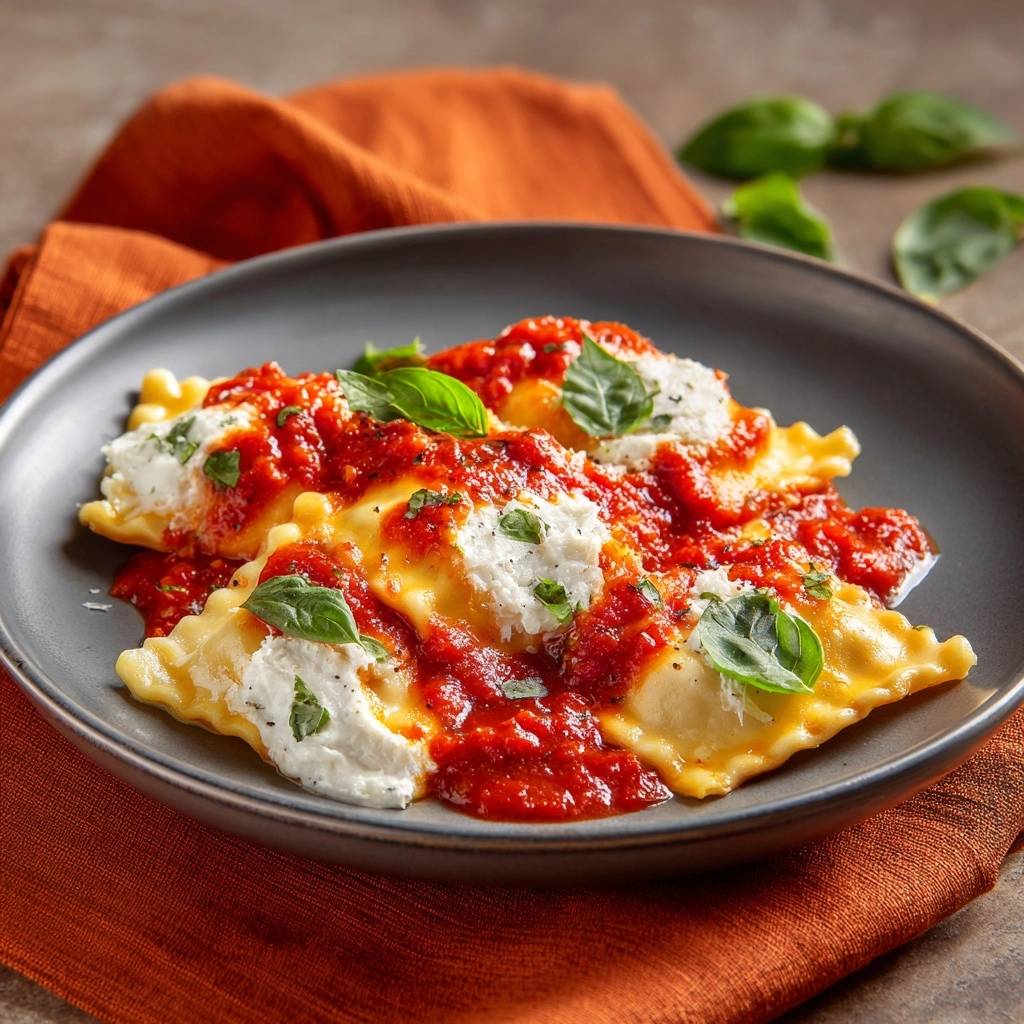
Starch Release in Cheese Ravioli Marinara
Ravioli starch gelatinizes fast in hot water, especially with creamy fillings. Cook in a single layer to avoid clumping, which traps starch and leads to mush when tossed in marinara. Fresh ravioli take 2-4 minutes; frozen need 5-7, but always test for that firm chew.
Water Volume Impact on Marinara Ravioli Texture
Six quarts dilute starch from ravioli with marinara sauce, keeping water clear and hot. Smaller pots cause overcrowding pitfalls like sticking and sogginess. Therefore, use the biggest one you have for flawless texture.
Core Ingredients for Cheese Ravioli Marinara
Start with a 20-ounce package of cheese ravioli, fresh or frozen. Fresh offers silkier texture, but frozen holds shape better under the boil. Meanwhile, 2 cups marinara sauce provides bright acidity to cut the creamy filling.
Tear 1/4 cup fresh basil leaves by hand; it releases oils gently without bruising. Optional grated parmesan adds nutty sharpness. These choices ensure your cheese ravioli marinara balances richness with freshness. Nutritionally, it’s packed with carbs for energy and protein from the cheese.
Quality shines through. Jarred marinara works if it’s thick; homemade tastes even brighter. Pick ingredients that deliver on flavor without overpowering the pasta.
Fresh vs Frozen Cheese Ravioli Choices
Fresh cheese ravioli for marinara ravioli yield tender bite but cook quicker, so watch closely. Frozen versions thaw in the boil, maintaining firmness. No need to defrost first; just extend timing slightly.
Selecting Marinara for Ravioli Pairing
Choose marinara with balanced acidity to complement the cheese filling in ravioli. Warm it low and slow; boiling makes it splatter and soak into pasta. This keeps cheese ravioli marinara vibrant.
Equipment Essentials for Flawless Cheese Ravioli Marinara
You need an 8-quart pot to handle 6 quarts water without overflow. Smaller ones fail by concentrating starch, dooming your cheese ravioli marinara to gumminess. A slotted spoon scoops gently; skip the colander.
A small saucepan warms marinara evenly. Budget stainless works fine; no fancy tools required. These basics guarantee anti-soggy success. Pro tip: Keep a timer handy for precision.
Why Massive Pot Prevents Soggy Marinara Ravioli
An 8-quart pot retains heat despite ravioli addition, avoiding temp drops. Six quarts dilute starch mathematically, preventing the cloudy glue effect. Smaller pots can’t compete.
Step-by-Step: Boiling Cheese Ravioli Marinara Perfectly
Bring 6 quarts water to a rolling boil, then salt heavily. The aroma hits like ocean air, signaling even cooking ahead for cheese ravioli marinara.
Phase 1: Massive Salted Water Boil Setup
Fill with 6 quarts water, boil vigorously, add 2 tablespoons salt. This seawater salinity seasons ravioli from inside out. Rolling bubbles ensure steady heat.
Phase 2: Single-Layer Ravioli Addition
Add ravioli in one layer; batch if needed. Stir gently after 30 seconds. You’ll smell sweet starch release without clumping.
Phase 3: Timing and Float Test
Boil until they float: 2-4 minutes fresh, 5-7 frozen. Cut one; firm pasta, oozy cheese means al dente perfection. Don’t overcook, or they waterlog.
Phase 4: Gentle Drain and Sauce Toss
Scoop with slotted spoon, drain 20-30 seconds. Toss immediately in warm marinara. Top with torn basil for fresh pop.
Avoiding Common Mistakes in Cheese Ravioli Marinara
Overboiling waterlogs fillings; time precisely and test. Dumping in a colander shocks starch into gumminess. Instead, spoon them out hot. These fixes deliver perfect cheese ravioli marinara.
Boiling sauce separately prevents splatter and excess moisture. Overcrowding drops heat, causing sticking. Follow batches for firm results every time.
Overcrowding Fixes for Firm Ravioli Marinara
Overcrowding cools water, leading to uneven cooking. Use single layers or batches. Heat rebounds fast, keeping ravioli separate and snappy.
No-Rinse Draining for Al Dente Texture
Skip colander dumps; they gum up starch. Slotted spoon drains precisely, preserving heat. No cold rinse needed; toss straight into sauce.
Flavor Variations for Cheese Ravioli Marinara
Swap for ricotta ravioli; the method keeps them firm. Try arrabbiata marinara with red pepper flakes for heat. Vegan cheese ravioli marinara works too, maintaining al dente snap.
For another hearty pasta option with a similar focus on texture, check out Stuffed Shells Supreme.
Add oregano or minced garlic to sauce. Portion tweaks scale easily. Keep the boiling intact for cheese ravioli marinara success.
Spicy Marinara Ravioli Upgrades
Stir 1/2 teaspoon red pepper flakes into warming marinara. Heat builds gently, cutting cheese richness without sogginess.
Herb and Cheese Ravioli Marinara Twists
Swap basil for oregano; tear fresh. Use pecorino instead of parmesan for sharper bite. Enhances without altering texture.
Pairing Sides with Cheese Ravioli Marinara
Pair with crisp green salad dressed in vinaigrette; acidity cuts richness. Garlic bread adds crunch. Roasted veggies like zucchini balance the meal.
What to Try Next
Round out your Italian meal with these complementary dishes.
- For a fresh and vibrant addition, try this colorful beet and mozzarella salad, featuring earthy beets that pair well with the marinara sauce.
- If you’re looking for a green vegetable that offers a satisfying crunch, consider this crispy panko parmesan broccoli, its savory notes complementing the cheese ravioli.
Sparkling cranberry juice refreshes alongside. These sides make cheese ravioli marinara a full, satisfying dinner.
Simple Salads Complementing Ravioli Marinara
Mix greens, cherry tomatoes, cucumber in olive oil-lemon vinaigrette. Sharp tang slices through creamy ravioli marinara. Keeps it light and bright.
Make-Ahead Guide for Cheese Ravioli Marinara
Prep marinara days ahead; freeze in portions. Parboil ravioli slightly, shock in ice water, drain, and refrigerate up to 2 days. Reheat gently in sauce.
Full assembly stores well for busy weeks. Pro tip: Underboil slightly for reheating forgiveness. Texture holds firm.
Freezing Cheese Ravioli Marinara Components
Freeze sauce in bags, ravioli on sheet then bag. Thaw ravioli overnight, boil fresh. Avoid full dish freezing to prevent sogginess.
Frequently Asked Questions About Cheese Ravioli Marinara
Using Frozen vs Fresh for Marinara Ravioli
Frozen ravioli take 5-7 minutes until floating; fresh 2-4. Both yield al dente with this method. No thawing needed; drop straight in.
Gluten-Free Cheese Ravioli Marinara Options
Use gluten-free ravioli; boil in single layer with extra starch watch. They cook similarly but may need 1 minute more. Sauce stays the same.
Reheating Without Sogginess
Reheat in saucepan with splash of water over low heat, stirring gently. Microwave in covered dish 1-2 minutes. Avoid high heat to preserve firmness.
Scaling Up Cheese Ravioli Marinara Batches
Double ingredients, use 12-quart pot per batch. Maintain single-layer rule. Cook in shifts for perfect texture.
Can I Use Dried Ravioli for Cheese Ravioli Marinara?
Dried takes 8-10 minutes; test for al dente. Single-layer still key to avoid mush. Results firm but less oozy than fresh or frozen.
How Long Does Cheese Ravioli Marinara Store?
Refrigerate airtight up to 3 days. Don’t freeze assembled dish; ravioli get soggy. Components freeze separately up to 2 months.
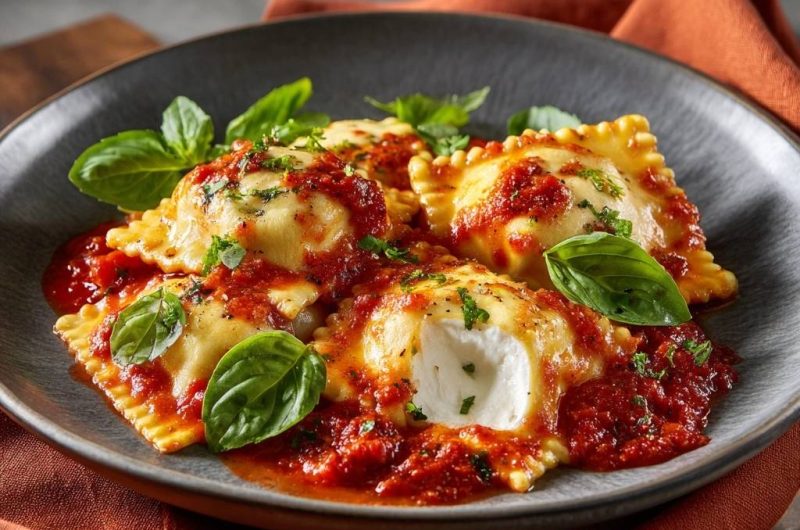
Cheese Ravioli
Course: Main CourseCuisine: ItalianDifficulty: easy4
servings5
minutes10
minutes450
kcal15
MinutesTired of ravioli turning mushy? This method uses a massive pot of salted rolling water, single-layer batches, and precise timing for firm, al dente ravioli tossed in warm marinara.
Ingredients
1 package (20 oz) fresh or frozen cheese ravioli
2 cups marinara sauce
1/4 cup fresh basil leaves, torn
Optional: grated parmesan for serving
Directions
- Bring 6 quarts of water to a rolling boil in a large pot (key to preventing starch buildup and sogginess: ample water dilutes pasta starch). Add 2 tablespoons salt (makes water like seawater for even cooking without waterlogging).
- While water boils, warm marinara sauce gently in a saucepan over low heat (do not boil sauce, as it keeps ravioli from absorbing excess moisture).
- Reduce heat to maintain a gentle rolling boil. Add ravioli in a single layer without overcrowding (cook in 2 batches if needed; overcrowding drops temp and causes sticking/sogginess). Stir very gently once after 30 seconds to prevent bottom sticking.
- Boil exactly until ravioli float to the surface (2-4 minutes for fresh, 5-7 for frozen), then test one by cutting: pasta firm but tender, cheese oozy but intact. Do not overcook, or they waterlog.
- Scoop ravioli out with a slotted spoon (never dump in colander, as cold water rinse makes gummy). Let drain 20-30 seconds on the spoon.
- Immediately toss gently with warm marinara in the saucepan (light toss preserves shape and prevents sauce soak-in).
- Divide onto plates, top with torn basil. Serve hot. Perfect texture guaranteed!
Notes
- Use a large pot with 6 quarts water to prevent starch buildup. Cook in single layer batches. Scoop out with slotted spoon, never rinse. Warm sauce gently to avoid sogginess.