We’ve all experienced that disappointing moment when a carefully packed lunch turns into a soggy, unappealing mess by noon. You start with beautiful, crusty bread and a flavorful filling, but the moisture inevitably migrates, leaving the bread limp and the salad watery. This Creamy Curried Chicken Salad isn’t just a recipe; it’s a structural solution designed to stay fresh and vibrant until the very last bite.
The secret lies in what I call “Moisture-Lock” technology, a simple culinary technique that prioritizes the integrity of your ingredients. By focusing on the science of emulsions and temperature control, we create a barrier that keeps the dressing on the chicken and away from your bread. You’ll enjoy the warm, earthy glow of turmeric, the complex bite of mild curry, and a bright hit of lemon juice in every mouthful.
The real trick to professional-grade chicken salad is starting with bone-cold protein. If your chicken is even slightly warm, it will release steam and moisture into the mayonnaise, causing the dressing to “weep” and break. By chilling and patting the chicken dry before mixing, you ensure the high-fat dressing clings like a velvet glove, protecting your sandwich from the dreaded soggy bottom.
The Science of Preventing Soggy Chicken Salad
When a sandwich gets mushy, you’re witnessing a process called syneresis, or “weeping.” This happens when the water trapped inside the ingredients—like the celery or the chicken itself—seeps out and dissolves the structural bonds of the bread. In a standard chicken salad, the dressing often acts as a bridge for this water to travel directly into the crust.
However, by using a high-fat emulsion, we create a hydrophobic barrier. Since oil and water don’t mix, the fat in the mayonnaise coats the chicken and vegetables, effectively sealing the moisture inside them. This prevents the liquid from migrating outward, ensuring that your rustic sourdough stays as crisp as the moment it popped out of the toaster.
Surface moisture is the enemy of a stable salad. If your chicken pieces are wet when they hit the bowl, the dressing will simply slide off rather than adhering. Taking thirty seconds to pat the meat dry creates a tacky surface that allows the curry-infused mayo to bond tightly, creating a stable, stackable filling that defies gravity.
Why Full-Fat Mayonnaise is Non-Negotiable
While it’s tempting to reach for a “light” or low-fat alternative, those versions often rely on starches and water-based thickeners. These stabilizers are prone to breaking down over time, especially when they come into contact with acidic ingredients like lemon juice. Once they break, they release a flood of moisture that ruins the texture of the salad.
Full-fat mayonnaise provides the necessary oil content to maintain structural integrity. This high fat-to-water ratio is what allows the “Moisture-Lock” to function properly. It creates a rich, thick consistency that holds the spices in suspension, ensuring every bite is packed with uniform flavor and a luxurious mouthfeel.
Essential Components for Creamy Curried Chicken Salad
The foundation of this dish is the chicken breast, which offers a clean, lean canvas for the bold spices. While some prefer thighs, the breast provides a firmer texture that holds its shape during the mixing process. This structural stability is vital for maintaining the “heaped” look of a gourmet sandwich.
I recommend dicing the chicken into precise 1/2-inch cubes. This specific size creates the perfect surface-area-to-volume ratio. It’s small enough to be manageable in a sandwich but large enough to provide a satisfying chew. If the pieces are too small, the salad becomes a paste; if they’re too large, the dressing can’t coat them evenly.
Freshness is the secondary pillar of this recipe. Using freshly squeezed lemon juice rather than the bottled variety provides a sharp, citric acidity that cuts through the richness of the mayo. Similarly, using high-quality, fresh spices ensures that the curry flavor is aromatic rather than dusty or bitter.
The Golden Spice Profile: Curry and Turmeric
Mild curry powder provides a complex base of cumin, coriander, and fenugreek, but the addition of extra turmeric is what truly sets this recipe apart. Turmeric adds a deep, earthy resonance and a stunning golden hue that triggers “visual hunger.” It makes the salad look as vibrant as it tastes.
Furthermore, turmeric contains curcumin, which is best absorbed by the body when paired with fats and black pepper. By whisking these spices directly into the full-fat mayonnaise and adding cracked pepper, you’re maximizing both the flavor and the functional benefits of the ingredients. It’s a win-win for your palate and your health.
Texture Additives: Celery and Fresh Parsley
Celery provides the essential “crunch” that every good chicken salad needs, but it must be minced finely. Large chunks of celery can hold pockets of water that might leak into the dressing. A fine mince distributes the texture evenly throughout the salad without compromising the moisture barrier.
Fresh parsley plays a dual role here. Half of it is folded into the mix to provide a bright, herbaceous lift that balances the heavy spices. The other half is reserved for a “heavy topping.” This creates a beautiful color contrast and adds a fresh, leafy texture that makes the sandwich feel like it came from a high-end bistro.
Step-by-Step: Executing the Moisture-Lock Technique
Executing this recipe requires a focus on three distinct phases: Preparation, Emulsification, and Setting. Although the active work only takes about 15 minutes, following these technical steps will ensure your chicken salad has a professional finish and a stable structure.
Phase 1: Preparing the Protein Foundation
Firstly, ensure your cooked chicken is completely cold. If you’ve just poached or roasted it, let it chill in the refrigerator for at least two hours. Once cold, dice it and spread the pieces out on a tray lined with paper towels. Pat the tops firmly to remove every trace of surface moisture.
You’ll know the chicken is ready when it feels slightly tacky to the touch rather than slippery. This step is the most important part of the “Moisture-Lock” process. If the protein is dry, the dressing will bond to it instantly, creating a permanent coating that won’t run or drip later on.
Phase 2: Creating the Vibrant Curry Emulsion
In a medium mixing bowl, combine the mayonnaise, curry powder, turmeric, lemon juice, and garlic powder. Whisk these ingredients vigorously until the color is a uniform, vibrant gold. You are looking for a thick, ribbon-like consistency that holds its shape when you lift the whisk.
By mixing the lemon juice into the mayo before adding the chicken, you ensure the acidity is perfectly distributed. This prevents “hot spots” of sourness and allows the spices to begin hydrating in the fat of the mayonnaise. This step builds the flavor profile from the ground up.
Phase 3: The Folding and Chilling Process
Gently fold the chilled chicken, minced celery, and the first half-cup of parsley into the golden dressing. Use a spatula and a folding motion rather than aggressive stirring. This keeps the chicken cubes intact and prevents the celery from releasing its juices prematurely.
Finally, refrigerate the mixture for at least 30 minutes before serving. This “setting” period is crucial. It allows the fats in the mayonnaise to firm up and gives the dried spices time to “bloom” and release their full aromatic potential. The result is a stable, chilled salad that is ready for assembly.
Selecting and Toasting the Ideal Bread Base
To support a rich, creamy salad, you need a bread with backbone. A rustic sourdough or a dense rye is ideal because the tight crumb and sturdy crust can handle the weight of the filling. These breads also offer a tangy flavor that complements the warmth of the curry spices.
Toasting the bread is a mandatory step for the “Moisture-Lock” system. When you toast bread, the Maillard reaction creates a crisp, dehydrated surface. This acts as a secondary physical barrier. Aim for dark, firm edges; this extra crunch provides a fantastic textural contrast to the soft, creamy chicken salad.
Flavor Variations and Ingredient Swaps
If you want to lean into a more traditional “Coronation Chicken” style, try adding a tablespoon of golden raisins or dried cranberries. The burst of sweetness pairs beautifully with the savory curry. For extra crunch, toasted almond slivers or chopped cashews can be folded in just before serving to maintain their crispness.
For those looking to lighten the dish, you can substitute half of the mayonnaise with thick Greek yogurt. However, be aware that yogurt has a much higher water content. If you go this route, you must serve the salad immediately, as the “Moisture-Lock” will not be as effective over long periods of storage.
What to Serve with Curried Chicken Salad
Because this salad is rich and creamy, it pairs best with sides that offer high acidity or a refreshing snap. A simple vinegar-based slaw or a side of quick-pickled red onions can cut through the fat of the mayonnaise. The sharp tang of the pickles cleanses the palate between bites of the savory chicken.
For a lighter pairing, a green apple salad with a lemon vinaigrette works wonders. The tartness of the apple echoes the lemon in the chicken salad while providing a fresh, watery crunch. To drink, consider a sparkling botanical water or a cold-brewed ginger tea to complement the spicy notes of the curry.
Troubleshooting Common Texture Issues
If you find your salad is too runny, it’s usually because the chicken wasn’t dry enough or the celery was chopped too coarsely. You can fix this by folding in a bit more chilled chicken or a teaspoon of extra mayonnaise to tighten the emulsion. Never add more lemon juice to a runny salad, as the acid will only thin it further.
If the salad has been in the fridge for 24 hours and seems a bit stiff, don’t worry. The fats have simply solidified. Let it sit at room temperature for five minutes and give it a gentle stir. The dressing will loosen up and regain its creamy, luxurious texture without losing its “Moisture-Lock” properties.
Expert Tips for Professional Presentation
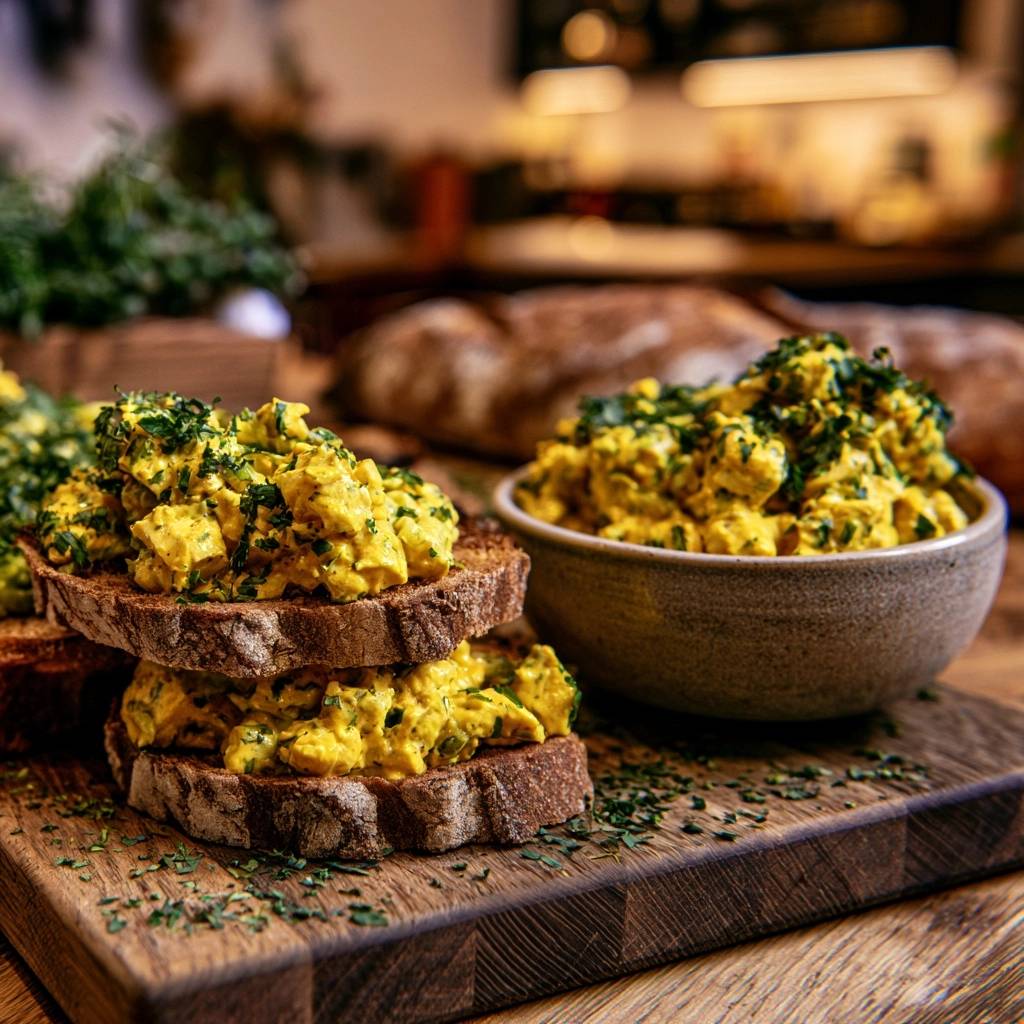
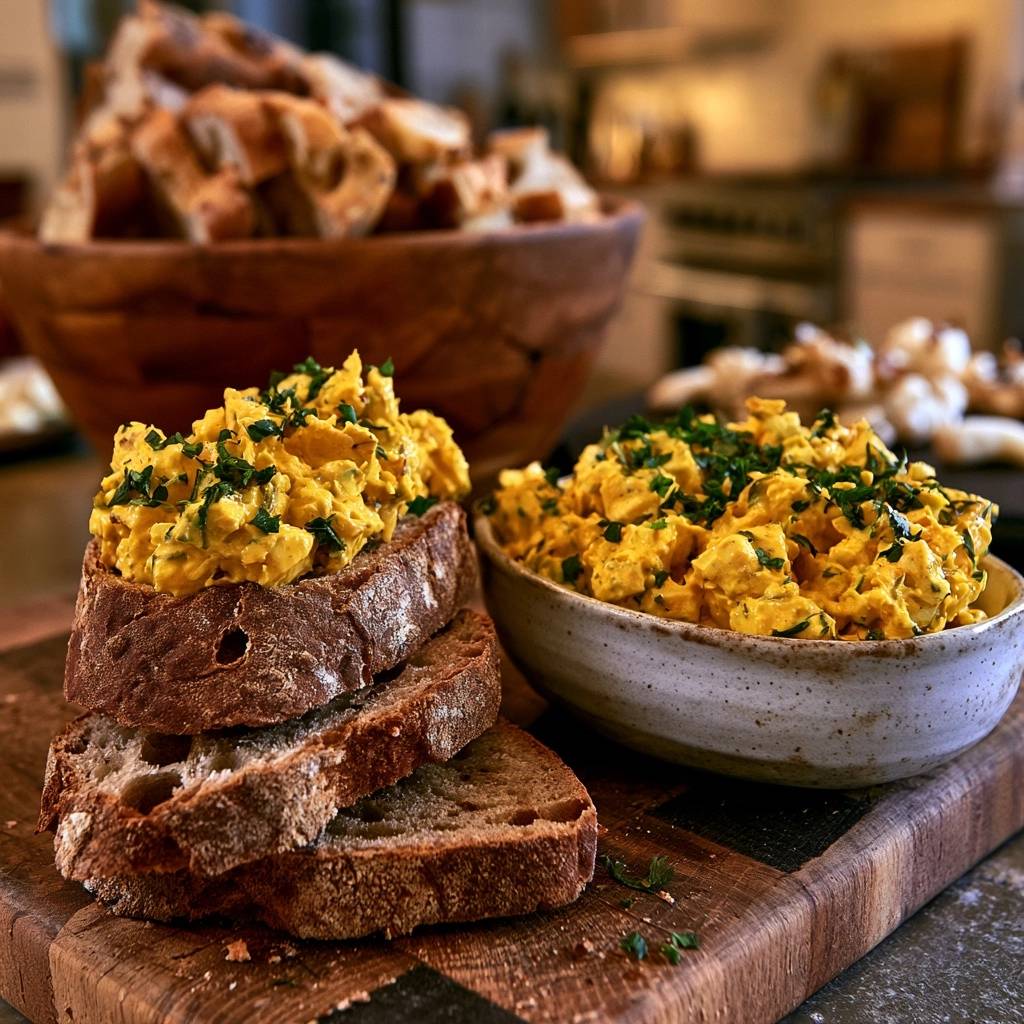
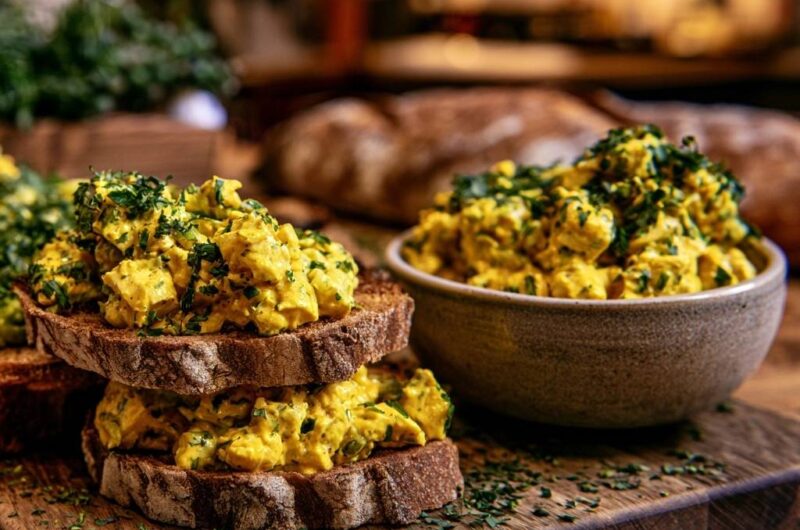
The “Visual Finish” is what transforms this from a simple lunch into a centerpiece dish. Use the remaining half-cup of finely chopped parsley to create a “Green Cap” on top of the salad. Instead of mixing it in, heap it generously over the yellow mounds until the golden color is punctuated by a dense layer of emerald green.
This contrast is a classic culinary trick. The bright green suggests freshness and health, while the golden yellow underneath promises warmth and richness. When you serve this on dark, toasted sourdough, the color palette is sophisticated and incredibly appetizing. It’s a small detail that makes a massive difference in how the meal is perceived.
Make-Ahead Logistics and Storage Safety
This chicken salad is a meal-prepper’s dream because it actually tastes better on the second day. The spices continue to meld and deepen as it sits. It will stay fresh and structurally sound in the refrigerator for 3 to 4 days, provided it is stored in an airtight container.
I recommend using glass containers rather than plastic. Glass is non-porous and won’t absorb the strong aromas of the curry and garlic. It also keeps the salad colder, which helps maintain the “Moisture-Lock” barrier. When you’re ready to eat, just toast your bread fresh and pile on the chilled salad for a perfect, non-soggy experience.
Frequently Asked Questions
Can I use rotisserie chicken for this recipe?
Yes, rotisserie chicken is a fantastic time-saver. However, you must shred or dice it and then chill it completely in the refrigerator before mixing. If you use it while it’s still warm, the mayonnaise will melt and the “Moisture-Lock” will fail, resulting in a greasy texture.
How do I make this chicken salad spicier?
The base recipe uses a mild curry powder for broad appeal. To turn up the heat, you can substitute the mild powder for a hot Madras curry blend. Alternatively, add a 1/4 teaspoon of cayenne pepper or some finely diced fresh serrano chilies to the mayonnaise emulsion before folding in the chicken.
Can I freeze this curried chicken salad?
I do not recommend freezing this dish. Mayonnaise is an emulsion of oil and egg; when frozen and thawed, that emulsion breaks, causing the oil to separate. This will leave you with a grainy, oily mess that lacks the creamy texture essential to a good chicken salad.
Is there a good substitute for celery?
If you aren’t a fan of celery, you can achieve a similar crunch by using finely diced fennel or canned water chestnuts. Fennel adds a slight anise note that pairs beautifully with curry, while water chestnuts provide a neutral, crisp texture that holds up well in the dressing.
Why does my curry powder sometimes taste bitter?
Bitterness in curry powder usually comes from old spices or an imbalance of fenugreek. To avoid this, ensure your spice blend is fresh. Whisking the spices into the acidic lemon juice and fatty mayonnaise helps “bloom” the flavors and mellow out any harsh, bitter edges before they hit your palate.
Creamy Curried Chicken Salad
Course: Main CourseCuisine: AmericanDifficulty: easy4
servings15
minutes15
Minutes380
kcalAmerican
Ingredients
3 cups cooked chicken breast, diced into 1/2-inch cubes
2/3 cup high-quality, full-fat mayonnaise (essential for the moisture barrier)
1 tablespoon mild curry powder
1 teaspoon turmeric powder (for that deep golden visual)
1 cup finely chopped fresh parsley (divided: half for the mix, half for heavy topping)
1/4 cup diced celery, finely minced
1 tablespoon fresh lemon juice
1/2 teaspoon garlic powder
Salt and cracked black pepper to taste
Thick slices of dark, rustic sourdough or rye bread
Directions
- The Moisture-Lock Step: Ensure your diced chicken is completely cold. Pat the chicken dry with a paper towel to remove surface moisture. This prevents the dressing from thinning out and weeping into the bread.
- In a medium bowl, whisk together the mayonnaise, curry powder, turmeric, lemon juice, and garlic powder until the color is a vibrant, uniform gold and the texture is thick.
- Fold the chilled chicken, celery, and 1/2 cup of the chopped parsley into the dressing. Stir firmly until every piece of chicken is fully coated in the thick emulsion. This coating acts as a hydrophobic barrier against sogginess.
- Refrigerate the mixture for at least 30 minutes. This allows the fats in the mayonnaise to set and the spices to bloom, creating a stable salad that won’t run.
- To assemble, toast your rustic bread slices until very firm and dark around the edges. This creates a secondary physical barrier.
- Heap a generous portion of the chilled chicken salad onto the toast.
- The Visual Finish: As shown in the image, heavily coat the top of the salad with the remaining 1/2 cup of chopped parsley until the yellow is punctuated by a dense layer of green. Serve immediately or pack for later; the moisture-lock will keep the bread crisp.
Notes
- The moisture-lock technique relies on using full-fat mayonnaise and chilled, dry chicken to create a hydrophobic barrier that protects the bread from sogginess.