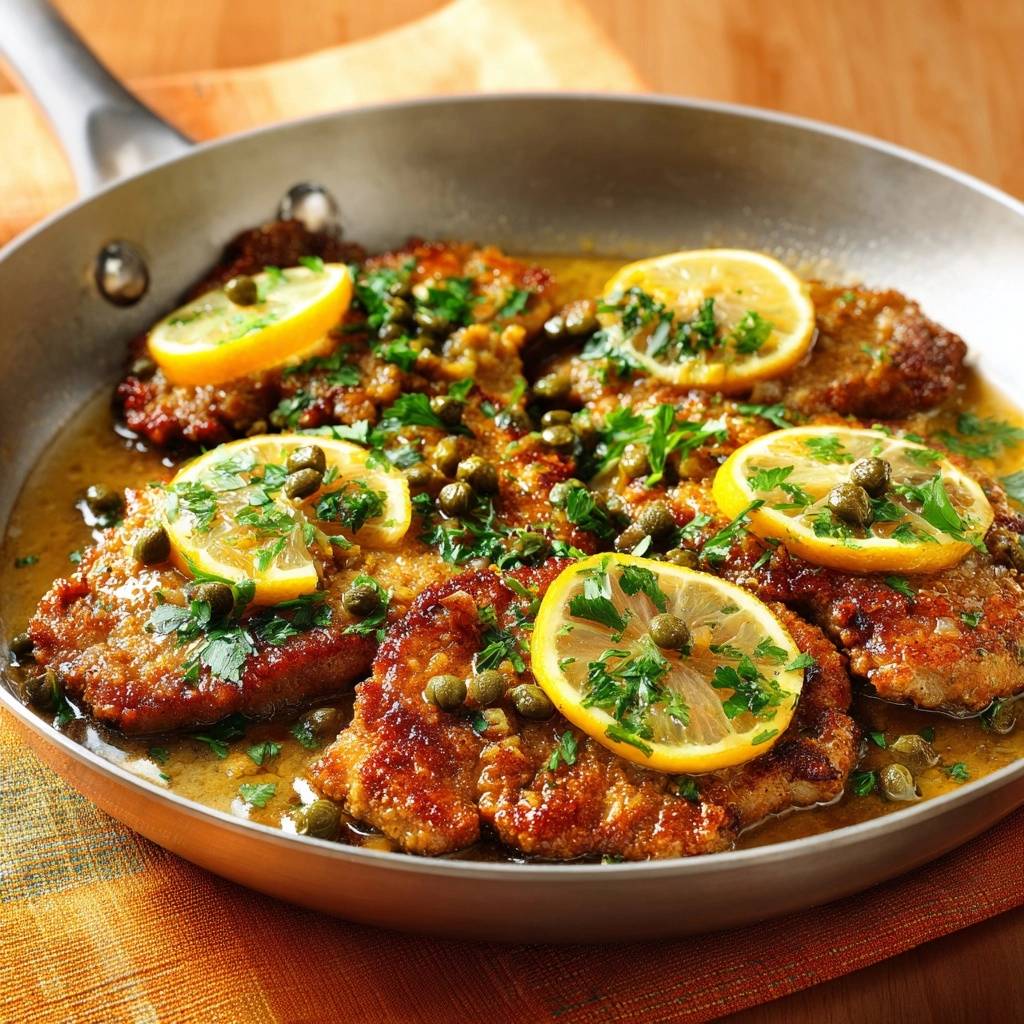
Nothing ruins Chicken Piccata faster than soggy breading that turns mushy in the sauce. You’ve probably dealt with that heartbreak before. This Chicken Piccata recipe fixes it completely by frying the cutlets to golden perfection first, building the sauce separately, and tossing them back in for just 30 seconds.
Therefore, you get that ultra-crispy coating that stays crunchy through every bite. The bright lemon-caper sauce clings just right without soaking through. It’s ready in about 30 minutes, capturing those zesty Italian flavors that make Chicken Piccata irresistible.
Here’s the expertise booster: press the breadcrumbs gently onto the egg-dipped cutlets. That adhesion creates an unbreakable barrier against the sauce. Oh man, the result is pure joy, with glossy cutlets that crunch satisfyingly.
Chicken Piccata Essential Components Breakdown
Pounding Chicken Breasts Thin
Pound those boneless skinless chicken breasts to exactly 1/4-inch thickness. This ensures even cooking so the Chicken Piccata cutlets crisp up uniformly without raw centers. Use a meat mallet or rolling pin inside plastic wrap to prevent mess and tearing.
Thick cutlets steam instead of fry, leading to tough, chewy results. Thin ones transform into tender, crispy perfection. You’ll notice the difference immediately in your Chicken Piccata texture.
Pro tip: season with salt and pepper right after pounding. That flavor penetrates deeply before breading.
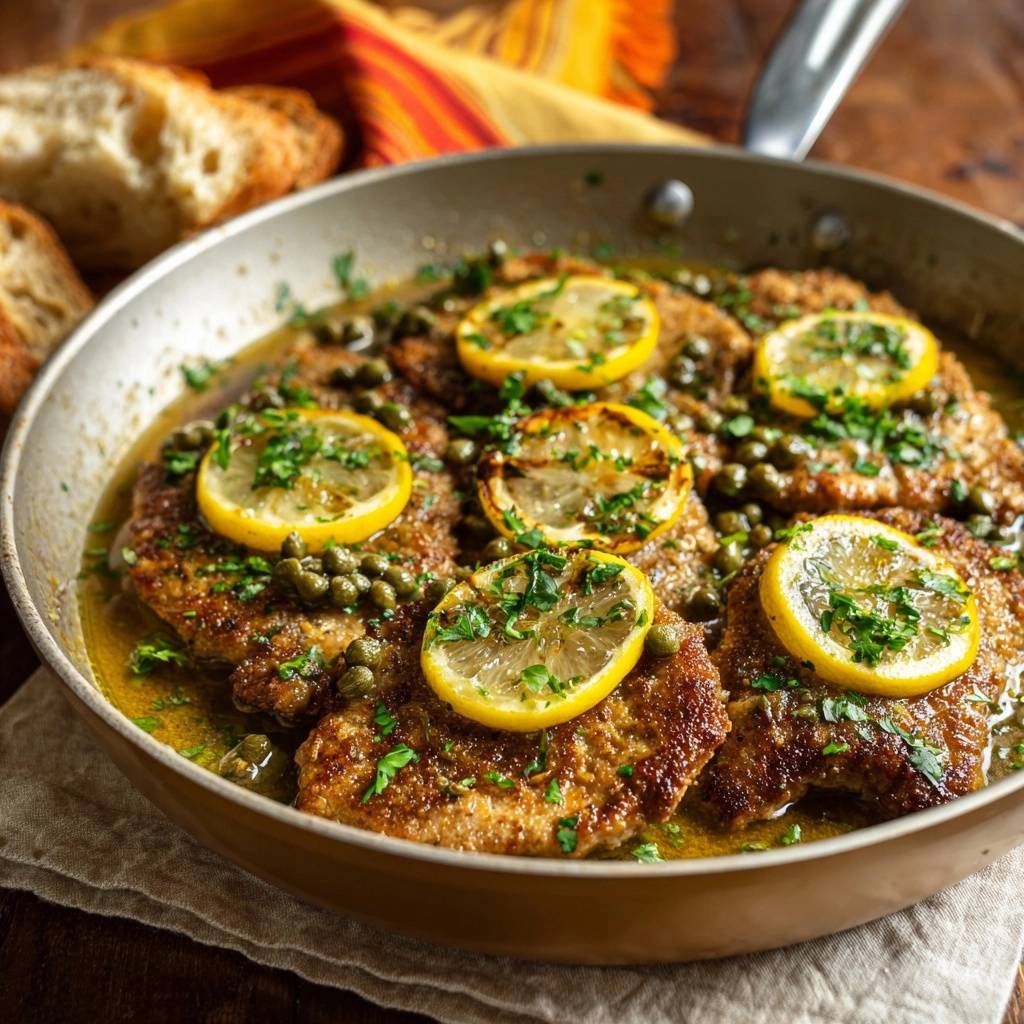
Breading Station Setup Guide
Set up three shallow dishes for your Chicken Piccata breading station: flour first, beaten eggs second, breadcrumbs third. Dredge each cutlet in flour and shake off excess vigorously. Then dip in egg, letting excess drip, and coat evenly in breadcrumbs.
Press the breadcrumbs gently to adhere tightly. This creates a sturdy crust for Chicken Piccata that withstands the sauce. Panko breadcrumbs give extra crunch over regular ones due to their flaky texture.
Don’t skip shaking flour. Excess leads to clumpy breading that falls off during frying.
Lemon-Caper Sauce Building Blocks
Chicken broth forms the base, fresh lemon juice adds bright tang from about two lemons, and drained capers bring salty pop to Chicken Piccata. Fresh lemon beats bottled for vibrant acidity that cuts through richness.
Unsalted butter, divided, controls emulsification perfectly. Chopped fresh parsley finishes with earthy freshness. These elements build a glossy sauce that elevates every bite.
For a similar bright citrus flavor, try this skillet lemon chicken.
In addition, taste the sauce before adding cutlets. Adjust salt to balance the capers’ brininess.
Science of Crispy Chicken Piccata Coating
Maillard Reaction in Frying
Heat oil and butter to shimmering 350°F for the Maillard reaction in Chicken Piccata. This browns proteins and starches in breadcrumbs, creating deep golden crunch and nutty flavor. The sizzling sound tells you it’s ready.
Overcrowding drops the temperature, causing steaming instead of frying. Fry in batches to maintain heat. You’ll see the coating puff slightly as it crisps.
Therefore, transfer to paper towels uncovered. Covering traps steam and softens the crust immediately.
Emulsification for Glossy Sauce
Swirl cold butter into the reduced sauce off heat for stable emulsification in Chicken Piccata. Room-temp butter risks separation as fat globules break. Vigorous stirring binds everything into a silky shine.
The sauce thickens as butter melts slowly, coating the back of a spoon perfectly. This technique prevents greasy pools. Your Chicken Piccata deserves that professional gloss.
Mastering Chicken Piccata Frying Technique
Oil-Butter Heat Precision
Heat 3 tablespoons olive oil and 2 tablespoons butter in a large skillet over medium-high until shimmering. Fry breaded Chicken Piccata cutlets 3-4 minutes per side until deep golden. The aroma of browning butter fills the kitchen.
Work in batches to avoid temperature drops. Drain on paper towels without stacking or covering. This preserves the crisp shell.
Pro tip: wipe the skillet lightly between batches if smoky, but keep those browned bits for sauce flavor.
Avoiding Skillet Overcrowding
Batches ensure the oil stays hot for proper crust formation in Chicken Piccata. Look for even bubbling around edges and a firm, golden exterior. Crowding steams the cutlets pale and soggy.
After frying, move directly to sauce phase. Minimal wiping retains fond for depth.
Chicken Piccata Sauce Reduction Method
Deglazing Browned Bits
Reduce heat to medium, add 1 cup chicken broth, 1/4 cup lemon juice, and 1/4 cup capers. Scrape up browned bits vigorously for rich flavor in Chicken Piccata. Simmer 3-4 minutes until reduced by half, concentrating tanginess.
The sauce bubbles and thickens slightly. Taste and add salt if needed. Those bits dissolve into umami gold.
Final Butter Emulsify Swirl
Remove from heat and swirl in remaining 2 tablespoons cold butter, stirring fast. The sauce turns glossy instantly for Chicken Piccata. Stop if it starts to separate.
This off-heat method locks in the emulsion perfectly.
Quick Coat Finish for Chicken Piccata
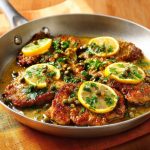
Return crispy cutlets to the skillet and spoon sauce over for exactly 30 seconds. The coating absorbs just enough without sogginess in Chicken Piccata. Remove immediately to plates.
Garnish with chopped parsley and lemon slices. Serve hot with pasta or rice to soak up the sauce. Timing here makes all the difference.
What to Try Next
To round out your chicken piccata meal, consider these complementary dishes.
- For a warm, savory addition to your chicken, try these Cheesy Garlic Breadsticks, perfect for soaking up any extra sauce.
- Add a bright, fresh element to your plate with this Lemon Soy Wakame Salad, offering a zesty contrast to the chicken.
That brief dip clings beautifully, keeping crunch alive bite after bite.
Chicken Piccata Origins and Evolution
Italian Roots in Piccata Style
Chicken Piccata traces to Sicily, meaning “pounded” and sauced thinly sliced meat. Italian-Americans adapted it with breadcrumbs for American palates. This crispy version modernizes it while honoring the zesty tradition.
Lemon and capers evoke Mediterranean brightness. Fry-first tweaks ensure it shines today.
If you enjoy that bright lemon zest, consider trying this tender chicken piccata for another satisfying meal.
Traditional vs. Crispy Updates
Classic Chicken Piccata simmers cutlets in sauce, often leading to sogginess. This method fries first for crunch that lasts. Capers and lemon remain true to roots.
However, the quick coat elevates texture without losing authenticity.
Avoiding Chicken Piccata Pitfalls
Preventing Soggy Breading Disaster
Sauce soaking too long, covering post-fry, or low heat cause soggy Chicken Piccata breading. Fry hot, sauce separately, and coat briefly. Never stack draining cutlets.
These fixes guarantee restaurant-quality crispness every time.
Sauce Separation Troubleshooting
High heat or warm butter breaks Chicken Piccata sauce emulsion. Whisk in ice water or start over off-heat. Prevention beats fixing.
Flavor Twists on Chicken Piccata
Herb and Citrus Swaps
Add thyme or dill for herbal depth in Chicken Piccata. Swap orange juice for milder citrus. Use gluten-free breadcrumbs like panko for adaptations.
These keep the crisp sauce dynamic.
Spice and Thickness Adjustments
Sprinkle mild chili flakes for subtle heat in Chicken Piccata. Thicken sauce with a cornstarch slurry if you prefer clingier coating. Adjust to taste.
Pairing Sides with Chicken Piccata
Angel hair pasta catches the tangy sauce perfectly. Roasted asparagus adds crisp green balance to Chicken Piccata. Garlic mashed potatoes soak up every drop.
Sparkling grape juice cuts through richness beautifully. These sides make the meal complete.
Chicken Piccata Storage Strategies
Make-Ahead and Reheating
Fry cutlets and store sauce separately in fridge up to 2 days for Chicken Piccata. Reheat cutlets in 400°F oven 5-7 minutes to restore crisp. Warm sauce on stove gently.
Freezer Guidelines
Flash-freeze fried cutlets unsauced up to 1 month. Thaw in fridge, refry briefly for Chicken Piccata crunch. Avoid freezing sauced version.
Chicken Piccata Troubleshooting Queries
Why Is My Coating Soggy?
Your Chicken Piccata coating turns soggy from over-saucing, covering after frying, or low fry heat. Fry to deep gold first, coat 30 seconds max, and serve uncovered. Re-crisp in oven if needed.
Can I Use Chicken Thighs?
Yes, pound boneless thighs thin for Chicken Piccata. Trim excess fat to avoid flare-ups. They fry up juicy with the same crisp crust.
How to Fix Broken Sauce?
Broken Chicken Piccata sauce fixes with whisked ice water or cold butter off-heat. Prevent by using cold butter and low simmer. It rebounds glossy fast.
Vegetarian Chicken Piccata Swap?
Bread and fry thin tofu or eggplant slices with the same Chicken Piccata method. Press tofu for firmness. Sauce clings perfectly to mimic texture.
Scaling for Larger Batches?
Double ingredients for Chicken Piccata, set up bigger breading station, fry in 3 batches. Keep sauce ratios same, reduce in wider pan. Crisp stays intact.
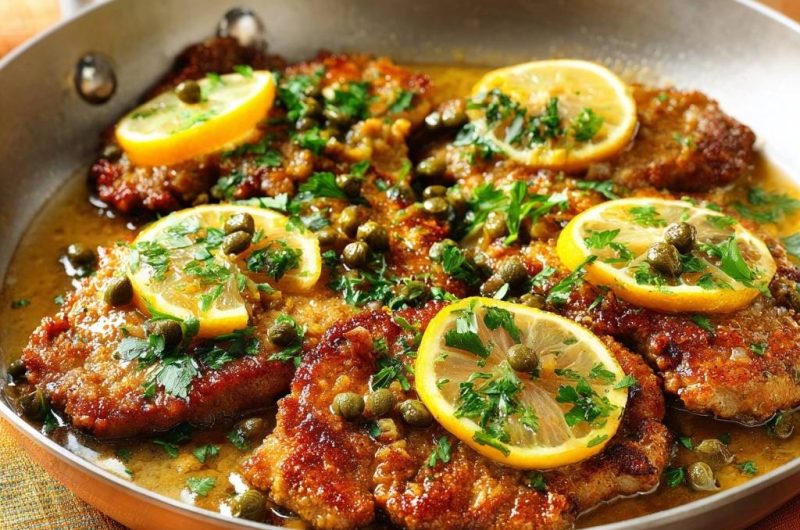
Chicken Piccata
Course: Main CourseCuisine: Italian-AmericanDifficulty: easy4
servings15
minutes15
minutes450
kcal30
MinutesSick of breaded chicken piccata losing its crunch the second it hits the sauce? This recipe nails ultra-crispy coating that stays perfect even after a quick sauce dip. The secret: fry to golden perfection first, build the sauce separately, then toss the cutlets back in for just 30 seconds to coat without soaking. Dinner done right.
Ingredients
4 boneless skinless chicken breasts, pounded to 1/4-inch thin cutlets
1/2 cup all-purpose flour
2 eggs, beaten
1 cup breadcrumbs
Salt and black pepper, to taste
3 tablespoons olive oil
4 tablespoons unsalted butter, divided
1 cup chicken broth
1/4 cup fresh lemon juice (about 2 lemons)
1/4 cup capers, drained
1/4 cup fresh parsley, chopped
Lemon slices, for garnish
Directions
- Season chicken cutlets with salt and pepper. Set up breading station: flour in one shallow dish, beaten eggs in second, breadcrumbs in third.
- Dredge each cutlet in flour, shake off excess, dip in egg, then coat evenly in breadcrumbs. Press gently to adhere.
- Heat 3 tablespoons olive oil and 2 tablespoons butter in large skillet over medium-high heat until shimmering hot (about 350F if using thermometer). Fry cutlets 3-4 minutes per side until deep golden and crispy. Work in batches to avoid crowding. Transfer to plate lined with paper towels. Do not cover.
- Wipe skillet lightly if needed. Reduce heat to medium. Add chicken broth, lemon juice, and capers. Scrape up browned bits. Simmer 3-4 minutes until reduced by half. The chicken is done when it reaches 165°F (74°C) in the thickest part.
- Swirl in remaining 2 tablespoons butter off heat, stirring vigorously until sauce emulsifies into glossy shine. Taste and adjust salt.
- Return crispy cutlets to skillet. Spoon sauce over top for exactly 30 seconds to coat lightly. Remove immediately to prevent sogginess. Garnish with parsley and lemon slices. Serve right away with pasta or rice. Enjoy crunch that lasts!
Notes
- Do not cover the fried cutlets to maintain crispiness. Serve immediately with pasta or rice for best results.