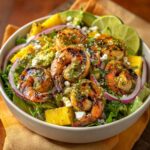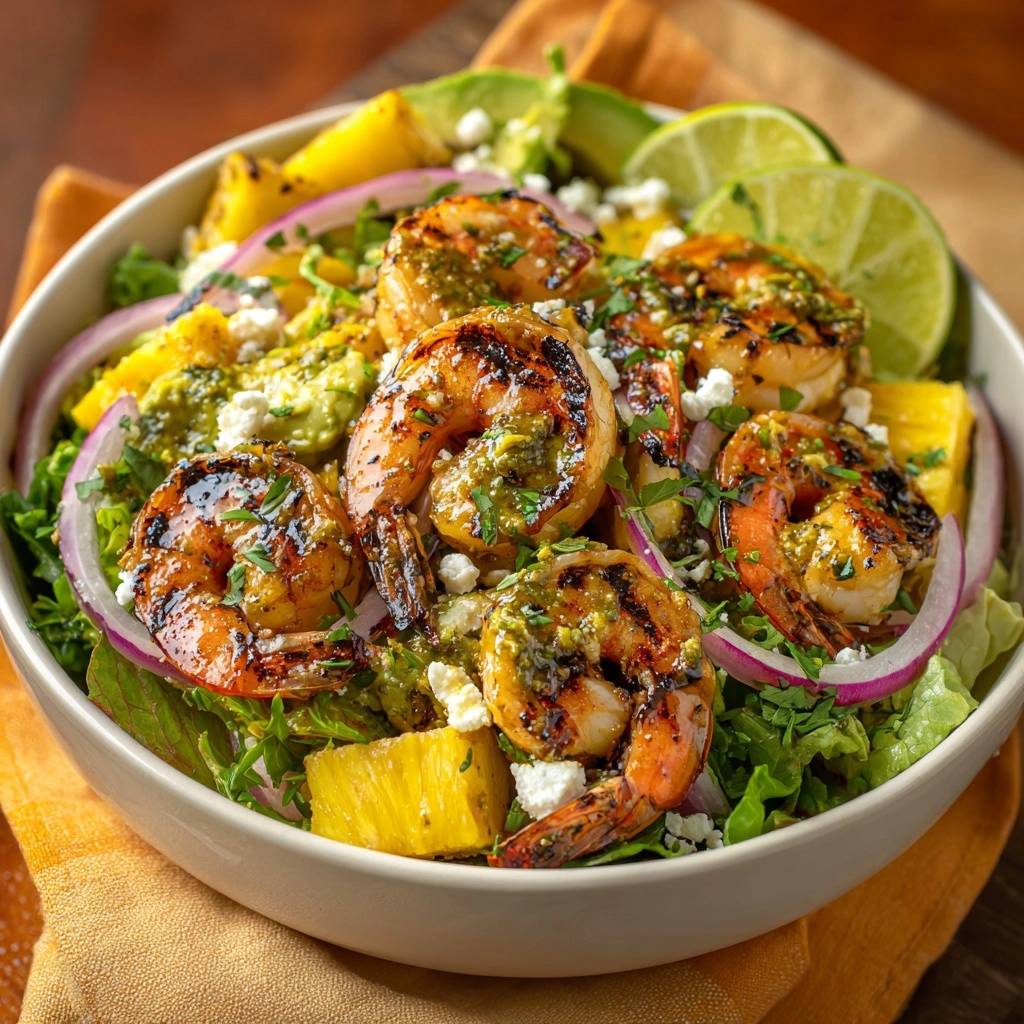
Stop settling for tough, tasteless shrimp that feels like chewing on a rubber band. Most home cooks struggle with seafood because it transitions from raw to overdone in a matter of seconds. This Grilled Cilantro Lime Shrimp Salad solves that frustration by using a professional “Dry-Brine” technique to lock in moisture before the heat even touches the pan.
Imagine biting into a succulent, charred shrimp that snaps with freshness, followed by the smoky sweetness of grilled pineapple and the creamy richness of ripe avocado. The zesty chimichurri ties everything together, creating a vibrant bowl that tastes like a tropical vacation. This isn’t just a quick lunch; it’s a masterclass in balancing acidity, fat, and fire.
The secret to this recipe’s success lies in the timing of the salt and zest. While many people marinate shrimp in lime juice for hours, that actually “cooks” the delicate proteins and results in a mushy texture. By using only the zest and salt for a ten-minute window, you season the meat deeply while keeping the fibers firm and juicy. You’ll get that perfect restaurant-quality sear every single time.
The Science of the 10-Minute Dry Brine
When you toss raw shrimp with sea salt and lime zest, you’re initiating a chemical transformation. Salt is a powerful denaturant that begins to break down the tightly wound protein strands in the shrimp. This process allows the cells to retain more water during the intense heat of grilling, preventing that dreaded shrunken, dry result.
However, you must be careful with the clock. Ten minutes is the absolute sweet spot for this technique. If you let the shrimp sit too long with acidic lime juice, the acid will break down the proteins too much, leading to a texture similar to ceviche. By using the zest instead of the juice for the brine, you get all the aromatic citrus oils without the structural damage of the citric acid.
This short rest also allows the garlic powder and cracked black pepper to adhere to the shrimp. Because the salt draws a tiny bit of moisture to the surface, it creates a thin “glue” for the spices. This ensures that your seasonings stay on the shrimp rather than falling off into the grill grates, resulting in a much bolder flavor profile.
Essential Components for the Perfect Shrimp Salad
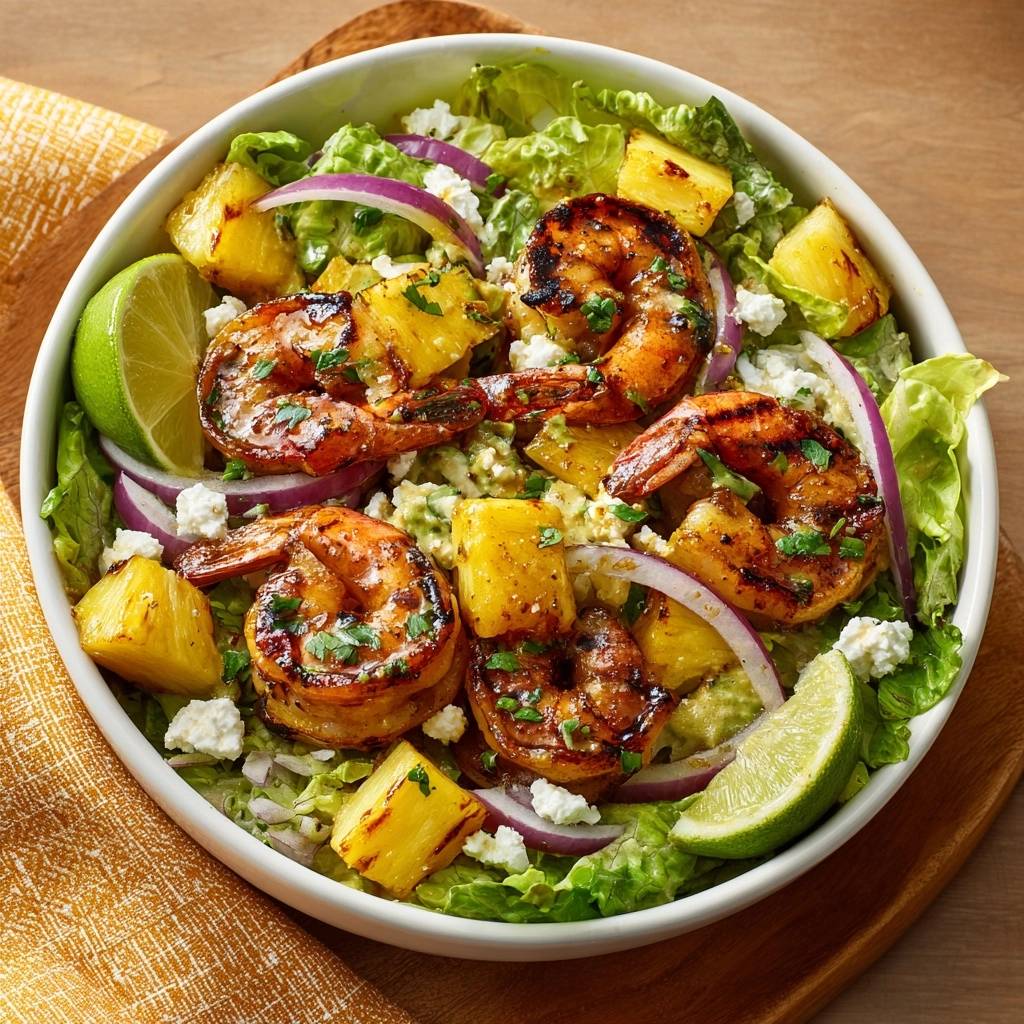
Quality ingredients are the backbone of this dish, especially since the cooking time is so brief. I always recommend using jumbo shrimp, specifically the 16/20 count. These are large enough to develop a deep, caramelized crust on the outside without overcooking in the center. Smaller shrimp often turn into “rubber bands” before you can even get a good sear on them.
The balance of fats is equally important for a satisfying meal. The creamy avocado and salty feta cheese provide a necessary counterpoint to the sharp acidity of the lime and the herbal punch of the chimichurri. Without these rich elements, the salad can feel too lean or one-dimensional. Freshly crumbled feta is always better than the pre-crumbled kind, as it retains more moisture and a tangier bite.
Selecting and Preparing Jumbo Shrimp
When shopping, look for shrimp that are firm to the touch and smell like the ocean, not like ammonia. I prefer buying them “easy-peel” but with the tails still attached. Leaving the tails on provides a convenient handle for flipping them on the grill and makes for a much more impressive presentation in the final bowl.
If you have the choice, wild-caught shrimp generally offer a more robust, sweet flavor compared to farm-raised varieties. Regardless of what you buy, ensure they are thoroughly deveined. You can do this by making a shallow slit down the back and removing the dark vein with the tip of a knife, which ensures a clean taste and better texture.
The Role of Chimichurri as a Dual-Purpose Element
Chimichurri is the MVP of this recipe because it works double duty. It contains olive oil, vinegar, and fresh herbs like parsley and oregano, which makes it an incredible basting liquid. When you brush it onto the shrimp during the final minute of grilling, the heat slightly toasts the herbs and garlic, creating a savory glaze.
The remaining sauce serves as your primary dressing. Since it hasn’t been heated, it retains a bright, raw energy that cuts through the charred flavors of the pineapple and shrimp. This layering of cooked and raw flavors is what gives the salad its professional, multi-dimensional taste.
Step-by-Step: Achieving the Perfect High-Heat Sear
To get those dark, defined grill marks, you need to understand the Leidenfrost effect. This happens when the cooking surface is so hot that a liquid touching it produces an insulating layer of vapor. If your pan isn’t smoking hot, the shrimp will simply steam in their own juices rather than searing, leading to a grey, unappetizing appearance.
Phase 1: Preheating and Surface Preparation
Whether you’re using an outdoor grill or a heavy cast-iron grill pan, give it at least five to seven minutes to preheat on high. You want to see a faint wisp of smoke rising from the surface. This intense heat is what creates the Maillard reaction, the chemical process responsible for that delicious browned flavor.
Don’t oil the grates too early, or the oil will burn and turn bitter. Instead, lightly brush the grates with a high-smoke-point oil right before you lay the shrimp down. This creates a temporary non-stick barrier that allows for a clean flip. Since the shrimp are already tossed in a bit of olive oil, they are less likely to stick if the pan is truly hot.
Phase 2: The 3-Minute Rule for Texture
Place your shrimp on the heat and leave them alone. If you try to move them too early, they will tear. After about two to three minutes, you’ll see the edges turning pink and a beautiful char forming. Flip them once and immediately brush the cooked side with your chimichurri sauce.
Watch the shape of the shrimp closely. A perfectly cooked shrimp forms a “C” shape. If it curls tightly into an “O,” it’s overcooked and will be tough. Remove them from the heat the moment they turn opaque. Remember, residual heat will continue to cook the shrimp for about thirty seconds after they leave the pan.
Phase 3: Caramelizing the Pineapple Wedges
While the shrimp are finishing, give the pineapple wedges their time to shine. The natural sugars in the fruit will caramelize quickly over high heat, turning the bright yellow flesh into a smoky, golden treat. This transformation reduces the sharp acidity of the fruit and brings out a deep, honey-like sweetness.
For another delightful way to enjoy shrimp, check out this vibrant shrimp rice noodle salad.
Grill the wedges for about two minutes per side until you see those distinct black lines. Once they are off the grill, you can chop them into bite-sized chunks. The contrast between the warm, sweet fruit and the cool, crisp romaine lettuce is one of the best parts of this entire dish.
Avoiding Common Mistakes with Grilled Seafood
The most common mistake is overcrowding the pan. If you put too many shrimp in at once, the temperature of the grill will drop instantly. This causes the shrimp to release moisture and boil rather than sear. Cook in batches if you need to; it only takes a few minutes, and the results are worth the extra effort.
Another pitfall is a watery salad base. If you don’t dry your greens thoroughly after washing, the dressing won’t stick, and you’ll end up with a puddle at the bottom of the bowl. Use a salad spinner or pat the leaves dry with paper towels. Similarly, let the grilled pineapple rest for a minute before chopping so the juices don’t swamp the lettuce.
Preventing the “Rubber Band” Texture
Always keep a plate ready next to the grill. Because shrimp are so small, they don’t have the thermal mass of a steak. They go from perfect to rubbery in the time it takes to walk across the kitchen. Pull them off the heat when they still look just a tiny bit translucent in the very center; the carryover cooking will finish them perfectly.
Managing Moisture in the Salad Base
To keep the salad looking fresh, slice your avocado at the very last second. Avocado oxidizes and turns brown when exposed to air, which can ruin the visual appeal of your bowl. If you’re prepping ahead, toss the avocado slices in a little extra lime juice to create a protective acidic barrier that keeps them green and beautiful.
Flavor Variations and Ingredient Swaps
This recipe is incredibly flexible. If you aren’t a fan of shrimp, you can use the exact same dry-brine and grilling technique with firm white fish like halibut or mahi-mahi. Just cut the fish into one-inch chunks and adjust the grill time slightly. Even thick slices of halloumi cheese work beautifully with these tropical flavors.
For those who find cilantro tastes like soap, don’t worry. You can easily swap the cilantro in the chimichurri for flat-leaf parsley or even a mix of fresh mint and basil. If you want more heat, finely dice a charred jalapeño and toss it into the greens. The smoky spice pairs perfectly with the sweetness of the grilled pineapple.
What to Serve with Grilled Cilantro Lime Shrimp Salad
While this salad is a complete meal on its own, a few side additions can make it even more substantial. A side of toasted sourdough rubbed with a raw garlic clove is perfect for soaking up the extra chimichurri and avocado mash at the bottom of the bowl. It adds a satisfying crunch that complements the tender shrimp.
If you’re serving a larger crowd, a chilled quinoa pilaf or a simple corn and black bean salad makes a great companion. These earthy flavors ground the bright, acidic notes of the shrimp. For a refreshing drink, sparkling cranberry juice with a squeeze of lime fits the tropical theme perfectly without overshadowing the delicate seafood.
Expert Troubleshooting: FAQ
Can I use frozen shrimp for this recipe?
Yes, frozen shrimp work perfectly as long as you thaw them correctly. The best way is to leave them in the refrigerator overnight. If you’re in a rush, place the sealed bag of shrimp in a bowl of cold water for about 20 minutes. Always pat them bone-dry with paper towels before adding the oil and spices, or they won’t sear properly.
How do I prevent the shrimp from sticking to the grill?
Sticking usually happens for two reasons: the grill isn’t hot enough, or you’re trying to flip them too soon. When the protein is properly seared, it will naturally release from the cooking surface. Also, ensure your shrimp are lightly coated in oil before they hit the heat. This creates a necessary barrier between the delicate meat and the metal grates.
Can I make the chimichurri sauce in advance?
Absolutely. In fact, chimichurri often tastes better after the flavors have had a few hours to mingle. You can make it up to 24 hours in advance and store it in an airtight container in the fridge. Just give it a good stir before using, as the oil and vinegar will naturally separate over time.
What is the best substitute for feta cheese?
If you don’t have feta, Cotija cheese is a fantastic alternative that fits the Latin-inspired flavors of the lime and cilantro. It has a similar salty, crumbly texture. If you prefer something milder, goat cheese adds a lovely creaminess, though it is much softer and will blend into the dressing more than feta does.
How do I store leftovers without the shrimp getting tough?
Store the shrimp and the salad components in separate airtight containers in the refrigerator for up to two days. To keep the shrimp tender, avoid reheating them in the microwave. Instead, eat them cold or let them come to room temperature before adding them back to your salad. Cold grilled shrimp actually hold their “snap” much better than reheated ones.
Make-Ahead Strategies and Meal Prep Storage
If you’re prepping this for work lunches, keep the “wet” and “dry” ingredients separate. Pack the romaine, onion, and feta in one container, and keep the grilled shrimp and pineapple in another. Store the chimichurri in a small dressing pot. This prevents the greens from wilting and keeps the shrimp from becoming soggy.
Wait to slice the avocado until you’re ready to eat, or use individual pre-packed guacamole cups for convenience. When you’re ready for lunch, simply toss everything together. The shrimp are delicious cold, so there’s no need to worry about finding a microwave. This makes it one of the best high-protein, low-carb meal prep options for a busy week.
Grilled Shrimp Salad
Course: Main CourseCuisine: AmericanDifficulty: easy4
servings15
minutes6
minutes340
kcal21
MinutesA vibrant and tropical salad featuring jumbo shrimp seasoned with a lime zest dry brine, grilled to perfection alongside caramelized pineapple and served over fresh greens with chimichurri and feta.
Ingredients
1 pound jumbo shrimp, peeled and deveined (tails on)
2 cups fresh pineapple, cut into thick wedges
1 large avocado, sliced
1/2 red onion, thinly sliced into rings
4 cups chopped romaine or spring mix
1/4 cup crumbled feta cheese
1/4 cup fresh cilantro, chopped
2 limes (one for zesting, one cut into wedges for garnish)
3 tablespoons olive oil, divided
1 teaspoon garlic powder
1/2 teaspoon sea salt
1/2 teaspoon cracked black pepper
1/3 cup chimichurri sauce (for basting and drizzling)
Directions
- The Anti-Rubber Secret: In a medium bowl, toss the raw shrimp with 1 tablespoon of olive oil, garlic powder, salt, pepper, and the zest of one lime. Let this sit for exactly 10 minutes. This short dry-brine seasons the meat deeply and prevents the proteins from tightening up too quickly on the grill.
- High Heat Sear: Preheat your grill or cast-iron grill pan to high heat. To achieve the dark, defined char marks seen in the image, the surface must be smoking hot before the shrimp touch it.
- The 3-Minute Rule: Lightly brush the grill grates with oil. Place the shrimp and pineapple wedges on the grill. Cook the shrimp for 2 to 3 minutes on the first side until deep grill marks form. Flip the shrimp and immediately brush the charred side with a spoonful of chimichurri. Cook for 1-2 minutes more until opaque and “C” shaped. Remove immediately to prevent toughening.
- Char the Fruit: Grill the pineapple for 2-3 minutes per side until caramelized edges appear. Remove and cut into bite-sized chunks if desired.
- Assemble the Base: Layer the greens in a large bowl. Toss the greens lightly with a squeeze of lime and a teaspoon of olive oil. Top with the grilled pineapple, red onion rings, and sliced avocado.
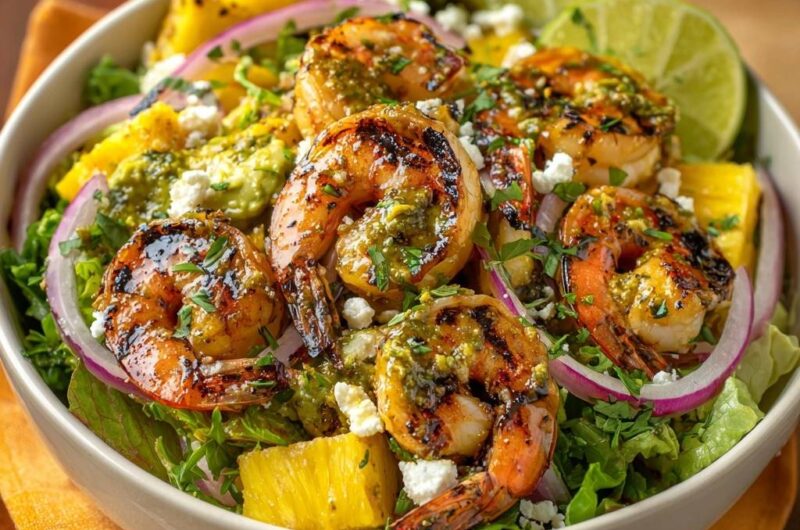
- Final Touch: Arrange the warm, succulent shrimp on top. Sprinkle generously with crumbled feta and fresh cilantro. Drizzle the remaining chimichurri over the shrimp and avocado to recreate the vibrant green glaze in the photo. Serve immediately with lime wedges on the side.
Notes
- Use the Dry Brine method by tossing shrimp in salt and zest for 10 minutes to prevent a rubbery texture. Ensure the grill is smoking hot to achieve deep char marks without overcooking the meat.