I know the universal disappointment of biting into a tough, dense “sinker” instead of the light, airy cloud we crave in soup. After years of perfecting this simple, foolproof method, I can confidently share my recipe for Classic Matzah Ball Soup that guarantees delicate floaters every time.
The secret to success lies in mastering one non-negotiable step-patience and a long chill-which fundamentally transforms the texture of the matzah meal.
The Secret to Lightness: Why This Recipe Beats the “Dense Rock” Problem
Achieving matzah ball perfection relies on managing hydration and inhibiting gluten development, two factors often overlooked in quick recipes.
Our method focuses entirely on creating internal air pockets before the balls ever hit the heat, ensuring they puff up beautifully during the simmer.
The ‘Lock-In’ Technique: Mastering Matzah Meal Hydration
Matzah meal, when immediately mixed and cooked, behaves much like flour, activating gluten and leading directly to tough, rubbery results.
Refrigeration forces the matzah meal to hydrate slowly and evenly over several hours, preventing the formation of those undesirable, tough gluten strands.
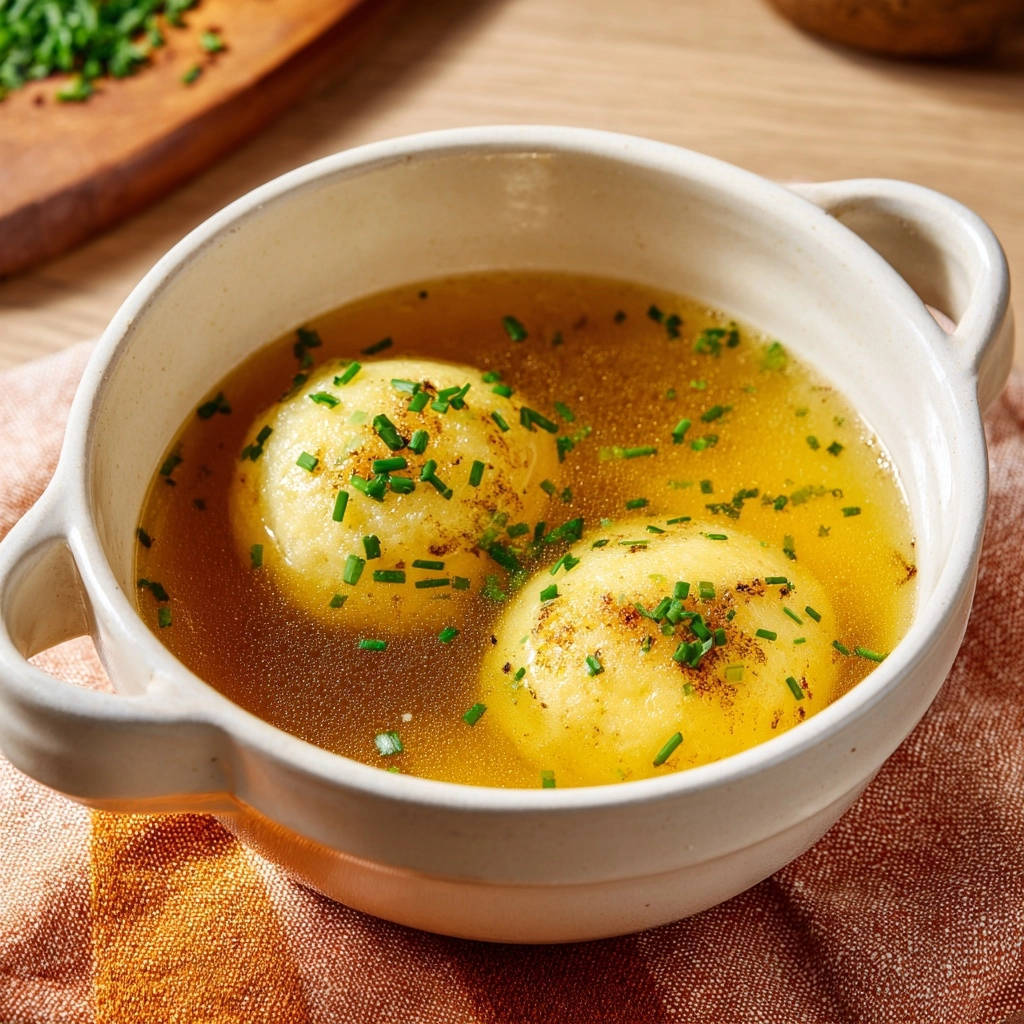
This minimum four-hour rest period-the essential “lock-in”-is crucial for achieving that airy, melt-in-your-mouth texture that defines a true floater.
Simmering Success: Gentle Heat for Maximum Fluffiness
A rapid, rolling boil is detrimental to the delicate structure; the aggressive movement causes the balls to break apart or seize up and become rubbery.
The key is the “gentle simmer fix,” meaning the broth should barely be moving, relying on heavy steam rather than intense boiling to cook the balls.
Keeping the pot tightly covered traps the steam, ensuring they cook uniformly from the inside out and puff up to their maximum potential over 25 to 30 minutes.
Essential Building Blocks: Selecting Your Matzah Ball Ingredients
The quality and type of your ingredients play a significant role in both flavor and texture. Selecting the right components ensures your matzah balls are flavorful and structurally sound.
Choosing Your Matzah Meal: Fine vs. Coarse Grind
Most commercial matzah meal is a medium-fine grind, which works perfectly for achieving a lighter, fluffier texture in this recipe.
If you opt for a coarser grind, the particles absorb moisture more slowly; you may need to add an extra tablespoon of cold liquid to the batter to prevent a dry result.
Always use fresh matzah meal, as old meal can be dry and may lead to inconsistent hydration.
Oil vs. Schmaltz: Selecting the Right Fat for Flavor and Texture
Neutral oil, such as canola or vegetable oil, provides the necessary fat for binding without overpowering the delicate chicken broth flavor.
Traditionally, rendered chicken fat, or schmaltz, is used; this choice adds unparalleled richness, savory depth, and a classic flavor profile.
The fat helps inhibit gluten development and coats the matzah particles, which is vital for a moist and tender final product.
The Role of Cold Liquids and Eggs in Binding
Using cold water or cold broth helps keep the mixture temperature low, intentionally slowing down any immediate gluten activation during the initial mixing phase.
The four large eggs serve as the essential binder, holding the entire structure together so the balls don’t disintegrate during the long, gentle simmer.
This egg-to-meal ratio provides the perfect balance of binding strength without making the mixture overly dense.
Prepping for Perfection: Essential Equipment and Time Management
While this recipe is simple, proper planning around the chilling time and using the right equipment are non-negotiable steps for success.
The Only Tools You’ll Need for Classic Matzah Ball Soup
You don’t need specialized gadgets, but having the right size pot with a truly secure lid is absolutely critical for the steaming process.
Gathering your mise en place before starting ensures a smooth preparation flow.
Complementary Flavors
To round out your meal, consider these delightful potato dishes.
- For a satisfying crunch alongside your Matzah Ball Soup, try these Crispy Potato Latkes, offering a perfect crispiness.
- Explore another approach to the classic potato pancake with this Crispy Potato Latkes: Crunchy Perfection Guide, which promises excellent texture.
- Medium mixing bowl (for preparing and chilling the batter).
- Large, heavy-bottomed pot with a tightly fitting lid (crucial for maintaining temperature and trapping steam).
- Standard measuring cups and spoons.
Managing the Mandatory Four-Hour Chill
The absolute best approach is to prepare the matzah ball mixture the night before you plan to serve the soup, allowing it to chill for 8 to 12 hours.
A longer rest ensures maximum hydration and results in the lightest, fluffiest matzah balls possible.
Ensure the bowl is covered tightly with plastic wrap pressed directly against the surface to prevent the batter from drying out or forming a crust.
The Step-by-Step Method for Classic Matzah Ball Soup (Recipe Directions)
- Preparing the Wet Base:
In a medium bowl, gently whisk the four large eggs until they are just combined, without incorporating too much air. Add the oil or schmaltz, the 1/4 cup of cold water or broth, salt, and pepper, mixing lightly until smooth.
- Incorporating the Matzah Meal:
Add the entire cup of matzah meal to the wet mixture all at once. Stir very gently using a rubber spatula until the dry meal is just moistened.
This step is critical: immediately stop mixing the moment everything is combined, as overworking the dough is the enemy of a fluffy matzah ball.
- The Critical Resting Period:
Cover the bowl tightly and refrigerate the mixture for a minimum of 4 hours, though an overnight chill is highly recommended.
This allows the matzah meal to fully hydrate without becoming overworked, resulting in the lightest final product when cooked.
- Shaping the Matzah Balls:
Fill a small bowl with cold water and keep it nearby; dipping your hands prevents the sticky mixture from adhering.
Gently roll the chilled mixture into uniform balls approximately 1.5 inches in diameter; aim for a light touch and do not compress them tightly.
This recipe should yield a consistent batch of 10 to 12 light, evenly sized matzah balls.
- Preparing the Broth for Simmering:
Bring 6 cups of quality chicken broth to a rapid, rolling boil in your large pot.
Immediately reduce the heat to the absolute lowest setting so the broth is barely simmering, or just steaming gently without visible bubbles breaking the surface.
- The Gentle Cook and Steam:
Carefully drop the prepared matzah balls into the gently steaming broth. They must not be cooked in a rapid boil, as high agitation causes breakage or toughness.
Cover the pot tightly and simmer (do not boil) for 25 to 30 minutes without lifting the lid, allowing the steam to cook them thoroughly.
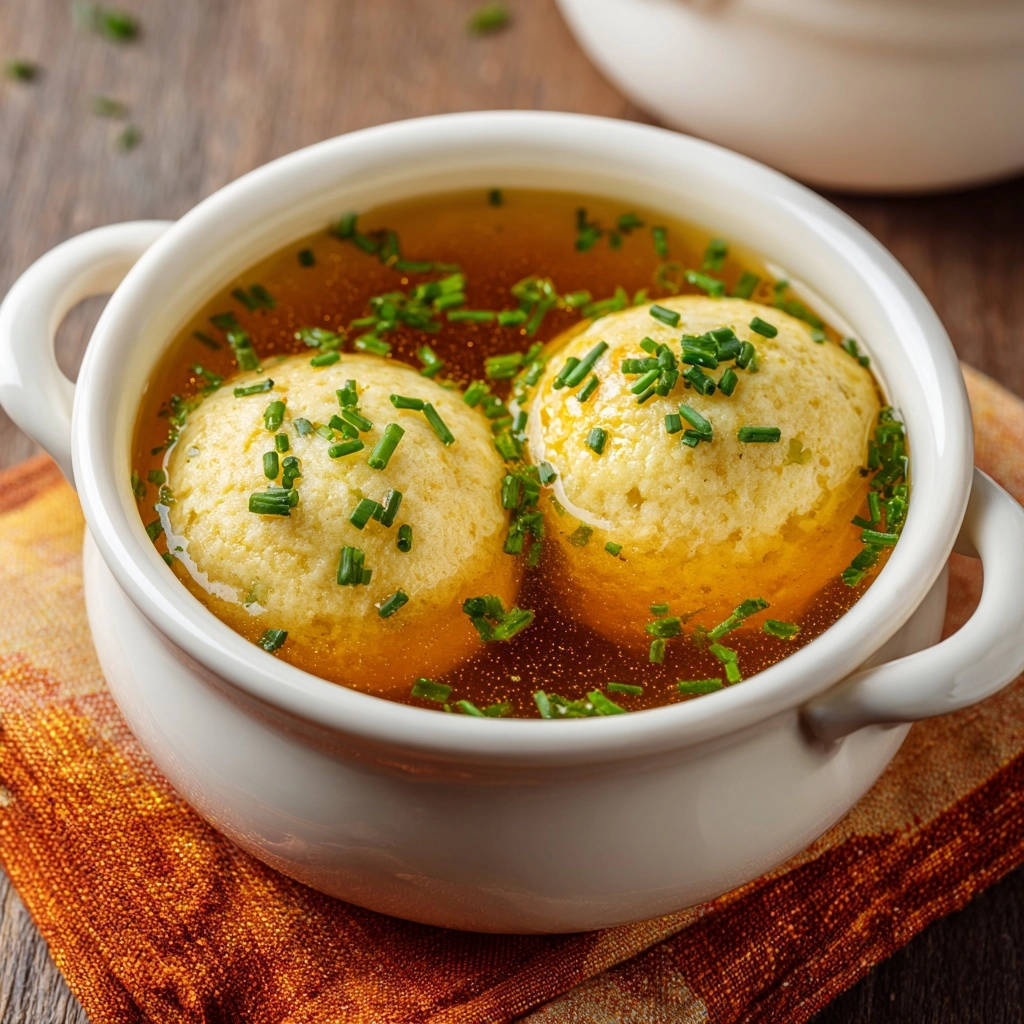
The matzah balls are done when they have doubled in size and float freely near the top of the liquid.
- Serving and Garnish:
Ladle the rich broth and your perfectly airy matzah balls into warm serving bowls.
Garnish generously with finely chopped fresh chives for a bright, aromatic finish before serving hot.
For another warming broth, consider the hearty chicken noodle soup.
Troubleshooting and Pro Chef Secrets for Matzah Ball Success
Even seasoned cooks sometimes encounter issues. Use these expert tips to ensure every batch of your Classic Matzah Ball Soup is flawless.
Preventing Density: Avoid the Two Worst Mistakes
The two cardinal rules for achieving fluffiness are simple: never overmix the batter and never over-compress the balls during shaping.
Overmixing develops gluten immediately, while compressing the balls removes the crucial air pockets needed for expansion during cooking.
When shaping, use the absolute lightest pressure necessary to form a sphere, treating the mixture like delicate playdough.
What to Do If Your Matzah Balls Are Falling Apart
The most common cause for disintegration is cooking the balls in a broth that is boiling too rapidly; confirm your heat setting is truly at the lowest simmer.
If the broth temperature is correct, falling apart can be a sign of insufficient binder, possibly due to using small eggs or inadequate chilling time (less than the minimum 4 hours).
Achieving the Perfect Uniform Size
Uniformity in size is critical because it ensures that every matzah ball cooks completely and evenly in the same time frame.
A small cookie scoop or a standard 1.5-inch measuring spoon provides consistent portions before you gently roll them by hand.
Flavor Boosters: Elevating the Broth and Garnish
The matzah balls absorb flavor from the broth, so start with a high-quality, deeply savory stock.
For an immediate flavor boost, stir in one tablespoon of fresh chopped dill or parsley directly into the simmering broth during the last five minutes of cooking.
Sautéing a small amount of finely minced carrots and celery in the fat before adding the broth adds complexity and sweetness to the soup base.
For those who appreciate a good garnish, you might also enjoy adding a touch of freshness to a creamy shredded chicken stew.
Serving, Storage, and Reheating Your Classic Comfort Food
Matzah balls continue to absorb broth even after cooking, so proper storage is essential to maintain their texture.
Best Practices for Serving Classic Matzah Ball Soup
Serve the soup piping hot immediately after the 25 to 30 minute simmer time is complete for the best texture.
If you need to hold the soup before serving, keep the covered pot on the lowest setting for up to 20 minutes, or remove the matzah balls entirely.
Once removed from the heat, matzah balls rapidly begin absorbing the surrounding liquid, becoming heavier over time.
Making Ahead: Can You Prepare the Batter Early?
Yes, the raw matzah mixture is exceptionally robust and actually benefits from an extended chilling period.
Feel free to prepare the batter 12 to 24 hours in advance; this longer resting time guarantees maximum hydration and lighter texture.
Always shape the matzah balls immediately before cooking them in the broth for the best results, rather than chilling them pre-shaped.
Storage and Freezing Tips for Matzah Balls (Cooked)
To preserve their fluffy texture, cooked matzah balls should be stored separately from the chicken broth in a sealed container in the refrigerator for up to 4 days.
When ready to serve, reheat the broth and gently nestle the matzah balls back in to warm them through without overcooking.
While you can freeze cooked matzah balls, the cellular structure breaks down, and the texture often degrades significantly upon thawing and reheating; fresh preparation is always recommended.
Frequently Asked Questions (FAQs)
Here are answers to common questions about preparing and enjoying this staple comfort dish.
What Is the Difference Between Sinkers and Floaters?
“Sinkers” are dense, tough matzah balls that sink to the bottom of the pot, typically caused by overmixing or heavy compression during shaping.
“Floaters,” which this Classic Matzah Ball Soup recipe delivers, are light, airy, and delicately float on the surface of the broth, indicating a successful preparation.
Can I Use Vegetable Broth Instead of Chicken Broth?
Absolutely; a high-quality, flavorful vegetable broth is a perfect substitution for a vegetarian version of the soup.
Ensure your vegetable stock is well-seasoned, as they sometimes lack the depth and savoriness of a traditional chicken broth.
Is Matzah Ball Soup Only for Passover?
While this dish is culturally iconic and central to the Passover Seder, it is a celebrated staple of Jewish cuisine enjoyed all year long.
It is widely regarded as the ultimate comfort food, often served as a soothing remedy or simply as a satisfying, delicious starter.
Ready to Impress? Share Your Classic Matzah Ball Soup Masterpiece!
You now hold the definitive, expert method for creating perfectly light and airy matzah balls-no more dense disappointments.
Embrace the patience required for the chilling step, respect the gentle simmer, and you will achieve soup perfection every time.
I encourage you to try this technique and share your floater success stories, or let me know what flavor boosters you added to your Classic Matzah Ball Soup!
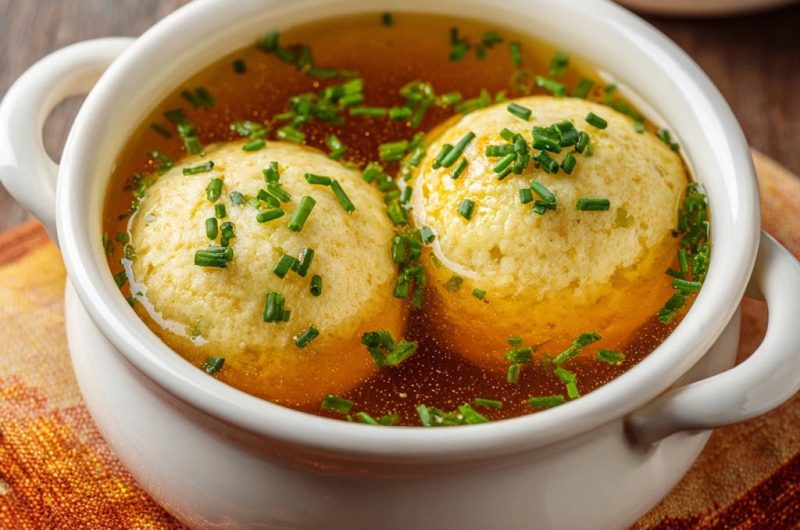
Matzah Ball Soup
Course: Soups-StewsCuisine: Eastern EuropeanDifficulty: medium6
servings (10-12 matzah balls)15
minutes30
minutes240
kcal45
minutesNever suffer through heavy, dense matzah balls again! This recipe utilizes a simple, patient technique—a 4-hour minimum chill time—to ensure your matzah balls are delicate floaters, not sinkers. Combined with a gentle simmer, you’ll get light and airy results every single time.
Ingredients
1 cup Matzah meal
4 large Eggs
1/4 cup neutral Oil (or melted chicken fat/schmaltz)
1/4 cup cold Water or Broth
1 teaspoon Salt
1/4 teaspoon ground Black Pepper
6 cups Chicken Broth (low sodium)
2 tablespoons fresh Chives, finely chopped (for garnish)
Directions
- Prepare the Matzah Mix Base: In a medium bowl, gently whisk the eggs until just combined. Add the 1/4 cup of oil, the 1/4 cup of cold water or broth, salt, and pepper. Mix lightly until smooth.
- Incorporate the Matzah Meal: Add the matzah meal to the wet mixture all at once. Stir gently until everything is moistened. Do not overmix; overmixing develops gluten and is the enemy of a fluffy matzah ball.
- The Light and Fluffy Lock-In Technique: This is the most critical step for achieving that airy texture. Cover the bowl tightly and refrigerate the mixture for a minimum of 4 hours, or preferably overnight. Chilling allows the matzah meal to fully hydrate without becoming overworked, resulting in a lighter final product.
- Shape the Balls: Fill a small bowl with water and keep it nearby. Dip your hands in the water to prevent sticking, and gently roll the chilled matzah mixture into uniform balls about 1.5 inches in diameter. Roll them very lightly; do not compress them tightly, which would lead to density. This recipe should yield 10 to 12 matzah balls.
- Boil the Broth: Bring the 6 cups of chicken broth to a rolling boil in a large pot. Carefully reduce the heat immediately to the lowest setting so the broth is barely simmering, or even just steaming gently.
- The Gentle Simmer Fix: Drop the prepared matzah balls into the gently simmering broth. Crucially, they must not be rapidly boiling, as high agitation causes them to break apart or become tough. They need a gentle cook. Cover the pot tightly and simmer (do not boil) for 25 to 30 minutes. The key is to keep the heat low and the lid on to steam them fully. They are done when they have doubled in size and float freely.
- Serve: Ladle the broth and matzah balls into serving bowls. Garnish generously with fresh chives before serving hot.
Notes
- Ensure the broth is barely simmering during the cook time; do not boil. A gentle simmer and tight lid are crucial for light, fully cooked balls.