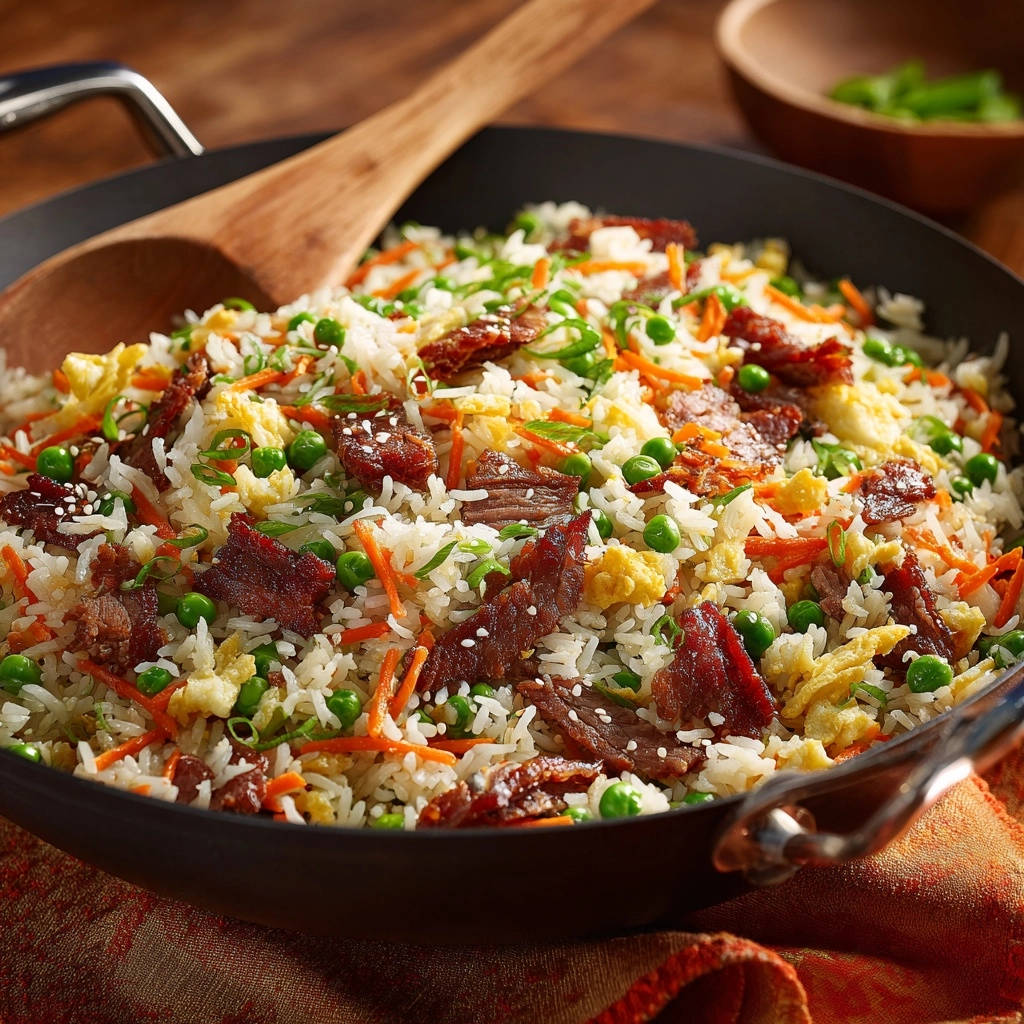
I used to dread making fried rice at home because it inevitably ended up a sticky, gummy mess that tasted steamed instead of fried. After years of testing, I finally mastered the one non-negotiable secret-using cold, dehydrated rice-and it’s the key to this incredibly savory, restaurant-quality Classic Roast Beef Fried Rice.
For another hearty rice dish, consider this flavorful sticky Korean beef rice bowl.
This recipe transforms savory pre-cooked roast beef into a deeply satisfying meal in minutes, delivering perfectly toasted, separated grains and rich umami flavor every time.
Why This Classic Roast Beef Fried Rice Belongs in Your Weeknight Rotation
The Ultimate Use for Leftover Roast Beef (or BBQ Beef)
Pre-cooked roast beef provides an immediate depth of flavor that is hard to replicate with raw meat cooked quickly.
For a different take on beef and rice, explore this sticky Korean beef bowl.
Whether you use holiday leftovers or quality deli-sliced roast beef, the pre-cooked texture ensures the protein remains tender while gaining slight, crispy edges during the quick sear.
Ready in Under 20 Minutes: Mastering Speed and Efficiency
This dish boasts an 18-minute total cook time, making it faster than ordering takeout on a busy evening.
Efficiency comes from the high-heat method, which flash-cooks ingredients and ensures that everything is seared and toasted quickly without becoming heavy or oily.
Authentic Flavor: Achieving Restaurant-Quality Texture at Home
The goal is to fry the rice, not steam it, which is the common pitfall of home cooks.
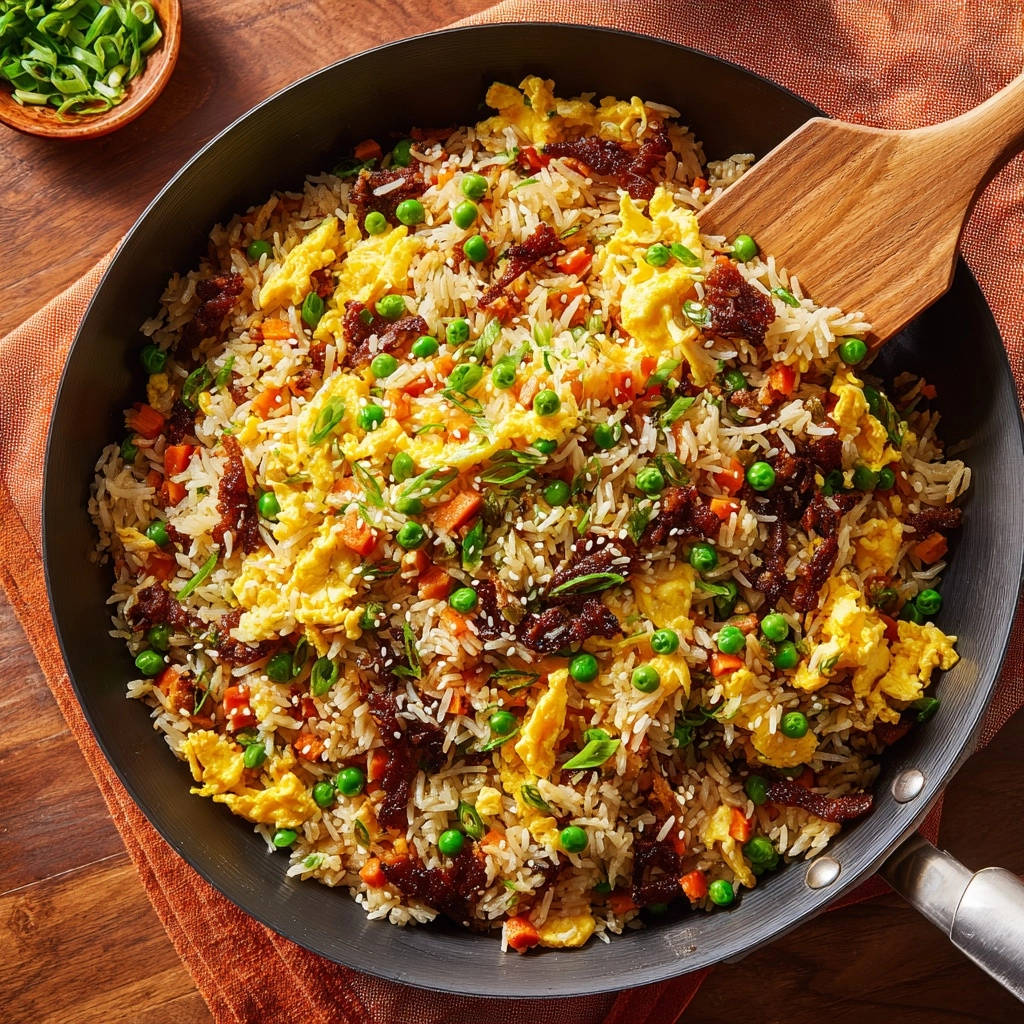
By controlling moisture and utilizing screaming hot oil, this recipe guarantees that every grain remains separated, fluffy, and perfectly toasted, delivering that sought-after restaurant texture.
The Building Blocks of Flavor: Essential Ingredients for Success
The Critical Rice Foundation: Day-Old and Uncovered
Day-old, refrigerated rice is not optional; it is the single most important technique for preventing gumminess.
The refrigeration process dehydrates the surface of the rice grains, ensuring they can toast beautifully under high heat instead of releasing steam.
Long-grain white rice, such as Jasmine or Basmati, is preferred because it contains less starch and maintains its distinct shape better than short-grain varieties during rigorous frying.
The Star Protein: Selecting and Preparing Your Roast Beef
It is essential that the pre-cooked roast beef or BBQ beef be sliced very thin, ideally about 1/8 of an inch.
Thin slices heat quickly and allow for maximum surface area to crisp up slightly during the sear without becoming chewy or rubbery.
Mastering the Sauce Blend: Umami, Salt, and Spice Balance
Low-sodium soy sauce provides controlled salinity and deep umami without risking an overly salty final dish.
We use traditional white pepper instead of black pepper, as its finer grind and distinct earthy heat are customary in authentic Asian fried rice preparations.
Sesame oil must be stirred in right at the end to maximize its delicate, nutty aroma before its flavor dissipates under high heat.
Fresh Elements: Ensuring Optimal Vegetable Crunch and Color
Julienned carrots are added early because they require slight softening to become palatable and release flavor into the cooking oil.
Frozen peas are ideal; their quick thaw rate means they retain a wonderful texture and bright green color when added in the last minute of cooking.
The Wok Whisperer Method: High Heat and Dry Grains for Ultimate Crispness
Essential Tool Check: Wok vs. Heavy Skillet Performance
A carbon steel wok is the professional choice because its thin walls handle extreme heat and allow for superior, rapid temperature recovery-key to achieving ‘Wok Hei.’
If you don’t own a wok, use the heaviest cast iron skillet or thick-bottomed stainless steel pan you possess to ensure the heat is evenly distributed and retained when ingredients are added.
The Single Most Important Prep Step: How to Thoroughly Dry Your Rice
To achieve the necessary dryness, spread your cooked, cooled rice in a single, thin layer on a standard baking sheet.
Refrigerate this sheet uncovered for a minimum of 12 hours and preferably 24 hours.
This long, uncovered chilling process thoroughly evaporates surface moisture, guaranteeing the rice grains are ready to toast instantly.
The Timing Secret: Controlling the Sequence of High-Heat Additions
We cook the eggs and sear the roast beef separately to prevent overcrowding the wok and maintain the necessary high temperature.
The specific sequence-eggs, beef, aromatics/carrots, then rice-ensures that each ingredient is treated properly and guarantees the rice is added to clean, hot oil for maximum toasting.
Aggressive Tossing: Preventing Steam and Encouraging Toasting
When the rice first hits the wok, spread it out and let it sit for a minute to develop color and evaporate the last bit of moisture.
Once cooking begins, use powerful, chopping motions with your spatula to break up clumps while continually moving the rice to expose every grain to the heat.
Listen for the sound: when the rice is truly frying, it will make a distinct, dry rattling sound as it hits the sides of the wok.
Step-by-Step Guide: Crafting Your Classic Roast Beef Fried Rice
Phase 1: Preparations and Initial Sears
- The Rice Secret Activation:
Ensure your day-old rice is rock cold and spread out thinly. This foundational step guarantees the fluffy texture and prevents the catastrophic failure of gummy rice.
- Prep the Eggs:
Whisk the eggs quickly with white pepper. Scramble the eggs over high heat until just set, breaking them into small pieces with your spatula.
Remove the eggs immediately from the heat and set them aside to prevent them from becoming tough or rubbery.
- Sear the Beef:
Add fresh oil to the now-empty wok and return the heat to high. Add the sliced roast beef and cook for only 60 seconds.
The goal is a quick sear to warm the pre-cooked beef through and develop slight crisp edges-not to cook it fully, which would risk drying it out.
Remove the beef and set it aside with the scrambled eggs.
Phase 2: The High-Heat Toasting of the Grains
- Get the Wok Screaming Hot:
Add one last tablespoon of fresh, neutral oil to the wok and wait until it visibly shimmers or lightly smokes.
This extreme temperature is non-negotiable for true frying and is the only way to quickly evaporate residual moisture.
- Aromatics and Vegetables:
Immediately add the minced garlic and shredded carrots, stir-frying rapidly for only 30 seconds.
They cook quickly and release intense flavor into the oil without burning before the main component is introduced.
- Toast the Grains:
Add the cold, dry rice immediately. Spread it out and let it sit undisturbed for one full minute to develop some color on the bottom and evaporate any remaining surface moisture.
Then, use strong chopping and tossing motions to aggressively break up all clumps while continually moving the rice for 2 minutes until it sounds dry and fully separates.
Phase 3: Combining and Finishing
- Season and Integrate:
Pour the low-sodium soy sauce directly over the rice and toss rapidly until the color is completely uniform.
Crucially, do not add the sauce before the rice is fully toasted, or the liquid will flash steam the grains.
- The Final Mix-Ins:
Return the cooked beef and eggs. Add the frozen peas and half of the sliced green onions.
Stir fry for the last 1 to 2 minutes until everything is heated through and the peas have thawed and brightened to a vibrant green color.
- The Sesame Oil Finish:
Remove the wok from the heat and stir in the sesame oil just before plating.
This preserves the delicate, aromatic flavor of the oil, which is quickly destroyed if added during the high-heat cooking phase.
Expert Tips & Troubleshooting: Solve Your Fried Rice Frustrations
Why is My Fried Rice Soggy or Steamed? (The Overcrowding Problem)
If you are cooking on a home stove, heat retention is limited, and adding too many ingredients at once will instantly drop the oil temperature.
To guarantee a crisp texture, never cook more than four servings (about 4 cups of rice) in a single batch; fry in smaller amounts if necessary.
Controlling Sodium: Should I Use Regular Soy Sauce?
Using low-sodium soy sauce is highly recommended, as the salt content concentrates quickly under high-heat cooking.
Always taste the final product before adding extra salt; it is much easier to add seasoning than to remove it.
Substitutions: Can I Use Other Meats or Vegetables?
Absolutely, but ensure any replacement meat-like chicken, shrimp, or thinly sliced beef-is fully cooked and sliced thin before adding it to the wok.
Avoid overly watery vegetables such as mushrooms, zucchini, or bell peppers, which release excess moisture that will instantly lower the temperature and lead to steaming.
Flavor Variations: Adding Spice or Extra Umami
For a kick of heat, add one teaspoon of chili garlic sauce or a touch of Gochujang (Korean chili paste) during the final minute of tossing.
To enhance the savory profile, consider adding a quick tablespoon of oyster sauce along with the soy sauce blend, ensuring deep, complex umami notes.
Perfect Pairings and Presentation: Serving Your Classic Roast Beef Fried Rice
Ideal Side Dishes to Complete the Meal
Because the fried rice is rich and savory, choose light, acidic, or brothy side dishes for balance.
Round Out Your Meal
Consider serving these fresh dishes alongside your Classic Roast Beef Fried Rice for a complete and satisfying meal.
- For a refreshing contrast to the rich fried rice, try this spicy cucumber edamame salad, offering a cool and crisp texture.
- Complement the savory notes of the roast beef with a bright and zesty lemon soy wakame salad, adding a delightful tang.
Spicy Asian Cucumber Salad: Its cool, vinegary crunch offers a perfect counterpoint to the rich, savory beef and rice.
Quick Wonton Soup: A simple, light broth provides hydration and delicate contrast to the heavier texture of the fried rice.
Garnish Goals: Maximizing Visual and Flavor Impact
The final garnishes of sliced green onions and sesame seeds are essential for both taste and visual appeal.
Fresh green onions add a welcome raw bite and vibrant color, while the sesame seeds introduce a crucial layer of texture and nutty aroma.
Storage and Make-Ahead Best Practices
How to Store and Reheat Leftovers Safely
Store any leftover fried rice promptly in an airtight container in the refrigerator and consume it within 3 days.
To restore the crisp texture, reheat the rice in a hot, oiled skillet or wok; avoid using the microwave, which turns the rice gummy and tough.
The Make-Ahead Advantage
The majority of the preparation can be completed 24 hours in advance, greatly speeding up the cooking time.
Ensure the rice is cooked, chilled, and dried; chop all vegetables; and slice the roast beef so that all components are ready for the high-heat cooking phase.
Frequently Asked Questions About Roast Beef Fried Rice
Can I use freshly cooked rice if I forgot to make it the night before?
No, wet rice will absolutely ruin the texture. If you are short on time, cook the rice, spread it out on a tray, and immediately place it in the freezer for 30 minutes to rapidly cool and dry the surface moisture.
This quick-freeze technique approximates the dryness required, though the overnight chill remains the superior method.
What kind of oil is best for achieving high heat without smoking?
You must use a neutral oil with a very high smoke point, such as canola, grapeseed, or peanut oil.
Avoid low smoke point oils like olive oil or butter, as they will burn immediately and introduce an undesirable flavor to the delicate fried rice.
How do I prevent the egg from becoming rubbery?
The key is rapid cooking and immediate removal. Cook the egg separately in a clean, hot wok until it is just set, then remove it completely.
Do not return the egg to the wok until the final mixing phase, ensuring it only warms through gently.
Ready to Impress? Share Your Classic Roast Beef Fried Rice Masterpiece!
I am confident that by following the fundamental principle of dry, cold rice, this recipe will eliminate your fear of making fried rice at home forever.
Whether you stick precisely to this Classic Roast Beef Fried Rice formula or experiment with your own protein variations, remember that technique is everything. Give this high-heat method a try and enjoy the perfectly crisp, deeply savory results!
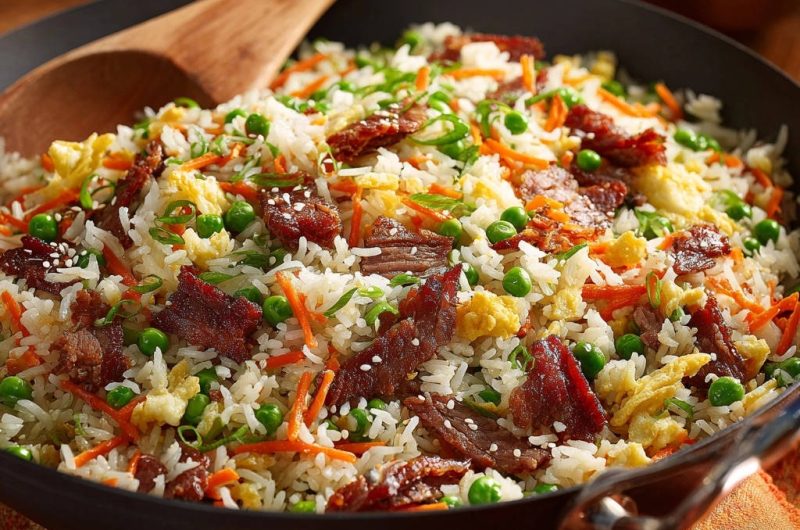
Roast Beef Fried Rice
Course: Main CourseCuisine: ChineseDifficulty: easy4
servings10
minutes8
minutes550
kcal18
minutesStop settling for gummy fried rice! This recipe reveals the single secret to achieving perfectly toasted, separated grains, just like your favorite take-out. With tender roast beef and vibrant vegetables, this dish comes together in just 18 minutes.
Ingredients
4 cups day-old cooked long grain white rice (very cold)
1 pound pre-cooked roast beef or BBQ beef, sliced thin
3 large eggs
1 tablespoon neutral oil (like canola or vegetable) plus more for cooking
2 cloves garlic, minced
1/2 cup shredded carrots (julienned)
1/2 cup frozen peas
1/4 cup soy sauce (low sodium preferred)
2 teaspoons sesame oil
1/2 teaspoon white pepper
4 green onions, sliced (divided use)
1 teaspoon sesame seeds for garnish
Directions
- THE RICE SECRET Prepare your rice 12 to 24 hours in advance. Spread the cooked rice out onto a baking sheet and refrigerate uncovered overnight. This is the single most important step: thoroughly dried, cold rice prevents gumminess and ensures every grain can toast beautifully in the wok.
- Prep the Eggs Whisk the eggs with a pinch of white pepper. Heat 1 teaspoon of neutral oil in a large wok or heavy skillet over high heat. Pour in the eggs and quickly scramble them until set, breaking them into small pieces. Remove the eggs from the wok and set aside.
- Sear the Beef Add 1 tablespoon of neutral oil to the now empty wok and return the heat to high. Add the sliced roast beef and cook for 1 minute until warmed through and slightly crisp around the edges. Remove the beef and set aside with the eggs.
- The High Heat Fry Add 1 more tablespoon of oil to the wok and let it get screaming hot (it should shimmer and almost smoke). Add the minced garlic and shredded carrots and stir fry for 30 seconds.
- Toast the Grains Immediately add the cold, dry rice to the wok. Do not stir constantly. Spread the rice out and let it sit for about 1 minute to develop some color and evaporate any surface moisture. Using a wooden spoon or spatula, aggressively break up any clumps while tossing constantly for 2 minutes. The rice should sound dry and separate easily.
- Combine and Season Pour the soy sauce directly over the rice and toss rapidly until the color is uniform. Add the cooked eggs, roast beef, frozen peas, and half of the sliced green onions. Stir fry for another 1 to 2 minutes until everything is heated through and the peas are bright green.
- Finish Stir in the sesame oil just before serving to maximize its flavor. Garnish with the remaining green onions and a sprinkle of sesame seeds. Serve immediately.
Notes
- For best results, use long-grain white rice that has been cooked and refrigerated uncovered for 12-24 hours.