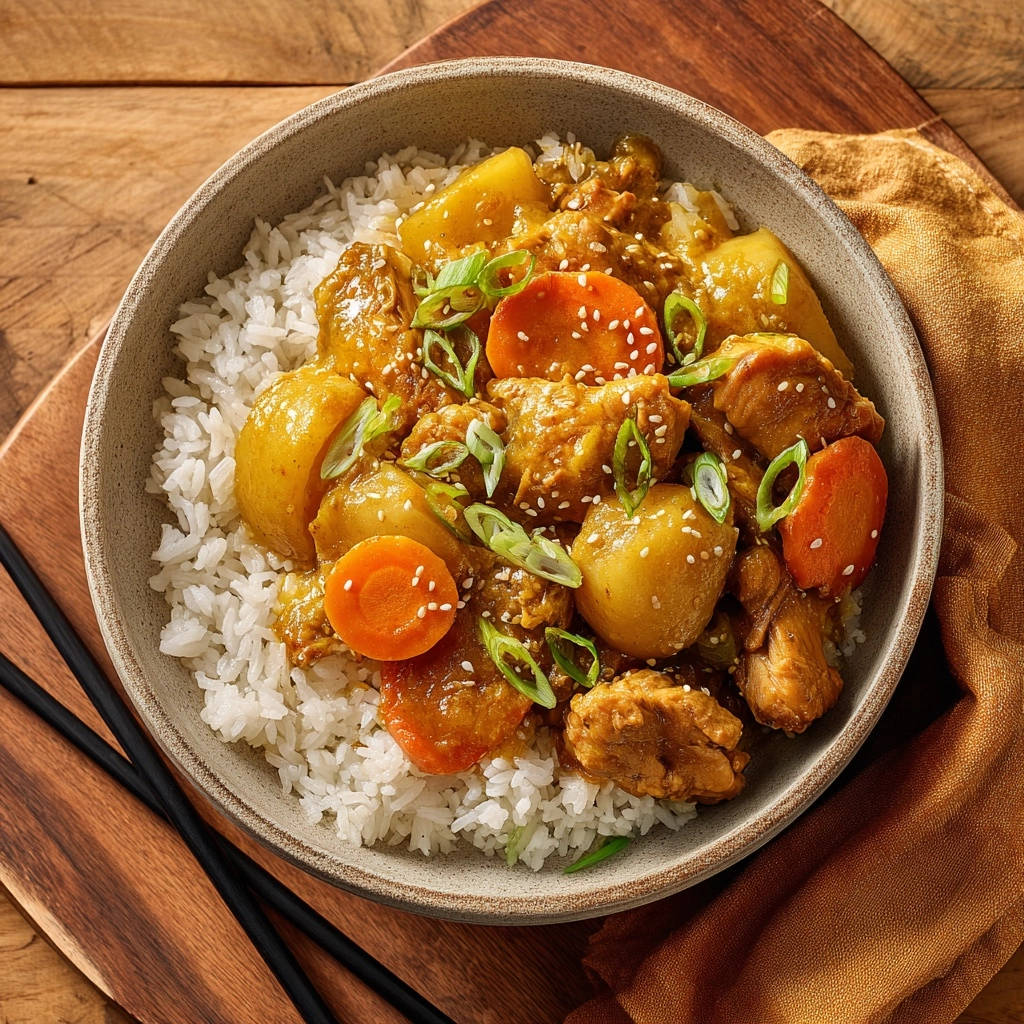
I spent years perfecting this recipe because, like many home cooks, I struggled to achieve that elusive creamy-but-intact potato texture in my curry. If you’ve ever experienced the heartbreak of beautiful sauce surrounding potato sludge, this is the solution you’ve been waiting for.
This recipe for Comfort Chicken and Potato Curry focuses on one simple, unexpected technique that guarantees fluffy potato bites that hold their shape through the long simmer, delivering truly restaurant-quality consistency in an easy weeknight format.
Stop the Sludge! Why This Comfort Chicken and Potato Curry Works
This recipe is built on efficiency and texture management. By treating the potatoes separately before they enter the main pot, we solve the most common curry texture problem right at the source.
For perfectly smooth dumplings in your next chicken dish, learn about creamy chicken and dumplings.
Achieving Restaurant-Quality Consistency
The secret lies in par-cooking the potatoes in salted water for exactly five minutes, setting the exterior starch layer. This crucial step prevents the potato chunks from breaking down and thickening the sauce uncontrollably, ensuring the gravy remains glossy and the vegetables remain distinct.
Quick Prep for Weeknight Comfort
With a total time of just 50 minutes, this dish moves quickly. We use store-bought Japanese curry roux blocks, which eliminate the lengthy process of making a roux from scratch, providing deep, consistent flavor instantly.
The Ultimate Family Dinner Approval
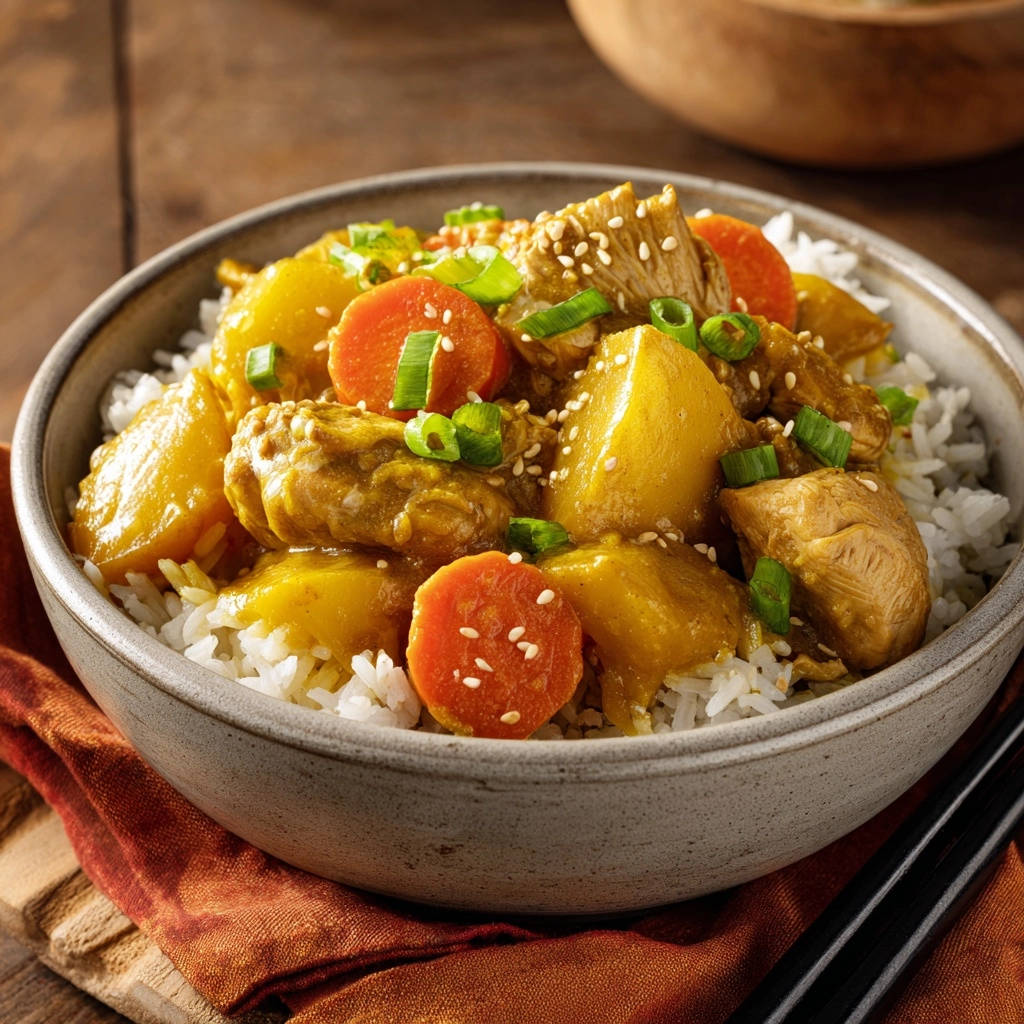
This Comfort Chicken and Potato Curry hits every note of satisfying flavor: savory umami from the soy sauce, mild spice, tender chicken, and naturally sweet carrots. It’s a guaranteed crowd-pleaser that delivers true comfort every time.
The Essential Building Blocks of Flavor and Texture
Selecting the Perfect Chicken Thighs
Boneless, skinless chicken thighs are essential for this simmering dish. Thigh meat is rich in connective tissue and fat, which keeps it exceptionally moist and flavorful, even after 30 minutes of cooking.
Unlike chicken breast, thighs maintain their texture without drying out or becoming stringy under heat.
If you enjoy tender chicken preparations, you might also appreciate the techniques for Moroccan chicken and couscous.
Yukon Gold: The Unsung Hero of Curry Texture
We specifically use Yukon Gold potatoes because they are a naturally waxier variety than starchy Russets. Their internal structure is better suited for prolonged wet heat.
Yukon Golds offer a beautiful balance, delivering a creamy texture while resisting the tendency to disintegrate into the sauce, giving you those promised “fluffy bites.”
Decoding the Curry Roux Block
Curry roux blocks (such as those labeled mild yellow or Japanese-style) are blocks of hardened fat, flour, and concentrated spices.
These blocks are the secret to achieving the traditional thick, glossy consistency of Japanese-style curry quickly and reliably. They dissolve smoothly into the hot liquid, making thickening effortless.
Essential Pantry Boosters and Aromatics
A finely chopped onion provides the crucial base layer of sweetness and aroma when properly sautéed.
Carrots add a necessary textural element and inherent sweetness that balances the savory depth of the curry.
A tablespoon of soy sauce is a simple addition that dramatically boosts the umami profile, rounding out the flavor and harmonizing the spices.
Gathering Your Arsenal: Essential Tools for Curry Success
The Best Pot for Even Simmering
A heavy-bottomed Dutch oven or a large, thick-walled pot is highly recommended. The weight of the pot prevents hot spots, ensuring the curry simmers evenly and prevents the bottom from scorching.
Consistent, controlled heat is crucial for the perfect melding of flavors and the safety of the delicate par-cooked potatoes.
Utensils for Gentle Handling
When dealing with par-cooked vegetables, vigorous stirring is the enemy. Utilizing the right tools minimizes breakage.
- Silicone Spatula: Ideal for scraping the bottom of the pot and folding the ingredients gently during thickening.
- Wooden Spoon: Excellent for initial stirring of the chicken and onions; its blunt edges are less likely to damage vegetables than sharp metal.
- Slotted Spoon: Useful for removing the browned chicken while leaving the flavorful oil behind in the pot.
The Step-by-Step Guide to Irresistible Comfort Chicken and Potato Curry
The Critical Par-Cook Technique (Step 1)
Prepare the Potatoes (The Intact and Creamy Solution): Place the cubed potatoes in a saucepan, cover them with cold, salted water, bring to a boil, and simmer for exactly 5 minutes. Drain immediately.
Starting the potatoes in cold water ensures they cook evenly from the center out. Simmering for just five minutes sets the starches on the exterior, allowing them to soften inside the curry without dissolving later-the signature difference in this recipe.
Phase 2: Building the Base and Browning the Protein
Cook Chicken and Aromatics: Season the cubed chicken with salt. Heat the oil in your pot over medium-high heat and cook the chicken until lightly browned on all sides, about 5 minutes. Remove the chicken and set it aside.
Add the chopped onion to the pot and cook until softened, translucent, and slightly golden, about 5 to 7 minutes. This step creates the flavorful foundation; do not rush the onions.
Phase 3: Creating the Deep Broth Flavor
Build the Sauce Base: Return the chicken to the pot. Add the sliced carrots and stir for 2 minutes to coat them in the aromatics. Pour in the chicken broth and bring the mixture to a simmer.
Reduce the heat to medium-low and cook for 10 minutes. This allows the carrots to soften properly and starts building the depth of flavor in the broth before the roux is introduced.
Phase 4: Thickening and Finishing with Roux
Add the Potatoes, Thicken, and Finish: Add the reserved, par-cooked potato chunks to the simmering pot and stir gently. Simmer for 5 minutes, then turn off the heat completely.
Break the curry roux blocks into the pot and stir until they are completely dissolved and the sauce begins to thicken evenly. Adding the roux off the heat is critical, as it prevents clumping and allows for smooth incorporation.
Stir in the soy sauce. Return the pot to low heat and simmer gently for 5 to 8 minutes, stirring very occasionally and gently. Cook until the sauce is glossy and thick, and the chicken and vegetables are fully tender.
Garnishing and Presentation
Serve: Ladle the finished Comfort Chicken and Potato Curry generously over warm white rice. Garnish with thinly sliced scallions and a sprinkle of sesame seeds before serving.
More to Explore
Round out your meal with these dishes that share comforting flavors.
- For a vibrant vegetable addition, consider these perfect roasted carrots and crispy chickpeas, offering a lovely crunch and earthy sweetness.
- If you enjoy potatoes, these spiced stewed potatoes offer a tender texture that complements the curry beautifully.
The garnishes add essential brightness, fresh flavor, and a necessary textural contrast to the rich, savory curry.
Mastering the Method: Chef’s Tips and Troubleshooting
Pro Tips for Optimal Flavor Development
Don’t Rush the Browning: Ensuring a good sear on the chicken and properly softening the onions (sautéing until slightly golden, not just clear) significantly deepens the final curry flavor profile. This step provides critical fond development.
Adjusting Salt at the End: Since curry roux blocks and soy sauce are inherently salty, only season the chicken lightly upfront. Wait until Step 6 to taste and adjust the overall saltiness of the finished dish, adding more salt only if absolutely necessary.
Common Troubleshooting Scenarios
Why are my potatoes dissolving?
This happens if they weren’t par-cooked correctly (i.e., simmered for too long) or if you stirred too vigorously during the final simmer. Use very gentle folding motions when incorporating the roux and during the last 8 minutes of cooking.
My curry tastes flat-How to fix it?
If the flavor lacks depth, try adding a tiny splash more soy sauce or a quick dash of Worcestershire sauce for an umami boost. If it tastes overly savory or spicy, a small pinch of sugar can help balance the overall profile.
Serving, Storing, and Scaling Your Curry Masterpiece
Beyond White Rice: Perfect Pairings and Sides
While classic white rice is traditional, the richness of this curry pairs well with textural contrasts. Consider serving it with brown rice, thick udon noodles, or a side of crusty, white bread for dipping.
A simple, crisp cucumber and vinegar salad (sunomono) or a quick stir-fry of green beans can cut through the richness beautifully.
Storage and Reheating Instructions
Store leftovers safely in an airtight container in the refrigerator for up to 3-4 days. Curry flavor often improves overnight.
To reheat, use low heat on the stovetop. The sauce will thicken significantly as it cools; if it seems too dense, add a splash of chicken broth or water while reheating to restore the perfect consistency.
Easy Scaling for Big Gatherings
This recipe doubles or triples easily in a very large Dutch oven. When scaling up, note that the cook time for browning the chicken will be longer (do it in batches if necessary).
Crucially, the 5-minute potato par-cooking time remains exactly the same, regardless of how many potatoes you are preparing.
Frequently Asked Questions About Japanese Curry
Can I substitute the chicken thighs for breast?
Yes, you can substitute chicken breast, but you must take care to prevent it from drying out. Cut the breast into slightly larger 2-inch pieces and return it to the pot only after the initial 10-minute carrot simmering step, reducing its total cook time.
What is the best brand of curry roux to use?
Two highly popular, reliable brands are S&B Golden Curry, which offers varying levels of heat and is reliably savory, and Vermont Curry, which contains a slight sweetness often appealing to family palettes.
Both brands offer consistency and quality that guarantee success with this Comfort Chicken and Potato Curry.
Is it possible to make this gluten-free?
Absolutely. Most standard Japanese roux blocks contain wheat flour. You must either source a certified gluten-free roux block (several niche brands offer this) or use a gluten-free starch, like cornstarch or rice flour, to create your own roux base.
How do I adjust the heat level?
The simplest way is to select a roux block labeled “hot” or “extra hot.” For custom heat, stir in a dash of cayenne pepper, chili oil, or a spoonful of sambal oelek once the curry is finished, tasting as you go.
Ready to Impress? Share Your Comfort Chicken and Potato Curry Masterpiece!
The days of mushy potatoes in your chicken curry are officially over. This simple, expert technique ensures every spoonful delivers rich flavor and perfectly tender texture.
By focusing on the structural integrity of the potatoes, you create a dish that is both deeply satisfying and visually appealing. Gather your ingredients and experience the true comfort of a perfectly executed, home-cooked curry.
Give this ultimate recipe for Comfort Chicken and Potato Curry a try tonight and let us know how those fluffy bites turned out!
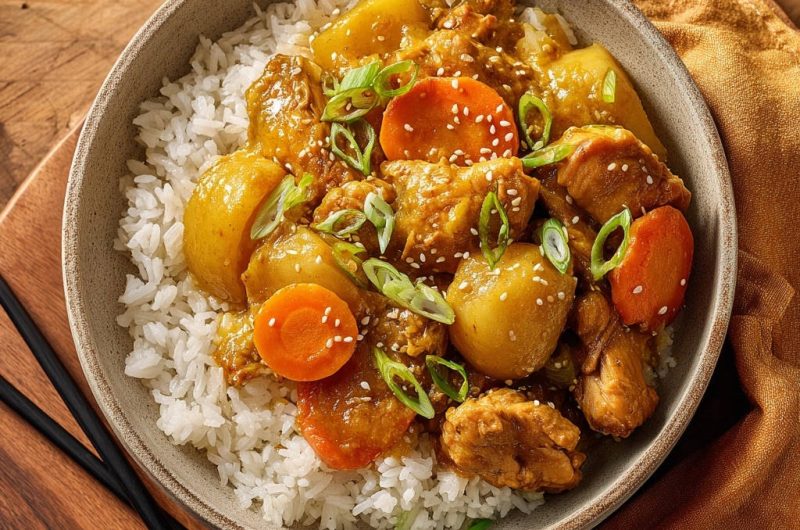
Chicken Potato Curry
Course: Main CourseCuisine: AsianDifficulty: easy4
servings15
minutes35
minutes550
kcal50
minutesTired of mushy potatoes in your stew? This ultimate comfort food recipe reveals the simple, unexpected step needed to ensure your potatoes stay intact, creamy, and tender. Featuring rich chicken thighs, carrots, and a savory mild curry sauce, this dish is perfect over warm rice.
Ingredients
1.5 pounds boneless, skinless chicken thighs, cubed
1 large onion, roughly chopped
2 tablespoons cooking oil
2 cups carrots, sliced 1/2-inch thick
3 large Yukon Gold potatoes, peeled and cut into 1.5-inch chunks
4 cups chicken broth or water
4 ounces Japanese or mild yellow curry roux blocks (about 8 cubes)
1 tablespoon soy sauce
1 teaspoon salt, plus more for seasoning
Cooked white rice, for serving
2 scallions, thinly sliced (for garnish)
1 teaspoon sesame seeds (for garnish)
Directions
- Prepare the Potatoes (The Intact and Creamy Solution): Place the cubed potatoes in a saucepan and cover them with cold water. Add 1/2 teaspoon of salt. Bring to a boil, then immediately reduce the heat and simmer for exactly 5 minutes. The potatoes should be slightly tender on the edges but still firm in the center. Drain the potatoes immediately and set them aside. This crucial step sets the starches on the exterior, allowing them to soften inside the curry without dissolving later.
- Cook Chicken and Aromatics: Season the cubed chicken with 1/2 teaspoon salt. Heat the oil in a large pot or Dutch oven over medium-high heat. Add the chicken and cook until lightly browned on all sides, about 5 minutes. Remove the chicken and set it aside. Add the chopped onion to the pot and cook until softened, about 5 to 7 minutes.
- Build the Sauce Base: Return the chicken to the pot. Add the sliced carrots and stir for 2 minutes. Pour in the chicken broth and bring the mixture to a simmer. Reduce the heat to medium-low and cook for 10 minutes to allow the carrots to start softening.
- Add the Potatoes and Curry: Add the reserved, par-cooked potato chunks to the simmering pot. Stir gently. Simmer for 5 minutes.
- Thicken the Curry: Turn off the heat. Break the curry roux blocks into the pot and stir until they are completely dissolved and the sauce begins to thicken evenly. Stir in the soy sauce.
- Finish Simmering: Return the pot to low heat and simmer gently for 5 to 8 minutes, stirring occasionally and very gently so as not to break the potatoes. Cook until the sauce is glossy and thick, and the chicken and vegetables are fully tender. Taste and adjust seasoning if needed. The chicken is done when it reaches 165°F (74°C) in the thickest part.
- Serve: Ladle the curry generously over warm white rice. Garnish with sliced scallions and a sprinkle of sesame seeds before serving.
Notes
- Par-boiling the potatoes for exactly 5 minutes is essential for preventing them from dissolving into the sauce.