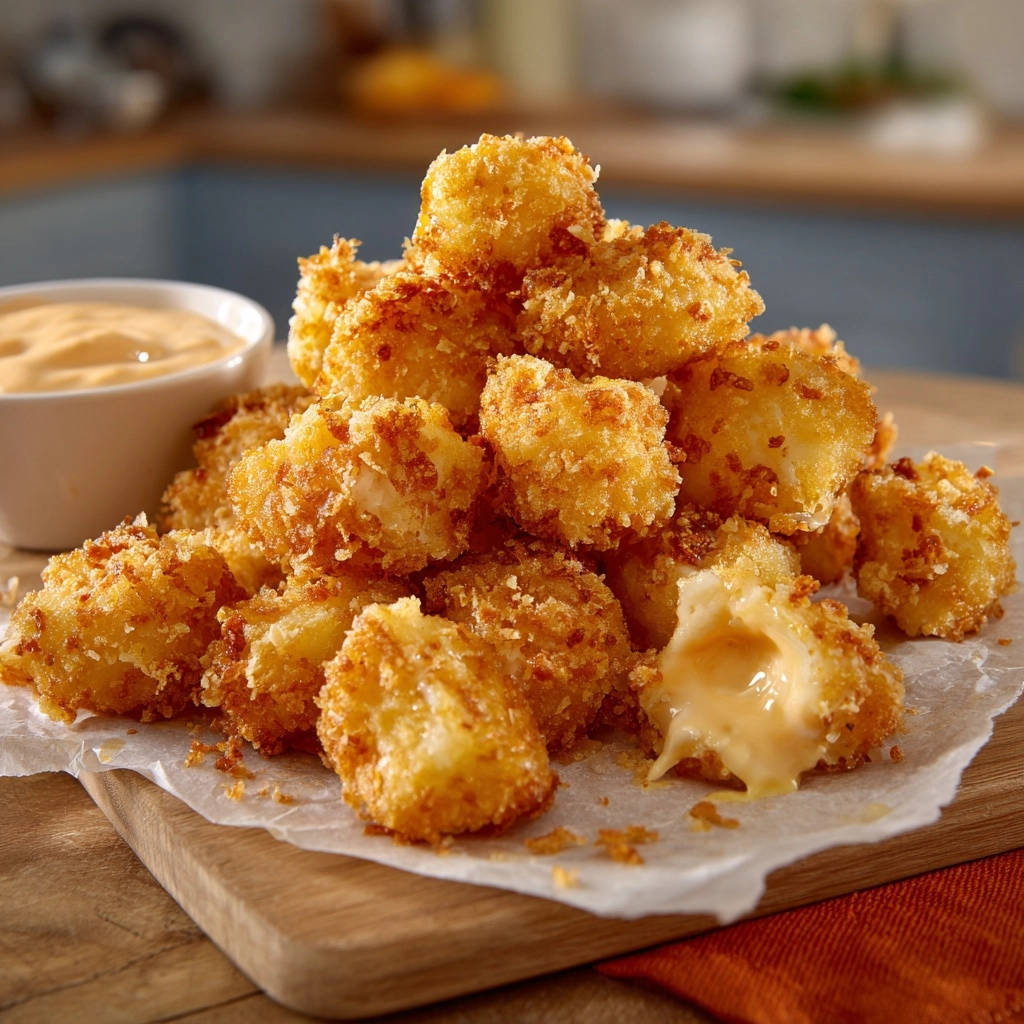
There is nothing more frustrating than watching delicious homemade fried cheese melt out into the hot oil, leaving behind sad, hollow shells. After years of testing, I perfected a dual-stage freezing and coating method that guarantees those perfect, gooey centers stay locked inside.
This comprehensive guide details the non-negotiable double-coating technique and mandatory freezing times required to achieve restaurant-quality Crispy Fried Cheese Bites that offer a perfect, dramatic cheese pull every single time.
The Leak-Proof Promise: Why This Recipe Works Every Time
Solving the Melt-Out Mystery: Internal Cold vs. External Heat
Standard recipes often fail because the internal cheese core thaws rapidly once it hits the hot oil, bursting the coating before it has time to seal and harden. We must create a massive temperature differential.
For an even crispier bite, explore crispy panko mozzarella sticks with a similar preparation.
The secret is timing: we need the exterior coating to crisp up completely and seal the pores in approximately 90 seconds, which is only possible if the cheese core starts at its lowest possible temperature.
The Guaranteed Strategy: Mandatory Pre-Freezing
The minimum four-hour freeze (or until the cheese is rock-solid) is not optional; it is the cornerstone of this technique. This deep chill buys the crucial extra minute needed in the fryer.
This allows the Panko crust to cook, seal, and turn deeply golden brown before the core temperature of the cheese rises enough to become liquid and create pressure.
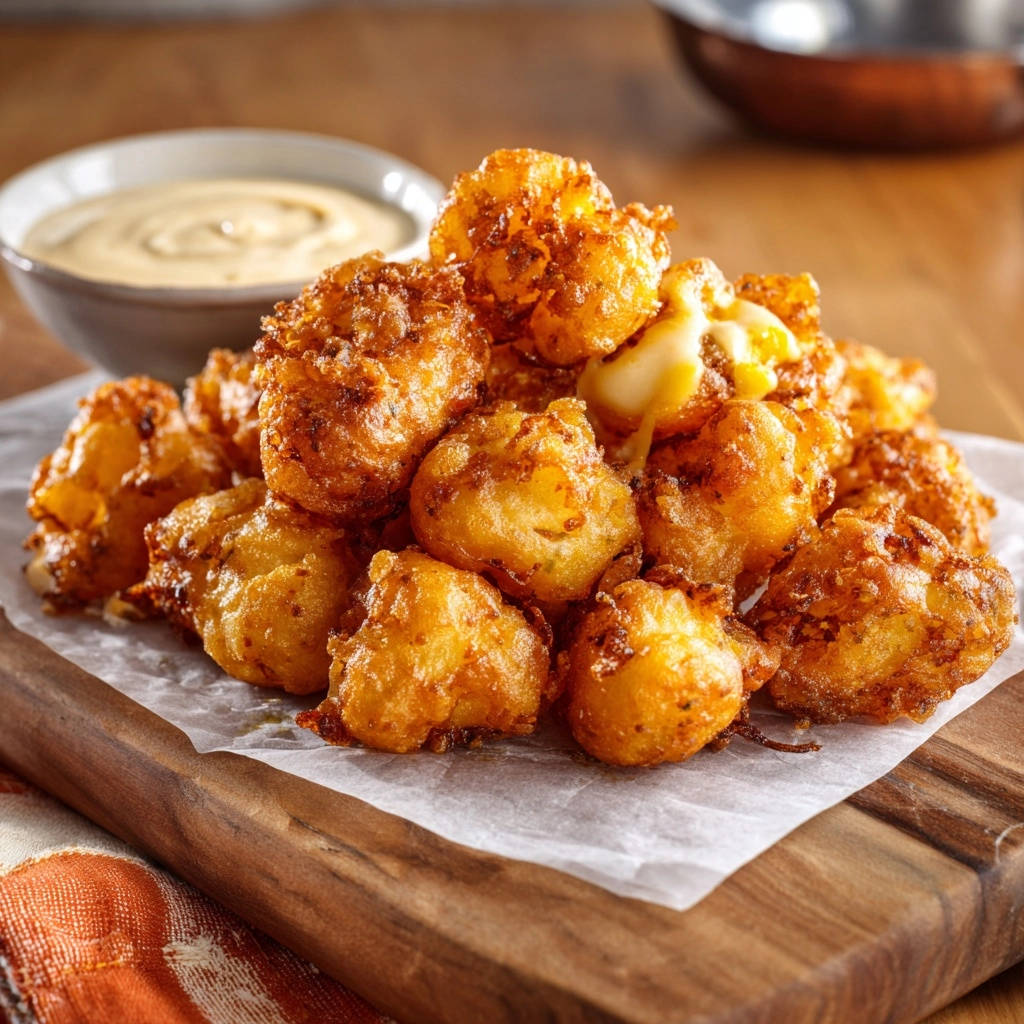
Essential Building Blocks: Selecting Your Cheese and Coating
Curds vs. Cubes: Choosing the Right Cheese Base
Fresh cheese curds offer the best textural integrity and an authentic, squeaky quality when fried. They are naturally high in moisture, so they require thorough drying.
Alternatively, using a low-moisture mozzarella block cut into 1-inch cubes works perfectly and is often more accessible. Ensure you cut the pieces uniformly for consistent frying times.
The Unrivaled Crispness of Panko Breadcrumbs
We specifically use Panko because it is far superior to standard breadcrumbs for deep frying. Panko flakes are larger and airier, providing a lighter, shatteringly crisp exterior.
Crucially, Panko absorbs significantly less oil than traditional breadcrumbs, preventing the bites from becoming heavy and greasy.
The Flavor Layer: Seasoning the Breading
The flour mixture carries the primary savory seasoning that complements the cheese. A teaspoon each of garlic powder and paprika, along with salt, infuses the coating with depth.
This seasoned flour is the first step in the breading station and ensures that the flavor penetrates the outermost layers.
Essential Tools for Deep-Frying Success
Achieving Precision: The Critical Role of the Oil Thermometer
Maintaining a stable 375°F oil temperature is non-negotiable for success. Using a reliable thermometer prevents two common problems: soggy, oil-saturated bites (if too cool) and burnt exteriors (if too hot).
Temperature control is the difference between a golden crust and a failure. Never rely on guesswork; always use a dedicated thermometer.
Choosing the Right Vessel: Deep Pot or Dutch Oven
Use a heavy-bottomed deep pot, such as a cast-iron Dutch oven. The heavy material helps hold heat consistently, which is essential when adding cold, frozen food.
Ensure the pot has high sides to prevent splattering and allows for at least three inches of space between the oil level and the rim for safety.
The Expert Method: Mastering the Double-Coating and Freezing Technique
- Phase 1: Preparing for the Deep Freeze (The 4-Hour Rule)
Ensure the cheese is thoroughly patted dry-any surface moisture will cause the coating to slip off later, compromising the seal. Arrange the pieces carefully on a parchment-lined tray so they do not touch.
The minimum 4-hour freeze time is your primary defense against leakage, ensuring the core is fully solid and extremely cold.
To prevent a gooey mess, consider the clever method used in crispy mozzarella sticks.
- Phase 2: Setting Up the Three-Part Breading Station
Set up your shallow dishes efficiently: seasoned flour (Dish 1), egg wash (Dish 2), and Panko (Dish 3). This linear arrangement allows you to move quickly and minimize handling time.
Whisk the two large eggs thoroughly to create a uniform wash so that the flour adheres smoothly during the first dip.
- Phase 3: Building the Safety Barrier (The Leak-Proof Double Coat)
Working quickly, dredge each piece through the flour (shake off excess), then egg, then Panko, pressing firmly. This first coating sets the primary structure.
Immediately repeat the process: dip the Panko-coated piece back into the egg wash briefly, then straight back into the Panko (Dish 3) and press hard again until completely encapsulated. This double layer seals every tiny crevice.
- Phase 4: The Final Setting Freeze (30 Minutes)
Do not skip this secondary freeze. It locks the double breading in place, ensuring the coating won’t crack or flake off when it hits the oil.
This final chill is the ultimate insurance policy, ensuring the internal temperature is optimally low just before frying.
- Phase 5: Frying for Perfect Golden Crispness (60-90 Seconds)
Monitor the oil temperature constantly at 375°F. If the oil is too cool, the bites will absorb excess oil; if too hot, the coating will burn before the interior can slightly soften.
Fry in small batches (6-8 pieces) to prevent the oil temperature from dropping drastically. Cook until deeply golden brown and immediately transfer them to a wire rack to drain excess oil.
Chef’s Secrets and Advanced Tips for Flawless Fried Cheese Bites
Why Handling Time is Your Enemy
Speed is paramount during the coating process. Even slight thawing will cause moisture to condense on the surface of the cheese, preventing the flour from adhering properly.
If you are working with a large batch, coat half the tray first, return them to the freezer, and then proceed with the second half.
Troubleshooting Oil Temperature Swings
The temperature will inevitably drop slightly when you add the cold cheese. Increase the heat slightly before dropping the next batch, but do not let it exceed 385°F.
Allow the oil to recover back to 375°F between batches. This steady heat ensures consistent browning and minimal oil absorption.
Maximizing Adherence: The Final Press
During the final Panko application (the second coat), press down firmly and methodically, covering every surface area. Use the palm of your hand to compress the Panko onto the cheese.
This creates a dense, airtight seal that eliminates pinholes and weak points, which are common culprits for cheese leakage.
Perfect Pairings: The 3-Ingredient Signature Dipping Sauce
Recipe for the Tangy Dipping Sauce (The Quick Mix)
Our simple, highly satisfying sauce requires just three ingredients: 1/2 cup mayonnaise, 2 tablespoons ketchup, and 1 teaspoon of your favorite hot sauce.
Simply stir these components together until fully combined. This sauce offers a perfect balance of creamy, sweet, and tangy heat that cuts through the richness of the fried cheese.
Beyond Marinara: Customizing Your Dip Experience
While this recipe features a quick sauce, you have many excellent pairing options to elevate these Crispy Fried Cheese Bites.
Consider a homemade cool buttermilk ranch, a sweet and smoky honey mustard, or a complex, fiery jalapeño jam for those who prefer more heat.
Complementary Flavors
Round out your meal with these other great recipes.
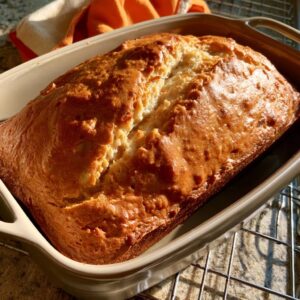
- For a sweet finish, consider making these Chocolate Chip Banana Bread, which uses a similar baking technique.
- To add a vegetable option, try this Crispy Panko Parmesan Broccoli for a similar crunchy texture.
FAQs: All Your Crispy Fried Cheese Bites Questions Answered
Can I use an Air Fryer or Oven for these?
While deep frying provides the absolute best leak-proof guarantee and texture, you can air-fry or bake them. Spray the double-coated, frozen bites liberally with cooking spray or oil.
Air fry at 400°F (200°C) for 6-8 minutes, flipping halfway, until golden. Bake at 425°F (220°C) for 10-12 minutes. Monitor closely to prevent melting.
How do I safely store and reheat leftover Fried Cheese Bites?
Store leftover fried bites in an airtight container in the refrigerator for up to 3 days. Reheat them quickly in a 350°F oven or air fryer for 4-5 minutes to restore crispness.
For best results, store unfried, double-coated pieces in the freezer for up to one month and cook them straight from frozen whenever a craving strikes.
How long should the frying oil be heated before I start?
This depends entirely on the volume of oil and the heat source, but typically 10-15 minutes of heating is required to bring 4 cups of oil up to a stable 375°F.
Always wait until the temperature has held steady at 375°F for several minutes before adding the first test piece.
What is the best type of oil for deep frying cheese?
The best oils for deep frying are those with a neutral flavor and a high smoke point, such as vegetable oil, canola oil, or peanut oil.
These oils can withstand the high heat required without smoking or imparting off-flavors to the delicate cheese and coating.
Ready to Impress? Share Your Crispy Fried Cheese Bites Masterpiece!
Mastering the technique for perfect fried cheese is a game-changer, eliminating the frustration of leakage forever. By utilizing the mandatory double-freeze and double-coat method, you are guaranteed irresistible results.
Now that you know the expert secrets, it’s time to head to the kitchen and create the crispiest, gooiest batch of Crispy Fried Cheese Bites your family has ever tasted!
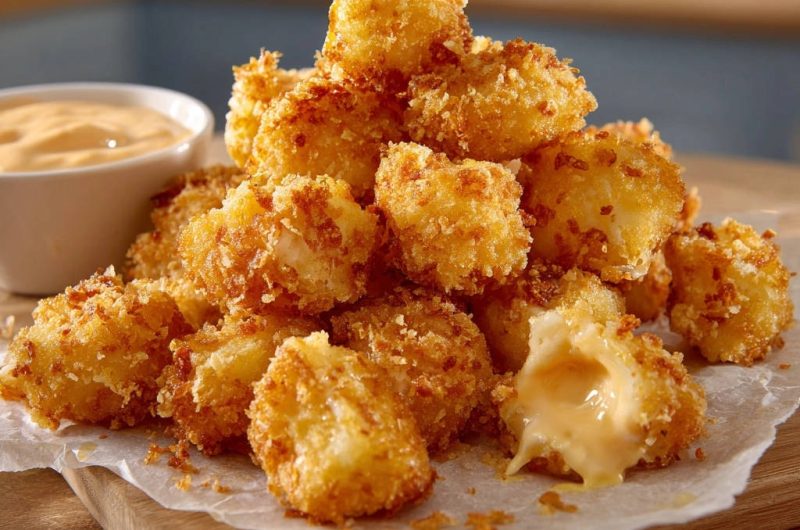
Fried Cheese Bites
Course: AppetizerCuisine: AmericanDifficulty: medium4
servings20
minutes5
minutes650
kcal25
minutesNever lose a drop of gooey cheese again! This technique guarantees a crisp shell and a perfect cheesy pull every time by using a mandatory freezing period and a leak-proof double coating method.
Ingredients
12 ounces fresh cheese curds or mozzarella block, cut into 1-inch cubes
1 cup all-purpose flour
2 large eggs, lightly beaten
2 cups Panko breadcrumbs
1 teaspoon garlic powder
1 teaspoon paprika
1/2 teaspoon salt
4 cups vegetable oil, for frying
For the Dipping Sauce (Optional):
1/2 cup mayonnaise
2 tablespoons ketchup
1 teaspoon hot sauce
Directions
- Prepare the Cheese for Freezing The key to preventing leakage is cold, cold cheese. If using a mozzarella block, cut the cheese into rough 1-inch cubes. Pat the cheese completely dry using paper towels. Arrange the cheese pieces on a parchment-lined baking sheet, making sure they do not touch. Place the tray in the freezer for a minimum of 4 hours, or until the cheese is completely solid. Do not skip this step.
- Set Up the Breading Station In three separate shallow dishes, set up your standard breading station. In Dish 1, combine the flour, salt, garlic powder, and paprika. In Dish 2, place the beaten eggs. In Dish 3, place the Panko breadcrumbs.
- The Leak-Proof Double Coat Working quickly so the frozen cheese does not thaw, dredge each frozen piece first in the seasoned flour (shaking off excess). Then dip immediately into the egg wash, coating all sides. Then place into the Panko, pressing firmly so the breadcrumbs adhere fully. This forms the first coat.
- The Safety Layer Repeat the coating process immediately to create a double barrier. Dip the Panko-coated cheese piece back into the egg wash briefly (Dish 2). Then return it immediately to the Panko breadcrumbs (Dish 3) and press firmly again until completely encapsulated. This double layer is the barrier that prevents leakage.
- Final Freeze (Crucial Step) Once all the cheese pieces are double-coated, return the tray to the freezer for at least 30 minutes. This ensures the breading sets and the internal temperature of the cheese is extremely low. This is the ultimate insurance policy against melt-out.
- Prepare the Oil Heat the vegetable oil in a deep pot or Dutch oven over medium-high heat until it reaches 375 degrees F. Use a thermometer to monitor the temperature; maintaining the heat is crucial for a crisp, non-oily result.
- Fry the Bites Carefully drop the frozen, double-coated cheese bites into the hot oil, working in small batches of 6 to 8 pieces to avoid dropping the oil temperature. Fry for 60 to 90 seconds, turning occasionally, until the coating is deeply golden brown and crispy. Because the cheese starts frozen, the coating crisps up perfectly before the cheese has time to fully melt and leak.
- Drain and Serve Immediately Remove the fried cheese with a slotted spoon and transfer them to a wire rack or a plate lined with paper towels to drain excess oil. Sprinkle lightly with a pinch of extra salt if desired. Serve immediately with the dipping sauce (simply stirring together the mayo, ketchup, and hot sauce).
Notes
- The mandatory 4+ hour freezing time is crucial for preventing the cheese from melting out during frying.