There is nothing more frustrating than watching your carefully shaped mixture collapse into a greasy mess the second it hits the pan.
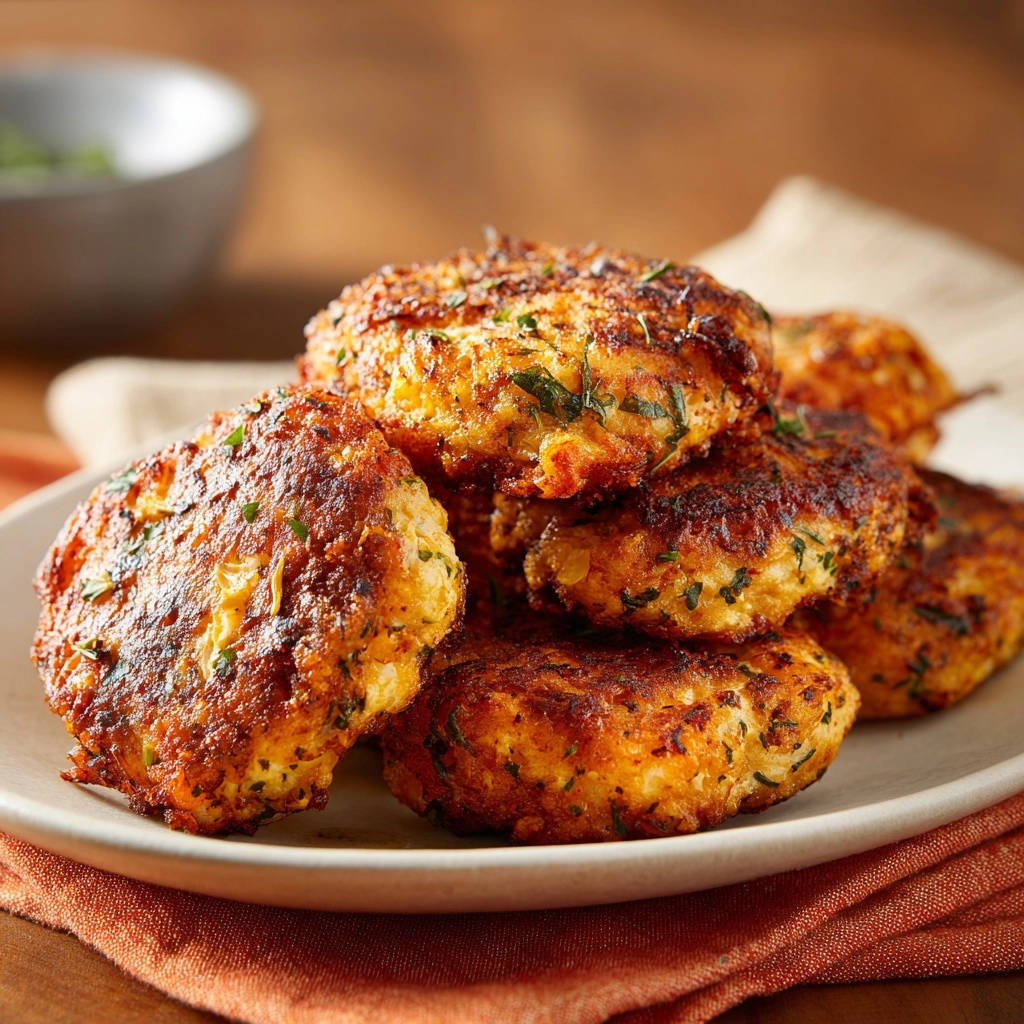
After years of perfecting the ratio and technique, I discovered the foolproof method for truly perfect Crispy Pan-Fried Fish Cakes that hold their shape every single time, yielding a gorgeous golden crust and a flaky interior.
Why This Recipe Solves Your Worst Fish Cake Nightmares
This recipe focuses entirely on structural integrity, eliminating the need to rely on excessive flour or bread binders that often result in a dense, heavy cake.
We leverage the power of natural binders-mayonnaise and egg yolk-and reinforce them using a critical resting period.
The resulting texture is light and airy on the inside, beautifully contrasted by a crunchy, high-impact panko crust.
Follow this method exactly, and you will never again struggle with fragile, crumbling homemade fish cakes.
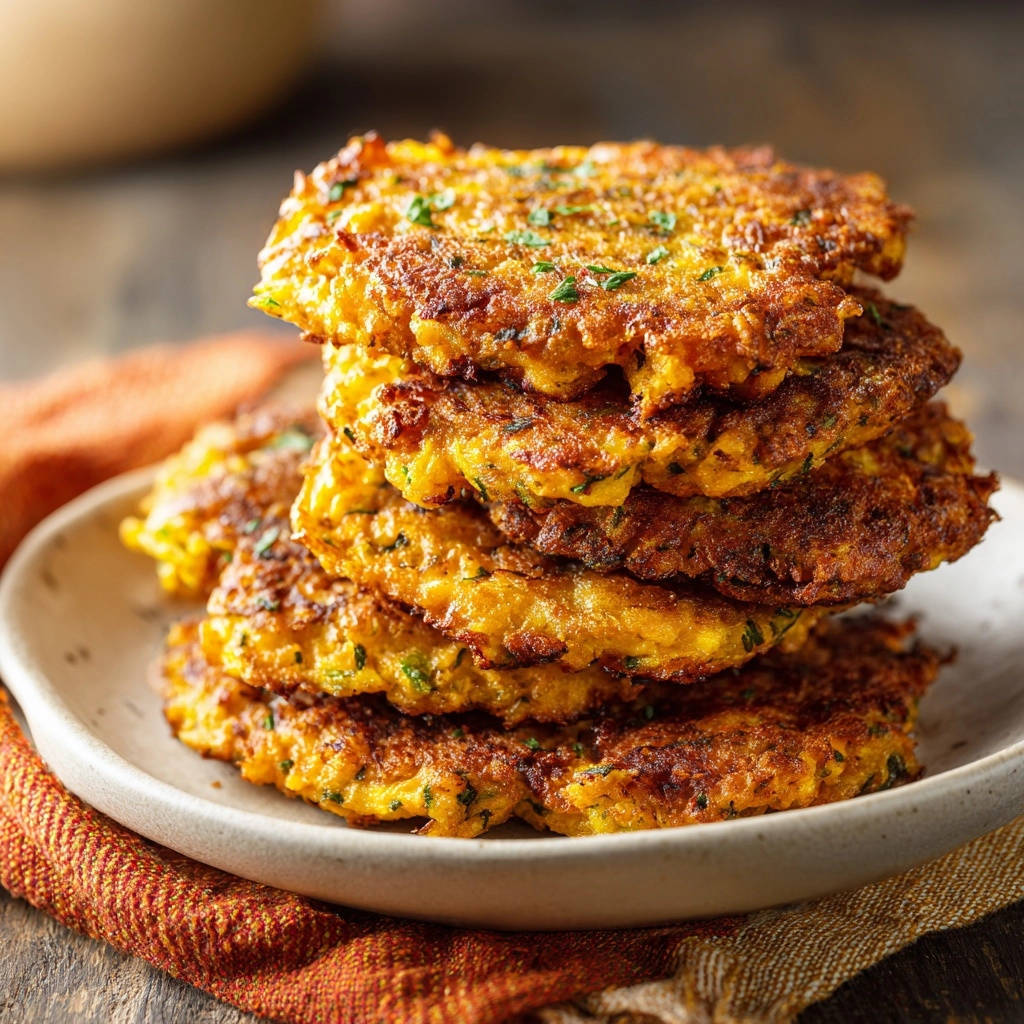
The “Never-Crumble” Guarantee: Our Key Technique Revealed
The non-negotiable step in this process is the mandatory 30-minute chilling period after shaping the patties.
Chilling allows the fats (from the mayonnaise) and the proteins (from the egg yolk and fish) to solidify, effectively setting the cake’s structure before it meets the heat.
This ensures that when the fish cake hits the hot oil, the exterior immediately seals, locking in the perfect shape you worked hard to achieve.
Quick Prep, Impressive Results: Total Time Breakdown
The actual hands-on preparation time for the mixture is incredibly fast, requiring only 15 minutes of work.
The majority of the time is dedicated to the necessary 30-minute chilling process, which requires zero effort but guarantees the final, reliable result.
The Building Blocks of Flavor: Key Ingredients for Flawless Fish Cakes
Choosing and Preparing the Fish Base
The recipe calls for 1 pound of cooked white fish (cod or tilapia recommended).
Crucially, gently flake the fish; do not process or mash it into a paste. Maintaining texture prevents a dense fish cake.
Mastering the Binding Agents: Mayonnaise and Egg Yolk
Mayonnaise provides necessary fat and moisture without added gluten, ensuring the interior remains tender.
The egg yolk acts as a strong natural emulsifier and binder, critical for holding the patties together during frying.
The Essential Crust: Panko vs. Standard Breadcrumbs
Panko is specifically chosen because its larger, flakier structure creates air pockets that fry up light and extremely crispy.
For even more crispiness in your fish cakes, check out these golden fish veggie patties.
Standard breadcrumbs tend to absorb more oil and can lead to a softer, heavier exterior, defeating the purpose of a golden crust.
Essential Gear: Tools for Crispy Pan-Fried Fish Cakes Success
- Large Skillet (Cast Iron or Non-Stick)
A heavy-bottomed pan ensures even heat distribution, which is necessary for a uniform golden crust.
- Rubber Spatula or Spoon
Using a rubber spatula prevents overmixing the delicate fish base, protecting its texture.
- Wire Rack
Draining the fish cakes on a wire rack allows air circulation, ensuring the bottom crust remains crisp after frying.
Step-by-Step Guide: Achieving the Perfect Crisp and Flaky Interior
Preparing the Fish Base and Aromatics
Gently flake the cooked fish into a medium bowl, ensuring you maintain some larger pieces for optimal texture.
Combine the fish with the 1/4 cup panko, egg yolk, mayonnaise, thyme, garlic powder, parsley, and lemon juice. Season aggressively at this stage, as salt is essential for flavor penetration.
The Non-Crumble Binding Technique (Crucial Step)
Mix the ingredients minimally using a rubber spatula or spoon until they are just combined.
Overmixing develops the binding agents too much, leading to a denser, tougher fish cake. Stop the moment all ingredients are moistened.
Shape and Chill (The Guarantee)
Scoop the mixture into 8 equal portions and form them into firm, 1-inch thick patties. Lightly dusting your hands helps prevent sticking.
Place the patties on parchment paper and refrigerate for a minimum of 30 minutes. This mandatory chilling process firms the patties so they hold their shape under heat.
Dredging for Maximum Crispness
Once chilled, dredge each firm cake in the remaining 1/2 cup of panko, pressing lightly to ensure a thin, even coating adheres.
For another way to achieve a delightful crisp, consider these golden crispy cheese bites.
Pan Frying Mastery
Heat the neutral oil in a large skillet over medium-high heat until it shimmers (approximately 350°F).
Carefully place the chilled cakes into the hot oil, working in batches if necessary. Overcrowding the pan lowers the oil temperature, leading to soggy fish cakes.
Cooking to Perfection
Cook the first side for 3 to 4 minutes without moving the cakes. The key is allowing a deep golden crust to form before attempting to flip.
Once flipped, cook the second side until equally golden and the cakes are heated entirely through the center.
Rest and Serve
Transfer the finished Crispy Pan-Fried Fish Cakes immediately to a wire rack to drain excess oil. Do not place them directly on paper towels, as this can trap steam.
Garnish with fresh parsley and a squeeze of fresh lemon juice before serving.
Complementary Dishes to Try
Round out your meal with these other delightful fritter recipes.
- For another crispy vegetable option, consider these golden zucchini fritters, similar in preparation and texture.
- If you enjoyed the pan-fried fish cakes, you might also like these crispy vegetable fritters for more satisfying crunch.
Elevating Your Pan-Fried Fish Cakes: Expert Tips from the Kitchen
The Fish Temperature Rule: Always use cold cooked fish when mixing. Colder ingredients bind better and make shaping easier.
Test the Oil Temperature: If the oil isn’t shimmering hot, the fish cakes will absorb the fat before they crisp up. A small drop of panko should sizzle immediately upon contact.
Avoid the Double Dredge: Unlike some recipes, this preparation relies on a single, thin coat of panko applied after chilling. A thick dredge absorbs more oil and risks a heavy texture.
Don’t Rush the Sear: Resist the urge to flip too early. The crucial first sear is what locks the structure in place, making the flipping process safe and easy.
Fixing Flaws: Troubleshooting Common Fish Cake Disasters
Problem: My Crispy Pan-Fried Fish Cakes Are Crumbly
Solution: This almost always means you skipped or rushed the 30-minute chilling step. The chilling time is non-negotiable as it sets the binders.
If the cakes are still soft after chilling, slightly increase the binder by adding a tiny pinch more panko to the mix next time, or ensure your fish was adequately drained before mixing.
Problem: The Cakes are Golden Brown on the Outside, But Cold Inside
Solution: Your oil temperature is likely too high (above 375°F). The crust is sealing too quickly before the residual heat can warm the interior.
Reduce the heat slightly to medium or medium-low and cook for 1 minute longer per side, allowing the heat to penetrate slowly.
Problem: The Cakes Taste Heavy or Greasy
Solution: This indicates the oil temperature was too low when you started cooking. Fish cakes will absorb cold oil quickly.
Ensure the oil is actively shimmering before placing the cakes, and always drain them immediately on a wire rack afterward to prevent oil pooling.
Presentation and Pairing: How to Serve Your Golden Fish Cakes
Simple, Elegant Serving Sauces
A classic tartar sauce (homemade is best) offers a refreshing contrast to the rich fried crust.
For a lighter option, mix Greek yogurt with fresh dill and a squeeze of lemon juice for a bright, cooling dip.
Suggested Sides for a Complete Meal
Pair the richness of the cakes with a crisp, acidic side, such as a simple arugula salad dressed with vinaigrette.
Alternatively, serve alongside crunchy coleslaw or quick-blanched asparagus dressed with olive oil and sea salt.
Storage, Make-Ahead, and Substitutions (FAQ)
Can I make the fish cakes ahead of time?
Yes, the preparation is ideal for making ahead. Complete Steps 1 through 3 (shaping and chilling) up to 24 hours in advance. Keep the formed, uncooked cakes tightly covered in the refrigerator until ready to dredge and fry.
Do not dredge them until just before frying, as the panko will absorb moisture and become soggy if left to sit.
How long do cooked Crispy Pan-Fried Fish Cakes last?
Leftover cooked fish cakes should be stored in an airtight container in the refrigerator for up to 3 days.
What is the best way to reheat leftovers?
Avoid the microwave, which will ruin the crisp crust. Reheat leftover Crispy Pan-Fried Fish Cakes in a toaster oven or standard oven at 350°F (175°C) for 10-15 minutes until heated through and the crust is revitalized.
Are there substitution options for the fish?
While white fish is traditional, you can substitute canned, well-drained salmon or tuna. Adjust the binder slightly if canned fish is oilier than cooked fresh fish.
Now that you possess the secret of the “never-crumble” chill, you are ready to master these perfect Crispy Pan-Fried Fish Cakes. Share your success!
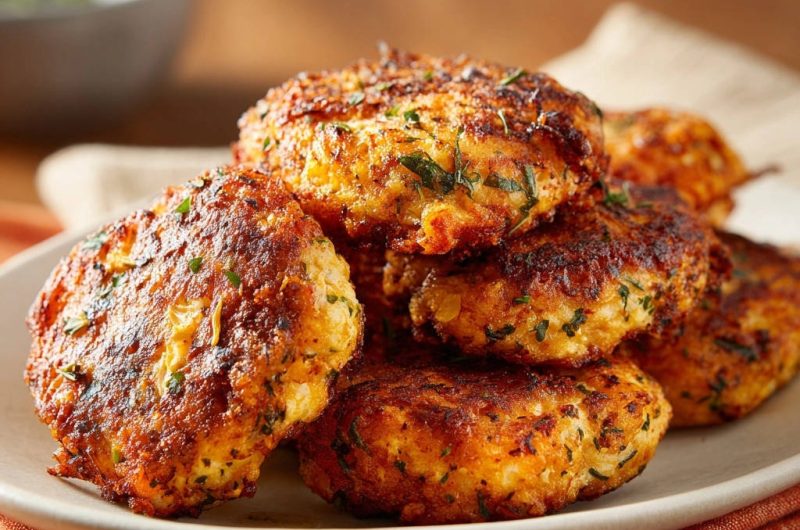
Fish Cakes
Course: Main CourseCuisine: InternationalDifficulty: easy4
servings15
minutes10
minutes350
kcal55
minutesFollow this foolproof method to guarantee your fish cakes hold their perfect shape every time. The secret is a mandatory chilling step that ensures a flaky interior and a gorgeous golden crust. Serve these easy patties as a main course.
Ingredients
1 pound cooked white fish (such as cod or tilapia), flaked
1/2 cup mayonnaise
1/4 cup panko breadcrumbs, plus 1/2 cup for dredging
1 large egg yolk
1 teaspoon dried thyme
1/2 teaspoon garlic powder
1/4 cup finely minced parsley, plus extra for garnish
1 teaspoon fresh lemon juice
Salt and black pepper to taste
1/4 cup neutral frying oil (canola or vegetable)
Directions
- Prepare the Fish Base: In a medium bowl, gently flake the cooked fish using a fork. Do not mash it completely; you want texture. Add the 1/4 cup panko breadcrumbs, egg yolk, mayonnaise, thyme, garlic powder, parsley, and lemon juice. Season generously with salt and pepper.
- The Non-Crumble Binding Technique: Mix the ingredients lightly with a rubber spatula or spoon until just combined. The key is to mix minimally to maintain the fish structure while ensuring the egg yolk and mayonnaise coat all surfaces. This mixture will seem slightly soft.
- Shape and Chill (The Guarantee): Scoop the mixture into 8 equal portions. Lightly dust your hands with flour or extra panko and form the portions into firm, round patties, about 1 inch thick. Place the formed cakes onto a plate or baking sheet lined with parchment paper. This step is non-negotiable: Cover the patties and refrigerate them for a minimum of 30 minutes. Chilling allows the protein and fat binders to firm up, guaranteeing they will not collapse when cooked.
- Dredge and Prep for Frying: Place the remaining 1/2 cup of panko breadcrumbs on a shallow plate. Once the cakes are firm, lightly dredge each chilled cake in the panko, pressing gently to adhere a thin coating to all sides.
- Pan Frying: Heat the neutral oil in a large skillet over medium-high heat until shimmering. Carefully place the chilled fish cakes into the hot oil, ensuring not to overcrowd the pan. Work in batches if necessary.
- Cooking to Perfection: Cook for 3 to 4 minutes per side. Crucially, do not move the cakes until they have developed a deep golden brown crust (3 minutes). This initial sear seals the exterior, maintaining the shape locked in by the chilling step. Flip gently and cook the second side until equally golden and the cakes are heated through.
- Serve: Remove the finished cakes to a wire rack lined with paper towels to drain excess oil. Garnish with fresh parsley and serve immediately.
Notes
- This recipe requires a minimum 30-minute chilling time. Do not skip this step, as it prevents the cakes from crumbling during frying.