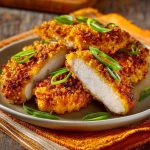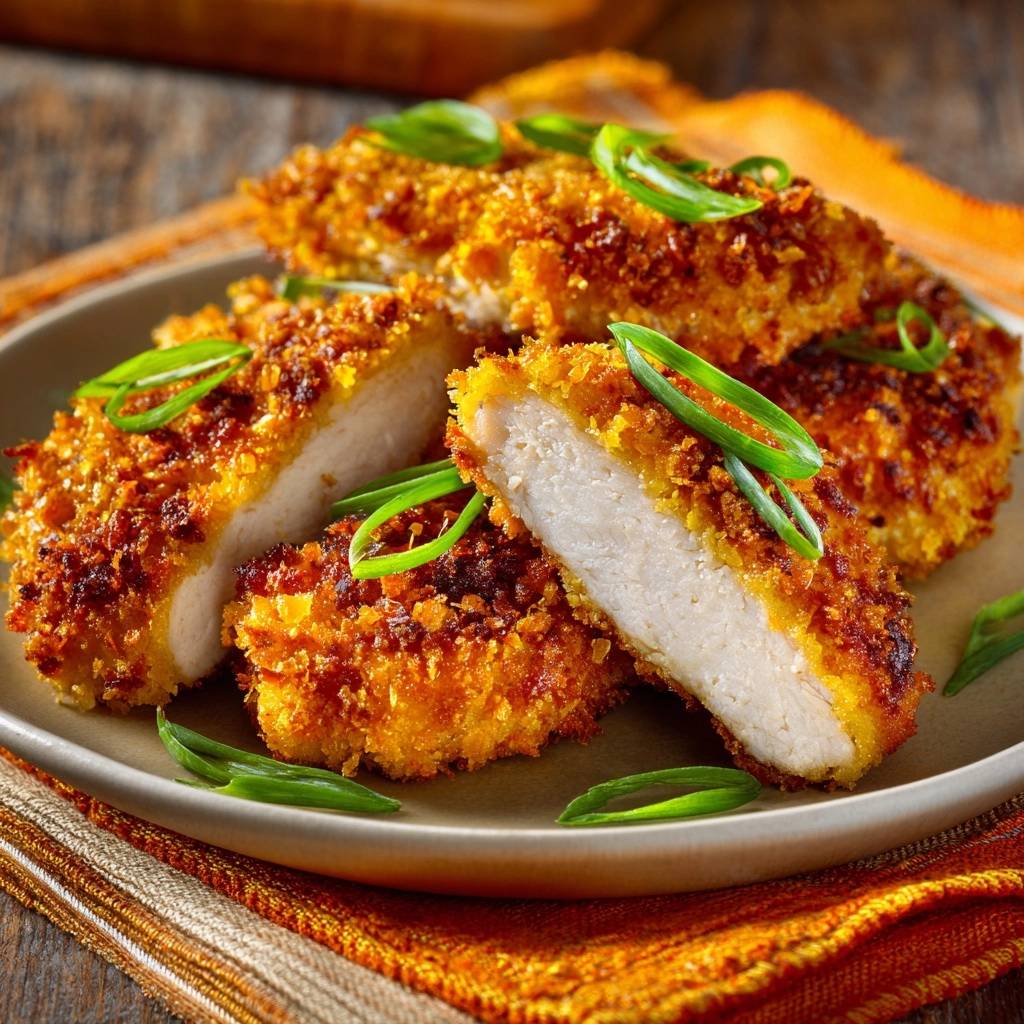
Nothing ruins fried chicken tenders faster than a dry, sawdust-like bite hidden under that promising crunch. You’ve been there, right? But these Crispy Panko Chicken Tenders change everything with a quick 15-minute saltwater brine that locks in juices for tender centers every time. Imagine shatteringly crisp panko exteriors giving way to moist, flavorful chicken that beats any fast-food drive-thru.
Therefore, this recipe delivers weeknight ease in just 45 minutes total, yielding 12 tenders that serve 4-6 hungry folks. Prep takes 20 minutes, cooking 25 more. Each serving clocks in around 350 calories, packed with protein and that satisfying crunch. Oh man, the first bite? Pure joy, with fresh scallions adding a bright pop.
Here’s the expertise kicker: the secret lies in that exact 15-minute brine using 1/4 cup salt to 4 cups cold water. It pulls moisture deep into the meat via osmosis, so frying heat can’t steal it away. No more dry tenders, guaranteed.
Why Brine Transforms Crispy Panko Chicken Tenders
Science of Saltwater Brine for Juicy Results
The brine works through osmosis. Salt draws water into the chicken proteins, which then trap it tight. Therefore, even high frying temps leave you with juicy results, unlike unbrined strips that turn tough and dry.
I’ve compared side-by-side: brined tenders stay moist and springy, while plain ones shrink and harden. Stick to 1/4 cup salt in 4 cups water, though. Over-brining toughens the meat, so set a timer.
In addition, cold water keeps proteins intact, avoiding any pre-cooking. This simple step makes all the difference in texture.
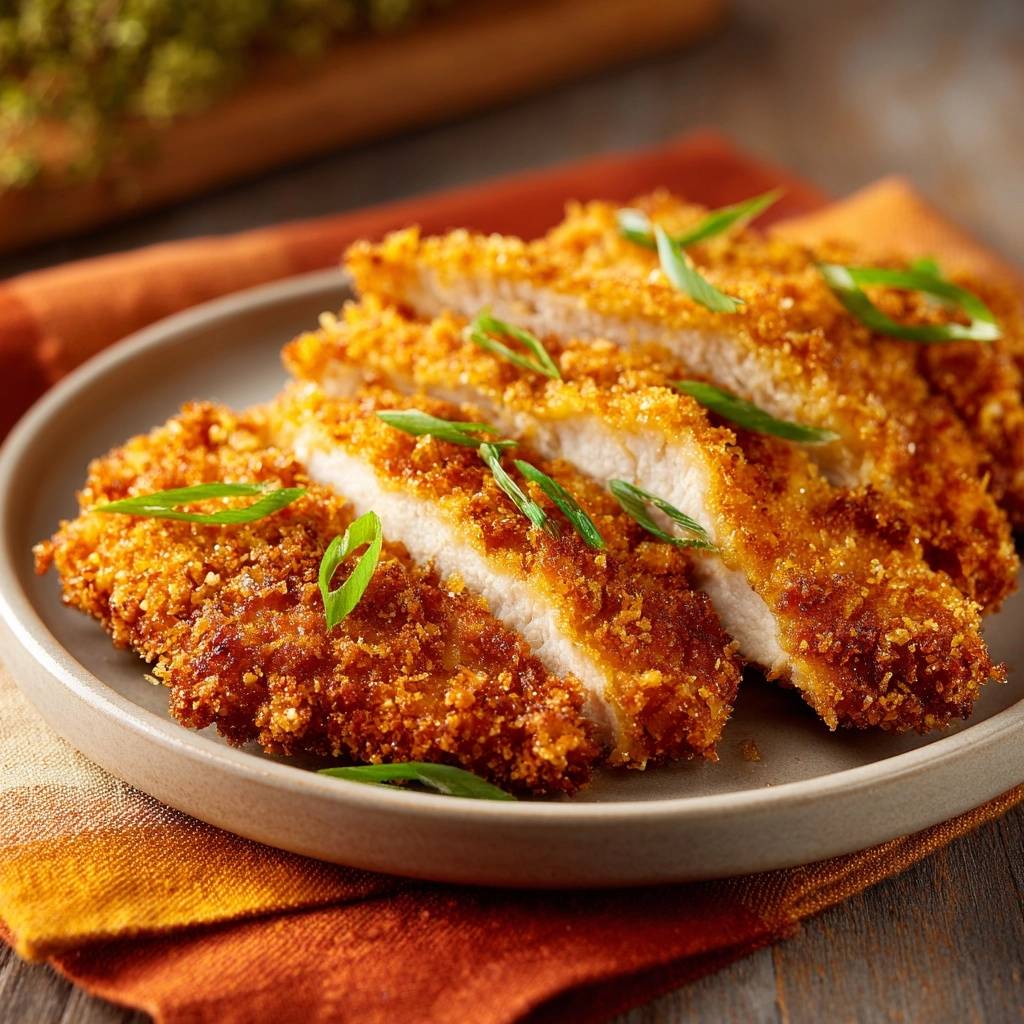
Step-by-Step Brining Process
First, dissolve 1/4 cup salt in 4 cups cold water in a large bowl. Submerge the 12 chicken strips fully. They should float free, so use a bowl big enough.
Set a timer for exactly 15 minutes. Rinse under cold running water right after. Pat aggressively dry with paper towels; moisture here kills crispness later.
Pro tip: chill the brined, dry strips briefly if you’re not breading immediately. This extra dryness ensures panko sticks like glue.
Essential Components for Perfect Crispy Panko Chicken Tenders
Chicken Selection and Strip Cutting Precision
Grab 4 boneless, skinless chicken breasts for even cooking. Slice into 12 uniform 1-inch thick strips. Uniform size means they fry at the same rate, avoiding raw centers or overdone edges.
Fresh breasts beat frozen-thawed ones, which release more water and sog. However, thighs work great too; they’re naturally juicier if breasts aren’t on hand.
Cut against the grain for tenderness. You’ll smell that fresh chicken scent right away, promising great results.
Flour, Egg, Panko: Breading Layers Breakdown
Start with 1/2 cup flour mixed with 1/2 teaspoon salt, 1/2 teaspoon pepper, 1/2 teaspoon garlic powder, and 1/2 teaspoon onion powder. This seasoned base helps everything adhere and boosts savoriness.
Two beaten eggs act as glue, creating a sticky layer. Then 1 cup panko breadcrumbs deliver those airy flakes for unmatched crunch; regular crumbs pack too dense and steam soggy.
Don’t sub regular crumbs, or you’ll lose the texture magic. Panko’s larger pieces trap air, staying crisp longer. Quantities matter: too little, and coverage fails.
For even longer-lasting crunch, check out these crispy panko chicken cutlets.
Seasonings and Scallion Garnish Role
The total 1 teaspoon salt splits between brine and flour for balance. Pepper, garlic, and onion powders add depth without overpowering.
Slice one bunch green onions thin for garnish. Their fresh, oniony bite cuts the richness perfectly. Sprinkle right before serving for even pops of green and flavor.
Mastering the Breading Station Setup
Organizing Three-Bowl Dredging Line
Line up three shallow bowls side-by-side. Bowl 1 gets the seasoned flour. Bowl 2 holds the beaten eggs. Bowl 3 is all panko.
Shallow bowls cut waste and speed things up. Use one hand for dry (flour and panko), the other for wet (egg) to avoid clumpy mess.
This setup flows smooth. You’ll bread all 12 strips in minutes without cross-contamination.
Dredging Technique for Even Crispy Coating
Take a strip: coat fully in flour, shake off excess. Dip in egg, let excess drip. Press firmly into panko on both sides until no bare spots show.
Thumb-test the coating; it should feel secure. Place on a plate without crowding. Chill 10 minutes in the fridge so breading sets and won’t slip in hot oil.
Common error: skipping the chill. It leads to patchy breading. Press extra on ends for full coverage.
Frying Crispy Panko Chicken Tenders to Golden Perfection
Oil Heating and Temperature Control
Pour 1/2 inch vegetable oil into a large skillet. Heat over medium-high to 350°F. Sprinkle panko in; it should sizzle instantly.
No thermometer? Watch for steady bubbles around test pieces. Neutral veggie oil prevents flavor interference, unlike olive.
Too low temp soaks oil in; too high burns outside first. 350°F is the sweet spot.
Batch Frying and Draining Method
Fry 3-4 tenders per batch, 3-4 minutes per side. Flip gently with tongs for even gold. Check internal temp hits 165°F.
Don’t overcrowd, or oil cools and breading greases up. Drain on paper towel-lined rack; it lets steam escape, keeping crisp.
Pro tip: hold fried tenders upright to drain faster. They come out steaming hot and crunchy.
Science Behind Panko’s Ultra-Crisp Texture
Why Panko Outshines Traditional Breadcrumbs
Panko comes from steam-extruded bread, forming irregular, airy flakes. These trap air pockets that crisp fast in oil without dense sogginess.
For a similar crunch, consider crispy glazed chicken cutlets.
Regular breadcrumbs? Fine and packed, they trap steam and turn mushy. Frying evaporates panko’s moisture rapidly for that shatter.
Result: crunch that lasts through bites. It’s why pros swear by it.
Brine-Panko Synergy for Juicy Centers
Brine seasons and moistens proteins deeply. High-heat frying denatures them, locking juices in despite crust formation.
Panko insulates, slowing heat transfer to the center. Internal temp rises steadily to 165°F without drying out.
Together, they deliver juicy inside, crisp outside. Perfect harmony.
Avoiding Pitfalls in Crispy Panko Chicken Tenders
Preventing Dryness and Soggy Breading
Skip brine, and chicken dries out. Wet strips before flour? Breading falls off. Always rinse, pat dry, and chill.
Low oil temp leads to grease soak. Overcrowding drops temp too. Fry hot and spaced.
Diagnosis: cut one open. Dry? Brine failed. Soggy? Temp issue.
Oil Management and Safety Essentials
Keep extinguisher nearby; oil hits smoke point fast. Strain and reuse cooled oil up to twice.
350°F avoids raw insides or burnt crust. Wipe splatters immediately.
Flavor Twists on Crispy Panko Chicken Tenders
Spice Blends and Herb Infusions
Mix Cajun into flour for heat. Italian herbs add earthiness. Lemon-pepper brightens.
Stir sesame seeds or parmesan into panko. Brine with fresh dill for subtle lift. Each twist keeps crunch intact.
Start mild; taste flour mix first.
Glaze and Dip Pairings
Drizzle honey mustard post-fry. Sriracha mayo brings spice. Yogurt herb dip cools it down.
Apply lightly right after draining to preserve crisp. Serve dips on side too.
Ideal Sides for Crispy Panko Chicken Tenders
Crisp Veggie and Slaw Companions
Creamy coleslaw contrasts crunch with cool cabbage, carrots, and tangy mayo dressing. Mix and chill ahead.
Cucumber salad refreshes: thin slices, vinegar, dill. Balances richness perfectly.
Starch and Sauce Matches
Oven fries add more crisp; bake at 425°F. Quinoa pilaf brings nutty chew.
Complementary Dishes
Round out your chicken tender meal with these dishes.
- For a fresh, vibrant addition, consider these crispy Parmesan asparagus fries, offering a similar crispiness and a touch of green.
- If you’re looking for a lighter option that still features chicken, this easy juicy grilled chicken salad provides a cool, refreshing contrast.
Pair with honey mustard or ranch dips. Boosts nutrition with veggie sides.
Storage and Reheating Crispy Panko Chicken Tenders
Make-Ahead and Freezer Strategies
Store cooked tenders in airtight container up to 3 days in fridge. Freeze breaded raw or cooked up to 2 months in freezer bags.
Thaw overnight, then refry at 350°F for crisp revival. Raw frozen? Bread and fry direct from thaw.
Reheating Without Losing Crunch
Air fryer at 375°F for 5 minutes revives best. Oven on wire rack at 400°F, 8-10 minutes.
Avoid microwave; it steams soggy. Rack lets air circulate.
Troubleshooting Crispy Panko Chicken Tenders
Breading Won’t Stick?
Chicken wasn’t dry enough post-brine. Pat harder, add more egg wash, chill longer. One hand dry, one wet fixes mess.
Not Crispy Enough?
Oil too low or overcrowding. Heat higher, fry less per batch. Thin panko? Double press.
Too Salty After Brine?
Rinse thoroughly under cold water. Taste and cut back flour salt next time. Balance with dip.
Chicken Still Pink Inside?
Strips too thick or oil cooled. Cut uniform, check 165°F. Fry longer if needed.
FAQ
How do I store leftovers of Crispy Panko Chicken Tenders?
Keep cooked tenders in an airtight container in the fridge for up to 3 days. They reheat well without much loss in texture. For freezing, place breaded raw strips or cooked ones on a tray first to freeze individually, then bag for up to 2 months. Thaw in fridge overnight; refry raw at 350°F or air fry cooked at 375°F for 5 minutes to restore crunch. Avoid stacking wet to prevent sogginess.
Why are my chicken tenders dry after frying?
Dryness hits without the brine, as frying pulls out natural juices. Always brine 15 minutes exactly, rinse, and pat super dry. Uneven strips or low oil temp overcooks outsides first. Cut uniform 1-inch thick and maintain 350°F; internal 165°F ensures juicy centers every time.
Can I substitute ingredients in Crispy Panko Chicken Tenders?
No panko? Regular breadcrumbs work but go soggier; use 1 cup and press hard. Out of breasts? Thighs stay moister. Gluten-free? Swap all-purpose flour for 1:1 GF blend and certified GF panko. Eggs? Buttermilk or thinned yogurt as wash. Veggie oil swap to canola; avoid butter or olive for high smoke point.
What’s the best oil temperature for frying these tenders?
Aim for 350°F in 1/2 inch oil. Test by dropping panko; instant sizzle means ready. Too low (under 325°F) soaks grease and softens breading. Too high (over 375°F) burns crust before inside cooks. Medium-high heat stabilizes it; use thermometer if possible for pro results.
How do I know when the chicken is fully cooked?
Check internal temp reaches 165°F with instant-read thermometer in thickest part. Visuals: juices run clear, no pink. Fry 3-4 minutes per side at 350°F for uniform strips. Rest 2 minutes post-fry; carryover heat finishes it safely without drying.
Can I bake these instead of frying?
Yes, for lighter version: spray breaded tenders with oil, bake at 425°F on wire rack 20-25 minutes, flipping halfway. They crisp decently but won’t match fry’s shatter. Brine still key for juiciness. Air fryer at 400°F 12-15 minutes works great too, shaking basket midway.
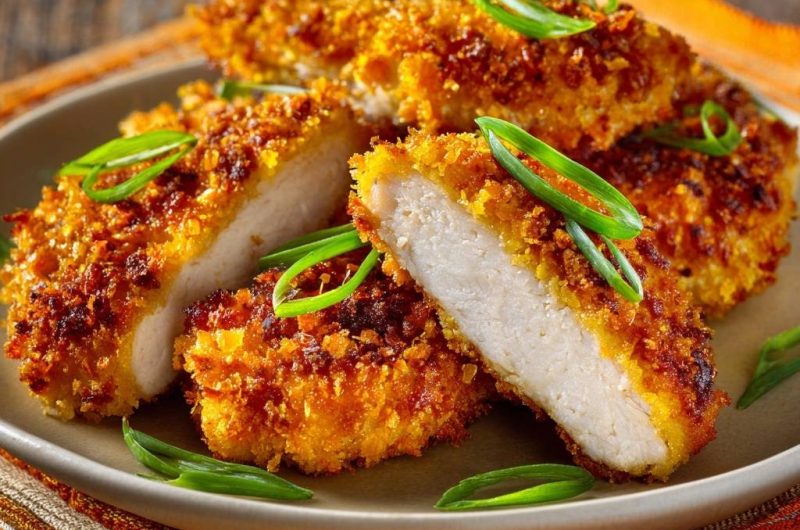
Chicken Tenders
Course: Main CourseCuisine: AmericanDifficulty: easy12
tenders (4 servings)25
minutes15
minutes350
kcal40
MinutesDry fried chicken tenders are the worst: perfect crunch outside, sawdust inside. This recipe fixes it forever with a 15-minute saltwater brine that locks in natural juices for tender, moist results every single time. Paired with ultra-crisp panko and fresh scallions, these are weeknight gold.
Ingredients
4 boneless skinless chicken breasts, cut into 12 strips
1 cup panko breadcrumbs
2 eggs
1/2 cup all-purpose flour
1 teaspoon salt
1/2 teaspoon black pepper
1/2 teaspoon garlic powder
1/2 teaspoon onion powder
Vegetable oil for frying
1 bunch green onions (scallions), thinly sliced for garnish
Directions
- Make the brine to guarantee juicy chicken: Dissolve 1/4 cup salt in 4 cups cold water in a bowl. Add chicken strips, submerge fully, and brine for exactly 15 minutes. This simple step draws moisture into the meat and prevents dryness during frying. Rinse under cold water, pat very dry with paper towels.
- Set up breading station: Bowl 1: flour, 1/2 teaspoon salt, pepper, garlic powder, onion powder. Bowl 2: beaten eggs. Bowl 3: panko.
- Dredge each strip: Coat in flour mixture, shake off excess. Dip in egg, let drip. Press firmly into panko, covering completely. Place on a plate. Chill in fridge 10 minutes for breading to set.
- Heat 1/2 inch vegetable oil in a large skillet over medium-high to 350F (test with panko sprinkle: sizzles immediately). Fry tenders in batches 3-4 minutes per side until golden and internal temp hits 165F. Drain on paper towels.
- Garnish with sliced green onions. Serve hot. No dryness, all crunch!
Notes
- Brine exactly 15 minutes for best juiciness. Chill breaded tenders 10 minutes before frying to set the coating. Fry to 165°F internal temperature.